REDEFINING HOMEOPATHY

REDEFINING HOMOEOPATHY

  • SOME OPEN QUESTIONS TO OUR RESPECTED “HOMEOPATHY RESEARCHERS”

    A lot of SCIENTIFIC SEMINARS are being conducted all over the world. A lot of “scientific papers” and “lectures” are presented by “eminient homeopaths” and “homeopathy researchers”.

    I have some simple questions to them:

    How can you discuss “MODUS OPERANDI” of post-avogadro diluted homeopathic drugs, without discussing regarding the ACTIVE PRINCIPLES they contain?

    How can you discuss “MODUS OPERANDI” of post-avogadro diluted homeopathic drugs, without discussing in what “form and quantity” the ACTIVE PRINCIPLES are contained in the doses you administer, how they are absorbed and transported inside the body, which are their molecular targets, and what is the molecular mechanism by which they interact with the biological targets to produce a therapeutic effect?
    How can you discuss “MODUS OPERANDI” of post-avogadro diluted homeopathic drugs, without discussing the DIFFERENCE between “molecular” forms and “potentized” forms of our drugs?
    How can you discuss “MODUS OPERANDI” of post-avogadro diluted homeopathic drugs, without discussing regarding what actually happens at molecular level during the process of potentization?
    How can you discuss “MODUS OPERANDI” of post-avogadro diluted homeopathic drugs , without discussing regarding what is Avogadro number, and how the number of molecules in a given quantity of substance is limited by Avogadro number?
    How can you discuss “MODUS OPERANDI” of post-avogadro diluted homeopathic drugs, without discussing the fact that there will not remain even a single molecule of original drug substances when diluted above Avogadro number?
    How can you discuss “MODUS OPERANDI” of post-avogadro diluted homeopathic drugs, without discussing that Avogadro limit is crossed by diluting above 12C?
    How can you discuss “MODUS OPERANDI” of post-avogadro diluted homeopathic drugs, without discussing that 12C is a dilution of 1part in 6023 followed by 22 zeros, and 30C is a dilution of 1 part in 6023 followed by 58 zeros?
    How can you discuss “MODUS OPERANDI” of post-avogadro diluted homeopathic drugs, without discussing the physical, chemical and supramolecular properties of water and ethyl alcohol?
    How can you discuss “MODUS OPERANDI” of post-avogadro diluted homeopathic drugs, without discussing difference between potentized drugs as well as unpotentized water-alcohol mixture?
    How can you discuss “MODUS OPERANDI” of post-avogadro diluted homeopathic drugs, without discussing how the medicinal properties of a medicinal substance could be transmitted to a water-alcohol mixture, without retaining even a single molecule of original substance?
    How can you discuss “MODUS OPERANDI” of post-avogadro diluted homeopathic drugs, without discussing the scientific fact that the covalent bonds holding the atoms together in a chemical molecule could not be broken by the simple mechanical energy involved in the process in potentization?
    How can you discuss “MODUS OPERANDI” of post-avogadro diluted homeopathic drugs, without discussing the fact that molecules could not be divided into atoms, atoms into subatomic particles, or subatomic particles into ENERGY by the simple mechanical energy involved in potentization?

    How can you discuss “MODUS OPERANDI” of post-avogadro diluted homeopathic drugs, without discussing the scientific fact that medicinal properties of a drug is due to the chemical properties of the complex chemical molecules contained in a drug substance, and that the medicinal properties could not be retained once molecules are divided into atoms or converted into energy?

    How can you discuss “MODUS OPERANDI” of post-avogadro diluted homeopathic drugs, without discussing the scientific knowledge available regarding the biomolecular mechanism of pathology and therapeutics, and fitting your explanation with it?
    How can you discuss “MODUS OPERANDI” of post-avogadro diluted homeopathic drugs, without clearly explaining the biological mechanism of cure involved in SIMILIA SIMILIBUS CURENTUR?
    How can you discuss “MODUS OPERANDI” of post-avogadro diluted homeopathic drugs, without discussing and making your stand clear regarding the concepts of VITAL FORCE and DYNAMIC DRUG ENERGY you were taught as the essential FUNDAMENTALS of homeopathy?
    Dear “Homeopathic Researcher”, I would expect specific answers to the above questions, not sweeping comments or personal attacks. These questions are not at all personal, but scientific. I think we cannot establish homeopathy as a medical science, without providing rational answers to these questions. Please do not take it personal, and don’t make it an issue of ego!

    Please understand, we can easily fool our followers, or keep a majority of homeopathic community confused for some time with our half-cooked researches, but there is a vigilant scientific community keeping an eye on everything happening here! They will not spare any opportunity that could be utilized to belittle, ridicule and humiliate homeopathy!

    I would agree with the layman argument that a driver is not bound answer “how the engine works”, as far as he confines himself to duty of driving the car, and not making his own theories about “how engine works”. A practitioner of medicine is not essentially expected to answer the above questions, as far as he confines to his role of “practitioner”, not a “theoretician”. Problem arises when we make our own fanciful theories about “modus operandi” of homeopathic drugs, and broadcast them to the public. Scientific community will surely intervene, if you are taking things that go against basic scientific knowledge. Homeopaths can “practice” homeopathy using their knowledge and beliefs, and produce whatever “results” you can, whether placebo effect or not. Problem arises when homeopaths start weaving “theories” even without any idea regarding the fundamentals of science. We should be bold enough to say “I don’t know”, when we actually “do not know” some thing.

  • Is Water a Polymer?

    MIT or MOLECULAR IMPRINTS THERAPEUTICS is a scientific hypothesis trying to explain homeopathy.

    As per this hypothesis, potentization involves a process of Molecular Imprinting in water-alcohol supra-molecular matrix using drug molecules as templates, by which nanocavities or molecular imprints bearing the spacial conformations of drug molecules in a negative orientation are produced. Drugs potentized above avogadro limit contain these MOLECULAR IMPRINTS as their active principles, which can act as artificial binding pockets for the pathogenic molecules.

    One of the main criticisms against this hypothesis was that molecular imprinting could be done only in POLYMERS, and since water is not a polymer, molecular imprinting could not be done in water-alcohol matrix. Even though I had scientifically explained why water is considered a polymer-like substance, many people were reluctant to accept my explanations. Now comes a great research work that has scientifically proved that “Liquid water is a dynamic polydisperse branched polymer. This work done by a team led by William A. Goddard III and Saber Naserifar is a great breakthrough in water research, which will of course be of course a decisive help in establishing THE concept MOLECULAR IMPRINTING involved in homeopathic potentization as hypothesised by MIT.

    According to the researchers, they have proved through quantum mechanics force field molecular simulations that Liquid water is a dynamic polydisperse branched polymer. They have showed that when ice undergoes melting, the number of SHBs (strong hydrogen bonds) drops quickly to two in liquid water. These two SHBs couple into chains containing over 150 water molecules, resembling a branched polymer, where polymer branches evolve dynamically. Authors expect that this dynamics-branched polymer paradigm may explain long-standing puzzles of water, and may explain the observed angular correlations in water.

    You can read the research paper on this link: .https://www.pnas.org/content/116/6/1998

  • A COVID-19 HOMEOPATHY “RESEARCH PAPER” PUBLISHED FROM KERALA

    I have before me a research paper titled “covid-19 research Homoeopathy- Efficacy of Arsenicum Alb 30c for upregulating immunological markers among residents of covid-19 related hot spot areas in Pathanamthitta, Kerala”, recently published by Dr M V Thomas and coworkers, including some of the senior homeopaths from kerala.

    As usual, homeopathic community is enthusiastically sharing and broadcasting this “research” as a valuable proof for their claims regarding homeopathic prevention of covid 19. The truth is that most of those homeopaths never read or try to understand what is written in the article, but simply broadcast it! I am very much sure they will vehemently oppose me even without readin what I am writing here, as “who said it” is more important and decisive for them than “what is said in it”! Their herd psychology is such that they cannot tolerate anything that criticizes their bosses or goes against their beliefs!
    At the very onset, I want to express my happiness to note that the authors, in spite of their claim to be “classical homeopaths”, agree with the modern scientific view that “the causative organism of Covid 19 is a virus belonging to Coronaviridae family”. Normally, most classical homeopaths are seen to declare that “viruses are not causative agents of diseases”, and “virus theory” is a scam created big pharma conspracy! We have been recently hearing some “big homeopaths” theorizing that “viruses are not infectious”, “they do not come from outside the body”, and “viruses are fragments of our genetic substances that have undergone disintegratation due to the disturbances in the electromagnetic field of earth”! In such a context, this is a welcome change from the part of our present authors who talk about “covid 19 as an infectious pandemic produced by viruses”!
    Once you go through the paper, you will see that this “research” has actually nothing to do with covid 19, even though the title claims it to be a “covid 19 research”! This work reminds us about the funny story of a clever student who was asked to write an essay about elephant, and made the essay by describing about the coconut tree to which the elephant was fastened to!
    This study has nothing to do with homeopathic prophylaxis of Covid 19, even though the authors claim to be so. You will see that this is only a very poorly designed and executed study regarding the THERAPEUTIC EFFECTS of Arsenic Alb 30 on people diagnosed as “psychologically stressed”. The “rope” by which they fasten it to covid 19 is that the study was done in a “covid 19 hotspot area”!
    Hypothesis is that people in “covid 19 hotspot areas will be psychologically stressed, this psychological stress will cause reduction in immunity, and the covid viruses will easily infect them”. It is also hypothetized that we can prevent covid if we could raise the immunity level by any means! In their study, homeopathic medicine Arsenic Alb 30 is found to raise the immune markers in the selected colunteers, and as such it is concluded that Arsenic Alb 30 can prevent covid 19!
    Authors say:
    ” In the current episode of COVID-19 pandemic, the homoeopathic medicine Arsenicum alb 30C is selected as the genus epidemicus after an extensive review. It was hypothesised that, Arsenicum alb 30C will upregulate the immune markers of the individuals. The immune profile was explained by the serum absolute counts of CD4, CD3, CD8 and Lymphocyte.”
    Hypothesis is that “Arsenicum alb 30C will upregulate the immune markers of the individuals”. But the study done was to find out whether Arsenicum alb 30C will upregulate the immune markers of the individuals having “deficiency of immune markers due to psychological stress”! The study did not prove any relationship between “immune markers” and Arsenic Alb 30 and healthy individuals. Nobody ever proved that covid 19 will affect only those whose “immune markers are low”! If it was proved to be so, it would have been easy for health workers to evolve a strategy of covid prevention by checking the “immune markers” of all individuals in the community and isolating those who have low levels of “immune markers”! It is a foolish idea indeed.
    Theory of widespread “psychological stress in covid 19 hotspot areas” is ruled out by the authors themselves through their survey. It is stated in the paper itself that they interviewed 1151 individuals in the area, but could identify only 61 persons to be “psychologically stressed”. It means “psychological stress” could be detected only in a very minute percentage of people in the area. According to the theory proposed by authors, only these people will be vulnerable to covid 19 infection! More over, is there any evidence to prove that covid 19 affects only those who are psychologically stressed due to fear of covid 19? It is utter nonsense to correlate covid 19 infection with FEAR OF COVID! Many people who got covid 19 were common people totally unaware of covid!
    From the 61 persons found to be “psychologically stressed”, only 16 persons were identified to be having “low immune profile”, and they were recruited for final study. Obviously, authors are indirectly proving that “psychological stress” produced lowered immune profile in a very small percentage of people- only 16 out of 61. It is 16 out of 1151 individuals they interviewed in a “hotspot area”! As such, whether or not Arsenic Alb 30 upregulated the immune profile of 16 persons is of no consequence as a “covid 19 research”!
    Authors say:
    “There were 61 participants diagnosed as having subjective distress due to COVID-19 form 1151 individuals studied. The individuals with low immunity profile was selected as the participants of the study. The low immune profile was identified by those with absolute CD4 count below normal.”
    “Thus 16 participants identified as having low immune profile such as CD4, CD3, CD8, CD4:CD8 ratio and absolute lymphocyte count. The Arsenicum album 30C was given to the participants and post-test was taken after 5 days. The post-test revealed that, there were significant pre-post difference reported among all the immunological markers”.
    What does it mean that only 61 persons among 1151 individuals were “psychologically stressed”, and only 16 among them were found to be having “low immune profile”? Out of 61 persons identified to be having “psychological stress” from a group of 1151 , 35 persons did not show “low immunity profile”! It totally disproves the hypothesis that relates covid 19 infection with “lowered immunity” due to “psychological stress” !
    Here comes another wonderful statement:
    “It also found that, COVID-19 pandemic has created different levels of subjective distress as a result of post-traumatic stress disorder (PTSD) at residents of hot spot areas in Kerala.”
    Is it “post-traumatic stress disorder (PTSD)” or “anticipatory psychological stress” the authors are talking about? Post-traumatic stress disorder (PTSD) is defined in psychology as a mental disorder that can develop after a person is exposed to a TRAUMATIC event, such as sexual assault, warfare, traffic accidents, child abuse or such severe threats in a person’s life. How this discussion of PTSD become relevant here? It is obvious that the authors are ignorant about the difference between “post-traumatic stress disorder (PTSD)” and “anticipatory psychological stress”.
    Then comes the next stage of the study. All the 16 persons found to be having “lowered immune profile” are given the homeopathic remedy Arsenic Album 30. Post-test of immune profile was taken after 5 days. “The post-test revealed that, there were significant pre-post difference reported among all the immunological markers”.
    This is the actual study. And by this “research”, they claim to have proved that “Arsenic Alb 30 is effective in preventing covid 19? Wonderful “scientific” conclusion indeed, isn’t it”
    What about controls? Most important drawback of this study is that there are no CONTROLS. All the 16 persons recruited were given Ars Alb 30. How can we say the upregulating of biological markers was caused by arsenic Alb, as far as there is no a control group kept on placebo to compare with? A control group kept on placebo is most essential in this kind of a study which involves psychological factors, in order to ensure that the upregulatiion of biomarkers were caused by Arsenic Alb itself.
    How can we say the “psychological stress” of the selected individuals was not relieved by placebo effects? How can we say a biological effect produced by “psychological stress” could not be reversed by the “psychological effects” of placebo? See the instructions the researchers had given to the volunteers:
    “The following instructions were given to the participants before the oral administration of Arsenicum album 30C.
    1. Stay home, do not go out unless it is inevitable.
    2. Eat good diet including vegetables.
    3. Sleep 6-8 hours in a day”.
    “Eating good diet”, “staying at home and taking good rest”, and “sleeping 6-8 hours in a day” are common measures that psychologists advice to reduce mental stress. You can imagine what actually happened to the volunteers here!
    Another important draw back of this research is that there is no BLINDING at all, and as such, we cannot rule out the biases and prejudices of researchers in deciding the outcome, especially in a study involving psychological factors as major ingredient.
    Even if the findings of the study are taken seriously, what did it actually prove? It proved that Arsenic Alb 30 can upregulate the immune markers in PAITENTS who are “psychologically stressed”. It is all about treatment of psychological stress. Nothing to do with “prevention of covid 19”!
    All other remaining massive texts panning through hundreds of pages of this “research paper” are mere copy-paste, which were intended only to make the paper appear bulky, scholarly and serious. They are totally irrelevant as far as the hypothesis and research methodology are fundamentally flawed! As such, I am avoiding the discussion of those parts involving the “modus operandi of potentized drugs”, which are actually a bundle of wild fancies and imaginations interspersed with scientific terms. No where they even try to address the fundamental questions such as what are the active principles of post-avogadro diluted homeopathic drugs, and what is the biological mechanism by which they produce therapeutic effects. They quote a lot of things about biological actions of ARSENIC TRIOXIDE, as if arsenic Album 30 they used is containing molecular forms of arsenic trioxide. No where they mentioned about avogadro number, where as any scientific discussions of homeopathy drugs should involve a mention to avogadro number! Without explaining how and in what form medicinal properties of drug substances could be retained in dilutions much above avogadro limit, any scientific explanation of homeopathy is impossible.
    Read this statement: “It was hypothesised that, the disease prevention in homoeopathy carried out by enhancing immunity status of the individual. There were many studies reported with immunological studies with homoeopathy.”
    Listen to the following references to prove this claim of “disease prevention in homoeopathy carried out by enhancing immunity status of the individual” :
    “Ullman (23) reported that, the homoeopathic medicines made statistically significant pretest and post-test values of CD4 among the subjects with stage III AIDS. It also maintained the values of CD8 count among these patients. Charan, Shinde, Manchanda, Khurana & Taneja (24) revealed that, in HIV patients the homoeopathic medicines improved the CD4 count and CD4/CD8 ratio. The homoeopathic drugs in various potencies can influence mice, bone marrow
    cells, macrophages and PMN cells (25). Bonamin et al., (26) conducted a study and analysed the immune modulation mechanism of Thymulin 5CH in a granuloma experimental model. The study was conducted among mice models and reported that, there were increase in the CD4+ and CD8+ T-lymphocytes in the local lymph node. “
    The first two studies in the above reference were about the THERAPEUTIC EFFECTS of homeopathic medicines in HIV PATIENTS. Third study is regarding GRANULOMA. These studies proved nothing about “disease prevention in homoeopathy carried out by enhancing immunity status”. Either the authors could not understand the above studies, or they are intentionally trying to mislead the readers.
    Most wonderful part of this “research paper” is regarding “modus operandi” of Arsenic Alb 30 in upregulatiing immune markers”. Please listen:
    “The modus operandi of homoeopathic medicine is not completely revealed. The action of Arsenicum album 30C is also not different. An extensive review on the subject explains a hypothesis. Arsenicum album. is a well-established drug for clinical management of diseases with presenting symptoms similar to COVID-19. As2O3 is widely used in modern medicine as well as nanomedicine trials for improving immunity and reduce inflammation caused by immunocompromised
    diseases (42-52). In homoeopathic pharmacopeia of India, the preparation of
    Arsenicum album. is reported and approved by CDSCO. Arsenicum album 30C is considered as an established drug derived from mineral sources which can deliver therapeutic action at nanomaterial doses (52-57). More importantly As2O3 and its various formulations have a significant role in PML isoforms and these PML gene regulations have crucial role in generating antiviral defense mechanism (54). In the context of COVID-19 pandemic outbreak, As2O3 based homoeopathic prophylaxis will help the human body to experience an immunological learning from artificial
    immune challenge raised through Arsenicum album.”
    What is the “moduus operandi”? Did you understand anything? Did they say anything meaningful, except playing with some words?
    “As2O3 is widely used in modern medicine as well as nanomedicine trials for improving immunity and reduce inflammation caused by immunocompromised
    Diseases. Arsenic Trioxide and its various formulations have a significant role in PML isoforms and these PML gene regulations have crucial role in generating antiviral defense mechanism”.
    So what? Tell clearly whether Arsenic Trioxide is present in Arsenic 30, which is a actually a dilution of 1 in 6023 followed by 60 zeros! Do you know how much it is above Avogadro limit? Please tell in WHAT FORM and WHAT QUANTITY Arsenic Trioxide will be present in such a dilution. Without mentioning anything about it, authors are trying to hide themselves behind a smoke screen of words about “how Arsenic Trioxide is used in modern medicine for immunity”!
    Here is another wonderful piece of example for the vanity or ignorance the authors are trying to distribute to the homeopaths in the label of “scientific research” . Read this:
    “Glycerin present in Arsenicum album. Elevates the blood plasma osmolality thereby extracting water from tissues into interstitial fluid and plasma, which in turn helps the associated As2O3 to perforate through the cell membranes. Thus, the Arsenicum album. entered into the cellular environment will create an immunological stress(57-61).”
    Glycerine present in Arsenic Alb 30 pills? Wherefrom this glycerine comes in Ars Alb 30 pills in such a quantity to “elevates the blood plasma osmolality thereby extracting water from tissues into interstitial fluid and plasma, which in turn helps the associated As2O3 to perforate through the cell membranes”! All of us know that a small quantity of glycerine is added to dissolve Arsenic Trioxide during trituration stage of potentization. But how could you imagine that glycerine to stay there without undergoing any change even after undergoing the dilution process upto 30c stage? That too in a quantity to “elevate the blood plasma osmolarity”, and “extracting water from tissues into interstitial fluid and plasma”! There should be a limit even for talking nonsense!
  • “NANOPARTICLE THEORY OF HOMEOPATHY” AND AVOGADRO NUMBER

    What the IIT-B researchers said was that they could detect some nanoparticles of original drug substances “floating in the 1% top layer of potentized homeopathic drugs”. But what the homeopaths understood from that statement is that “potentized drugs contain nanoparticles”! And they started weaving fanciful theories about “nanoparticle” homeopathy to make it appear scientific!
    Some of them even started writing books on “NANODYNAMICS” and “NANOPHARMACOLOGY” of homeopathy.
    They never stopped a second to ponder how the particles detected to be “floating on 1%top layer of solutions” could work as active principles of the whole volume of the solutions! They forgot the simple fact that we use not only the “top 1%layer”, but even the last split drop of the solution, and we are getting expected therapeutic results. The most celebrated “nanoparticle theory” is obviously wrong.
    Even if you argue that it is not the “top 1%layer” only, but the whole volume will be filled with nanoparticles, you will have to answer a few more questions. Where from this unlimited supply of nanoparticles comes in a dilution thousands of times above avogadro limit? Since the number of particles contained in a given quantity of substance by avogadro number, the particles present in a dilution will diminish by each successive dilution, and by crossing avogadro limit, it will be practically zero. Will you argue that new particles are generated by the process of potentization?
    At this point, a prominent section of “nanoparticle homeopaths” start questioning the validity of avogadro number itself. They seem to think that it is their duty to ‘prove’ Avogadro number ‘wrong’, in order to prove that ‘homeopathy is not placebo’! They seem to fear that their whole justification of homeopathy would collapse if Avogadro is allowed to exist!
    They ask: “Have you got ‘scientific evidence’ of avogadro’s constant?
    Jean Perrin got nobel prize in physics in 1926 for his exhaustive work on avogadro constant. It was this French Physicist who in 1909 proposed naming the constant in honor of Avogadro. Perrin won the Nobel Prize for his monumental works in determining the Avogadro constant by several different methods.
    The Avogadro constant is named after the early nineteenth-century Italian scientist Amedeo Avogadro, who, in 1811, first proposed that the volume of a gas (at a given pressure and temperature) is proportional to the number of atoms or molecules regardless of the nature of the gas.
    In chemistry and physics, the Avogadro constant is defined as the ratio of the number of constituent particles (usually atoms or molecules) in a sample to the amount of substance n (unit mole) . Thus, it is the proportionality factor that relates the molar mass of an entity, i.e., the mass per amount of substance, to the mass of said entity. The Avogadro constant expresses the number of elementary entities per mole of substance and it has the value 6.02214129(27)×10^23 mol. Changes in the SI units are proposed that will change Avogadro’s constant to to exactly 6.02214X×10^23 when it is expressed in the unit mol.
    Avogadro number is used to calculate the number of molecules or atoms in a given quantity of any substance. It is defined that 1 gram mol of any substance will contain 6.022×10^23 numbers of its molecules. 1 gram mol is the molecular mass of a substance expressed in grams. Since molecular mass of hydrogen is 2, 2 grams of hydrogen constitutes 1 gram mol of hydrogen, and it will contrain 6.022×10^23 number of hydrogen nolecules. Molecular mass of oxygen is 32, and hence 32 gms of oxygen will contain 6.022×10^23 oxygen molecules. Molecular mass of water is 18, and hence 18 gms of water will contain 6.022×10^23 h2o molecules.
    Molecular mass of carbon is 12, and hence 12 gms of carbon will contain 6.022×10^23 carbon molecules. In other words, 2 gms of hydrogen, 32 gms of oxygen, 18 gms of water and 12 gams of carbon will contain EQUAL NUMBER of molecules, which is a fixed number 6.022×10^23. It is obvious that number of molecules in equal quantities of different substances will be different depending upon their molecular mass. Larger the molecular mass, the lesser will be the number of molecules in a given quantity.
    Whole scientific world utilizes this Avogadro constant in all calculations in physics and chemistry, and it is found correct.
    But our ‘nanoparticle homeopaths’ will not believe in avogadro constant without ‘scientific evidence’! They think the swedish academy was mistaken by wrongly awarding nobel prize to Jean Perrin without enough ‘scientific evidence’ for his works on avogadro constant! I can only pity for these people calling themselves ‘physicians’, for their ignorance or closed mindedness, whatever it may be.
    Most funny thing is, these people are never bothered about the ‘scientific evidences’ for those aphorisms in organon! They never ask for ‘scientific evidence’ for ‘miasms’ or ‘vital force’ or ‘similia similibus curentur’. They never ask for ‘scientific evidence’ for all those nonsense theories preached as part of homeopathy. They never ask for ‘scientific evidence’ for all those occult practices done by so-called homeopaths in the name of CAM!
    But they want ‘scientific evidence’ for Avogadro’s Theory! They want ‘scientific evidence’ only when some body talks about some scientific ideas. They instantly will jump in to prove ‘science is unscientific’, and that ‘homeopathy is ultimate science’! They want ‘scientific evidence’ only to establish the ‘unscientificness of science’!
    According to these ‘nanoparticle homeopaths’, If something is said in ‘organon’, or uttered by the ‘master’ or ‘stalwarts’, it should be accepted by all homeopaths as ‘ultimate science’- no ‘evidence’ needed! These are the people who represent homeopathy before the world. Most of the influential section of homeopathy try to propagate homeopathy that way. That is the reason why the scientific community perceive homeopathy as quackery and placebo.
    It is a sheer waste of time to discuss science with this class of people. Nobody can convince them anything. But the sad thing is, we cannot ignore these intellectual morons, since they represent homeopathy before the general community and making it a subject of unending mockery.
  • “Dynamic Energy” Reflects the Limitations of Scientific Knowledge Available to Hahnemann!

    HAHNEMANN UTILIZED THE CONCEPT OF “DYNAMIC ENERGY” DUE TO HIS “INABILITY” TO EXPLAIN CERTAIN PHENOMENA HE OBSERVED “BY ANY OTHER MANNER”!

    Read Hahnemann saying in Organon : Aphorism 11 : Sixth Edition: Foot Note:

    “Is it then so utterly impossible for our age celebrated for its wealth in clear thinkers to think of dynamic energy as something non-corporeal, since we see daily phenomena which cannot be explained in any other manner?”

    It obviously means, he would not have thought about the concept of ‘dynamic energy’, if it was possible for him to explain these “daily phenomena” “in any other manner”!

    Hahnemann was compelled to ‘think’ about ‘dynamic energy’, only because he saw many daily phenomena which he could not explain in “any other manner”‘. It amounts to a humble confession by the master:

    Which were those “daily phenomena” Hahnemann observed, “which cannot be explained in any other manner” that prompted him to think about a “dynamic energy” that is something “non-corporeal”?

    Further he gives in the same footnote a list of “daily phenomena” which he could not explain by any other manner other than “dynamic energy” as follows:

    “If one looks upon something nauseous and becomes inclined to vomit, did a material emetic come into his stomach which compels him to this anti-peristaltic movement? Was it not solely the dynamic effect of the nauseating aspect upon his imagination?”

    “if one raises his arm, does it occur through a material visible instrument? a lever? Is it not solely the conceptual dynamic energy of his will which raises it?”

    “Our earth, by virtue of a hidden invisible energy, carries the moon around her in twenty-eight days and several hours, and the moon alternately, in definite fixed hours (deducting certain differences which occur with the full and new moon) raises our northern seas to flood tide and again correspondingly lowers them to ebb. Apparently this takes place not through material agencies, not through mechanical contrivances”

    “we see numerous other events about us as results of the action of one substance on another substance without being able to recognize a sensible connection between cause and effect”

    “dynamic effect of the sick-making influences upon healthy man, as well as the dynamic energy of the medicines upon the principle of life in the restoration of health is nothing else than infection and so not in any way material, not in any way mechanical”

    “Just as the energy of a magnet attracting a piece of iron or steel is not material, not mechanical”

    “One sees that the piece of iron is attracted by one pole of the magnet, but how it is done is not seen.”

    “This invisible energy of the magnet does not require mechanical (material) auxiliary means, hook or lever, to attract the iron. The magnet draws to itself and this acts upon the piece of iron or upon a steel needle by means of a purely immaterial invisible, conceptual, inherent energy, that is, dynamically, and communicates to the steel needle the magnetic energy equally invisibly (dynamically).”

    “The steel needle becomes itself magnetic, even at a distance when the magnet does not touch it, and magnetises other steel needles with the same magnetic property (dynamically) with which it had been endowered previously by the magnetic rod”

    “a child with small-pox or measles communicates to a near, untouched healthy child in an invisible manner (dynamically) the small-pox or measles, that is, infects it at a distance without anything material from the infective child going or capable of going to the one to be infected”

    “A purely specific conceptual influence communicated to the near child small-pox or measles in the same way as the magnet communicated to the near needle the magnetic property.”

    These were the “daily phenomena” which he could not explain by “any other means”, and compelled him to explain using the concepts of “dynamic energy”.

    1. Hahnemann could not scientifically explain how limbs are raised at will- and hence, he explained it using dynamic energy.

    2. Hahnemann could not scientifically explain why people get nauseated by seeing others vomit- and hence, he explained it using dynamic energy.

    3. Hahnemann could not scientifically explain how measles and chicken pox are transmitted- and hence, he explained it using dynamic energy.

    4. Hahnemann could not scientifically explain why earth revolves around sun- and hence, he explained it using dynamic energy.

    5. Hahnemann could not scientifically explain the phenomena of high and low ebbsl- and hence, he explained it using dynamic energy.

    6. Hahnemann could not scientifically explain how a magnet attracts an iron needle- and hence, he explained it using dynamic energy.

    7. Hahnemann could not scientifically explain how a steel needle gets magnetized in the vicinity of a magnet – and hence, he explained it using dynamic energy.

    8. Hahnemann could not scientifically explain the phenomenon of life – and hence, he explained it using vital force and dynamic energy.

    9. Hahnemann could not scientifically explain disease and cure- and hence, he explained it using dynamic energy.

    10. Hahnemann could not scientifically explain symptoms and drug proving- and hence, he explained it using dynamic energy.

    11. Hahnemann could not scientifically explain how substances get medicinal property- and hence, he explained it using dynamic energy.

    12. Hahnemann could not scientifically explain how potentization really worksl- and hence, he explained it using dynamic energy.

    13. Hahnemann could not scientifically explain how potentized drugs act- and hence, he explained it using dynamic energy.

  • “QUANTUM PHYSICS” IN HOMEOPATHY- JUST ANOTHER NONSENSE!

    Some homeopaths think that therapeutic actions of post-avogadro diluted homeopathic medicines could be explained using the concepts of QUANTUM PHYSICS.

    They should bear in mind that Quantum physics is a branch modern science that deals with the behaviour of matter and light on the atomic and subatomic scale. It attempts to describe and account for the properties of molecules and atoms and their constituents—electrons, protons, neutrons, and other more esoteric particles such as quarks and gluons.

    Attempts of explaining homeopathy using QUANTUM PHYSICS comes from the idea that drug substances are converted to SUBATOMIC PARTICLES and ENERGY during the process of homeopathic potentization.

    The funny thing is that those who now comes with QUANTUM THEORIES of homeopathy were so far talking about NANOPARTICLE research in homeopathy!

    They should understand, NANOPARTICLES has nothing to do with QUANTUM PHYSICS. Science of nanoparticles deas with the study of SUPRA-MOLECULAR and SUPRA-ATOMIC FORMATIONS of matter, where as quantum physics deals with the study of SUB-ATOMIC particles and forces. First of all you have to decide whether it is “subatomic particles” or “nanoparticles” you are talking about.

    Anybody with high school level knowledge of science is aware that complex chemical molecules contained in drug substances cannot be converted to subatomic particles or energy particles by the process of potentization. With the minimal mechanical energy involved in “shaking”, you cannot break the very strong covalent bonds that hold atoms together in a chemical molecule.

    What a ridiculous nonsense it will be if anybody says he can split a simple water molecule into oxygen and hydrogen atoms by “shaking” it? It is wonderful to see that our homeopathy “scientists” are imagining about converting matter into energy by the simple mechanical process of shaking involved in potentization! To convert drug substance into energy, they have split molecules into atoms, atoms into subatomic particles, and then subatomic particles into energy particles. One have to be an idiot to believe that it is happening during potentization!

    Even if somebody could split drug molecules into atoms and subatomic particles, how can those particles retain the medicinal properties of complex drug molecules? Medicinal properties of drug molecules are due to their peculiar structure and chemical properties. How can an individual atom or subatomic particle retain the chemical properties of complex drug molecules?

    Once the complex molecules are divided into constituent atoms, their molecular level properties are lost. Once the atoms are split into subatomic particles, their atomic level properties are lost. When matter is converted into energy, it will be ENERGY only. There cannot be a NUX VOMICA energy or SULPHUR energy once they are converted to energy form!

    Same way as our SCIENCE-STARVED homeopaths swallowed the nonsense “nanoparticle theory” without asking a single question, they will swallow this QUANTUM PHYSICS THEORY OF HOMEOPATHY also! Especially when BIG scientists are talking it!

  • Notes on MIT Approach To Homeopathic Prophylaxis and Treatment of COVID 19

    #
    I have many times explained my view regarding homeopathy prophylaxis very well. We cannot produce IMMUNITY by homeopathic drugs, be it SINGLE or COMBINATION.

    Reason is, molecular imprints contained in potentized drugs act ONLY on pathogenic molecules if present. In the absence of pathogenic molecules, molecular imprints do not produce any action in the body.

    That means, if potentized drugs are used DURING the time of entry of virus into body, our medinces can prevent virus from producing a disease condition. Actually, it is nothing but CURING AT THE ONSET of disease.

    That is why I repeatedly say, medicines should be used continuously till pandemic is OVER. Since we cannot ensure all the molecular imprints required by all individuals and in all stages of disease by a so-called SINGLE drug, we have to make a COMBINATION of all indicated drugs for a mass application protocol. Such a well prepared combination will obviously act as curative remedy also.

    Dosage of medicines should be decided with a view that MOLECULAR IMPRINTS have to be made available in the body in enough quantities, and that there is no harm even if molecular imprints are supplied in excess than required.

    WHAT I AM RECOMMENDING IS, MAKE A COMBINATION OF ALL INDICATED DRUGS IN 30C POTENCY, AND ADMINISTER IT 5-10 DROPS DIRECTLY ON TONGUE BDS UNTIL PANDEMIC IS OVER.

    #

    I do not agree with the current campaign for mass distribution of Arsenic Alb 30 as “immune booster”, being conducted by a section of homeopaths with the official support of AYUSH authorities. I have sufficient reasons for this disagreement.

    I am not “against” the use of Arsenic Alb or any other particular drug suggested by anybody. Why should I oppose or support any particular medicine? What I opposed was the mass distribution of Ars Alb 30, wrongly claiming it as “immune booster”, that too in inappropriate dosage and for inappropriate duration. I also disagree with the totally inappropriate way Ars Alb was determined as the ONLY medicine. I have written about the importance of administering Ars Alb 30 for preventing the COMPLICATIONS arising from covid in individuals having high arsenic levels in blood. I have clearly explained the scientific basis of this idea.

    It is wrong to think that any SINGLE medicine can offer protection against COVID 19, since molecular mechanism involved in the process of infection of this disease is very complex, and multiple molecular pathways are involved in the expressions and complications of this disease. For prevention and treatment of COVID 19, we have to formulate an appropriate COMBINATION of various drugs that will , and administer it UNTIL EPIDEMIC is over. Ars Alb 30 is of course a constituent of combination I propose.

    PROPHYLAXIS against viral infections using indicated homeopathic medicines in 30c potency is possible DURING acute epidemics. Calling it IMMUNE BOOSTER is totally wrong and misleading. Such a stance will make homeopathy defenseless before the critics, as there no any scientific evidence to prove that homeopathy medicines can BOOST immunity. That word by itself indicates a lack of scientific understanding regarding the biological mechanism involved in the phenomenon we call IMMUNITY. There is no even a concept called IMMUNE BOOSTER in scientific medicine. That word is commonly used by unscientific CAM practitioners and charlatans only.

    What I explained here do not justify the mass administration of Ars Alb 30 as “immune booster”. It Only justifies the role of Ars Alb 30 in prevention of complications happening due to covid disease in people having high arsenic levels in their body. Please don’t ignore the difference

    Call it HOMEOPATHIC PROPHYLACTIC. It is the appropriate expression.

    Post-avogadro homeopathic medicines contain molecular imprints of constituent molecules as their active principles. These molecular imprints act as ARTIFICIAL BINDING POCKETS for pathogenic molecules such as viral glycoproteins. They do not act upon our biological molecules or produce any effect unless pathological molecules having conformational affinity are present. Obviously, our medinces act ONLY if pathogenic molecules are present in our body. Molecular imprints fight viral infections by preventing from binding to our cells, not by enhancing IMMUNITY. That is why I say homeopathy medicines can prevent a viral disease only if taken continuously until epidemic is over.

    #
    Failure in understanding the difference between PRE-AVOGADRO or “molecular forms” of drugs and POST-AVOGADRO or “molecular imprinted forms” of drugs is one of the a major causes of confusions among homeopaths. It should be clearly understood that they belong to entirely different classes of drugs, which are different and mutually opposite regarding their molecular constitution, chemical properties, biological properties, therapeutic properties as well as molecular mechanism of actions.

    PRE-AVOGADRO means dilutions and crude forms below avogadro limit, which is approximately below 12c. They will contain the constituent chemical molecules of original drug substances. They will have the same chemical and biological properties of original drugs. If they are triturated, they may become more soluble and chemically more reactive, since trituration may break the intermolecular bonds and make the molecules more or less free and exposed. PRE-AVOGADRO drugs are MOLECULAR drugs commonly used in all medical systems. Whether labelled as homeopathic, allopathic, ayurvedic, unani, herbal or by any other name, those drugs will act by same biological mechanism if introduced into the body.

    PRE-AVOGADRO or MOLECULAR forms of drugs act as therapeutic agents by the CHEMICAL properties of their constituent molecules. They chemically interact with the various biological molecules as well as the pathogenic molecules, and produce chemical changes in them. When these chemical molecules bind to biological molecules of protein structures, their actions will be inhibited, leading to diverse kinds of molecular errors cascading in associated biochemical pathways. Thse molecular errors are expressed through specific groups and trains of subjective and objective symptoms. This is called the disease-causing properties of MOLECULAR drugs. This is what actually happens during homeopathic DRUG PROVING.

    When MOLECULAR forms of drugs are used for treating diseases, they produce cures by their chemical properties. But the problem is, they can act upon unexpected molecular targets also, and produce unexpected harmful molecular inhibitions. This is what we call side effects of drugs. Capability of producing unexpected and unwanted molecular inhibitions is a drawback of PRE-AVOGADRO or molecular forms of drugs.

    Homeopathic drugs potentized above 12c belong to the class of POST-AVOGADRO or MOLECULAR IMPRINTED drugs.

    #
    My earnest appeal to CCRH as well as AYUSH-

    COVID 19 is spreading very fast, and is almost going out of control in many states. Lives of people are in danger.

    Please reconsider your earlier advice of distributing Arsenic Album 30 as preventive. It is not sufficient for mass prevention.

    A disease-specific COMBINATION of all indicated homeopathic drugs in 30c potencies is essential to ensure protection on mass scale.

    Dosage as well as frequency also have to be reconsidered. My suggestion is drop doses twice daily directly on tongueue until epidemic is over.

    #
    Calling our medicines as IMMUNE BOOSTERS
    is an insult to HOMEOPATHY!

    Nobody ever proved or can prove post-avogadro homeopathic medicines could induce production of immune bodies or initiate an immune process.!

    Only way the molecular imprints contained in post-avogadro diluted homeopathic medicines act is to bind to the pathogenic molecules, deactivate them, and remove the pathological molecular inhibitions they produced.

    In the absence of pathogenic molecules having conformational affinity, molecular imprints have no any action in the body.

    Molecular imprints cannot interfere in the normal interactions between biological molecules and their natural ligands.

    They cannot produce any positive or negative changes in the body. They cannot make us more healthy or more diseased, when there are no pathological molecules available for binding.

    You can realize the folly involved in calling homeopathy medicines as IMMUNE BOOSTERS, only if you understand the biological mechanism by which post-avogadro drugs act.

    #
    When you claim a particular drug in post-avogadro dilution can work as “preventive” or “immune booster” against COVID 19, as per scientific method, you are bound to answer some specific questions:

    1. Does that drug in 30c dilution actually contains the original drug ?

    2. If “yes”, in what form original drug substance exists in 30c dilution? As molecules, atoms, nanoparticles, electrons, protons, subatomic particles or any other material form? Or does it exists in the form of some “dynamic energy”, “vial force”, “vibrations” or any other “immaterial form?

    3. What is the biological mechanism by which the drug in 30c dilution produces immune boosting, prophylactic or therapeutic effects?

    4. When answering these questions, please do not forget, 30c is a dilution of 1 in 1 and 60 zeros, much above avogadro limit. Above avogadro limit, there is no any chance for even a single particle of original substance to exist.

    5. If you say Arsenic Alb 30 contains NANOPARTICLES of original drug, you will have to explain where from this unlimited supply of nanoparticles come, to be present in each and every split drop of the preparation even in such high dilutions! That will be possible only if new matter particles are generated from nothingness during the process of potentization!

    6. Do you think the complex chemical molecules, chemical properties of which decide the medicinal properties of the substance, could be split into elemental atoms during potentization? Do you think the mechanical energy of shaking a few times will generate the huge energy required to break the covalent bonds that hold the atoms together in a molecule? If you think it is possible, can you split a simple water molecule into hydrogen and oxygen by SHAKING?

    Dear sir, you cannot evade these important questions by simply quoting the aphorisms of the master, or abusing and ridiculing me for asking these kinds of uncomfortable questions!

    #
    AS with any other VIRAL DISEASE, homeopathy should be capable of preventing and curing covid-19. I have no least doubt the efficacy of homeopathy. But it should be established not by broadcasting bogus claims propagated by some irresponsible persons. That is my point.

    Before raising claims, it should be proved by conducting systematic and well monitored trials, using appropriate prescriptions, appropriate medicines, appropriate potencies, appropriate doses and appropriate frequencies. You cannot prove the efficacy of homeopathy by giving some medicines “along with allopathic medicines” as some people are trying to do now.

    #
    From my 50 years of experience with homeopathy, I KNOW HOMEOPATHY REALLY WORKS. But we cannot evade these questions!

    When you claim Ars Alb 30 can work as “preventive” or “immune booster” against COVID 19, as per scientific method, you are bound to answer some specific questions:

    1. Does Arsenic Alb 30 actually contains Arsenic Trioxide?

    2. If “yes”, in what form Arsenic Trioxide exists in Arsenic Alb 30? As molecules, atoms, nanoparticles, electrons, protons, subatomic particles or any other material form? Or does it exists in the form of some “dynamic energy”, “vial force”, “vibrations” or any other “immaterial form?

    3. What is the biological mechanism by which Arsenic Alb 30 produces, immune boosting, prophylactic or therapeutic please?

    4. When answering these questions, please do not forget, 30c is a dilution of 1 in 1 and 60 zeros, much above avogadro limit. Above avogadro limit, there is no any chance for even a single particle of original substance to exist.

    5. If you say Arsenic Alb 30 contains NANOPARTICLES of arsenic, you will have to explain where from this unlimited supply of nanoparticles come, to be present in each and every split drop of the preparation even in such high dilutions! That will be possible only if new matter particles are generated from nothingness during the process of potentization!

    6. Do you think the complex chemical molecules, chemical properties of which decide the medicinal properties of the substance, could be split into elemental atoms during potentization? Do you think the mechanical energy of shaking a few times will generate the huge energy required to break the covalent bonds that hold the atoms together in a molecule? If you think it is possible, can you split a simple water molecule into hydrogen and oxygen by SHAKING?

    Dear sirs, you cannot evade these important questions by simply quoting the aphorisms of the master, or abusing and ridiculing me for asking these kinds of uncomfortable questions!

    #
    Stage is all set that at the end of the story our homeopaths will come with a wonderful claim that all those millions of people who did not get covid 19 in India were actually protected by taking Ars Alb 30 five pills once daily for three days they distributed!

    And of course another sect of them will claim it was sepia 200 two drops spray that did the work! Just like the claim going around that covid 19 is being prevented in some states by drinking cow urine!

    Next generation homeopathy students will naturally be taught in colleges that it was homeopathy that defeated COVID 19 outbreak of 2020!

    #
    Some people claim they protected thousands of people by spraying sepia 200 two drops around their houses!

    Some people claim they protected thousands by giving “holy ashes” brought from Himalaya! Some others claim they protected people using holy water from Ganges!

    Millions are claimed to be protected by drinking cow urine! They might have consumed cow dung also!

    One swamiji claims he can prevent corona by pranayama or breathing exercises!

    Some people conduct pujas to prevent corona! Clapping hands and ringing bells on roads to eradicate covid were also performed all over the country!

    Millions are also claimed to be protected by the mysterious vibrations emanating from homeopathic pills they distributed!

    The truth is that spread of covid 19 was contained at least to this level by massive governmental vigilance, quaretines, isolations, lockdowns, social distancing, handwashing, sanitizers, masks etc! And every charlatans are claiming credits for it!

    Had the whole world gone crazy by covid fear?

    #
    It is a big lie that homeopathy defeated covid 19 in kerala. The truth is that people who received homeopathic “preventives” were never even exposed to get infected, due to the successful containment programme implemented by official health care system.

    All the infected ones were identified in time, strictly quatentined, their root maps were published, primary and secondary contacts were identified and isolated, a massive “break the chain” campaign was implemented with active cooperation of public, lockdown was brought much before it came at national level, all of which ultimately prevented the spread of covid in the state.

    Homeopaths please do not make homeopathy ridiculed and humiliated by making bogus claims!

    AS with any other VIRAL DISEASE, homeopathy should be capable of preventing and curing covid-19. I have no least doubt the efficacy of homeopathy. But it should be established not by broadcasting bogus claims propagated by some irresponsible persons. That is my point.

    Before raising claims, it should be proved by conducting systematic and well monitored trials, using appropriate prescriptions, appropriate medicines, appropriate potencies, appropriate doses and appropriate frequencies. You cannot prove the efficacy of homeopathy by giving some medicines “along with allopathic medicines” as some people are trying to do now.

    #
    Mass distribution of Ars Alb 30 four pills for 3 days as “immune booster” is only a public fooling campaign and a SCAM, designed by some clever people to prove that homeopathy also exists here, knowing well that it is not going to “boost the immunity” of anybody!
    All homeopaths know well that there is no such a thing called IMMUNE BOOSTER in homeopathy. Of course Ars Alb 30 can cure the disease, ONLY IF the individual is infected, and if the medicine is indicated for his condition!

    #
    Dear homeopath, do you agree with the the “theory” of Dr Vijaykar that covid 19 virus do not come from outside the body, but from inside of the person himself, due to the fragility and breaking of his DNA and RNA into particles due to the harmful effects of disturbances in the electromagnetic field of earth?

    Remember, you are living in an era of scientific enlightenment, and the world is always listening to you. You can say any foolish ideas in front of your “dedicated followers” in a closed room, but when you say such things in public spaces, you will be subjected to criticism and scrutiny. Don’t expect immunity to criticism. When you say something that goes against existing well proved scientific knowledge system, a lot of questions will be naturally asked, and you will have to answer them.

    You cannot evade from scientific questions by simply abusing the person who raises questions, and raising counter questions about his qualifications for questions. No special qualifications are necessary to question unscientific, superstitious and nonsense ideas that may harm the community. Mind it.

    If you have any scientifically viable argument that “fragility and breaking of human genomes due to the disturbance of earth’s electromagnetic field” is the FUNDAMENTAL CAUSE of covid-19, prove it by scientific methods before broadcasting it to the community.

    Existing scientific knowledge do not agree with your theory that “viruses do not come from outside, but from inside of individuals”.

    Especially in this time global pandemic of covid-19, your arguments have a lot of dangerous implications. Need for lock downs, shutting of flights, isolation, quarantine, handwashes, social distancing, face masks, sanitization, and every preventive measures WHO and Govt have advised and globally practiced to prevent spread of COVID-19 will be irrelevant and unnecessary if your theory is right.

    Please understand, you are questioning the rationale of ongoing fight against COVID 19, and you are bound to attract legal actions for violation of provisions of epidemics act currently in force.

    In the current grave circumstances, you are not authorised to broadcast all your whims and fancies that may weakn the social preventive measures against COVID.

    It will be very dangerous situation for the whole society around him, if someone belonging to the class of your “blind followers” dare to defy the directives of health officials, believing your words that covid is not spread from person to person, but come from his own “inside”.

    Please think about the dangerous situation that may be created if people start believing your theory that covid could be cured and prevented by correcting the “vibrations” by applying some sepia 200 on his toes, and putting same medicines around the house!

    Dear sir, please understand, by broadcasting this kind of dangerous ideas about corona virus infection in the current circumstances , you have actually done a big crime against humanity as a whole. Kindly withdraw your video and disown it as early as possible, as it is being widely propagated and broadcasted by your foolish followers who failed to realize it’s dangerous social and legal implications.

    #
    Dear homeopaths, when you celebrate mass distribution of Arsenic Alb 30 as “immune booster” in a bid of proving your existence rather than preventing covid 19, did anybody among you think in WHAT “form and quantity” arsenic trioxide may be present in the “dose of 4 pills taken once daily for three days”, and WHAT may be the biological mechanism by which it produces immune boosting, prophylactic or curative effects?

    I know you do not like this kind of questions. And most of you will say those who ask this kind of questions are “enemies” of homeopathy. But for me, these questions arise from my love and concern for homeopathy, and from my desire to make it scientific! I know, your intolerance to scientific questions actually come from your realization that you are incapable of providing answers to them. Whether you like it or not, I will go on asking questions until I get satisfactory answers.

    And remember, homeopathy will get recognized as a medical science only when you are capable of answering these questions in a way fitting to the modern scientific knowledge system!

    #
    What I am trying to convince the homeopathic fraternity through my repeated posts is that scientifically valid and acceptable Systematic Random Controlled double blind homeopathic drug trials for prevention and treatment of COVID 19 could be successfully done only by using DISEASE-SPECIFIC COMBINATIONS of post-avogadro dilutions.

    Engaging in inappropriately designed and inaccurately conducted TRIALS based on blind beliefs and overenthusiasm about the “infallibility” of so-called “fundamental principles”, without any scientific idea regarding the active principles and biological mechanism of actions of homeopathic drugs may lead to failures of your trials. Ultimately, it will be doing big damages to the future of homeopathy.

    #
    ARSENIC ALB 30 and BRYONIA 30 will surely work, if they are indicated. But they will not work if given “4 pills for 3 days” as preventive for a pandemic, or “1 drop diluted in 100 ml water” for curative purpose. If selection of of potency, dosage, frequency, repetitions and duration of medication are not appropriate, even well selected SIMILIMUM is bound to fail.

    Problem with our so-called “classical” homeopaths is that they consider potentized drugs as some thing IMMATERIAL, that contain some sort of DYNAMIC DRUG ENERGY that act DYNAMICALLY upon an IMMATERIAL vital force and produce cure or boost immunity, DYNAMICALLY! They have no any scientific idea regarding what exactly happens during potentization, what are the ACTIVE PRINCIPLES of potentized drugs, or what is the BIOLOGICAL MECHANISM of their actions. Due to this IGNORANCE, every thing is DYNAMIC and IMMATERIAL for them. They don’t like people who talk science!

    #
    Since all other MIT FORMULATIONS are working well as expected when used as per indications, I am taking VIROMIT myself regularly with the hope that it will protect me from infection. I have distributed it to my family members, friends and neighbours also.

    I am looking forward to collaborate with some research organisations abroad for conducting a systematic double blind clinical trial, not as an ANCILLARY or ADJUVANT therapy, but as an independent homeopathic treatment protocol.

    #
    Until you understand what are the ACTIVE PRINCIPLES of potentized drugs you use, and HOW they really work, you cannot make a rational prescription. You cannot decide which is the right potency to be used, right quantity to be used or right frequency to be used. That is why most homeopaths fail to make results, even though they know well how to select the right remedy. Even well selected remedies will fail, if not given in right potency, right quantity and right frequency.

    Most homeopaths believe in the totally unscientific idea that potentized medicines contain some “immaterial energy” that acts “dynamically” upon an “immaterial vital force”. This idea of dynamic energy and vital force belongs to a 200 year old primitive state of scientific knowledge that existed during hahnemann’s period, which has to be modified and updated in accordance with modern scientific knowledge.

    To be scientific physicians, homeopaths have to study what exactly happens during potentization, and what are the active principles of potentized drugs. We have to study the vital processes in terms of biochemical interactions involved it, and understand the biochemistry of life, health and disease. We have to study drug substances in terms of their constituent chemical molecules and their pharmacological actions. We have to study the molecular dynamics of drug actions and cure.

    Once you understand homeopathic potentization as a process of molecular imprinting, and active principles of potentized drugs as Molecular Imprints, and realize how molecular imprints act as artificial binding pockets for pathogenic molecules, your whole perspective towards theory and practice will undergo a revolutionary change. You will have rational and scientific answers for any question anybody ask about homeopathy.

    By acquiring this knowledge, you will become capable of selecting not only the right remedy, but right potency, right combinations, right doses and right frequency of drug administration.

    #
    My main concern with the distribution of homeopathic prophylactic medicines for covid 19 is not regarding what medicines you select, but regarding the inappropriate and insufficient doses and frequencies in which you administer them.

    More over, it is wrong to expect a SINGLE drug to work as protective for every individual, and it will be more desirable to use combinations of indicated drugs in 30 c potencies for COMMUNITY PROPHYLAXIS.

    MOLECULAR IMPRINTS contained in post-avogadro homeopathic drugs act by binding to and inhibiting the pathogenic molecules having conformational affinity. They cannot interfere in the normal interactions between biological molecules and their natural ligands.

    As such, potentized drugs cannot produce any deviation in a healthy body, as far as conforming pathogenic molecules are not present. It is obvious that they cannot produce any IMMUNE BOOSTING.

    Potentized medicines can act as prophylactic only if they are taken while pathogenic molecules attack the body. That means, we cannot produce advance prophylaxis or long term prophylaxis using potentized drugs.

    To protect from a infectious disease, we have to take medicines during exposure, and continue medication until the threat of infection is over.

    My appeal to homeopaths is that they should not forget this simple fact while talking about homeopathic prophylaxis.

    To realize the importance of this message, first of all one should be capable of understanding the scientific facts involved in it.

    #
    I am not against homeopathy. But I am against nonsense things done in the name of homeopathy. I am questioning unscientific theories and practice of homeopathy, only because I want homeopathy to be SCIENTIFIC and RATIONAL.

    It is very funny to see our CLASSICAL homeopaths justify their mass distribution of medicines as preventive for COVID 19. Sorry, they do not use the term “preventive”, but “immune booster”. Cheating starts from this. In the first notification of AYUSH, it was very clearly said that CCRH has recommended Arsenic Album 30 as PREVENTIVE for COVID 19. Everybody knows what happened thereafter. It was pointed out that such claims of preventing or curative remedies for COVID 19 are against the provisions of government notifications under Indian epidemic act. It was evident that anybody raising such claims will have to be prosecuted as per law. It was at this point that somebody coined the term IMMUNE BOOSTER, in an attempt to evade the law. Obviously it amounts to cheating the public as well as the law of the country.

    Homeopaths always claim to be CLASSICAL, so as to mean that every thing they do is based on the advices of MASTER and his ORGANON. Will anybody tell me, where in organon master tells about IMMUNE BOOSTERS that could distributed to a whole society? Did hahnemann or homeopathy ever say that a SINGLE medicine can be used to BOOST the immunity of every individual? Where are your “individualization”, “totality of symptoms” , “similimum” , “constitutional medicine” and all those things? How can a potentized medicine BOOST IMMUNITY, if it is not SIMILIMUM to HIM? If you are going to defend your act by using the GENUS EPIDEMICUS concept of hahnemann, it again proves that you do not even know what is GENUS EPIDEMICUS. Did master ever say GENUS EPIDEMICUS will act as general IMMUNE BOOSTER to an individual or a whole society? By this IMMUNE BOOSTER theory that aims only some petty commercial gains, you have negated all the basic concepts that were claimed to be the FUNDAMENTAL principles of homeopathy. By this act, homeopaths have lost their rights to claim as CLASSICAL homeopaths for ever. Here after, there is no meaning in talking about ADVICE of master and quoting frequently from aphorisms of organon!

    If a SINGLE medicine can work as IMMUNE BOOSTER in a whole society, how can you say a SINGLE medicine cannot work curatively in all individuals having a particular disease?
    Do you mean Ars Alb 30 will BOOST the general immunity of individuals against all diseases, or is it only against COVID 19? Can we continue this mass distribution of Arsenic Album 30 even after covid 19 is over, for boosting immunity against all types of infectious diseases?

    There is no meaning in repeating the questions “in what form and quantity Arsenic Trioxide is contained in 4 pills of Ars Alb 30”, and “what is the biological mechanism by which it boosts immunity”. I know, you will immediately ask me to go and study aphorism 1! But remember, you cannot evade these questions for long in a scientifically conscious community. They will one day make you answer the scientific questions, if you continue to exist here!

    Calling our medicines as IMMUNE BOOSTERS is an insult to HOMEOPATHY!

    Nobody ever proved or can prove post-avogadro homeopathic medicines could induce production of immune bodies or initiate an immune process.!

    Only way the molecular imprints contained in post-avogadro diluted homeopathic medicines act is to bind to the pathogenic molecules, deactivate them, and remove the pathological molecular inhibitions they produced.

    In the absence of pathogenic molecules having conformational affinity, molecular imprints have no any action in the body.

    Molecular imprints cannot interfere in the normal interactions between biological molecules and their natural ligands.

    They cannot produce any positive or negative changes in the body. They cannot make us more healthy or more diseased, when there are no pathological molecules available for binding.

    You can realize the folly involved in calling homeopathy medicines as IMMUNE BOOSTERS, only if you understand the biological mechanism by which post-avogadro drugs act.

    #
    Even if we hope to succeed in curing covid 19 with Ars Alb 30 or any other homeopathic drug in post avogadro dilutions, how can we explain to and convince scientific people how Ars Alb 30 really works, as far as we have no any idea regarding what are the ACTIVE PRINCIPLES contained in Ars Alb 30?

    As far as scientific people are concerned, Ars Alb 30 is nothing but a mixture of water and alcohol without any drug molecule in it. We will have to explain a lot

    Do you think your theories of “vital force and dynamic energy” will be enough?

    #
    Thanks to the compulsions of corona epidemic, the term Homeopathic PROPHYLAXIS is now displaced by a new term IMMUNE BOOSTER in the vocabulary of of homeopaths. Homeopaths themselves have already accepted the new term very enthusiastically, as if they consider it gives to a new higher STATUS to homeopathy! They are not much bothered about the meaning of “immune boosting”, what is the biological mechanism of immune boosting, or HOW homeopathic medicines boost immunity. It is a nice and appealing term, that is enough for them to rejoice!

    Now comes another term and another STATUS for homeopathy – ANCILLARY MEDICINE. Homeopathy is now raised to a NEW status of ANCILLARY MEDICINE, instead of the erstwhile status of ALTERNATIVE MEDICINE! This new status is the contribution of OUR HOMEOPATHIC CORONA RESEARCHERS.

    The title given to a “homeopathic drug trial” conducted by a team of leading homeopaths was
    “Effectiveness of Homeopathy as an ancillary mode of treatment and management in combating corona virus infection”.

    Going to the details of that “RESEARCH” it is found that homeopathic medicines were used along with “drugs of modern medicine according to standard treatment protocol”!

    In modern medicine, the word ANCILLARY is clearly defined.

    Ancillary services in modern medicine is classified into three categories:

    diagnostic
    therapeutic
    custodial

    Diagnostic services include laboratory tests, radiology, genetic testing, diagnostic imaging, and more.

    Therapeutic services range from rehabilitation to physical and occupational therapy, as well as massage, chiropractic services, and speech therapy.

    Custodial services include everything from hospice care and long-term acute care to nursing facilities and urgent care.

    Ancillary services are medical services or supplies that are not provided by acute care hospitals, doctors or health care professionals. Examples of ancillary services include:

    Ambulance services
    Ambulatory surgery center (ASC) services
    Audiology services
    Behavioral health services (inpatient and outpatient)
    Cardiac monitoring
    Dialysis services
    Durable medical equipment (DME)
    Hearing services
    Home health care services
    Home infusion therapy services
    Hospice care services
    Laboratory services
    Medical day care (adult and pediatric)
    Mobile diagnostic services
    Orthotics and prosthetics
    Personal care assistant services
    Private duty nursing
    Radiology/diagnostic imaging
    Rehabilitation services (inpatient and outpatient)
    Skilled nursing services
    Sleep laboratory services
    Speech services
    Substance-abuse services (inpatient and outpatient)
    Ventilator services
    Wound-care services

    By earning a status that is ANCILLARY to modern medicine, what advancement we have to expect for homeopathy? By REDEFINING HOMEOPATHY as Molecular Imprints Therapeutics, we were trying to establish that homeopathy is actually a scientifically more advanced stage of modern medicine. Using the corona researchers, modern medicine has very successfully pulled down homeopathy to the status of their ANCILLARY system, even from the current status of ALTERNATIVE MEDICINE ! Do homeopaths think ANCILLARY status is more desirable and prestigious that ALTERNATIVE status? Why do you fail to think about at least a PARALLEL status?

    Why should homeopaths do research to establish homeopathy as an ANCILLARY of modern medicine? What you are actually trying to prove by giving homeopathy medicines along with “drugs of modern medicine according to standard treatment protocol”! Is it not the real MIXOPATHY or MIXING OF MEDICAL SYSTEMS you are so MUCH abhorrent about? Even if our medicines acted in such cases, do you expect scientific will accept your research as a proof for effectiveness of homeopathy?

    Homeopaths are averse to give TWO medicines together in potentized form, as it is against the “words of maser”! But they have no aversion to give homeopathic medicines ALONG WITH allopathic medicines to same patient, if it is given by another doctor! Is it not ridiculous? Where did master permit you to use potentized homeopathic medicines to a patient along with allopathic medicines?

    #
    Since more than 50% of covid-19 patients are asymptomatic or mildly symptomatic, and since only such patients are entrusted to homeopaths for applying their medicines, all “trials” will be reporting positive results, whatever be the medicines used.

    Some “researchers” will say they cured covid with camphor, some others with sepia, some others with Justicia, some others with zincum, some with Ars Alb, some with “multiple drugs”, and some other drug in material medica, depending upon their tastes and fancies!

    Since there are no controls or blinding, this kind of trials are not going to be accepted by scientific community as valid proofs for anything.

    What will remain at the end will be enough stuff for homeopaths to celebrate, and for skeptics to ridicule homeopathy!

    ONE THING IS SURE. IT WILL BE GOING TO INFLICT MORE INJURIES TO THE SCIENTIFIC CREDIBILITY OF HOMEOPATHY!

    You are bound to fail, if you think you can convince the skeptics regarding the efficacy of potentized homeopathic drugs by conducting conventional types of ‘clinical trials’ or RCTs as they demand for.

    You can never expect ‘individual-based’ homeopathic drugs to be proved using the protocols of testing drugs in ‘disease-based’ modern medicine. Asking to ‘prove’ homeopathic drugs using protocols of allopathic drug trials is like trying to measure ‘length’ using units of ‘mass’.

    Allopathic methods of ‘drug trials’ are applicable to ‘molecular forms’ of drugs only. But potentized homeopathic drugs, different from allopathic drugs, contain only ‘molecular imprints’, which can act only up on pathogenic molecules having specific conformational affinity. That means, potentized drugs can act only if indicated by similarity of symptoms.

    You cannot ignore this peculiarity of homeopathy in matters of active principles as well as mechanism of drug actions while designing ‘drug trials’ for homeopathy.

    In homeopathy, you cannot ‘verify’ action of a particular drug on a particular disease- you have to ‘verify’ action of ‘indicated drugs’ up on indicated individual patients, since different people with same disease may need different drugs.

    Same time, disease-specific combinations of post-avogadro dilutions could be subjected to Random Controlled Trials in the same way as allopathic drugs. This is the most effective way to prove that potentized homeopathy drugs are not placebo, fraud, or “mere water”, but they really work.

    As far as skeptics as well as homeopaths hesitate to accept this peculiarity of potentized homeopathic drugs and agree to design the ‘trials’ of disease-specific combinations of post-avogadro dilutions, there is no way to convince the scientists that ‘homeopathy’ works’.

    I WANT TO REPEAT: WE CAN PROVE THE EFFECTIVENESS OF HOMEOPATHY THROUGH RANDOM CONTROLLED TRIALS ONLY BY USING DISEASE-SPECIFIC COMBINATIONS OF POST-AVOGADRO DILUTIONS.

    #
    Do Not Make it a Child’s Play with “COVID 19 TRIALS ” of Homeopathic Drugs!

    Since more than 50% of covid-19 patients are asymptomatic or mildly symptomatic, and since only such patients are entrusted to homeopaths for applying their medicines, all “trials” will be reporting positive results, whatever be the medicines used.

    Some “researchers” will say they cured covid with camphor, some others with sepia, some others with Justicia, some others with zincum, some with Ars Alb, some with “multiple drugs”, and some other drug in material medica, depending upon their tastes and fancies!

    Since there are no controls or blinding, this kind of trials are not going to be accepted by scientific community as valid proofs for anything.

    What will remain at the end will be enough stuff for homeopaths to celebrate, and for skeptics to ridicule homeopathy!

    ONE THING IS SURE. IT WILL BE GOING TO INFLICT MORE INJURIES TO THE SCIENTIFIC CREDIBILITY OF HOMEOPATHY!

    You are bound to fail, if you think you can convince the skeptics regarding the efficacy of potentized homeopathic drugs by conducting conventional types of ‘clinical trials’ or RCTs as they demand for.

    You can never expect ‘individual-based’ homeopathic drugs to be proved using the protocols of testing drugs in ‘disease-based’ modern medicine. Asking to ‘prove’ homeopathic drugs using protocols of allopathic drug trials is like trying to measure ‘length’ using units of ‘mass’.

    Allopathic methods of ‘drug trials’ are applicable to ‘molecular forms’ of drugs only. But potentized homeopathic drugs, different from allopathic drugs, contain only ‘molecular imprints’, which can act only up on pathogenic molecules having specific conformational affinity. That means, potentized drugs can act only if indicated by similarity of symptoms.

    You cannot ignore this peculiarity of homeopathy in matters of active principles as well as mechanism of drug actions while designing ‘drug trials’ for homeopathy.

    In homeopathy, you cannot ‘verify’ action of a particular drug on a particular disease- you have to ‘verify’ action of ‘indicated drugs’ up on indicated individual patients, since different people with same disease may need different drugs.

    Same time, disease-specific combinations of post-avogadro dilutions could be subjected to Random Controlled Trials in the same way as allopathic drugs. This is the most effective way to prove that potentized homeopathy drugs are not placebo, fraud, or “mere water”, but they really work.

    As far as skeptics as well as homeopaths hesitate to accept this peculiarity of potentized homeopathic drugs and agree to design the ‘trials’ of disease-specific combinations of post-avogadro dilutions, there is no way to convince the scientists that ‘homeopathy’ works’.

    I WANT TO REPEAT: WE CAN PROVE THE EFFECTIVENESS OF HOMEOPATHY THROUGH RANDOM CONTROLLED TRIALS ONLY BY USING DISEASE-SPECIFIC COMBINATIONS OF POST-AVOGADRO DILUTIONS.

    #
    To be factually reliable and methodologically acceptable to scientific community, it is essential that drug trials should be RANDOM as well as BLINDED.

    BLINDING is an important tool of the scientific method, and is used in many fields of research. In some fields, such as medicine TRIALS, it is considered essential. In clinical research, a trial that is not a blinded trial is called an open trials. Open trials are not generally accepted as valid proofs in drug trials.

    In a blind or blinded experiment, information which may influence the participants of the experiment is withheld (masked or blinded) until after the experiment is complete. Good blinding can reduce or eliminate experimental biases that arise from a participants’ expectations, observer effects, observer bias, confirmation bias, and other sources. To be really valid and acceptable, BLINDING should be imposed on all participants of an experiment, including subjects, researchers, technicians, data analysts, and evaluators. A good clinical protocolensures that blinding is as effective as possible within ethical and practical constraints.

    In SINGLE BLIND studies, in which only the subjects are blinded, the researcher doing the study knows which treatment or intervention the SUBJECT is receiving. Prejudices and biases of researcher will affect the outcome in this kind of studies.

    During the course of an experiment, a participant becomes unblinded if they deduce or otherwise obtain information that has been masked to them. Unblinding that occurs before the conclusion of a study is a source of experimental error, as the bias that was eliminated by blinding is re-introduced. Unblinding is common in blind experiments, and must be measured and reported. Meta research has revealed high levels of unblinding in pharmacological trials. The reporting guidelines recommend that all studies assess and report unblinding. In practice, very few studies assess unblinding.

    A number of biases are present when a study is insufficiently blinded. Patient-reported outcomes can be different if the patient is not blinded to their treatment. Likewise, failure to blind researchers results in observer bias . Unblinded data analysts may favor an analysis that supports their existing BELIEFS known as confirmation bias . These biases are typically the result of subconscious influences, and are present even when study participants believe they are not influenced by them.

    Homeopaths engaging in homeopathic drug trials for COVID 19 should be careful to ensure that proper BLINDING protocols are applied, so as to ensure that the outcomes of these studies provide no scope for controversies.

    #
    Permission to conduct “homeopathic drug trials for Covid-19” will be of no use to homeopathy, if homeopaths are compelled to conduct trials in modern hospitals under the control and monitoring of modern medical doctors (who actually want to disprove homeopathy) , and by administering homeopathy medicines “ONLY along with other treatments prescribed by modern medical doctors”.

    At the end, only things remaining for homeopathy will be some bogus unconvincing claims from homeopaths, and lot of ridicules from the other side!

    Even a few drops of “holy water” will be enough to make a CLAIM of cure in a disease more than 80% of which is resolved without any medication at all, when you are not expected to explain HOW IT ACTS!

    #
    I am very much disappointed that I could not convince CCRH and other authorities of homeopathy regarding the relevance of MIT explanations of scientific homeopathy in this critical moment.

    Had I succeeded in convincing them regarding the scientific perspective of homeopathy proposed by MIT, they would not have come on TV interviews and explain homeopathy using the most unscientific and irrational theories of vital force and dynamic energy, and still more absurd theory of “nanoparticles”, and get ridiculed by scientific community.

    Had they understood the MIT concepts of “molecular imprints” as the active principles of post-avogadro dilutions, and the biological mechanism of their therapeutic actions, they would not have come with an advice of “Ars Alb 30 four pills for 3 days” as “immune booster”, which led homeopaths all over India into a spree of mass distribution campaigns of Ars Alb 30, followed by bogus claims. Had they understood the scientific explanations of homeopathy provided by MIT, they could have realized that “Ars Alb 30 four pills for 3 days” was an inappropriate suggestion, regarding remedy selection, dosage and course of administration.

    Had they understood MIT, they could have realized the scientific logic, rationale and importance of using an appropriate post-avogadro COMBINATION of remedies for prevention and treatment of COVID 19.

    Such a well-composed disease-specific post-avogadro combination could have successfully demonstrated the effectiveness of homeopathy in managing this global pandemic. Any number of double blind random controlled trials could have been conducted successfully, and undeniable proof for validity of homeopathy presented to the scientific community.

    Yes, it is my failure. It was my duty to make them convince. I failed to communicate in proper ways. I recognise it with utter disappointment and frustration!

    #
    See how the selection of ARS ALB 30 for corona is justified in the AYUSH order:

    “Scientific Advisory Board considered that the same medicine has been advised for prevention of Influenza like illnesses. As one of the constituents of a formulation , Arsenicum Album has been shown to affect the HT-29 cells and human macrophages”. It reduced the expression of reporter gene GFP in transfect HT 29 cells, and reduced TNF-alfa release in macrophages. Moreover, Arsenic Album is a common prescription in the cases of respiratory infections in day to day practice.”

    If we examine the above reasoning, it contains THREE points:

    1. ” the same medicine has been advised for prevention of Influenza like illnesses”.

    2. “As one of the constituents of a formulation, Arsenicum Album has been shown to affect the HT-29 cells and human macrophages”.

    3. It reduced the expression of reporter gene GFP in transfect HT 29 cells, and reduced TNF-alfa release in macrophages.”

    4. “Arsenic Album is a common prescription in the cases of respiratory infections in day to day practice.”

    Point 1 and 4 are obviously of no relevance as a scientific reasoning, other than quoting hearsays. How could anybody recommend Ars Alb or any other medicine for Covid 19, on the simple reasons that “same medicine has been advised for prevention of Influenza like illnesses”, or “it is a common prescription in the cases of respiratory infections in day to day practice”? It is totally unscientific and illogical.

    Coming to POINT 2, See on Wikipedia what is HT-29 cells: “HT-29 is a human colon cancer cell line used extensively in biological and cancer research. HT-29 cells form a tight monolayer while exhibiting similarity to enterocytes from the small intestine. HT-29 cells overproduce the p53 tumor antigen, but have a mutation in the p53 gene at position 273, resulting in a histidine replacing an arginine. The cells proliferate rapidly in media containing suramin, with corresponding high expression of the c-myc oncogene. However, c-myc is deregulated, but may have a relation with the growth factor requirements of HT-29 cells”.

    Even if Arsenicum Album has been proved to act upon HT 29 cells, what is its relevance in covid 19 treatment? Has anybody proved that HT 29 cells are anyway involved in pathology of corona? Any argument or any evidence? Nothing!

    Another thing is, the paper shown in the reference actually is regarding a study regarding action of MOLECULAR forms of Arsenic Trioxide on HT 29 cells. Does our ARSENIC ALB 30 contain any molecules of Arsenic Trioxide?

    Coming to POINT 3, see what WIKIPEDIA says: The green fluorescent protein (GFP) is a protein composed of 238 amino acid residues (26.9 kDa) that exhibits bright green fluorescence when exposed to light in the blue to ultraviolet range. In cell and molecular biology, the GFP gene is frequently used as a reporter of expression.[5] It has been used in modified forms to make biosensors, and many animals have been created that express GFP, which demonstrates a proof of concept that a gene can be expressed throughout a given organism, in selected organs, or in cells of interest. GFP can be introduced into animals or other species through transgenic techniques, and maintained in their genome and that of their offspring. To date, GFP has been expressed in many species, including bacteria, yeasts, fungi, fish and mammals, including in human cells”.

    How the “reduced the expression of reporter gene GFP in transfect HT 29 cells” by the action of MOLECULAR forms of Arsenic Trioxide becomes relevant in the treatment of covid 19?

    Regarding the reference to “reduced TNF-alfa release in macrophages” by the action of molecular forms of Arsenic Trioxide, somebody has to explain how it justifies the use of ARS ALB 30 in covid 19. It is well known that TNF alfa plays a role in induction of inflammations and antiviral responses. But it is Arsenic Trioxide in MOLECULAR FORM. Our Arsenic alb 30 is a 1/1and 60 zeros dilution of Arsenic Trioxide. Can anybody say Arsenic Trioxide molecules will be retained in a dilution 3 times above Avogadro limit? If not, in what form Arsenic Trioxide will be available in Ars Alb 30, and what will be the biological mechanism by which it acts? Without getting answers to this question, do you expect scientific community to recognize homeopathy as a medical system?

    #
    You are bound to fail, if you think you can convince the skeptics regarding the efficacy of potentized homeopathic drugs by conducting conventional types of ‘clinical trials’ or RCTs as they demand for.

    You can never expect ‘individual-based’ homeopathic drugs to be proved using the protocols of testing drugs in ‘disease-based’ modern medicine. Asking to ‘prove’ homeopathic drugs using protocols of allopathic drug trials is like trying to measure ‘length’ using units of ‘mass’.

    Allopathic methods of ‘drug trials’ are applicable to ‘molecular forms’ of drugs only. But potentized homeopathic drugs, different from allopathic drugs, contain only ‘molecular imprints’, which can act only up on pathogenic molecules having specific conformational affinity. That means, potentized drugs can act only if indicated by similarity of symptoms.

    You cannot ignore this peculiarity of homeopathy in matters of active principles as well as mechanism of drug actions while designing ‘drug trials’ for homeopathy.

    In homeopathy, you cannot ‘verify’ action of a particular drug on a particular disease- you have to ‘verify’ action of ‘indicated drugs’ up on indicated individual patients, since different people with same disease may need different drugs.

    Same time, disease-specific combinations of post-avogadro dilutions could be subjected to Random Controlled Trials in the same way as allopathic drugs. This is the most effective way to prove that potentized homeopathy drugs are not placebo, fraud, or “mere water”, but they really work.

    As far as skeptics as well as homeopaths hesitate to accept this peculiarity of potentized homeopathic drugs and agree to design the ‘trials’ of disease-specific combinations of post-avogadro dilutions, there is no way to convince the scientists that ‘homeopathy’ works’.

    I WANT TO REPEAT: WE CAN PROVE THE EFFECTIVENESS OF HOMEOPATHY THROUGH RANDOM CONTROLLED TRIALS ONLY BY USING DISEASE-SPECIFIC COMBINATIONS OF POST-AVOGADRO DILUTIONS.

    #
    CONSTITUTION of an individual is his PHENOTYPE, or the sum total of expressions of his genetic substance that decide the general features.

    We can observe the PHENOTYPE of the individual through the totality of GENERAL physical and mental symptoms he express.

    Since genetic substance is expressed through PROTEIN SYNTHESIS mediated by thousands of different enzymes involved in its various stages, errors in any one of these important enzyme activities may result in faulty genetic expressions, faulty protein synthesis and faulty PHENOTYPE. These errors in PHENOTYPE will be expressed in the form of abnormal physical general symptoms and abnormal mental symptoms.

    Errors in the enzymes related with genetic expressions could be produced by diverse reasons. Most important reasons are the INHIBITIONS of enzymes produced by binding of some or other exogenous or endogenous molecules to them. Exogenous molecules may come from various food articles, environment, infections, vaccinations etc, where as endogenous molecules may come from metabolic byproducts, hormones, antibodies, disease products, cytokines, neuro-mediators, deformed proteins etc etc.

    When trying to find out the CONSTITUTIONAL REMEDY of an individual, we are actually looking for a medicine that will supply the molecular imprints required to deactivate the endogenous and exogenous molecules that have inhibited the enzymes associated with genetic expressions.

    #
    Even if you are administering MULTIPLE homeopathic drugs upon a patient as ALTERNATING doses, actually it works inside the body as COMBNATION remedies.

    Only difference between combined doses and alternating doses is, one is MIXING outside the body, and the other is MIXING inside the body! Once absorbed into body, those medicines can work only as COMBINATIONS!

    Since potentized drugs contain only molecular imprints which cannot interact each other, but act only upon pathogenic molecules having conformational affinity, there is no harm in mixing any number of potentized drugs together. It is a fact that even those drugs we consider SINGLE are not actually single, but contain diverse types of molecular imprints that represent diverse type of constituent molecules of drug substances. Molecular imprints contained in them are coexisting peacefully, without interacting each other or causing any problem.

    If you have no objections in combining drugs inside the body, why should you object them combining outside the body? After all, combining outside the body will be more convenient for the physician as well as the patient! Only benefit you get by giving multiple drugs as sperate doses alternatingly is that you can satisfy your CLASSICAL EGO, and continue boasting that you are using only SINGLE drugs!

    #
    A serious objection against MIT from the side of classical homeopaths is regarding ‘mixing’ or ‘combinations’ of potentized drugs. On the other hand, MIT says that it is permissible for to use combinations of ‘molecular imprinted’ forms (potencies above Avogadro limit- 12c and onwards) of two or more homeopathic drugs selected on the basis of analysis of totality of symptoms, miasmatic study and biochemical evaluation of the individual patient.

    MIT view is that it is effective as palliatives to use ‘disease-specific’ combinations of ‘molecular imprinted’ forms (potencies above Avogadro limit- 12c and onwards) of two or more homeopathic drugs selected on the basis of common symptoms and biochemical evaluations of specific diseases. But such ‘disease-specific’ combinations will not offer ‘total cure’ for patients, without incorporating drugs selected on the basis of symptoms also. This approach also is very close to the method of ‘banerji protocols’ that makes ‘specific’ prescriptions based on ‘disease diagnosis’ as well as symptomatology..

    I am talking on the basis of my concepts of ‘molecular imprinting’ involved in potentization. I perceive all crude drugs as combinations of diverse types of constituent drug molecules. I perceive even the so called potentized ‘single’ drug as combinations of diverse types of individual drug molecules contained in the drug substance used for potentization.

    My stand on this issue is based on my understanding of diseases as multitudes of pathological derangement in the organism, caused by diverse of types of molecular inhibitions caused by different types of pathogenic agents, and therapeutics involves the removal of those inhibitions using appropriate molecular imprints.

    I am talking on the basis of my understanding of ‘similia similibus curentur’ as: “pathological molecular inhibitions caused by specific pathogenic molecules and expressed through a certain group of subjective and objective symptoms, could be removed by applying ‘molecular imprints’ of drug molecules that could create similar molecular inhibitions and symptoms in a healthy organism when applied in crude form.

    That makes the difference between my views and classical homeopathy. I know, homeopaths trained and experienced in classical homeopathy cannot agree with my views on this topic.

    #
    What is MIT?

    MIT or Molecular Imprints Therapeutics refers to a scientific hypothesis that proposes a rational model for biological mechanism of homeopathic therapeutics.

    According to MIT hypothesis, potentization involves a process of ‘molecular imprinting’, where in the conformational details of individual drug molecules are ‘imprinted’ or engraved as hydrogen-bonded three dimensional nano-cavities into a supra-molecular matrix of water and ethyl alcohol, through a process of molecular level ‘host-guest’ interactions. These ‘molecular imprints’ or ‘hydrosomes’ are the active principles of post-avogadro dilutions used as homeopathic drugs.

    Due to ‘conformational affinity’, molecular imprints can act as ‘artificial key holes’ or ‘ligand binds’ for the specific drug molecules used for imprinting, and for all pathogenic molecules having functional groups ‘similar’ to those drug molecules. When used as therapeutic agents, molecular imprints selectively bind to the pathogenic molecules having conformational affinity and deactivate them, thereby relieving the biological molecules from the inhibitions or blocks caused by pathogenic molecules. According to MIT hypothesis, this is the biological mechanism of high dilution therapeutics involved in homeopathic cure.

    According to MIT hypothesis, ‘Similia Similibus Curentur’ means, diseases expressed through a particular group of symptoms could be cured by ‘molecular imprints’ forms of drug substances, which in ‘molecular’ or crude forms could produce ‘similar’ groups of symptoms in healthy individuals. ‘Similarity’ of drug symptoms and diseaes indicates ‘similarity’ of pathological molecular inhibitions caused by drug molecules and pathogenic molecules, which in turn indicates conformational ‘similarity’ of functional groups of drug molecules and pathogenic molecules. Since molecular imprints of ‘similar’ molecules can bind to ‘similar’ ligand molecules by conformational affinity, they can act as therapeutic agents when applied as indicated by ‘similarity of symptoms’.

    Similia Similibus Curentur could be scientifically explained in terms of the phenomenon of COMPETITIVE relationship between chemical molecules in binding to biological targets, being discussed in modern biochemistry.

    No body in the whole history could so far propose a hypothesis about homeopathy as scientific, rational and perfect as MIT, explaining the molecular process involed in potentization, and the biological mechanism involved in ‘similia similibus curentur’, in a way fitting well to modern scientific knowledge system.

    #
    ARSENIC ALB 30 IN COVID 19 TREATMENT – AN INNOVATIVE SCIENTIFIC APPROACH :

    Arsenic Album or Arsenic Trioxide is a chemical substance that can inhibit more than 200 essential enzymes in our body involved in diverse types of biomolecular processes related with genetic transcription, metabolism, energy conversions etc etc. This is due to the ability of Arsenic ions to bind to the cysteine radicals which are part of active sites all enzymes. Almost every biochemical pathways in the living body are deranged by the action of arsenic. This is the reason why the homeopathic materia medica of arsenic album is so rich with symptoms associated with almost all organs and systems of the body.

    It is an already established fact that during viral infections, persons having high levels of arsenic in their body are prone to develop serious complications such as respiratory failure, acute myocardial degeneration, renal failures, liver failures, multiple organ failures etc faster than those having low arsenic levels. My suggestion to the experts involved in covid 19 research is that determination of arsenic levels in the body of covid patients should be made mandatory, so that high risk people could be identified and better care provided.

    Arsenic content may be high in people due to living in certain areas, consuming arsenic rich ground water, cigarette smoking, eating unpolished rice, prawns and crabs, exposure to arsenic containing environments, etc etc. Arsenic may enter the body through contaminated liquors, Chinese, Ayurvedic, unani or Herbal preparations, industrial exposures, chemically treated wooden furniture etc also. Arsenic content will naturally be high in aged people, as it has a tendency to accumulated in the body over years through exposures.

    Researchers working upon arsenic toxicity problems in certain arsenic affected countries have already proved that ARSENIC ALBUM 30 can antidote and reverse the chronic effects of arsenic toxicity, and remove the symptoms.

    Arsenic Album 30 contains MOLECULAR IMPRINTS of arsenic trioxide molecules. Molecular imprints are three dimensional nanocavities formed in water-alcohol supra-molecular matrix through a host-guest interactions between templates and diluent medium during the process of homeopathic POTENTIZATION. Molecular imprints of arsenic trioxide contained in Arsenicum Album 30 can act as artificial binding pockets for arsenic ions and deactivate them, thereby removing the molecular inhibitions they have produced in the enzyme systems of the body.

    By using Arsenicum Album 30 in sufficient quantities and frequencies to provide molecular imprints in optimum levels, it will be possible to prevent dangerous complications and multiple organ failures in covid 19 patients, so as to prevent the chances of morbidities due to the disease. Covid 19 deaths could prevented by use of Arsenic Alb 30.

    I don’t know how to get this vey important message reach the right persons in right time, or how to convince the scientific basis of this approach described above.

    A word to homeopaths : Homeopaths currently involved in distribution of Arsenicum Album 30 should realize the hard truth that the dosage you are giving now is actually of no use. 4 or 5 medicated sugar pills you give now cannot provide the sufficient quantity of molecular imprints required to produce desired biological effects. To ensure optimum protection, medicine should be used in drop doses at least twice a day until the epidemic threat is over.

    Please understand, it is not any mysterious “dynamic energy” or “vibrations” that work in our potentized drugs. It is MOLECULAR IMPRINTS, that act as “artificial binding pockets” for pathogenic molecules, and deactivate them.

    I am not sure whether Arsenic album 30 will prevent or not covid. Be sure it will surely prevent complications even if you get infected. But dosage should be reconsidered. I would suggest minimum 1 or 2 drops direct on tongue bds until epidemic is over.

  • My Social Media Notes On Homoeopathic Prophylaxis

    I have many times explained my view regarding homeopathy prophylaxis very well. We cannot produce IMMUNITY by homeopathic drugs, be it SINGLE or COMBINATION. 
    Reason is, molecular imprints contained in potentized drugs act ONLY on pathogenic molecules if  present. In the absence of pathogenic molecules, molecular imprints do not produce any action in the body.
    That means, if potentized drugs are used DURING the time of entry of virus into body, our medinces can prevent virus from producing a disease condition. Actually, it is nothing but CURING AT THE ONSET of disease.
    That is why I repeatedly say, medicines should be used continuously till pandemic is OVER. Since we cannot ensure all the molecular imprints required by all individuals and in all stages of disease by a so-called SINGLE drug, we have to make a COMBINATION of all indicated drugs for a mass application protocol. Such a well prepared combination will obviously act as curative remedy also.
    Dosage of medicines should be decided with a view that MOLECULAR IMPRINTS have to be made available in the body in enough quantities, and that there is no harm even if molecular imprints are supplied in excess than required. 
    WHAT I AM  RECOMMENDING IS, MAKE A COMBINATION OF ALL INDICATED DRUGS IN 30C POTENCY, AND ADMINISTER IT 5-10 DROPS DIRECTLY ON TONGUE BDS UNTIL PANDEMIC IS OVER.
    #
    I do not agree with the current campaign for mass distribution of Arsenic Alb 30  as “immune booster”, being conducted by a section of homeopaths with the official support of AYUSH authorities. I have sufficient reasons for this disagreement. 
    I am not “against” the use of Arsenic Alb or any other particular drug suggested by anybody. Why should I oppose or support any particular medicine? What I opposed was the mass distribution of Ars Alb 30, wrongly claiming it as “immune booster”, that too in inappropriate dosage and for inappropriate duration. I also disagree with the totally inappropriate way Ars Alb was determined as the ONLY medicine. I have written about the importance of administering Ars Alb 30 for preventing the COMPLICATIONS arising from covid in individuals having high arsenic levels in blood. I have clearly explained the scientific basis of this idea. 
    It is wrong to think that any SINGLE medicine can offer protection against COVID 19, since molecular mechanism involved in the process of infection of this disease is very complex, and multiple molecular pathways are involved in the expressions and complications of this disease. For prevention and treatment of COVID 19, we have to formulate an appropriate COMBINATION of various drugs that will , and administer it UNTIL EPIDEMIC is over. Ars Alb 30 is of course a constituent of combination I propose.
    PROPHYLAXIS against viral infections using indicated homeopathic medicines in 30c potency is possible DURING acute epidemics. Calling it IMMUNE BOOSTER is totally wrong and misleading. Such a stance will make homeopathy defenseless before the critics, as there no any scientific evidence to prove that homeopathy medicines can BOOST immunity. That word by itself indicates a lack of scientific understanding regarding the biological mechanism involved in the phenomenon we call IMMUNITY. There is no even a concept called IMMUNE BOOSTER in scientific medicine. That word is commonly used by unscientific CAM practitioners and charlatans only.
    What I explained here do not justify the mass administration of Ars Alb 30 as “immune booster”. It Only justifies the role of Ars Alb 30 in prevention of complications happening due to covid disease in people having high arsenic levels in their body. Please don’t ignore the difference 

    Call it HOMEOPATHIC PROPHYLACTIC. It is the appropriate expression.

    Post-avogadro homeopathic medicines contain molecular imprints of constituent molecules as their active principles. These molecular imprints act as ARTIFICIAL BINDING POCKETS for pathogenic molecules such as viral glycoproteins. They do not act upon our biological molecules or produce any effect unless pathological molecules having conformational affinity are present. Obviously, our medinces act ONLY if pathogenic molecules are present in our body. Molecular imprints fight viral infections by preventing from binding to our cells, not by enhancing IMMUNITY. That is why I say homeopathy medicines can prevent a viral disease only if taken continuously until epidemic is over.

    #
    Failure in understanding the difference between PRE-AVOGADRO or “molecular forms” of drugs and POST-AVOGADRO or “molecular imprinted forms” of drugs is one of the a major causes of confusions among homeopaths. It should be clearly understood that they belong to entirely different classes of drugs, which are different and mutually opposite regarding their molecular constitution, chemical properties, biological properties, therapeutic properties as well as molecular mechanism of actions. 
    PRE-AVOGADRO means dilutions and crude forms below avogadro limit, which is approximately below 12c. They will contain the constituent chemical molecules of original drug substances. They will have the same chemical and biological properties of original drugs. If they are triturated, they may become more soluble and chemically more reactive, since trituration may break the intermolecular bonds and make the molecules more or less free and exposed. PRE-AVOGADRO drugs are MOLECULAR drugs commonly used in all medical systems. Whether labelled as homeopathic, allopathic, ayurvedic, unani, herbal or by any other name, those drugs will act by same biological mechanism if introduced into the body. 
    PRE-AVOGADRO or MOLECULAR forms of drugs act as therapeutic agents by the CHEMICAL properties of their constituent molecules. They chemically interact with the various biological molecules as well as the pathogenic molecules, and produce chemical changes in them. When these chemical molecules bind to biological molecules of protein structures, their actions will be inhibited, leading to diverse kinds of molecular errors cascading in associated biochemical pathways. Thse molecular errors are expressed through specific groups and trains of subjective and objective symptoms. This is called the disease-causing properties of MOLECULAR drugs. This is what actually happens during homeopathic DRUG PROVING. 
    When MOLECULAR forms of drugs are used for treating diseases, they produce cures by their chemical properties. But the problem is, they can act upon unexpected molecular targets also, and produce unexpected harmful molecular inhibitions. This is what we call side effects of drugs. Capability of producing unexpected and unwanted molecular inhibitions is a drawback of PRE-AVOGADRO or molecular forms of drugs. 
    Homeopathic drugs potentized above 12c belong to the class of POST-AVOGADRO or MOLECULAR IMPRINTED drugs. 
    #
    My earnest appeal to CCRH as well as AYUSH-

    COVID 19 is spreading very fast, and is almost going out of control in many states. Lives of people are in danger.

    Please reconsider your earlier advice of distributing Arsenic Album 30 as preventive. It is not sufficient for mass prevention. 

    A disease-specific COMBINATION of all indicated homeopathic drugs in 30c potencies is essential to ensure protection on mass scale.

    Dosage as well as frequency also have to be reconsidered. My suggestion is drop doses twice daily directly on tongueue until epidemic is over.

    #
    Calling our medicines as IMMUNE BOOSTERS
    is an insult to HOMEOPATHY!

    Nobody ever proved or can prove post-avogadro homeopathic medicines could induce production of immune bodies or initiate an immune process.!

    Only way the molecular imprints contained in post-avogadro diluted homeopathic medicines act is to bind to the pathogenic molecules, deactivate them, and remove the pathological molecular inhibitions they produced.

    In the absence of pathogenic molecules having conformational affinity, molecular imprints have no any action in the body.

    Molecular imprints cannot interfere in the normal interactions between biological molecules and their natural ligands.

    They cannot produce any positive or negative changes in the body. They cannot make us more healthy or more diseased, when there are no pathological molecules available for binding.

    You can realize the folly involved in calling homeopathy medicines as IMMUNE BOOSTERS, only if you understand the biological mechanism by which post-avogadro drugs act.

    #
    When you claim a particular drug in post-avogadro dilution can work as “preventive” or “immune booster” against COVID 19, as per scientific method, you are bound to answer some specific questions:

    1. Does that drug  in 30c dilution actually contains the original drug ?

    2. If “yes”, in what form original drug substance exists in  30c dilution? As molecules, atoms, nanoparticles, electrons, protons, subatomic particles or any other material form? Or does it exists in the form of some “dynamic energy”, “vial force”, “vibrations” or any other “immaterial form?

    3. What is the biological mechanism by which the drug in 30c dilution produces immune boosting, prophylactic or therapeutic effects?

    4. When answering these questions, please do not forget, 30c is a dilution of 1 in 1 and 60 zeros, much above avogadro limit. Above avogadro limit, there is no any chance for even a single particle of original substance to exist. 

    5. If you say Arsenic Alb 30 contains NANOPARTICLES of original drug, you will have to explain where from this unlimited supply of nanoparticles come, to be present in each and every split drop of the preparation even in such high dilutions! That will be possible only if new matter particles are generated from nothingness during the process of potentization! 

    6. Do you think the complex chemical molecules, chemical properties of which decide the medicinal properties of the substance, could be split into elemental atoms during potentization? Do you think the mechanical energy of shaking a few times will generate the huge energy required to break the covalent bonds that hold the atoms together in a molecule? If you think it is possible, can you split a simple water molecule into hydrogen and oxygen by SHAKING? 

    Dear sir, you cannot evade these important questions by simply quoting the aphorisms of the master, or abusing and ridiculing me for asking these kinds of uncomfortable questions! 

    #
    AS with any other VIRAL DISEASE, homeopathy should be capable of preventing and curing covid-19. I have no least doubt the efficacy of homeopathy. But it should be established not by broadcasting bogus claims propagated by some irresponsible persons. That is my point. 
    Before raising claims, it should be proved by conducting systematic and well monitored trials, using appropriate prescriptions, appropriate medicines, appropriate potencies, appropriate doses and appropriate frequencies. You cannot prove the efficacy of homeopathy by giving some medicines “along with allopathic medicines” as some people are trying to do now. 
    #
    From my 50 years of experience with homeopathy, I KNOW HOMEOPATHY REALLY 
    WORKS. But we cannot evade these questions! 
    When you claim Ars Alb 30 can work as “preventive” or “immune booster” against COVID 19, as per scientific method, you are bound to answer some specific questions:

    1. Does Arsenic Alb 30 actually contains Arsenic Trioxide?

    2. If “yes”, in what form Arsenic Trioxide exists in Arsenic Alb 30? As molecules, atoms, nanoparticles, electrons, protons, subatomic particles or any other material form? Or does it exists in the form of some “dynamic energy”, “vial force”, “vibrations” or any other “immaterial form?

    3. What is the biological mechanism by which Arsenic Alb 30 produces, immune boosting, prophylactic or therapeutic please?

    4. When answering these questions, please do not forget, 30c is a dilution of 1 in 1 and 60 zeros, much above avogadro limit. Above avogadro limit, there is no any chance for even a single particle of original substance to exist. 

    5. If you say Arsenic Alb 30 contains NANOPARTICLES of arsenic, you will have to explain where from this unlimited supply of nanoparticles come, to be present in each and every split drop of the preparation even in such high dilutions! That will be possible only if new matter particles are generated from nothingness during the process of potentization! 
    6. Do you think the complex chemical molecules, chemical properties of which decide the medicinal properties of the substance, could be split into elemental atoms during potentization? Do you think the mechanical energy of shaking a few times will generate the huge energy required to break the covalent bonds that hold the atoms together in a molecule? If you think it is possible, can you split a simple water molecule into hydrogen and oxygen by SHAKING? 
    Dear sirs, you cannot evade these important questions by simply quoting the aphorisms of the master, or abusing and ridiculing me for asking these kinds of uncomfortable questions! 
    #
    Stage is all set that at the end of the story our homeopaths will come with a wonderful claim that all those millions of people who did not get covid 19 in India were actually protected by taking Ars Alb 30 five pills once daily for three days they distributed!

    And of course another sect of them will claim it was sepia 200 two drops spray that did the work! Just like the claim going around that covid 19 is being prevented in some states by drinking cow urine!

    Next generation homeopathy students will naturally be taught in colleges that it was homeopathy that defeated COVID 19 outbreak of 2020! 

    #
    Some people claim they protected thousands of people by spraying sepia 200 two drops around their houses!

    Some people claim they protected thousands by giving “holy ashes” brought from Himalaya! Some others claim they protected people using holy water from Ganges!

    Millions are claimed to be protected by drinking cow urine! They might have consumed cow dung also! 

    One swamiji claims he can prevent corona by pranayama or breathing exercises!

    Some people conduct pujas to prevent corona! Clapping hands and ringing bells on roads to eradicate covid were also performed all over the country!

    Millions are also claimed to be protected by the mysterious vibrations emanating from homeopathic pills they distributed!

    The truth is that spread of covid 19 was contained at least to this level by massive governmental vigilance, quaretines, isolations, lockdowns, social distancing, handwashing, sanitizers, masks etc! And every charlatans are claiming credits for it!

    Had the whole world gone crazy by covid fear?

    #
    It is a big lie that homeopathy defeated covid 19 in kerala. The truth is that people who received homeopathic “preventives” were never even exposed to get infected, due to the successful containment programme implemented by official health care system.

    All the infected ones were identified in time, strictly quatentined, their root maps were published, primary and secondary contacts were identified and isolated, a massive “break the chain” campaign was implemented with active cooperation of public, lockdown was brought much before it came at national level, all of which ultimately prevented the spread of covid in the state.

    Homeopaths please do not make homeopathy ridiculed and humiliated by making bogus claims!

    AS with any other VIRAL DISEASE, homeopathy should be capable of preventing and curing covid-19. I have no least doubt the efficacy of homeopathy. But it should be established not by broadcasting bogus claims propagated by some irresponsible persons. That is my point. 

    Before raising claims, it should be proved by conducting systematic and well monitored trials, using appropriate prescriptions, appropriate medicines, appropriate potencies, appropriate doses and appropriate frequencies. You cannot prove the efficacy of homeopathy by giving some medicines “along with allopathic medicines” as some people are trying to do now. 

    Mass distribution of Ars Alb 30 four pills for 3 days as “immune booster” is only a public fooling campaign and a SCAM, designed by some clever people to prove that homeopathy also exists here, knowing well that it is not going to “boost the immunity” of anybody!
    All homeopaths know well that there is no such a thing called IMMUNE BOOSTER in homeopathy. Of course Ars Alb 30 can cure the disease, ONLY IF  the individual is infected, and if the medicine is indicated for his condition!
    #
    Dear homeopath, do you agree with the the “theory” of Dr Vijaykar that covid 19 virus do not come from outside the body, but from inside of the person himself, due to the fragility and breaking of his DNA and RNA into particles due to the harmful effects  of disturbances in the electromagnetic field of earth? 
    Remember, you are living in an era of scientific enlightenment, and the world is always listening to you. You can say any foolish ideas in front of your “dedicated followers” in a closed room, but when you say such things in public spaces, you will be subjected to criticism and scrutiny. Don’t expect immunity to criticism. When you say something that goes against existing well proved scientific knowledge system, a lot of questions will be naturally asked, and you will have to answer them. 

    You cannot evade from scientific questions by simply abusing the person who raises questions, and raising counter questions about his qualifications for questions. No special qualifications are necessary to question unscientific, superstitious and nonsense ideas that may harm the community. Mind it. 

    If you have any scientifically viable argument that “fragility and breaking  of human genomes due to the disturbance of earth’s electromagnetic field” is the FUNDAMENTAL CAUSE of covid-19, prove it by scientific methods before broadcasting it to the community. 

    Existing scientific knowledge do not agree with your theory that “viruses do not come from outside, but from inside of individuals”. 

    Especially in this time global pandemic of covid-19, your arguments have a lot of dangerous implications. Need for lock downs, shutting of flights, isolation, quarantine, handwashes, social distancing, face masks, sanitization, and every preventive measures WHO and Govt have advised and globally practiced to prevent spread of COVID-19 will be irrelevant and unnecessary if your theory is right. 

    Please understand, you are questioning the rationale of ongoing fight against COVID 19, and you are bound to attract legal actions for violation of provisions of epidemics act currently in force. 

    In the current grave circumstances, you are not authorised to broadcast all your whims and fancies that may weakn the social preventive measures against COVID. 

    It will be very dangerous situation for the whole society around him, if someone belonging to the class of your “blind followers” dare to defy the directives of health officials, believing your words that covid is not spread from person to person, but come from his own “inside”. 

    Please think about the dangerous situation that may be created if people start believing your theory that covid could be cured and prevented by correcting the “vibrations” by applying some sepia 200 on his toes, and putting same medicines around the house! 

    Dear sir, please understand, by broadcasting this kind of dangerous ideas about corona virus infection in the current circumstances , you have actually done a big crime against humanity as a whole. Kindly withdraw your video and disown it as early as possible, as it is being widely propagated and broadcasted by your foolish followers who failed to realize it’s dangerous social and legal implications. 

    #
    Dear homeopaths, when you celebrate mass distribution of Arsenic Alb 30 as “immune booster” in a bid of proving your existence rather than preventing covid 19, did anybody among you think in WHAT “form and quantity” arsenic trioxide may be present in the  “dose of 4 pills taken once daily for three days”, and WHAT may be the biological mechanism by which it produces immune boosting, prophylactic or curative effects?

    I know you do not like this kind of questions. And most of you will say those who ask this kind of questions are “enemies” of homeopathy. But for me, these questions arise from my love and concern for homeopathy, and from my desire to make it scientific! I know, your intolerance to scientific questions actually come from your realization that you are incapable of providing answers to them. Whether you like it or not, I will go on asking questions until I get satisfactory answers. 

    And remember, homeopathy will get recognized as a medical science only when you are capable of answering these questions in a way fitting to the modern scientific knowledge system!

    #
    What I am trying to convince the homeopathic fraternity through my repeated posts is that scientifically valid and acceptable Systematic Random Controlled double blind homeopathic drug trials for prevention and treatment of COVID 19 could be  successfully done only by using DISEASE-SPECIFIC COMBINATIONS of post-avogadro dilutions.

    Engaging in inappropriately designed and inaccurately conducted TRIALS based on blind beliefs and overenthusiasm about the “infallibility” of so-called “fundamental principles”, without any scientific idea regarding the active principles and biological mechanism of actions of homeopathic drugs may lead to failures of your trials. Ultimately, it will be doing big damages to the future of homeopathy.

    #
    ARSENIC ALB 30 and BRYONIA 30 will surely work, if they are indicated. But they will not work if given “4 pills for 3 days” as preventive for a pandemic, or “1 drop diluted in 100 ml water” for curative purpose. If selection of of potency, dosage, frequency, repetitions and duration of medication are not appropriate, even well selected SIMILIMUM is bound to fail.
    Problem with our so-called “classical” homeopaths is that they consider potentized drugs as some thing IMMATERIAL, that contain some sort of DYNAMIC DRUG ENERGY that act DYNAMICALLY upon an IMMATERIAL vital force and produce cure or boost immunity, DYNAMICALLY! They have no any scientific idea regarding what exactly happens during potentization, what are the ACTIVE PRINCIPLES of potentized drugs, or what is the BIOLOGICAL MECHANISM of their actions. Due to this IGNORANCE, every thing is DYNAMIC and IMMATERIAL for them. They don’t like people who talk science!
    #
    Since all other MIT FORMULATIONS are working well as expected when used as per indications, I am taking VIROMIT myself regularly with the hope that it will protect me from infection. I have distributed it to my family members, friends and neighbours also.
    I am looking forward to collaborate with some research organisations abroad for conducting  a systematic double blind clinical trial, not as an ANCILLARY or ADJUVANT therapy, but as an independent homeopathic treatment protocol. 
    #
    Until you understand what are the ACTIVE PRINCIPLES of potentized drugs you use, and HOW they really work, you cannot make a rational prescription. You cannot decide which is the right potency to be used, right quantity to be used or right frequency to be used. That is why most homeopaths fail to make results, even though they know well how to select the right remedy. Even well selected remedies will fail, if not given in right potency, right quantity and right frequency.
     Most homeopaths believe in the totally unscientific idea that potentized medicines contain some “immaterial energy” that acts “dynamically” upon an “immaterial vital force”. This idea of dynamic energy and vital force belongs to a 200 year old primitive state of scientific knowledge that existed during hahnemann’s period, which has to be modified and updated in accordance with modern scientific knowledge.
    To be scientific physicians, homeopaths  have to study what exactly happens during potentization, and what are the active principles of potentized drugs. We have to study the vital processes in terms of biochemical interactions involved it, and understand the biochemistry of life, health and disease. We have to study drug substances in terms of their constituent chemical molecules and their pharmacological actions. We have to study the molecular dynamics of drug actions and cure.
    Once you understand homeopathic potentization as a process of molecular imprinting, and active principles of potentized drugs as Molecular Imprints, and realize how molecular imprints act as artificial binding pockets for pathogenic molecules, your whole perspective towards theory and practice will undergo a revolutionary change. You will have rational and scientific answers for any question anybody ask about homeopathy.
    By acquiring this knowledge, you will become capable of selecting not only the right remedy, but right potency, right combinations, right doses and right frequency of drug administration. 
    #
    My main concern with the distribution of homeopathic prophylactic medicines for covid 19 is not regarding what medicines you select, but regarding the inappropriate and insufficient doses and frequencies in which you administer them. 
    More over, it is wrong to expect a SINGLE drug to work as protective for every individual, and it will be more desirable to use combinations of indicated drugs in 30 c potencies for COMMUNITY PROPHYLAXIS.
    MOLECULAR IMPRINTS contained in post-avogadro homeopathic drugs act by binding to and inhibiting the pathogenic molecules having conformational affinity. They cannot interfere in the normal interactions between biological molecules and their natural ligands.
    As such, potentized drugs cannot produce any deviation in a healthy body, as far as conforming pathogenic molecules are not present. It is obvious that they cannot produce any IMMUNE BOOSTING.
     Potentized medicines can act as prophylactic only if they are taken while pathogenic molecules attack the body. That means, we cannot produce advance prophylaxis or long term prophylaxis using potentized drugs.
    To protect from a infectious disease, we have to take medicines during exposure, and continue medication until the threat of infection is over.
    My appeal to homeopaths is that they should not forget this simple fact while talking about homeopathic prophylaxis.
    To realize the importance of this message, first of all one should be capable of understanding the scientific facts involved in it.
    #
    I am not against homeopathy. But I am against nonsense things done in the name of homeopathy. I am questioning unscientific theories and practice of homeopathy, only because I want homeopathy to be SCIENTIFIC and RATIONAL. 
    It is very funny to see our CLASSICAL homeopaths justify their mass distribution of medicines as preventive for COVID 19. Sorry, they do not use the term “preventive”, but “immune booster”. Cheating starts from this. In the first notification of AYUSH, it was very clearly said that CCRH has recommended Arsenic Album 30 as PREVENTIVE for COVID 19. Everybody knows what happened thereafter. It was pointed out that such claims of preventing or curative remedies for COVID 19 are against the provisions of government notifications under Indian epidemic act. It was evident that anybody raising such claims will have to be prosecuted as per law. It was at this point that somebody coined the term  IMMUNE BOOSTER, in an attempt to evade the law. Obviously it amounts to cheating the public as well as the law of the country. 
    Homeopaths always claim to be CLASSICAL, so as to mean that every thing they do is based on the advices of MASTER and his ORGANON. Will anybody tell me, where in organon master tells about IMMUNE BOOSTERS that could distributed to a whole society? Did hahnemann or homeopathy ever say that a SINGLE medicine can be used to BOOST the immunity of every individual? Where are your “individualization”, “totality of symptoms” , “similimum” , “constitutional medicine” and all those things? How can a potentized medicine BOOST IMMUNITY, if it is not SIMILIMUM to HIM? If you are going to defend your act by using the GENUS EPIDEMICUS concept of hahnemann, it again proves that you do not even know what is GENUS EPIDEMICUS. Did master ever say GENUS EPIDEMICUS will act as general IMMUNE BOOSTER to an individual or a whole society? By this IMMUNE BOOSTER theory that aims only some petty commercial gains, you have negated all the basic concepts that were claimed to be the FUNDAMENTAL principles of homeopathy. By this act, homeopaths have lost their rights to claim as CLASSICAL homeopaths for ever. Here after, there is no meaning in talking about ADVICE of master and quoting frequently from aphorisms of organon! 
    If a SINGLE medicine can work as IMMUNE BOOSTER in a whole society, how can you say a SINGLE medicine cannot work curatively in all individuals having a particular disease? 
    Do you mean Ars Alb 30 will BOOST the general immunity of individuals against all diseases, or is it only against COVID 19? Can we continue this mass distribution of Arsenic Album 30 even after covid 19 is over, for boosting immunity against all types of infectious diseases? 
    There is no meaning in repeating the questions “in what form and quantity Arsenic Trioxide is contained in 4 pills of Ars Alb 30”, and “what is the biological mechanism by which it boosts immunity”. I know, you will immediately ask me to go and study aphorism 1! But remember, you cannot evade these questions for long in a scientifically conscious community. They will one day make you answer the scientific questions, if you continue to exist here!
    Calling our medicines as IMMUNE BOOSTERS
    is an insult to HOMEOPATHY!
    Nobody ever proved or can prove post-avogadro homeopathic medicines could induce production of immune bodies or initiate an immune process.!
    Only way the molecular imprints contained in post-avogadro diluted homeopathic medicines act is to bind to the pathogenic molecules, deactivate them, and remove the pathological molecular inhibitions they produced.
    In the absence of pathogenic molecules having conformational affinity, molecular imprints have no any action in the body.
     Molecular imprints cannot interfere in the normal interactions between biological molecules and their natural ligands.
    They cannot produce any positive or negative changes in the body. They cannot make us more healthy or more diseased, when there are no pathological molecules available for binding.
    You can realize the folly involved in calling homeopathy medicines as IMMUNE BOOSTERS, only if you understand the biological mechanism by which post-avogadro drugs act.
    #
    Even if we hope to succeed in curing covid 19 with Ars Alb 30 or any other homeopathic drug in post avogadro dilutions, how can we explain to and convince scientific people how Ars Alb 30 really works, as far as we have no any idea regarding what are the ACTIVE PRINCIPLES contained in Ars Alb 30?

    As far as scientific people are concerned, Ars Alb 30 is nothing but a mixture of water and alcohol without any drug molecule in it. We will have to explain a lot! 

    Do you think your theories of “vital force and dynamic energy” will be enough? 
    #
    Thanks to the compulsions of corona epidemic, the term Homeopathic PROPHYLAXIS is now displaced by a new term IMMUNE BOOSTER in the vocabulary of of homeopaths. Homeopaths themselves have already accepted the new term very enthusiastically, as if they consider it gives to a new higher STATUS to homeopathy! They are not much bothered about the meaning of “immune boosting”, what is the biological mechanism of immune boosting, or HOW homeopathic medicines boost immunity. It is a nice and appealing term, that is enough for them to rejoice! 
    Now comes another term and another STATUS for homeopathy – ANCILLARY MEDICINE. Homeopathy is now raised to a NEW status of ANCILLARY MEDICINE, instead of the erstwhile status of ALTERNATIVE MEDICINE! This new status is the contribution of OUR HOMEOPATHIC CORONA RESEARCHERS. 
    The title given to a “homeopathic drug trial” conducted by a team of leading homeopaths was 
    “Effectiveness of Homeopathy as an ancillary mode of treatment and management in combating corona virus infection”. 
    Going to the details of that “RESEARCH” it is found that homeopathic medicines were used along with “drugs of modern medicine according to standard treatment protocol”! 
    In modern medicine, the word ANCILLARY is clearly defined. 
    Ancillary services in modern medicine is classified into three categories:
    diagnostic
    therapeutic
    custodial
    Diagnostic services include laboratory tests, radiology, genetic testing, diagnostic imaging, and more.
    Therapeutic services range from rehabilitation to physical and occupational therapy, as well as massage, chiropractic services, and speech therapy.
    Custodial services include everything from hospice care and long-term acute care to nursing facilities and urgent care.
    Ancillary services are medical services or supplies that are not provided by acute care hospitals, doctors or health care professionals. Examples of ancillary services include:
    Ambulance services
    Ambulatory surgery center (ASC) services
    Audiology services
    Behavioral health services (inpatient and outpatient)
    Cardiac monitoring
    Dialysis services
    Durable medical equipment (DME)
    Hearing services
    Home health care services
    Home infusion therapy services
    Hospice care services
    Laboratory services
    Medical day care (adult and pediatric)
    Mobile diagnostic services
    Orthotics and prosthetics
    Personal care assistant services
    Private duty nursing
    Radiology/diagnostic imaging
    Rehabilitation services (inpatient and outpatient)
    Skilled nursing services
    Sleep laboratory services
    Speech services
    Substance-abuse services (inpatient and outpatient)
    Ventilator services
    Wound-care services
    By earning a status that is ANCILLARY to modern medicine, what advancement we have to expect for homeopathy? By REDEFINING HOMEOPATHY as Molecular Imprints Therapeutics, we were trying to establish that homeopathy is actually a scientifically more advanced stage of modern medicine. Using the corona researchers, modern medicine has very successfully pulled down homeopathy to the status of their ANCILLARY system, even from the current status of ALTERNATIVE MEDICINE ! Do homeopaths think ANCILLARY status is more desirable and prestigious that ALTERNATIVE status? Why do you fail to think about at least a PARALLEL status? 
    Why should homeopaths do research to establish homeopathy as an ANCILLARY of modern medicine? What you are actually trying to prove by giving homeopathy medicines along with “drugs of modern medicine according to standard treatment protocol”! Is it not the real MIXOPATHY or MIXING OF MEDICAL SYSTEMS you are so MUCH abhorrent about? Even if our medicines acted in such cases, do you expect scientific will accept your research as a proof for effectiveness of homeopathy?
    Homeopaths are averse to give TWO medicines together in potentized form, as it is against the “words of maser”! But they have no aversion to give homeopathic medicines ALONG WITH allopathic medicines to same patient, if it is given by another doctor! Is it not ridiculous? Where did master permit you to use potentized homeopathic medicines to a patient along with allopathic medicines? 
    #
    Since more than 50% of covid-19 patients are asymptomatic or mildly symptomatic, and since only such patients are entrusted to homeopaths for applying their medicines, all “trials” will be reporting positive results, whatever be the medicines used.

    Some “researchers” will say they cured covid with camphor, some others with sepia, some others with Justicia, some others with zincum, some with Ars Alb, some with “multiple drugs”, and some other drug in material medica, depending upon their tastes and fancies!

    Since there are no controls or blinding, this kind of trials are not going to be accepted by scientific community as valid proofs for anything.

    What will remain at the end will be enough stuff for homeopaths to celebrate, and for skeptics to ridicule homeopathy!

    ONE THING IS SURE. IT WILL BE GOING TO INFLICT MORE INJURIES TO THE SCIENTIFIC CREDIBILITY OF HOMEOPATHY!

    You are bound to fail, if you think you can convince the skeptics regarding the efficacy of potentized homeopathic drugs by conducting conventional types of ‘clinical trials’ or RCTs as they demand for.

    You can never expect ‘individual-based’ homeopathic drugs to be proved using the protocols of testing drugs in ‘disease-based’ modern medicine. Asking to ‘prove’ homeopathic drugs using protocols of allopathic drug trials is like trying to measure ‘length’ using units of ‘mass’.

    Allopathic methods of ‘drug trials’ are applicable to ‘molecular forms’ of drugs only. But potentized homeopathic drugs, different from allopathic drugs, contain only ‘molecular imprints’, which can act only up on pathogenic molecules having specific conformational affinity. That means, potentized drugs can act only if indicated by similarity of symptoms.

    You cannot ignore this peculiarity of homeopathy in  matters of active principles as well as mechanism of drug actions while designing ‘drug trials’ for homeopathy.

    In homeopathy, you cannot ‘verify’ action of a particular drug on a particular disease- you have to ‘verify’ action of ‘indicated drugs’ up on indicated individual patients, since different people with same disease may need different drugs.

    Same time, disease-specific combinations of post-avogadro dilutions could be subjected to Random Controlled Trials in the same way as allopathic drugs. This is the most effective way to prove that potentized homeopathy drugs are not placebo, fraud, or “mere water”, but they really work. 

    As far as skeptics as well as homeopaths  hesitate to accept this peculiarity of potentized homeopathic drugs and agree to design the ‘trials’ of disease-specific combinations of post-avogadro dilutions, there is no way  to convince the scientists that  ‘homeopathy’ works’.

    I WANT TO REPEAT: WE CAN PROVE THE EFFECTIVENESS OF HOMEOPATHY THROUGH  RANDOM CONTROLLED TRIALS ONLY BY USING DISEASE-SPECIFIC  COMBINATIONS OF POST-AVOGADRO DILUTIONS.

    #
    Do Not Make it a Child’s Play with “COVID 19 TRIALS ” of Homeopathic Drugs! 
    Since more than 50% of covid-19 patients are asymptomatic or mildly symptomatic, and since only such patients are entrusted to homeopaths for applying their medicines, all “trials” will be reporting positive results, whatever be the medicines used.

    Some “researchers” will say they cured covid with camphor, some others with sepia, some others with Justicia, some others with zincum, some with Ars Alb, some with “multiple drugs”, and some other drug in material medica, depending upon their tastes and fancies!

    Since there are no controls or blinding, this kind of trials are not going to be accepted by scientific community as valid proofs for anything.

    What will remain at the end will be enough stuff for homeopaths to celebrate, and for skeptics to ridicule homeopathy!

    ONE THING IS SURE. IT WILL BE GOING TO INFLICT MORE INJURIES TO THE SCIENTIFIC CREDIBILITY OF HOMEOPATHY!

    You are bound to fail, if you think you can convince the skeptics regarding the efficacy of potentized homeopathic drugs by conducting conventional types of ‘clinical trials’ or RCTs as they demand for.

    You can never expect ‘individual-based’ homeopathic drugs to be proved using the protocols of testing drugs in ‘disease-based’ modern medicine. Asking to ‘prove’ homeopathic drugs using protocols of allopathic drug trials is like trying to measure ‘length’ using units of ‘mass’.

    Allopathic methods of ‘drug trials’ are applicable to ‘molecular forms’ of drugs only. But potentized homeopathic drugs, different from allopathic drugs, contain only ‘molecular imprints’, which can act only up on pathogenic molecules having specific conformational affinity. That means, potentized drugs can act only if indicated by similarity of symptoms.

    You cannot ignore this peculiarity of homeopathy in  matters of active principles as well as mechanism of drug actions while designing ‘drug trials’ for homeopathy.

    In homeopathy, you cannot ‘verify’ action of a particular drug on a particular disease- you have to ‘verify’ action of ‘indicated drugs’ up on indicated individual patients, since different people with same disease may need different drugs.

    Same time, disease-specific combinations of post-avogadro dilutions could be subjected to Random Controlled Trials in the same way as allopathic drugs. This is the most effective way to prove that potentized homeopathy drugs are not placebo, fraud, or “mere water”, but they really work. 

    As far as skeptics as well as homeopaths  hesitate to accept this peculiarity of potentized homeopathic drugs and agree to design the ‘trials’ of disease-specific combinations of post-avogadro dilutions, there is no way  to convince the scientists that  ‘homeopathy’ works’.

    I WANT TO REPEAT: WE CAN PROVE THE EFFECTIVENESS OF HOMEOPATHY THROUGH  RANDOM CONTROLLED TRIALS ONLY BY USING DISEASE-SPECIFIC  COMBINATIONS OF POST-AVOGADRO DILUTIONS.

    #
    To be factually reliable and methodologically acceptable to scientific community, it is essential that drug trials should be RANDOM as well as BLINDED. 
    BLINDING is an important tool of the scientific method, and is used in many fields of research. In some fields, such as medicine TRIALS, it is considered essential. In clinical research, a trial that is not a blinded trial is called an open trials. Open trials are not generally accepted as valid proofs in drug trials. 
    In a blind or blinded experiment, information which may influence the participants of the experiment is withheld (masked or blinded) until after the experiment is complete. Good blinding can reduce or eliminate experimental biases that arise from a participants’ expectations, observer effects, observer bias, confirmation bias, and other sources. To be really valid and acceptable, BLINDING should be imposed on all participants of an experiment, including subjects, researchers, technicians, data analysts, and evaluators. A good clinical protocolensures that blinding is as effective as possible within ethical and practical constraints.
    In SINGLE BLIND studies,  in which only the subjects are blinded, the researcher doing the study knows which treatment or intervention the SUBJECT is receiving. Prejudices and biases of researcher will affect the outcome in this kind of studies. 

    During the course of an experiment, a participant becomes unblinded if they deduce or otherwise obtain information that has been masked to them. Unblinding that occurs before the conclusion of a study is a source of experimental error, as the bias that was eliminated by blinding is re-introduced. Unblinding is common in blind experiments, and must be measured and reported. Meta research has revealed high levels of unblinding in pharmacological trials. The reporting guidelines recommend that all studies assess and report unblinding. In practice, very few studies assess unblinding.
    A number of biases are present when a study is insufficiently blinded. Patient-reported outcomes can be different if the patient is not blinded to their treatment. Likewise, failure to blind researchers results in observer bias . Unblinded data analysts may favor an analysis that supports their existing BELIEFS known as confirmation bias . These biases are typically the result of subconscious influences, and are present even when study participants believe they are not influenced by them.
    Homeopaths engaging in homeopathic drug trials for COVID 19 should be careful to ensure that proper BLINDING protocols are applied, so as to ensure that the outcomes of these studies provide no scope for controversies. 
    #
    Permission to conduct “homeopathic drug trials for Covid-19” will be of no use to homeopathy, if homeopaths  are compelled to conduct trials in modern hospitals under the control and monitoring of modern medical doctors (who actually want to disprove homeopathy) , and by administering homeopathy medicines “ONLY along with other treatments prescribed by modern medical doctors”. 

    At the end, only things remaining for homeopathy will be some bogus unconvincing claims from homeopaths, and lot of ridicules from the other side!

    Even a few drops of  “holy water” will be enough to make a CLAIM of cure  in a disease more than 80% of which is resolved without any medication at all, when you are not expected to explain HOW IT ACTS!

    #
    I am very much disappointed that I could not convince CCRH and other authorities of homeopathy regarding the relevance of MIT explanations of scientific homeopathy in this critical moment. 
    Had I succeeded in convincing them regarding the scientific perspective of homeopathy proposed by MIT, they would not have come on TV interviews and explain homeopathy using the most unscientific and irrational theories of vital force and dynamic energy, and still more absurd theory of “nanoparticles”, and get ridiculed by scientific community. 
    Had they understood the MIT  concepts of “molecular imprints” as the active principles of post-avogadro dilutions, and the biological mechanism of their therapeutic actions, 
    they would not have come with an advice of “Ars Alb 30 four pills for 3 days” as “immune booster”, which led homeopaths all over India into a spree of mass distribution campaigns of Ars Alb 30, followed by bogus claims. Had they understood the scientific explanations of homeopathy provided by MIT, they could have realized that “Ars Alb 30 four pills for 3 days” was an inappropriate suggestion, regarding remedy selection, dosage and course of administration. 
    Had they understood MIT, they could have realized the scientific logic, rationale and  importance of using an  appropriate post-avogadro COMBINATION of remedies for prevention and treatment of COVID 19. 
    Such a well-composed disease-specific post-avogadro combination could have successfully demonstrated the effectiveness of homeopathy in managing this global pandemic. Any number of double blind random controlled trials could have been conducted successfully, and undeniable proof for validity of homeopathy presented to the scientific community. 
    Yes, it is my failure. It was my duty to make them  convince. I failed to communicate in proper ways. I recognise it with utter disappointment and frustration!
    #
    See how  the selection of ARS ALB 30 for corona is justified in the AYUSH order:

    “Scientific Advisory Board  considered that the same medicine has been advised for prevention of Influenza like illnesses. As one of the constituents of a formulation , Arsenicum Album has been shown to affect the HT-29 cells and human macrophages”. It reduced the expression of reporter gene GFP in transfect HT 29 cells, and reduced TNF-alfa release in macrophages.  Moreover, Arsenic Album is a common prescription in the cases of respiratory infections in day to day practice.”

    If we examine the above reasoning, it contains THREE points:

    1. ” the same medicine has been advised for prevention of Influenza like illnesses”.

    2.  “As one of the constituents of a formulation, Arsenicum Album has been shown to affect the HT-29 cells and human macrophages”.

    3. It reduced the expression of reporter gene GFP in transfect HT 29 cells, and reduced TNF-alfa release in macrophages.”

    4. “Arsenic Album is a common prescription in the cases of respiratory infections in day to day practice.”

    Point 1 and 4 are obviously of no relevance as a scientific reasoning, other than quoting hearsays.  How could anybody recommend Ars Alb or any other medicine for Covid 19, on the simple reasons that “same medicine has been advised for prevention of Influenza like illnesses”, or “it is a common prescription in the cases of respiratory infections in day to day practice”? It is totally unscientific and illogical. 

    Coming to POINT 2, See on Wikipedia what is HT-29 cells: “HT-29 is a human colon cancer cell line used extensively in biological and cancer research.  HT-29 cells form a tight monolayer while exhibiting similarity to enterocytes from the small intestine. HT-29 cells overproduce the p53 tumor antigen, but have a mutation in the p53 gene at position 273, resulting in a histidine replacing an arginine. The cells proliferate rapidly in media containing suramin, with corresponding high expression of the c-myc oncogene. However, c-myc is deregulated, but may have a relation with the growth factor requirements of HT-29 cells”.

    Even if Arsenicum Album has been proved to act upon HT 29 cells, what is its relevance in covid 19 treatment? Has anybody proved that HT 29 cells are anyway involved in pathology of corona? Any argument or any evidence? Nothing!

    Another thing is, the paper shown in the reference actually is regarding a study regarding action of MOLECULAR forms of Arsenic Trioxide on HT 29 cells. Does our ARSENIC ALB 30 contain any molecules of Arsenic Trioxide?

    Coming to POINT 3, see what WIKIPEDIA says: The green fluorescent protein (GFP) is a protein composed of 238 amino acid residues (26.9 kDa) that exhibits bright green fluorescence when exposed to light in the blue to ultraviolet range. In cell and molecular biology, the GFP gene is frequently used as a reporter of expression.[5] It has been used in modified forms to make biosensors, and many animals have been created that express GFP, which demonstrates a proof of concept that a gene can be expressed throughout a given organism, in selected organs, or in cells of interest. GFP can be introduced into animals or other species through transgenic techniques, and maintained in their genome and that of their offspring. To date, GFP has been expressed in many species, including bacteria, yeasts, fungi, fish and mammals, including in human cells”.

    How the “reduced the expression of reporter gene GFP in transfect HT 29 cells” by the action of MOLECULAR forms of Arsenic Trioxide becomes relevant in the treatment of covid 19?

    Regarding the reference to “reduced TNF-alfa release in macrophages” by the action of molecular forms of Arsenic Trioxide, somebody has to explain how it justifies the use of ARS ALB 30 in covid 19. It is well known that TNF alfa plays a role in induction of inflammations and antiviral responses. But it is Arsenic Trioxide in MOLECULAR FORM. Our Arsenic alb 30 is a 1/1and 60 zeros dilution of Arsenic Trioxide. Can anybody say Arsenic Trioxide molecules will be retained in a dilution 3 times above Avogadro limit? If not, in what form Arsenic Trioxide will be available in Ars Alb 30, and what will be the biological mechanism by which it acts? Without getting answers to this question, do you expect scientific community to recognize homeopathy as a medical system?

    #
    You are bound to fail, if you think you can convince the skeptics regarding the efficacy of potentized homeopathic drugs by conducting conventional types of ‘clinical trials’ or RCTs as they demand for.

    You can never expect ‘individual-based’ homeopathic drugs to be proved using the protocols of testing drugs in ‘disease-based’ modern medicine. Asking to ‘prove’ homeopathic drugs using protocols of allopathic drug trials is like trying to measure ‘length’ using units of ‘mass’.

    Allopathic methods of ‘drug trials’ are applicable to ‘molecular forms’ of drugs only. But potentized homeopathic drugs, different from allopathic drugs, contain only ‘molecular imprints’, which can act only up on pathogenic molecules having specific conformational affinity. That means, potentized drugs can act only if indicated by similarity of symptoms.

    You cannot ignore this peculiarity of homeopathy in  matters of active principles as well as mechanism of drug actions while designing ‘drug trials’ for homeopathy.

    In homeopathy, you cannot ‘verify’ action of a particular drug on a particular disease- you have to ‘verify’ action of ‘indicated drugs’ up on indicated individual patients, since different people with same disease may need different drugs.

    Same time, disease-specific combinations of post-avogadro dilutions could be subjected to Random Controlled Trials in the same way as allopathic drugs. This is the most effective way to prove that potentized homeopathy drugs are not placebo, fraud, or “mere water”, but they really work. 

    As far as skeptics as well as homeopaths  hesitate to accept this peculiarity of potentized homeopathic drugs and agree to design the ‘trials’ of disease-specific combinations of post-avogadro dilutions, there is no way  to convince the scientists that  ‘homeopathy’ works’.

    I WANT TO REPEAT: WE CAN PROVE THE EFFECTIVENESS OF HOMEOPATHY THROUGH  RANDOM CONTROLLED TRIALS ONLY BY USING DISEASE-SPECIFIC  COMBINATIONS OF POST-AVOGADRO DILUTIONS. 

    #
    CONSTITUTION of an individual is his PHENOTYPE, or the sum total of expressions of his genetic substance that decide the general features.
    We can observe the PHENOTYPE of the individual through the totality of  GENERAL physical and mental symptoms he express.
    Since genetic substance is expressed through PROTEIN SYNTHESIS mediated by thousands of different enzymes involved in its various stages, errors in any one of these important enzyme activities may result in faulty genetic expressions, faulty protein synthesis and faulty PHENOTYPE. These errors in PHENOTYPE will be expressed in the form of abnormal physical general symptoms and abnormal mental symptoms.
    Errors in the enzymes related with genetic expressions could be produced by diverse reasons. Most important reasons are the INHIBITIONS of enzymes produced by binding of some or other exogenous or endogenous molecules to them. Exogenous molecules may come from various food articles, environment, infections, vaccinations etc, where as endogenous molecules may come from metabolic byproducts, hormones, antibodies, disease products, cytokines, neuro-mediators, deformed proteins etc etc. 
    When trying to find out the CONSTITUTIONAL REMEDY of an individual, we are actually looking for a medicine that will supply the molecular imprints required to deactivate the endogenous and exogenous molecules that have inhibited the enzymes associated with genetic expressions. 
    #
    Even if you are administering MULTIPLE homeopathic drugs upon a patient as ALTERNATING doses, actually it works inside the body as COMBNATION remedies.
    Only difference between combined doses and alternating doses is, one is MIXING outside the body, and the other is MIXING inside the body! Once absorbed into body, those medicines can work only as COMBINATIONS!
    Since potentized drugs contain only molecular imprints which cannot interact each other, but act only upon pathogenic molecules having conformational affinity, there is no harm in mixing any number of potentized drugs together. It is a fact that even those drugs we consider SINGLE are not actually single, but contain diverse types of molecular imprints that represent diverse type of constituent molecules of drug substances. Molecular imprints contained in them are coexisting peacefully, without interacting each other or causing any problem. 
    If you have no objections in combining drugs inside the body, why should you object them combining outside the body? After all, combining outside the body will be more convenient for the physician as well as the patient! Only benefit you get by giving multiple drugs as sperate doses alternatingly is that you can satisfy your CLASSICAL EGO, and continue boasting that you are using only SINGLE drugs!
    #
    A serious objection against MIT from the side of classical homeopaths is regarding ‘mixing’ or ‘combinations’ of potentized drugs. On the other hand, MIT says that it is permissible  for to use combinations of ‘molecular imprinted’ forms (potencies above Avogadro limit- 12c and onwards) of two or more homeopathic drugs selected on the basis of analysis of totality of symptoms, miasmatic study and biochemical evaluation of the individual patient.

    MIT view is that  it is effective as palliatives to use ‘disease-specific’ combinations of ‘molecular imprinted’ forms (potencies above Avogadro limit- 12c and onwards) of two or more homeopathic drugs selected on the basis of common symptoms and biochemical evaluations of specific diseases. But such ‘disease-specific’ combinations will not offer ‘total cure’ for patients, without incorporating drugs selected on the basis of symptoms also. This approach also is very close to the method of ‘banerji protocols’ that makes ‘specific’ prescriptions based on ‘disease diagnosis’ as well as symptomatology..

    I am talking on the basis of my concepts of ‘molecular imprinting’ involved in potentization. I perceive all crude drugs as combinations of diverse types of constituent drug molecules. I perceive even the so called potentized ‘single’ drug as combinations of diverse types of individual drug molecules contained in the drug substance used for potentization.

    My stand on this issue is based on my understanding of diseases as multitudes of pathological derangement in the organism, caused by diverse of types of molecular inhibitions caused by different types of pathogenic agents, and therapeutics involves the removal of those inhibitions using appropriate molecular imprints.

    I am talking on the basis of my understanding of ‘similia similibus curentur’ as: “pathological molecular inhibitions caused by specific pathogenic molecules and expressed through a certain group of subjective and objective symptoms, could be removed by applying ‘molecular imprints’ of drug molecules that could create similar molecular inhibitions and symptoms in a healthy organism when applied in crude form.

    That makes the difference between my views and classical homeopathy. I know, homeopaths trained and experienced in classical homeopathy cannot agree with my views on this topic.

    #
    What is MIT?

    MIT or Molecular Imprints Therapeutics refers to a scientific hypothesis that proposes a rational model for biological mechanism of homeopathic therapeutics.

    According to MIT hypothesis, potentization involves a process of ‘molecular imprinting’, where in the conformational details of individual drug molecules are ‘imprinted’ or engraved as hydrogen-bonded three dimensional nano-cavities into a supra-molecular matrix of water and ethyl alcohol, through a process of molecular level ‘host-guest’ interactions. These ‘molecular imprints’ or ‘hydrosomes’ are the active principles of post-avogadro dilutions used as homeopathic drugs.

    Due to ‘conformational affinity’, molecular imprints can act as ‘artificial key holes’ or ‘ligand binds’ for the specific drug molecules used for imprinting, and for all pathogenic molecules having functional groups ‘similar’ to those drug molecules. When used as therapeutic agents, molecular imprints selectively bind to the pathogenic molecules having conformational affinity and deactivate them, thereby relieving the biological molecules from the inhibitions or blocks caused by pathogenic molecules. According to MIT hypothesis, this is the biological mechanism of high dilution therapeutics involved in homeopathic cure.

    According to MIT hypothesis, ‘Similia Similibus Curentur’ means, diseases expressed through a particular group of symptoms could be cured by ‘molecular imprints’ forms of drug substances, which in ‘molecular’ or crude forms could produce ‘similar’ groups of symptoms in healthy individuals. ‘Similarity’ of drug symptoms and diseaes indicates ‘similarity’ of pathological molecular inhibitions caused by drug molecules and pathogenic molecules, which in turn indicates conformational ‘similarity’ of functional groups of drug molecules and pathogenic molecules. Since molecular imprints of ‘similar’ molecules can bind to ‘similar’ ligand molecules by conformational affinity, they can act as therapeutic agents when applied as indicated by ‘similarity of symptoms’. 

    Similia Similibus Curentur could be scientifically explained in terms of the phenomenon of COMPETITIVE relationship between chemical molecules in binding to biological targets, being discussed in modern biochemistry. 

    No body in the whole history could so far propose a hypothesis about homeopathy as scientific, rational and perfect as MIT, explaining the molecular process involed in potentization, and the biological mechanism involved in ‘similia similibus curentur’, in a way fitting well to modern scientific knowledge system.

    #
    ARSENIC ALB 30 IN COVID 19 TREATMENT – AN INNOVATIVE SCIENTIFIC APPROACH :

    Arsenic Album or Arsenic Trioxide is a chemical substance that can inhibit more than 200 essential enzymes in our body involved in diverse types of biomolecular processes related with genetic transcription, metabolism, energy conversions etc etc. This is due to the ability of Arsenic ions to bind to the cysteine radicals which are part of active sites all enzymes. Almost every biochemical pathways in the living body are deranged by the action of arsenic. This is the reason why the homeopathic materia medica of arsenic album is so rich with symptoms associated with almost all organs and systems of the body.

    It is an already established fact that during viral infections, persons having high levels of arsenic in their body are prone to develop serious complications such as respiratory failure, acute myocardial degeneration, renal failures, liver failures, multiple organ failures etc faster than those having low arsenic levels. My suggestion to the experts involved in covid 19 research is that determination of arsenic levels in the body of covid patients should be made mandatory, so that high risk people could be identified and better care provided.

    Arsenic content may be high in people due to living in certain areas, consuming arsenic rich ground water, cigarette smoking, eating unpolished rice, prawns and crabs, exposure to arsenic containing environments, etc etc. Arsenic may enter the body through contaminated liquors, Chinese, Ayurvedic, unani or Herbal preparations, industrial exposures, chemically treated wooden furniture etc also. Arsenic content will naturally be high in aged people, as it has a tendency to accumulated in the body over years through exposures. 

    Researchers working upon arsenic toxicity problems in certain arsenic affected countries have already proved that ARSENIC ALBUM 30 can antidote and reverse the chronic effects of  arsenic toxicity, and remove the symptoms.

    Arsenic Album 30 contains MOLECULAR IMPRINTS of arsenic trioxide molecules. Molecular imprints are three dimensional nanocavities formed in water-alcohol supra-molecular matrix through a  host-guest interactions between templates and diluent medium during the process of homeopathic POTENTIZATION. Molecular imprints of arsenic trioxide contained in Arsenicum Album 30 can act as artificial binding pockets for arsenic ions and deactivate them, thereby removing the molecular inhibitions they have produced in the enzyme systems of the body.

    By using Arsenicum Album 30 in sufficient quantities and frequencies to provide molecular imprints in optimum levels, it will be possible to prevent dangerous complications and multiple organ failures in covid 19 patients, so as to prevent the chances of morbidities due to the disease. Covid 19 deaths could prevented by use of Arsenic Alb 30.

    I don’t know how to get this vey important message reach the right persons in right time, or how to convince the scientific basis of this approach described above.

    A word to homeopaths : Homeopaths currently involved in distribution of Arsenicum Album 30 should realize the hard truth that the dosage you are giving now is actually of no use. 4 or 5 medicated sugar pills you give now cannot provide the sufficient quantity of molecular imprints required to produce desired biological effects. To ensure optimum protection, medicine should be used in drop doses at least twice a day until the epidemic threat is over. Please understand, it is not any mysterious “dynamic energy” or “vibrations” that work in our potentized drugs. It is MOLECULAR IMPRINTS, that act as “artificial binding pockets” for pathogenic molecules, and deactivate them.

    I am not sure whether Arsenic album 30 will prevent or not  covid. Be sure it will surely prevent complications even if you get infected. But dosage should be reconsidered. I would suggest minimum 1 or 2 drops direct on tongue bds until epidemic is over. 

  • ARSENIC ALB 30 IN COVID 19 TREATMENT – AN INNOVATIVE SCIENTIFIC APPROACH

    Arsenic Album or Arsenic Trioxide is a chemical substance that can inhibit more than 200 essential enzymes in our body involved in diverse types of biomolecular processes related with genetic transcription, metabolism, energy conversions etc etc.

    This is due to the ability of Arsenic ions to bind to the cysteine radicals which are part of active sites all enzymes. Almost every biochemical pathways in the living body are deranged by the action of arsenic. This is the reason why the homeopathic materia medica of arsenic album is so rich with symptoms associated with almost all organs and systems of the body.

    It is an already established fact that during viral infections, persons having high levels of arsenic in their body are prone to develop serious complications such as respiratory failure, acute myocardial degeneration, renal failures, liver failures, multiple organ failures etc faster than those having low arsenic levels.

    My suggestion to the experts involved in covid 19 research is that determination of arsenic levels in the body of covid patients should be made mandatory, so that high risk people could be identified and better care provided.

    Arsenic content may be high in people due to living in certain areas, consuming arsenic rich ground water, cigarette smoking, eating unpolished rice, prawns and crabs, exposure to arsenic containing environments, etc etc. Arsenic may enter the body through contaminated liquors, Chinese, Ayurvedic, unani or Herbal preparations, industrial exposures, chemically treated wooden furniture etc also. Arsenic content will naturally be high in aged people, as it has a tendency to accumulated in the body over years through exposures.

    Researchers working upon arsenic toxicity problems in certain arsenic affected countries have already proved that ARSENIC ALBUM 30 can antidote and reverse the chronic effects of arsenic toxicity, and remove the symptoms.

    Arsenic Album 30 contains MOLECULAR IMPRINTS of arsenic trioxide molecules. Molecular imprints are three dimensional nanocavities formed in water-alcohol supra-molecular matrix through a host-guest interactions between templates and diluent medium during the process of homeopathic POTENTIZATION.

    Molecular imprints of arsenic trioxide contained in Arsenicum Album 30 can act as artificial binding pockets for arsenic ions and deactivate them, thereby removing the molecular inhibitions they have produced in the enzyme systems of the body.

    By using Arsenicum Album 30 in sufficient quantities and frequencies to provide molecular imprints in optimum levels, it will be possible to prevent dangerous complications and multiple organ failures in covid 19 patients, so as to prevent the chances of morbidities due to the disease. Covid 19 deaths could prevented by use of Arsenic Alb 30.

    I don’t know how to get this vey important message reach the right persons in right time, or how to convince the scientific basis of this approach described above.

    A word to homeopaths : Homeopaths currently involved in distribution of Arsenicum Album 30 should realize the hard truth that the dosage you are giving now is actually of no use. 4 or 5 medicated sugar pills you give now cannot provide the sufficient quantity of molecular imprints required to produce desired biological effects. To ensure optimum protection, medicine should be used in drop doses at least twice a day until the epidemic threat is over.

    Please understand, it is not any mysterious “dynamic energy” or “vibrations” that work in our potentized drugs. It is MOLECULAR IMPRINTS, that act as “artificial binding pockets” for pathogenic molecules, and deactivate them.

  • How Scientific Studies are Misused for Justifying Pseudo-scientific Explanations of Homeopathy

    Many homeopaths refer to a link as the most scientific and authoritative reference for research evidences in favor of homeopathy. This article titled “Beyond Substance” by Norman Allan, Ph.D.is about the much discussed findings regarding the so-called “ghost-DNA” molecules in ultra-diluted aqueous solutions of viral DNA. This work was referred to the name of Professor Mounir AbouHaidar and his colleagues, Dr. Mohammed Eweida and Michael Dobbs. Exactly, this ghost DNA concept is same as that of Luc Montagnier. If you read the article carefully, you will understand how clever our ‘pseudoscientists’ are in hijacking scientific studies and misuse them for pseudoscientific explanations of homeopathy. Hence, I think it is worth analyzing the observations and conclusions of this article in detail.  http://www.normanallan.com/Sci/bs.html.

    I find this article is a classical example of how scientific studies are misused for pseudo-scientific explanations of homeopathy.

    “The team found that a solution of viral DNA, diluted beyond substance in the manner of homeopathy, can physically bind its substantial, molecular, complementary strand. This implies that the water “remembers” the substance that was in it. It behaves as though the DNA – even though diluted beyond substance – were still there. The ramifications of this phenomenon deeply effects ours understanding of physics, medicine, and of psychology, and as I hope to explain may prove to be a key to our understanding consciousness”.

    “In Prof. AbouHaidar’s viral assay a solution of DNA, the genetic ribbon – even after it has been serially diluted until there was no substance left – binds its labeled complementary strand. This means water can be patterned; can carry a signal, and in this sense “remembers”. Water prefers to be ordered, to be patterned, prefers this to our usual conception of liquid as random. Water is stressed by, rather than enjoying amorphous chaos. It prefers to be organized, to behave like a crystal. So water takes whatever substance we put in it, be that salt, or sulphur, or viral DNA, as a seed from which to organize a pattern”.

    Based on this research finding, the author tries to explain the homeopathic potentization according to his speculative theorizations.

    He expects that if the observed “phenomenon can be replicated, we have a scientific revolution, a paradigm shift, possibly as vast as the discovery of electricity some two hundred and fifty years ago: vast because, as with electricity, it shows us whole new dimensions of order underpinning the phenomenal world, and there is no predicting where all of this may lead”.

    The author, himself a physical scientist, explains how he was attracted to this work:

    “Jacque Benveniste was a prominent French immunologist, chief immunologist at the government’s research institute, INSERM. When two of his research assistants asked him if they might conduct an experiment into homeopathy, believing a happy coworker is a good coworker, Benveniste said they might. They showed the results to Benveniste, and he became curious.

    If you take an antigen, and dilute it homeopathically – again, diluted until there is no substance – it will still generate an immunological response in certain white blood cells. In this case Benveniste, and his colleagues, were looking at basophils.

    Benveniste took these findings to the most prestigious scientific journal, Nature. Because of Benveniste’s prominence Maddox, the editor of Nature, said he would publish the work if Benveniste could find three reputable laboratories that could replicate his findings. “That should get rid of him,” thought Maddox.

    Bruce Pomeranz, of the University of Toronto, was one of the researchers that “replicated” the work, along with labs in Milan and Tel Aviv.

    In June 1988 the journal Nature, the gatekeeper of scientific orthodoxy, published Benveniste’s ultradilution (homeopathy) paper. The implications of this work are revolutionary, a paradigm shift it there ever was one. There are a lot of people who would rather fight than shift. Nature, the journal, as part of their publishing arrangement with Benveniste, sent a team to investigate his lab. The team included Randy the Magician, to look for sleight of hand, Walter Stewart, a biologist and statistician who had made his reputation as a figure crunching fraud-detector, and the editor, Maddox himself, who had a background in physics. It did not, however, include a cell biologist who might understand the nuances of Benveniste’s experiment. The team had already made up their minds (as Walter Stewart wrote in “Omni”). They knew there had to be a problem with the experiment because in their view the experiment was impossible. In the lab, Beneviniste and his team demonstrated the phenomenon to them three times, but the Nature team had determined before hand that it was an impossible experiment, and not knowing what else to doubt they decided that they couldn’t trust Beneveniste”blind”. The visiting team therefore insisted on adding their own “blind” to the procedure. To do this they introduced an extra manipulation of the samples (they moved the samples into new tubes). Of course this added procedure might or might not effect the outcome of an already delicate experiment. The investigating team sealed their extra code in an envelope, wrapped that up in silver foil (to foil X-ray eyes), and stuck it on to the ceiling of the lab with a video camera trained on it.! When, in this one trial, this new variation of the experiment no longer worked, Maddox announced that the whole affair was a delusion, or a fraud. Such is the stature of the journal, Nature, that the “expert’s” pronouncement was treated with gravity. “In our view, ultradilution should not work. Therefore it does not. Trust us. We’ve looked. We’ve tried it.” (I paraphrase.) This was all every unscientific, yet here the matter rests. (Work by Professor M Roberfroid, Madeleine Ennis, and colleagues, has since vindicated Beneviniste’s work and homeopath.)

    Now our name was on this controversial Benveniste ultradilution paper, and we’re a very respectable laboratory, so there was a large section of the world, at least here in Canada, that looked to us to see what we’d finally have to say on the matter. “We have promising preliminary results,” was all the Professor could say. That, and “No comment.” So when Prof. AbouHaidar’s team stumbled on the incredible that DNA diluted (one part in ten) eighteen or twenty five times (diluted beyond substance) still binds its complementary strand – they came to see us”.

    This was how by Norman Allan, Ph.D, author of present article became involved in this work.

    The work was done as follows:

    “Prof. AbouHaidar is a virologist; a Professor with tenure at the University of Toronto. Professor AbouHaidar was working on a viral assay. You’d take a plant from a field – he was working with potatoes – grind it up, run it through the Professor’s assay, and it would tell you whether there was any of a particular virus present in those potatoes. It works like this: you take a virus, which in this case was a DNA virus, and you “digest it”, splitting each bit of viral DNA into two single complementary strands. Then you divide this digest into two parts. At this point the two parts are (statistically) identical. Take one half of this now single stranded DNA and call it the “target”. Take the other half and call it the “probe”.

    The target is spotted out on a filter paper – that is to say, you put a drop of it on a microfilter to make a spot. Then you dilute what’s left one part in ten, and put a drop of the dilute solution at a second spot. Then dilute again one part in ten, and spot it out again. Keep diluting and spotting out the successive dilutions. This is to test how sensitive the assay is. After all, we may be looking for a little bit of virus in a whole field of potatoes. We need a sensitive assay.

    Having spotted out all these successive dilutions, we take the filter paper and bake it at 80 degrees centigrade. After baking, the target won’t wash off. Next let us consider the probe. The probe, remember, in this explanation, the probe is made up of the same single stranded viral DNA fragments. These we’re going to label so we can see them. We mix them with avidin-biotin. The avidin binds to the DNA, and the biotin will bind to a stain, so we’ll get a dark spot where our DNA-avidin-biotin binds the stain.

    Now we take our probe and wash it over the targeted filter paper. Where the DNA in the probe finds its complementary strand in the target it binds to it. Next we wash the probe and target, and only where the probe has bound to its complementary strand will there be any of the probe be left. The rest is washed away. Then we ‘develop’ the probe/target filterpaper with our stain. Only where the labeled probe has bound to the target will we see any stain. In the test as set it up, the stain gets lighter and lighter with each dilution. It’s dark, almost black, in the first couple of dilutions, but fades out of sight at about the seventh dilution.

    That’s the assay AbouHaidar was refining. (Actually, it’s Dr. Southern’s dot-blot test, so it’s called “Southern blot”, though Dr. Western’s “Western dot-blot” predates it and is more widely used.). Mohammed Eweida was a postdoc working in Prof. AbouHaidar’s lab with this Southern blot assay. Mohammed Ewieda wasn’t very happy about his situation. I don’t know why, but he was out of there: he was off to the Karolinska Institute in Stockholm in the summer: and so, perhaps to kill time, he spotted out the dilutions eighteen times, even though the staining was lost to sight at the seventh, and and he got a dark spot at the eighteenth dilution!

    “Look at that,” said Dr. Eweida to Michael Dobbs, a postgraduate student working in the lab. Some months before Mike Dobbs had been to Jacque Benveniste’s lecture on ultradilution. (In Homeopathy substances are diluted beyond the infinitesimal till there’s no substance left, which is what is meant by “ultradilution”.) So, when Mohammed showed Michael his anomalous result with an unexpected spot at the eighteenth dilution Michael thought, incredulously, “ultradilution”. “Eh, Mohammed,” he said. “Do that again.” Dr. Eweida repeated the viral assay, this time taking it out to the fiftieth decimal (one in ten) dilution. (That’s 10-50 where ten to the minus 30 is like a drop in the ocean, and 10-37 is like a drop in a million oceans. At 10-26 we pass “Avagadro’s number [which relates to the number of molecules in a “gram molecule”] and would no longer expect to find a single molecule in a gram.) Again there was a dark spot that shouldn’t be there at the eighteenth dilution, and now there were also stained spots at the 19th dilution, and the 25th and 26th, and the 38th, and 43rd dilution, but not at the dilutions in between. At the 25th and 26th dilutions there is certainly no substance left in the solution. We have passed Avagadro’s number. There is no DNA left in the target. And yet the undiluted complementary strands in the probe (labeled with avidin-biotin) binds to the target! They can not be binding to a substance, not to molecular DNA. They may be binding to a signal, an electrical signal imprinted into the nitrocellulose. They are binding to something!

    At first sight, to some, this has seemed to contradict classical science. “How can water, with nothing in it, remember what was there formerly, but is no longer there?” But here were Prof. AbouHaidar and Dr. Eweida, here they were with these filterpapers, dozens of them, with dark spots at the 18th and 19th dilution, and the 25th and 26th. Sometimes the pattern moved a little: sometimes only the 18th turned dark, once it was the 17th.

    Well, Prof. AbouHaidar when he first saw it, suspected a joke. And when Dr. Eweida repeated it yet again, Menir AbouHaidar suspected a hoax. So he tried it himself, and there it was. No hoax.

    What to do next? One of the next things that Prof. AbouHaidar did was to come and see us, Dr. Pomeranz and his research team. From here on in I’m going to call Dr. Pomeranz, the Professor. The Professor’s lab (where I had worked for seven years) was one of the labs that replicated Benveniste’s work with ultradilute antigens. The Professor’s name was on Benveniste’s controversial paper, so Prof. AbouHaidar came to talk to us, in confidence, to hear what we could tell them. “Do it again,” we said. And they did.

    What does all this mean? It suggests a multitude of things. First let’s look at the patterning of water. If you put, say, one part salt in a hundred parts of water, it seems that the salt will pattern the water – the water mirrors the salt’s “vibration”. Certainly with Prof. AbouHaidar’s DNA we seem to see an electrical patterning that comes back into register with the original space/charge patterning at the 18th dilution.”

    Based on these observations, the author tries to explain homeopathy as follows:

    “Now if homeopathic [ultradilute, potentiated] remedies are having effects on organisms – they cured my cat – one of the implications, it seems, is that the body has vibrational fields, patterned energy fields, on which these (vibrational, patterned) remedies can work. Many people, particularly those on the fringe of science, and beyond, have been saying this for years. But no one has demonstrated it in any convincing or replicable manner. This is where Prof. AbouHaidar’s discovery is so special. Finally we have a handle into this realm of vibration.”

    Obviously, the author is caught in the “theory of vibrations” in his interpretations. This is a clear example of how a scientist slips and falls into “pseudoscience”. He understands he is moving into the realm of ‘fringe science’ and ‘beyond science’. And now he is trying to utilize “AbouHaidar’s discovery” to rationalize the speculations of ‘fringe science’ and ‘beyond science’, which “have been saying this for years”. He tries to utilize this unexplained phenomenon as a “handle into this realm of vibration”. The intention of the author is clear now. This shows how science can be used to rationalize ‘unscientific’ theories.

    How does homeopathy work in practice? As a scientist, we would expect from the author an explanation that would fit to the existing scientific knowledge system available to modern biochemistry, molecular biology and medical science. But to our total dismay, he comes with totally unscientific and irrational concepts and arguments. He says:

    “How does homeopathy work in practice? At its simplest level, let’s say you’re in an accident, traumatized, the body goes into a particular pattern of vibration, in this case a kind of ‘shock’, Often people seem to get stuck in these patterns. Tinctures made from the plant Arnica have a vibratory pattern that (we may imagine) closely resembles this vibratory pattern associated with traumatic shock. Empirically it has been observed, again and again, that the potentised remedy prepared from Arnica helps physically traumatised people to heal. So, it may be that the body becomes locked in a particular oscillatory pattern, and the remedy, the “similar”, helps to jog it free, to loosen that pattern’s hold on the body so the body can stop repetitively singing that song”

    How is it? Is he talking science? Do these words reflect a scientific mind? We had many times heard this pseudo-scientific ‘theory of vibrations’ from so-called vitalists, classical homeopaths and metaphysical theoreticians. But it is a real pity to hear this from a reputed scientist. As a scientist, we would expect him to talk about the bio-chemical derangements caused by traumas, and how the constituent molecules of arnica tincture rectify these bio-molecular errors. How could the author reach such unscientific conclusions from the reported research findings? The researchers only observed the presence of some sort of ‘memory’ of DNA molecules in ultra-dilutions in water. They said nothing about the mechanism of this ‘memory’. Obviously, the author utilizes these findings to rationalize his ‘fringe science’ speculations. This is unfair and unethical as far as a scientist is concerned.

    He continues his imaginative speculations further:

    ”A further implication of homeopathy is seen in the fact that the personality, the emotional make-up, the thought patterns, of patients are the most important guiding feature in deciding which remedy to use. The “mentals” are given more weight then the physical symptoms. The implication of this is that mind, that thought and emotion, are patterns”.

    We expect to hear a scientist explain “thought and emotions” on the basis of neurochemistry, where as this ‘scientist’ is talking about ‘patterns’. Wonderful!.

    His interpretation of ‘patterns’ in water formed by adding salt shows his total ignorance regarding the process of ‘hydration’ in aqueous solutions. Every science student knows that so-called patterning is nothing but supra-molecular clustering of water molecules through hydrogen bonding. I think he uses the terms like ‘patterns’ and vibrations’ to take this phenomenon into the realm of ‘fringe science’ which seems to be a subject very dear to him.

    Instead of speculating over ‘patterns’ and ‘vibrations’, and discussing ‘fringe science’ and ‘beyond science’, this phenomenon could have been scientifically explained on the basis of “Molecular Imprinting”. Such an explanation would fit in to the existing scientific knowledge-system perfectly. More over, based on this concept, we can provide scientific explanation to the molecular mechanism of therapeutic action of potentized homeopathic medicines, fitting to modern biochemistry and molecular biology. Homeopathy could be dealt with not as a ‘fringe science” or “beyond science”. but as real science!

    Let us listen to what the author says further on this subject:

    “Come back to the one part salt in a hundred parts water. If we take this salt water and dissolve it again one part in a hundred in clear water, and shake it, it again patterns the water, but this time with some changes. Remember it’s at the 18th and 19th dilution that AbouHaidar’s target bound the probe (at least, that was the case in the first sample that MAME showed us). At the 15th, 16th, there was nothing. This suggests that we are seeing something similar to the interference phenomenon that occurs with harmonic overlays. This is a fairly well known phenomenon (e.g. “Poincare’s recurrence”, see below). However here because it’s a dilution procedure, the harmonics are going to include lower frequency multiples, “subharmonics”, of the original signal as well as the more usual higher frequency harmonics.

    It is very funny to see how hastily the author jumps to his pre-determined conclusions such as ‘interference’ phenomenon and ‘frequency harmonics’, based simply on the observed phenomenon of ‘patterning’ of water in salt solutions. Before that he should have applied some thought regarding ‘hydrogen bonding’, hydration’ and ‘supra-molecular clustering’, and also the probability of ‘molecular imprinting’.

    “Imagine a conjurer’s rope. Take a segment out of that magician’s rope – say one foot out of ten – and hold it taut between your hands, and twang it. Now (by magic) put it back in the original rope. The note, the vibration, in the small piece will pattern and inform the longer piece. The longer piece will now carry that information, but it will also, during the process, generate harmonics, multiples of that original note. But note, in the dilution process (which the homeopaths have traditionally called “potentiation”) it becomes intuitively apparent that we will be generating both harmonics andsubharmonics of the original pattern. And this explains one of the mysteries of homeopathy”

    How can see declare that “this explains one of the mysteries of homeopathy”?

    Obviously, he is overtly trying to ‘prove’ his concepts of ‘vibration theory’ in homeopathy utilizing the unexplained phenomenon observed by the research team..

    “It is part of the traditional homeopathic wisdom that the higher potencies, the higher dilutions, are stronger and deeper acting than the lower potencies: that the mother tincture and the low potencies act superficially, at a surface level, at skin level, and at the physical level, while the high potencies act deeper and begin to effect emotions, thoughts, personality – and they are also, the high potencies, much stronger.”

    Author tries to utilize the “traditional wisdom’ of homeopathy to rationalize his speculations. As a scientist, we expect from him rational explanations for those “traditional wisdom” on the basis of “scientific wisdom”. Not the other way.

    “If I were going to treat you, say, with salt, sodium chloride (in Homeopathy we latinize it and call it Nat mur, short for Natrium muraticum). Now why would I treat you with Nat mur. Nat mur is one of the polycrests, which is to say it has power over an extremely broad range of symptoms, and with Nat mur, for sure, I would be guided in large part by personality and etiology (causation). Nat mur is seen in problems caused by grief where the person internalises. With that internalizing there’s a withholding and a holding. The person is likely to brood. “Attachment” is a key word with nat mur, and yet they don’t like to be consoled. Consolation will irritate them. The substance, salt, will cause (this pattern, this disposition) these problems, and it will also cure them. That’s why we call this type of medicine homeopathy: we treat like with like. This thought, that “like cures like” was Hahnemann’s great “law”. Now this, to me, is not intuitively apparent. But it is a piece of empiricism that was first recorded by Hippocrates, was reiterated by Paracelsus, and explored and developed into a fine art and science by Hahnemann at the end of the eighteenth and the beginning of the nineteenth century. Hahnemann experimented on himself. His first experiment was to take quinine. Quinine gave him ague-like fevers!”

    As per the author this is the “scientific” explanation for the mechanism of homeopathic therapeutics. The wonder is that this ‘explanation’ comes from a “scientist”. According to him, “internalized grief” creates them “changes in pattern” in the “emotions” of an individual. “The substance, salt, will cause (this pattern, this disposition) these problems, and it will also cure them”. “That’s why we call this type of medicine homeopathy: we treat like with like”. How would this “explain the mysteries of homeopathy” as the author claim? To become a scientific explanation, he would have told us how “grief” creates the pathological disturbances in an individual, and what are the neuro-chemical errors happening at molecular level in various related biological pathways. We would also expect him to explain how sodium chloride creates similar biochemical changes individuals. If he wants to “explain the mysteries of homeopathy”, he should also explain what is the active principles in potentized sodium chloride, and how these active principles interact with the biochemical molecules and relieve the organism from the molecular errors caused by “grief”. That is the way a real scientist would talk about a science of therapeutics. Instead, the author talks about “patterns” created by “grief” and “patterns” created by “sodium chloride”. This is not the language of a scientist. We had already had this type of pseudoscientific “explanations’ ad nauseum fro the “gurus” and “masters” of “classical homeopathy”.

    After making all these big noises about “explaining the mysteries” of homeopathy on the basis of concepts like “fringe science”, “beyond science”, “beyond substance”, “harmonics”, “resonance”, “vibrations” etc., it is quite wonderful how the author concludes”

    “How do I know all this is what is going on? I don’t. I do know that homeopathy cured my cat. I know that MAME’s ultradilute DNA bound molecular DNA And then we have the well conducted clinical trials of Reilly published in Lancet that demonstrate beyond reasonable doubt that a phenomenon exists. Homeopathic remedies are reproducibly significantly more effective than placebo controls (Reilly 94). We know the phenomenon exists. What I’ve written here is my groping for an explanation.”

    See his confession: “What i’ve written here is my groping for an explanation.”. That means, all through this article we were “groping” along with him!

    Kindly read further:

    “In May 1989 MAME submitted a paper on this ultradilute DNA phenomena to Nature. And Maddox, the editor, sat on it. In the summer of 1989 the University of Toronto opened a new botany building, and Prof. AbouHaidar moved his lab out of its old quarters. After the move and some initial difficulties for a short while the ultradilute experiment ran as before, though the pattern (18, 19, 25, 26) became more chaotic. But then shortly after the move, they lost the phenomenon! It no longer worked. They tried it a few times, and moved back to their mainstream work, genetic engineering, with the world not even ruffled.”

    “It was not my impression that procedures, protocols, were clearly and precisely defined in AbouHaidar’s lab. (Elizabeth once characterized their work as “bucket chemistry”.) Nonetheless the phenomenon seemed to be robust up to the move, and for a short while after the move. As far as I am aware, apart from Elizabeth and my follow up in 1992/93, there has been no further work done with the phenomenon”

    ”The fact that when MAME moved labs the phenomenon vanished is itself fascinating”.

    “So I urge anyone who has the opportunity to look for ultradilute activity, whether in dot-blots or in other assays, to do so. We stand on the threshold of a new science, a level of patterning in the natural world hitherto overlooked, and who can say where this knowledge might lead”

    Dear friends, is this not the same proverbial situation we say “the mountain delivering a mouse”! The whole verbosity has finally faded into nothing!

    According to Luc Montaigner, the ‘nanostructures’ formed in high dilutions are ‘mimics’ of original molecules. Scientifically, ‘molecular imprints’ are 3d structures with configurations just complementary to original molecules. If we consider original molecules as ‘keys’, montaigner consider ‘nanostructures’ as duplicate keys. According to my concept, ‘molecular imprints’ are ‘artificial key holes’ that could act as ‘artificial binding sites’ for original keys or keys similar to them. Molecular imprints bind to the pathogenic molecules due to complementary configuration, exactly like a key hole binds to a key. Molecular imprinting produces artificial key-holes, not duplicate keys. Once we understand this difference in perceptions, it would be easy for us to understand ‘similia similibus curentur’ scientifically.

    Concept of ‘Molecular imprinting in Water’ involved in homeopathic potentization could have many unpredictable and unforeseen implications in the field of genetic engineering and gene therapy. Molecular imprints of genes or ‘DNA fragments’ could be utilized as templates for preparing ‘designer genes’ as per requirement in laboratories, that could be utilized for ‘genetic repairing’ protocols.

    Extract the required genes or DNA fragments from healthy genomes and potentize them according to homeopathic procedures. These potencies would obviously contain ‘molecular imprints’ of DNA fragments used for potentization.

    Add these potentized ‘DNA’ to a mixture of neucleotide primers and DNA polymerase enzymes involved in the biochemical process of DNA synthesis. ‘Molecular imprints’ can act as templates and selectively bind and hold the neucleotide primers in correct positions and sequences exactly similar to original DNA fragments used for imprinting. Polymerase enzymes will then link the individual neucleotides together to form DNA fragments exactly similar to original ones in terms of neucleotide structure and sequence.

    This is a possibility I foresee when thinking about ‘molecular imprints’. Interested scientists are free to work upon this idea.

    Since Luc Montaigner could not understand the scientific concept of ‘molecular imprinting’, he tried to explain the observed phenomenon using the concepts of ’emr resonance’. That only shows the limitation of his understanding.

    Each and every particle in this universe are ‘vibrating’, or exist in constant motion. This ‘motion’ is the primary form of existence of matter. When we subject any object for any form of spectroscopic studies, there will be specific pattern of light rays, depending up on absorption, reflection and refraction which indicates molecular level organization. When we subject potentized drugs for spectrosopy, the light patterns are found to be different from those of unpotentized water-alcohol mixture. That only indicates the presence of ‘supramolecular clusters’ formed by potentization. DNA will have specific spectum, molecular imprints of DNA will also have spectific spectrum. We can utilize spectroscopic studies of potentized drugs to sturdy the presence of molecular imprints in our potentized drugs.

    ‘Supra molecular nanostructures’ is an important topic of study with implications in in areas of nanotechnology, supramolecular chemistry, molecular imprinting in polymers etc. I was trying to explain homeopathic potentization from this perspective.

    Polymer-like supramolecular behavior of water and its capacity to form ‘supramolecular nanostructures’ through hydrogen bonding make water an appropriate medium for molecular imprinting. Through the process of molecular imprinting involved in potentization, three dimensional configuration of individual drug molecules are imprinted into these supramolecular nanostructures of water as ‘nanocavities’, which can act as ‘artificial key-holes’ or ‘binding sites’ for the drug molecules as well as pathogenic molecules having simialar functional groups. This is the scientific explanation I provide for homeopathic potentization.


  • Similimum, Drug Proving, Similia Similibus Curentur, Homeopathic Cure – Science in a Nutshell

    If a drug substance could produce some groups of symptoms that are similar to those expressed in a disease condition, what does it mean?

    It means the drug substance and disease-causing subatance could produce similar errors in siimilar biochemical pathways in the organism.

    It means, the drug substance contained some chemical molecules having functional groups similar to those contained in disease causing substance, so that they could bind to similar biomolecular targets in the organism and produce similar molecular inhibitions.

    In the language of modern biochemistry, it could be said that the chemical molecules in disease causing substance and the chemical molecules contained in the drug substance have a COMPETITIVE RELATIONSHIP, and they compete each other in binding to similar biological targets.

    Both of them will have a COMPETITIVE relationship also with the natural ligands of those biological target molecules.

    This phenomenon of COMPETITIVE RELATIONSHIP in biochemical interactions play a big role in molecular processes involved in DISEASE processes, DRUG toxicity as well as CURE.

    Modern drug designing techniques are based on the study of this phenomenon of COMPETITIVE RELATIONSHIP.

    What HOMEOPATHY calls SIMILIMUM is actually a drug substance that contains some chemical molecules that can COMPETITIVE with the disease causing molecules.

    Since molecular inhibitions are expressed through SYMPTOMS, homeopathy identifies this relationship by observing the SIMILARITY OF SYMPTOMS produced in human body by DISEASE as well as those produced by what is called DRUG PROVING.

    When drugs are potentized, the individual chemical molecules contained in the the drug substance undergo a peculiar supra-molecular process known as MOLECULAR IMPRINTING in modern polymer chemistry.

    Through host-guest interactions between water-alcohol supra-molecular matrix and individual drug molecules, three dimensional nanocavities are formed, having conformations just complementary to the drug molecules that work as templates in this process.

    These nanocavities are called MOLECULAR IMPRINTS. These molecular imprints can act as ARTIFICIAL BINDING POCKETS for disease causing molecules having complementary RELATIONSHIP.

    As such, molecular imprints can bind to and deactivate the disease causing molecules, thereby removing molecular inhibitions of biological molecules. This is CURE.

    It is obvious that molecular imprints of similar molecules will have complementary affinity towards all chemical molecules having similar functional groups, or which have COMPETITIVE RELATIONSHIP to each other.

    SIMILIMUM, DRUG PROVING and SIMILIA SIMILIBUS CURENTUR are explained above very clearly, in a way fitting to modern scientific knowledge system.

    I am not responsible if you could not understand, or if you hesitate to understand!

  • MIT Study of Atropine, An Active Principle of BELLADONNA

    Acetylcholine is an organic chemical that functions in the brain and body of many types of animals and humans as a neurotransmitter—a chemical message released by nerve cells to send signals to other cells, such as neurons, muscle cells and gland cells.

    Atropine is an alkaloid contained in plants such as belladonna. Since Atropine has some functional groups similar to that of acetylcholine, it competes with acetylcholine in binding to the acetylcholine receptors and inhibits their actions.

    During drug proving of belladonna tincture, Atropine molecules contained in it competitively bind to acetylcholine receptors and inhibit their actions. These inhibition of acetylcholine receptors result in a lot of deviations in various bio-chemical pathways involved, which is expressed through diverse groups of subjective and objective symptoms we see in the materia medica of BELLADONNA.

    Post-avogadro dilutions of BELLADONNA contains MOLECULAR IMPRINTS of ATROPINE, along with those of many other chemical molecules contained in it.

    When a person in disease shows symptoms of BELLADONNA, it means the pathogenic molecules that cause particular disease condition contain some chemical molecules that bind to and inhibit the acetylcholine receptors. Molecular imprints of atropine will have conformational affinity to those pathogenic molecules, by which they can bind the pathogenic molecules and deactivate them. That is exact biological mechanism involved in the therapeutic actions of post-avogadro dilutions of BELLADONNA.

    ATROPINE is not the only chemical molecule contained in belladonna, and as such, this explanation is only a partial study of BELLADONNA.

  • ‘Single Drug/Multiple Drugs’ Issue, and Issue of ‘Combinations’

    When you understand the science and logic involved in MIT, and start perceiving potentized drugs in terms of diverse types of ‘molecular imprints’ as the ‘active principles’ they contain, you will realize that all controversies over ‘single/multiple’ drug issue leveled against MIT become totally irrelevant.

    According to MIT view, ‘similimum’ essentially means a drug substance that can provide the specific molecular imprints required to remove the particular molecular errors that caused the particular disease condition in the particular patient. Whatever be the ‘method’ by which the drug is selected, similimum is a similimum if it serves the purpose of curing the patient when administered in potentized form.

    Since ‘multiple’ molecular errors exist in any patient in a particular point of time, expressed through ‘multiple’ groups of symptoms, he will inevitably need ‘multiple’ molecular imprints to remove them. If potentized form of a ‘single’ medicinal substance can provide all those ‘multiple’ molecular imprints, that ‘single’ drug substance will be enough. If we could not find a ‘single’ drug substance that contain ‘all’ the ‘multiple’ molecular imprints required by the patient as indicated by the ‘symptom groups’, we will have to include ‘multiple’ drug substances in our prescription. It is the constituent molecular imprints contained in our particular prescription that matter.

    Important point is, we have to ensure that our prescription supplies all the diverse types of molecular imprints required for deactivating all the diverse types of pathogenic molecules existing in the patient, as indicated by the diverse groups of subjective and objective symptoms expressed by him. If we could find a single drug preparation that could supply all the molecular imprints required by the patient I am dealing with, we can use that single drug preparation only. If we do not find such a single drug, we have to include as many number of drug preparations as required, in order to provide all the molecular imprints needed to remove all the molecular errors in the patient.

    ‘Single/multiple’ drug controversy never bothers one who understands this scientific approach proposed by MIT, as we start thinking in terms of molecular imprints- not in terms of drug names. Actually, a drug becomes ‘single’, if it contains ‘single’ type of molecular imprints only. IF a drug contains more than one type of molecular imprints, it is a compound drug, even if it is known by a ‘single’ drug name, prepared from a ‘single’ source material, kept in a ‘single’ bottle, consumed as a ‘single’ unit for ‘drug proving’, or considered by ‘masters’ as ‘single’ drug.

    When we consume a complex drug substance in crude form, it is absorbed into the blood as various individual chemical molecules contained in it. It is these individual chemical molecules that interact with various biological molecules. Different molecules act up on different biological targets according to the molecular affinities of their functional groups. Biological molecules are inhibited, resulting in errors in the biochemical pathways mediated by those biological molecules. Such molecular level errors in biological processes cascades into a series of molecular errors, which are expressed through various groups of subjective and objective symptoms.

    It is obvious that what we consider as the symptoms of that drug substance are actually the sum total of different symptom groups, representing entirely different molecular errors produced in entirely different biological molecules, by the actions of entirely different chemical molecules contained in the crude drug.

    We have to remember, there is no such a thing called nux vomica molecule or pulsatilla molecule- only individual chemical molecules contained in nux vomica or pulsatilla tinctures. Each constituent molecule has its own specific chemical structure and properties. They act on different biological targets by their chemical properties.

    Each individual chemical molecule contained in a complex crude drug substance acts as an individual drug. That means, nux vomica or pulsatilla are not single drugs as we are taught, but compound drugs. Classical homeopaths may find it difficult to accept this fact, as it contradicts with their beliefs as well as the lessons they are taught. But it is the scientific fact.

    From scientific point of view of pharmaceutical chemistry, a drug is a biologically active unit contained in a substance used as therapeutic agent. It is the structure and properties of that chemical molecule that decides its medicinal properties and therapeutic actions. if such as substance contains only one type of biologically active unit, it is a single drug. If it contains different types of biologically active units, it is a compound drug. It is obvious that most of the drugs we use in homeopathy – especially drugs of biological origin and complex minerals- contain diverse types of biologically active units, and hence they cannot be considered single drugs.

    Molecular imprinting happens as individual molecules, and as such, potentized drugs prepared from a single drug substance will contain diverse types of molecular imprints representing the diverse types of individual constituent molecules contained in the substance. Those molecular imprints also act as individual units when applied in the organism. Hence, potentized drugs prepared by using a complex, seemingly single drug substance is actually a compound drug, containing diverse types of biologically active units, or ‘molecular imprints’.

    ‘Combinations’ of potentized drugs:

    A serious objection against MIT from the side of classical homeopaths is regarding ‘mixing’ or ‘combinations’ of potentized drugs. On the other hand, MIT says that it is permissible for to use combinations of ‘molecular imprinted’ forms (potencies above Avogadro limit- 12c and onwards) of two or more homeopathic drugs selected on the basis of analysis of totality of symptoms, miasmatic study and biochemical evaluation of the individual patient.

    MIT view is that it is effective as palliatives to use ‘disease-specific’ combinations of ‘molecular imprinted’ forms (potencies above Avogadro limit- 12c and onwards) of two or more homeopathic drugs selected on the basis of common symptoms and biochemical evaluations of specific diseases. But such ‘disease-specific’ combinations will not offer ‘total cure’ for patients, without incorporating drugs selected on the basis of symptoms also. This approach also is very close to the method of ‘banerji protocols’ that makes ‘specific’ prescriptions based on ‘disease diagnosis’ as well as symptomatology..

    I am talking on the basis of my concepts of ‘molecular imprinting’ involved in potentization. I perceive all crude drugs as combinations of diverse types of constituent drug molecules. I perceive even the so called potentized ‘single’ drug as combinations of diverse types of individual drug molecules contained in the drug substance used for potentization.

    My stand on this issue is based on my understanding of diseases as multitudes of pathological derangement in the organism, caused by diverse of types of molecular inhibitions caused by different types of pathogenic agents, and therapeutics involves the removal of those inhibitions using appropriate molecular imprints.

    I am talking on the basis of my understanding of ‘similia similibus curentur’ as: “pathological molecular inhibitions caused by specific pathogenic molecules and expressed through a certain group of subjective and objective symptoms, could be removed by applying ‘molecular imprints’ of drug molecules that could create similar molecular inhibitions and symptoms in a healthy organism when applied in crude form.

    That makes the difference between my views and classical homeopathy. I know, homeopaths trained and experienced in classical homeopathy cannot agree with my views on this topic.

  • TO THOSE WHO CONDUCT HOMEOPATHIC DRUG TRIALS FOR COVID-19.

    Government of India has finally given permission to conduct trials in prevention and treatment of COVID 19 using homeopathy medicines. Only very rare homeopaths who have access to institutions with facilities for quatentine and covid management will be able to utilize this opportunity. Since I have no such access, I am unfortunately compelled to stay back.

    Those homeopaths who are fortunate to conduct trials, should be very careful. You will have to do this trial in a very inimical environment. There will be ethical committees, monitoring committees, evaluation committees etc in such institutions to oversee your work, which will be constituted by modern medical doctors mostly determined to prove homeopathy ineffective. All the paramedical staff and resident doctors will not be under your control. You can imagine what would be the outcome in such situations.

    Remember, you are bound to fail, if you think you can convince the skeptics regarding the efficacy of potentized homeopathic drugs by conducting conventional types of ‘clinical trials’ or RCTs as they demand for.

    You can never expect ‘individual-based’ homeopathic drugs to be proved using the protocols of testing drugs in ‘disease-based’ modern medicine. Asking to ‘prove’ homeopathic drugs using protocols of allopathic drug trials is like trying to measure ‘length’ using units of ‘mass’.

    Allopathic methods of ‘drug trials’ are applicable to ‘molecular forms’ of drugs only. But potentized homeopathic drugs, different from allopathic drugs, contain only ‘molecular imprints’, which can act only up on pathogenic molecules having specific conformational affinity. That means, potentized drugs can act only if indicated by similarity of symptoms.

    You cannot ignore this peculiarity of homeopathy in matters of active principles as well as mechanism of drug actions while designing ‘drug trials’ for homeopathy.

    In homeopathy, you cannot ‘verify’ action of a particular drug on a particular disease- you have to ‘verify’ action of ‘indicated drugs’ up on indicated individual patients, since different people with same disease may need different drugs.

    Same time, disease-specific combinations of post-avogadro dilutions could be subjected to Random Controlled Trials in the same way as allopathic drugs. This is the most effective way to prove that potentized homeopathy drugs are not placebo, fraud, or “mere water”, but they really work.

    As far as skeptics as well as homeopaths hesitate to accept this peculiarity of potentized homeopathic drugs and agree to design the ‘trials’ of disease-specific combinations of post-avogadro dilutions, there is no way to convince the scientists that ‘homeopathy’ works’.

    I would suggest you to prepare your own combinations for Covid-19 trial, incorporating ALL the drugs you think indicated for that disease, and conduct trials using that combination.

    COVID 19 trials pose both an opportunity and a challenge for homeopathy. If we fail in this challenge – remember, people around you want you to fail- it will be very difficult for us to come back.

    Ensure success for homeopathy in this trial. Cast away your theoretical prejudices. Don’t hesitate to use multiple remedies and combinations. Don’t hesitate to repeat doses in enough quantities and frequencies. Use 30c potencies only to ensure perfect result.

    I WANT TO REPEAT: WE CAN SUCCESSFULLY PROVE THE EFFECTIVENESS OF HOMEOPATHY THROUGH RANDOM CONTROLLED TRIALS ONLY BY USING DISEASE-SPECIFIC COMBINATIONS OF POST-AVOGADRO DILUTIONS.

    This is an earnest appeal from an old man who has been loving, living, learning, experimenting and researching homeopathy for around last FIFTY YEARS!

  • ഒരു ശരാശരി “അന്ധശാസ്ത്രവാദി” ബുദ്ധിജീവിയുടെ ഹോമിയോ വിമർശനങ്ങളും അതിനുള്ള മറുപടികളും

    വിമർശനം 1. Homeopathy ഒരു വിശ്വാസ ചികിത്സ ആണ്.

    മറുപടി: ഒരിക്കലുമല്ല. രോഗശമനമുണ്ടാകുന്നത് വിശ്വാസം കൊണ്ടായിരുന്നുവെങ്കിൽ, കുഞ്ഞുങ്ങളിലും മൃഗങ്ങളിലും അബോധാവസ്ഥയിലുള്ളവരിലും ഹോമിയോ ചികിത്സ ഒരിക്കലും ഫലിക്കുമായിരുന്നില്ല. ഹോമിയോ ഔഷധങ്ങൾ ഫലിക്കുമോ എന്നറിയാൻ അവ പ്രയോഗിച്ചു നോക്കുകയേ വഴിയുള്ളൂ.

    വിമർശനം 2. Pathological Anatomyയെ തള്ളി കളഞ്ഞ് കൊണ്ട് രോഗം ഒരു ഭൗതിക പ്രതിഭാസമല്ല എന്ന് വിശ്വസിക്കുന്നു.

    മറുപടി: ഹോമിയോ ഡോക്ടർമാർ pathological anatomy യെ തള്ളിക്കളയുന്നില്ല. Anatomy, physiology, pathology, biochemistry, Practice of Medicine എന്നിവയെല്ലാം സിലബസിൻ്റെ ഭാഗമായി പഠിച്ചിട്ടാണ് BHMS ഡിഗ്രി നേടുന്നത്. രോഗം ഭൗതിക പ്രതിഭാസമല്ല എന്ന് ഹോമിയോ ഡോക്ടർമാർ പറയുന്നില്ല. മന്ത്രം ജപിച്ചിട്ടല്ല, ഔഷധങ്ങൾ നൽകി തന്നെയാണ് അവർ രോഗികളെ ചികിൽസിക്കുന്നത്!

    വിമർശനം 3. നമ്മുടെ ശരീരത്തിൽ ഒരു ജീവശക്തി അഥവാ Vital Force ഉണ്ട് എന്ന് വിശ്വസിക്കുന്നു.

    മറുപടി: vital force ഉണ്ട് എന്നു വിശ്വസിക്കുന്ന ഹോമിയോ ഡോക്ടർമാർ മാത്രമല്ല, ശാസത്രജ്ഞരും മോഡേൺ മെഡിസിൻ ഡോക്ടർമാരും ധാരാളമുണ്ട്. Vital force എന്നത് അസംബന്ധമാണ് എന്ന് വിശ്വസിക്കുന്ന ഹോമിയോ ഡോക്ടർമാരും ധാരാളമുണ്ട്. ഇതൊക്കെ വ്യക്തിപരമായ ലോകവീക്ഷണത്തിൻ്റെ ഭാഗം മാത്രമാണ്.

    വിമർശനം 4. മരുന്നുകൾ ഭൗതികമായല്ല പ്രവർത്തിക്കുന്നതെന്നും പ്രസ്തുത മരുന്നിലുള്ള Spiritual Forces ഉണർന്ന് ശരീരത്തിലെ ജീവശക്തിയെ ഉദ്ദീപിപ്പിക്കുന്നുവെന്നും വിശ്വസിക്കുന്നു.

    മറുപടി: ഹോമിയോ ഔഷധങ്ങൾ എങ്ങിനെ പ്രവർത്തിക്കുന്നു എന്ന് കൃത്യമായും ശാസത്രിയമായും ഇതുവരെ വിശദീകരിക്കപ്പെട്ടിട്ടില്ല. രോഗികളോട് പ്രാർഥിക്കാൻ ആവശ്യപ്പെടുന്ന എത്രയോ മോഡേൺ ഡോക്ടർമാരും ഇവിടെ ഉണ്ട്.

    വിമർശനം 5. മരുന്നുകളിലുള്ള Spiritual Forcesനെ ഉണർത്താൻ മരുന്നിനെ കുലുക്കുകയോ അരക്കുകയോ ചെയ്താൽ മതി.

    മറുപടി: ഔഷധ പദാർഥങ്ങളെ അരക്കുകയും പൊടിക്കുകയും കുലുക്കുകയും ചെയ്യുന്നത് ഹോമിയോപ്പതിയിൽ മാത്രമല്ല, എല്ലാ ഔഷധ നിർമ്മാണ പ്രക്രിയകളിലും സാധാരണമാണ്. തന്മാത്രകൾ തമ്മിലുള്ള intermolecular bonds ഭേദിക്കുന്നതു വഴി രാസപ്രവർത്തനശേഷി വർദ്ധിക്കും. കണികകളായി വിഭജിക്കുമ്പോൾ expose ചെയ്യുന്ന ഉപരിതല വിസ്തീർണം പല മടങ്ങായി വർദ്ധിക്കുകയും അത് വസ്തുക്കളുടെ ഔഷധഗുണം കൂട്ടുകയും ചെയ്യും. ഉരക്കുമ്പോൾ പ്രതലങ്ങളിൽ നിന്ന് ഇലക്ട്രോൺ നഷ്ടപ്പെടുന്നത് കാരണം ionization നടക്കാൻ സഹായിക്കും.

    വിമർശനം 6. Potentization- അനന്തമായി ഡോസ് കുറച്ച് കൊണ്ട് വരുക.

    മറുപടി :- Potentization ചെയ്യുമ്പോൾ സംഭവിക്കുന്ന ഭൗതിക പ്രക്രിയകൾ ശാസ്ത്രീയമായി വിശദീകരിക്കുന്ന്നതിനുള്ളതിനുള്ള ശ്രമങ്ങൾ നടന്നുവരുുന്നേ ഉള്ളൂ. എന്നാൽ 30C, 200C തുടങ്ങിയ dilutions ൽ പോലും ഹോമിയോ മരുന്നുുകൾ പ്രവർത്തിക്കുന്നു എന്ന് മനസിലാക്കാൻ ഒരിക്കകലെങ്കിലും അവ ഉപയോഗിച്ചു നോക്കിയാൽ മാത്രം മതി.

    വിമർശനം 7. Avagadro നിയമമനുസരിച്ച് Homeo Productsൽ മരുന്നിന്റെ അളവ് പൂജ്യമായിരിക്കും.

    മറുപടി: തീർച്ചയായും. 12 C ക്ക് മുകളിൽ ഔഷധ തന്മാത്രകൾ ഉണ്ടാവാൻ യാതൊരു സാധ്യതയുമില്ല. എന്നാൽ അവയ്ക്ക് ഔഷധ ഗുണം ഉണ്ട് എന്ന് അനുഭവങ്ങൾ തെളിയിക്കുന്നു. തന്മാത്രകളുടെ സാന്നിദ്ധ്യമില്ലാതെ തന്നെ രാസപ്രക്രിയകളിൽ പങ്കെടുക്കാൻ കഴിയുന്ന വസ്തുക്കൾ വികസിപ്പിച്ചെടുക്കുന്ന molecular imprinting പോലുള്ള ആധുനിക സാങ്കേതിക വിദ്യകൾ ആധുനിക ശാസ്ത്രം വികസിപ്പിച്ചെടുത്തു കഴിഞ്ഞു എന്നു കൂടി അറിയുക. Potentization നെ ശാസ്ത്രീയമായി വിശദീകരിക്കാൻ molecular imprinting എന്ന പ്രതിഭാസം ഉപയോഗിക്കാൻ കഴിയുമോ എന്ന ഗവേഷണങ്ങൾ നടക്കുന്നുണ്ട്. അൽപം കൂടി കാത്തിരിക്കുക. ശാസത്രം വളർന്നു കെണ്ടേയിരിക്കുന്നു എന്ന പ്രാഥമിക ശാസത്രസത്യം മറക്കാതിരിക്കുക.

    വിമർശനം 8. Animal Magnetism, Mesmerism പോലെ ഉള്ള കപട ചികിത്സകളെ Samuel Hahnemann Support ചെയ്യുന്നു.

    മറുപടി: ഇല്ലേയില്ല. തൻ്റെ ചിന്തകൾ രൂപം കൊണ്ടുവന്നിരുന്ന ആദ്യഘട്ടങ്ങളിൽ ഹാനിമാൻ അതിനെ അനുകൂലിച്ചിരുന്നു. 200 വർഷം മുൻപുള്ള വിജ്ഞാന പരിസരത്തിലാണ് അദ്ദേഹം ജീവിച്ചിരുന്നത് എന്ന കാര്യം മറക്കണ്ട. Organon 6th edition ൽ അതു സംബന്ധിച്ചു പരാമർശിക്കുന്ന aphorism 272 അപ്പാടെ ഹാനിമാൻ നീക്കം ചെയ്തിരിക്കുന്നു. പിടിവാശികളില്ലാതെ നിരന്തരം സ്വയം നവീകരിച്ചു കൊണ്ടിരുന്ന സത്യസന്ധനായ ഒരു മഹാധിഷണാശാലിയായിരുന്നു അദ്ദേഹം എന്നതിന് ഇത്തരം തെളിവുകൾ ഏറെ ഉണ്ട്.

    ഹോമിയോപ്പതിയുടെ സിദ്ധാന്തങ്ങൾ 200 കൊല്ലം മുൻപ് ആവിഷ്കരിക്കപ്പെട്ടതാണ്. വിശദാംശങ്ങളിൽ സ്വാഭാവികമായും കുറേ അബദ്ധങ്ങളൊക്കെ കാണും. എങ്കിലും കണ്ണടച്ച് പൂർണമായും തള്ളിക്കളയുന്നതിന് മുൻപ്, അവയിൽ സത്യത്തിൻ്റെ അംശങ്ങൾ അടങ്ങിയിട്ടുണ്ടോ എന്ന ഒരു ശാസ്ത്രീയ പരിശോധന നടത്തുന്നതല്ലേ ശരി?

    ജീവശക്തി, ഡൈനാമിക് എനർജി തുടങ്ങിയ തികച്ചും അശാസ്ത്രീയവും അസംബന്ധജടിലവുമായ സിദ്ധാന്തങ്ങളാൽ തെറ്റായ രീതിയിൽ വിശദീകരിക്കപ്പെട്ട ഒരു യഥാർഥ വസ്തുനിഷ്ഠ പ്രകൃതി പ്രതിഭാസമാണ് ഹോമിയോപ്പതിയിൽ ഉൾക്കൊണ്ടിരിക്കുന്നത് എന്ന് ഞാൻ കരുതുന്നു.

    ഹോമിയോപ്പതിയെ ആധുനിക ശാസ്ത്ര വിജ്ഞാനവുമായി ചേർന്നു നിൽക്കുന്ന വിധത്തിൽ ശാസ്ത്രീയമായി വിശദീകരിക്കാനും തെളിയിക്കാനും നമ്മൾ ശ്രമിക്കേണ്ടതുണ്ട്.

    സമം സമേന ശാന്തി അഥവാ similia similibus curentur അങ്ങിനെ വിവരക്കേട് എന്ന് പറഞ്ഞ് തള്ളിക്കളയാൻ വരട്ടെ –

    ആധുനിക ബയോകെമിസ്ട്രിയിൽ കൃത്യമായി വിശദീകരിക്കപ്പെട്ടിട്ടുള്ള COMPETITIVE RELATIONSHIP BETWEEN SIMILAR CHEMICAL MOLECULES IN BINDING TO BIOLOGICAL TARGETS എന്ന വസ്തുനിഷ്ഠ പ്രതിഭാസത്തെക്കുറിച്ചുള്ള നിരീക്ഷണങ്ങൾ തന്നെയാണ് സാമുവൽ ഹാനിമാൻ എന്ന പ്രതിഭാശാലി SIMILIA SIMILIBUS CURENTUR എന്ന തൻ്റെ ചികിത്സാ സിദ്ധാന്തമായി വികസിപ്പിച്ചെടുത്തിരിക്കുന്നത് എന്ന് വ്യക്തമാണ്.

    Different chemical molecules having similar functional groups can COMPETE each other in binding to biological molecules, and remove the molecular inhibitions the other has produced എന്ന് മോഡേൺ biochemistry യിൽ പറയുന്നുണ്ട്. ഈ പ്രതിഭാസം ഉപയോഗിച്ച് രോഗശമനം വരുത്തുന്ന ഔഷധങ്ങളും modern medicine ഉപയോഗിക്കുന്നുണ്ട്. ഇതേ പ്രതിഭാസത്തെ 200 വർഷങ്ങൾക്ക് മുൻപ് modern biochemistry ആവിർഭവിക്കുന്നതിന് മുൻപ് സാമൂവൽ ഹനിമാൻ നിരീക്ഷിച്ചു. Similia similibus curentur എന്ന സിദ്ധാന്തത്തിന് അടിത്തറ പ്രസ്തുത നിരീക്ഷണമാണ് എന്ന് മനസിലാക്കാൻ, prejudice ഇല്ലാത്ത യുക്തിചിന്ത മാത്രം മതി!

    രോഗലക്ഷണങ്ങൾക്ക് സമാനമായ ലക്ഷണങ്ങൾ ആരോഗ്യമുള്ള വ്യക്തിയിൽ സൃഷ്ടിക്കാൻ കഴിയുന്ന ഔഷധ വസ്തുക്കൾക്ക്, സമാന ലക്ഷണങ്ങളുള്ള രോഗാവസ്ഥയെ സുഖപ്പെടുത്താൻ കഴിയും എന്നതാണല്ലോ ഈ സിദ്ധാന്തത്തിൻ്റെ അർഥം.

    രോഗകാരികളായ തന്മാത്രകൾക്കും ഔഷധ തന്മാത്രകൾക്കും ഒരേ ജൈവതന്മാത്രകളുടെ മേൽ പ്രവർത്തിക്കാനും സമാനമായ molecular inhibitions സൃഷ്ടിക്കാനും കഴിയുമ്പോഴാണല്ലോ സമാനമായ ലക്ഷണങ്ങൾ ഉൽപാദിപ്പിക്കാൻ കഴിയുന്നത്. അത് സൂചിപ്പിക്കുന്നത് രോഗ തന്മാത്രകളുടെയും ഔഷധ തന്മാത്രകളുടെയും functional group കളുടെ സമാനത തന്നെയാണ്. അവ തമ്മിൽ ഒരു competitive relationship ഉണ്ട് എന്നർഥം.

    ജൈവ തന്മാത്രകളുമായി ബന്ധപ്പെടുന്നതിൽ രോഗതന്മാത്രകളോട് മത്സരിക്കാൻ കഴിയുന്ന ഔഷധ തന്മാത്രകൾക്ക് രോഗതൻമാത്രകളെ competition വഴി നിഷ്കാസനം ചെയ്യാനും, അങ്ങിനെ രോഗശമനം വരുത്താനും കഴിയുന്നു.

    ഔഷധ തന്മാത്രകൾ സൃഷ്ടിക്കുന്ന ലക്ഷണങ്ങളും രോഗതന്മാത്രകൾ സൃഷ്ടിക്കുന്ന ലക്ഷണങ്ങളും താരതമ്യപ്പെടുത്തി അവതമ്മിലുള്ള സമാനത തിരിച്ചറിയുകയും, അതിലടങ്ങിയ competitive relationship ഉപയോഗപ്പെടുത്തി രോഗശമനം വരുത്തുകയും ചെയ്യുക എന്നത് തന്നെയാണ് SIMILIA SIMILIBUS CURENTUR.

    ഹോമിയോപ്പതിയെ പരിഹസിക്കുന്നവർക്ക് പൊതുവായുള്ള ഒരു പ്രത്യേകത അവർക്ക് ഹോമിയോപ്പതിയെക്കുറിച്ച് കേട്ടുകേൾവികളല്ലാതെ മറ്റൊന്നും അറിയില്ല എന്നത് തന്നെയാണ്. തങ്ങൾക്ക് ആധുനിക ശാസത്ര വിഷയങ്ങളിൽ വലിയ അറിവുണ്ടെന്ന് അവർ കരുതുന്നു. അസഹ്യമായ ബുദ്ധിജീവി നാട്യം അവരുടെ പൊതു സ്വഭാവമാണ്. അഹങ്കാരവും അൽപത്വവും തുളുമ്പുന്ന വാക്കുകളേ അവർ പറയൂ. ഹോമിയോപ്പതിക്കാർക്ക് ഒട്ടും സയൻസ് അറിയില്ലെന്നും അവരൊക്കെ ജന്മനാ മണ്ടന്മാരാണെന്നും അവർ ധരിച്ചു വെച്ചിരിക്കുന്നു.

    200 വർഷങ്ങൾക്ക് മുൻപ് എഴുതപ്പെട്ട ഒരു ഗ്രന്ഥത്തിൽ ആധുനിക ശാസ്ത്രവുമായി പൊരുത്തപ്പെടാത്ത ചില പരാമർശങ്ങൾ സ്വാഭാവികമായും ഉണ്ടാവും. ഹോമിയോപ്പതിയുടെ അടിസ്ഥാന ഗ്രന്ഥങ്ങളിലും അത് കാണാം. അവയെ ചരിത്രപരമായും യുക്തിപരമായും ഡയലക്ടിക്കലായും അപഗ്രഥിക്കുകയും അപ്ഡേറ്റ് ചെയ്യുകയും ആണ് ശാസത്ര വീക്ഷണമുള്ളവർ ചെയ്യേണ്ടത്. അല്ലാതെ, അത്തരം അശാസ്ത്രീയ പരാമർശങ്ങളെ പൊക്കിപ്പിടിച്ച് ഹോമിയോപ്പതി മുഴുവൻ അസംബന്ധവും അസംഭവ്യവും ആണ് എന്ന് പറഞ്ഞ് പരിഹസിച്ച് സ്വയം പരിഹാസ്യനാവുകയല്ല.

  • DO YOU THINK “SUCCESS STORIES” ARE ENOUGH FOR SCIENTIFIC VALIDATION OF HOMEOPATHY? 

    It is a fact that homeopaths around the world produce thousands of genuine homeopathic cures every day by applying post-avogadro diluted homeopathic drugs.

    Number of cures produced by homeopaths using mother tinctures, low potencies, triturations and other MOLECULAR forms of drugs, and claimed to be “homeopathic” cures, are very much higher, even though they cannot be considered as genuine homeopathic cures.

    “SUCCESS STORIES” you produce by using MOTHER TINCTURES, LOW POTENCIES, or TRITURATIONS cannot be called HOMEOPATHIC CURES.

    You have not prescribed those drugs as SIMILIMUM, by using TOTALITY OF SYMPTOMS, and they do not act upon our body by a BIOLOGICAL MECHANISM that is really HOMEOPATHIC.

    What you have done is no way different from AYURVEDA or ALLOPATHY!

    Genuine HOMEOPATHIC cure will happen only when you use post-avogadro diluted drugs which do not contain DRUG MOLECULES, but MOLECULAR IMPRINTS only!

    Most homeopaths do not mention the names of mother tinctures, low potencies and triturations they have used for producing some “results”, while preparing SUCCESS STORIES for publishing, may be due to this prick of conscience! They give names of HIGH POTENCIES only- that too, SINGLE DRUG and SINGLE dose!

    Many homeopaths believe that publishing the case records of these cured cases, appended with lab reports are enough PROOF for the SCIENTIFIC VALIDITY of homeopathic theoretical system.

    Homeopaths should understand that these “success stories”, or so called “anecdotes”, are never accepted as valid proof for anything, as per SCIENTIFIC METHOD.

    To be accepted as scientific proof, we have to produce repeatable results of homeopathic cures through well monitored double blind random controlled trials. In the absence of such random controlled trials, nobody except homeopaths are going to take these “success stories” seriously.

    Do you think your “success stories” validates every thing written in organon, and taught as FUNDAMENTAL PRINCIPLES of HOMEOPATHY, such as the theory of VITAL FORCE and DYNAMIC ENERGY?

    Do you think your “success stories” validates you beliefs such as “matter is converted into energy” during potentization, and that “atomic energy” is preserved in the potentizing drugs we carry in sugar pills and glass bottles?

    Do you think your “success stories” have proved your BELEIF that bacteria or viruses do not cause diseases, but diseases are caused by deficiencies of VITAL FORCE?

    Do you think your “success stories” have proved your unscientific notions of IMMATERIAL life, IMMATERIAL disease, IMMATERIAL cure and IMMATERIAL drugs?

    Even if these “success stories” are considered genuine, only thing they actually prove even to a SUPPORTER of homeopathy is that “homeopathy works”! They do not provide any proof for scientific validity of the theoretical system of homeopathy.

    Success stories do not prove HOW homeopathy works. For that, we should formulate scientifically viable hypotheses, evolve PREDICTIONS therefrom , conduct experiments, and prove the hypothesis according to SCIENTIFIC METHOD.

    In short, as per SCIENTIFIC METHOD, we need to provide sufficient data to prove HOMEOPATHY WORKS, through well organized and well supervised Random Controlled Trials (RCT), if we really want homeopathy to be recognized as a THERAPEUTIC METHOD by scientific community.

    We need to explain what is the material process involved in POTENTIZATION, what are the ACTIVE PRINCIPLES of post-avogadro homeopathic dilutions, and what is the BIOLOGICAL MECHANISM of their therapeutic actions, prove those explanations according to SCIENTIFIC METHOD, if we really want homeopathy to be recognised as a MEDICAL SCIENCE by scientific community.

  • RATIONALE BEHIND COMBINATIONS OF POTENTIZED DRUGS

    Concept of combining potentized drugs evolves from my understanding that potentization involves a process of ‘molecular imprinting’, and individual constituent molecules of drugs are ‘imprinted’ in their individual capacities.

    According to this understanding, even a drug we consider ‘single’ is in fact a mixture of different types of  ‘molecular imprints’ of diverse constituent drug molecules, and they exist without interacting with each other.

    According to this view, even if we mix two or more potentized drugs together, the constituent ‘molecular imprints’ will not interact each other, and will act up on the appropriate molecular targets in their individual capacities.

    For the last few years I was experimenting on this issue, and I have found it totally harmless and very effective to combine potentized drugs above 30c, selected on the basis of  constitutional as well as particular ‘symptom complexes’.

    Hahnemann was talking about SINGLE drug on the basis of scientific knowledge available to him during his period 250 years ago.

    He had no idea about the molecular level structure of drug substances, or their molecular level interactions with biological molecules. He had no idea about the molecular level pathology and molecular inhibitions undelying diseases. He considered drugs as ‘single’ substance, and diseases as ‘singular’ entities.

    For him, NUX was a ‘single’ substance, whereas we now know NUX tincture is a mixture of hundreds of types of alkaloids, gycosides and other phytochemicals, which act upon our body on the basis of their molecular structure and chemical properties.

    All those noises made by CLASSICAL homeopaths over SINGLE DRUG/ MULTIPLE DRUGS issue actually come from their lack scientific understanding of homeopathy.

    When a drug substance containing different types of chemical molecules is subjected to potentization, each chemical molecule undergoes  molecular imprinting as individual units.

    As such, any potentized drug will be a combination of diverse types of molecular imprints representing diverse types of constituent chemical molecules, which can act upon the pathogenic molecules as individual units, in capacity of their individual conformational properties.

    When we combine two or more potentized drugs together, all the diverse types of individual molecular imprints contained in those different drugs will exist in that combination as individual units, and act up on pathogenic molecules by their individual conformational properties.

    Obviously, a combination of of different potentized drugs will be no way different from a potentized single drug that contains diverse types of chemical molecules.

    Molecular imprints act upon pathogenic molecules act as individual units, whether they come from single drug substance or multiple drug substances.

    All controversies over single drug/ multiple drugs become totally irrelevant once you realise this scientific truth. But you can understand this truth only if you have a scientific temper, and you are capable of thinking beyond the lessons you learned from organon and your unscientific teachers!

    Once homeopathic community could realize and accept the great truth that disease-specific COMBINATIONS of homeopathic drugs in 30c potencies are many many times more effective and safer than so-called SINGLE drugs, homeopathy will be on the top of all medical systems in this world! There will not be any disease that could not be practically cured by using rationally formulated appropriate combinations. All homeopaths should be taught the art and science of preparing and using their own formulations

    Whether for prophylactic or curative purpose, you cannot expect a so-called SINGLE homeopathic post-avogadro diluted drug to work as a specific for a DISEASE in a community as a whole.

    To be successful, you need to use a well-formulated disease-specific combination of MULTIPLE drugs in post-avogadro dilutions for that purpose.

    It is based on this rational idea that we have formulated more than 350 disease-specific post-avogadro MIT FORMULATIONS which are used by homeopaths around the world successfully.

    Once you understand MIT explanations of scientific homeopathy, and start perceiving potentized drugs in terms of diverse types of ‘molecular imprints’ as the ‘active principles’ they contain, you will realize that all controversies over ‘single/multiple’ drug  issue  become totally irrelevant.

    According to MIT view, ‘similimum’ essentially means a drug substance that can provide the specific molecular imprints required to remove the particular molecular errors that caused the particular disease condition in the particular patient. Whatever be the ‘method’ by which the drug is selected, similimum is a similimum if it serves the purpose of curing the patient when administered in potentized form.

    Since ‘multiple’ molecular errors exist in any patient in a particular point of time, expressed through ‘multiple’ groups of symptoms, he will inevitably need ‘multiple’ molecular imprints to remove them. If potentized form of a ‘single’ medicinal substance can provide all those ‘multiple’ molecular imprints, that ‘single’ drug substance will be enough. If we could not find a ‘single’ drug substance that contain ‘all’ the ‘multiple’ molecular imprints required by the patient as indicated by the ‘symptom groups’, we will have to include ‘multiple’ drug substances in our prescription. It is the constituent molecular imprints contained in our particular prescription that matter.

    Important point is, we have to ensure that our prescription supplies all the diverse types of molecular imprints required for deactivating all the diverse types of pathogenic molecules existing in the patient, as indicated by the diverse groups of subjective and objective symptoms expressed by him. If we could find a single drug preparation that could supply all the molecular imprints required by the patient I am dealing with, we can use that single drug preparation only. If we do not find such a single drug, we have to include as many number of drug preparations as required, in order to provide all the molecular imprints needed to remove all the molecular errors in the patient.

    ‘Single/multiple’ drug controversy never bothers one who understands this scientific approach proposed by MIT, as we start thinking in terms of molecular imprints- not in terms of drug names. Actually, a drug becomes ‘single’,  if it contains ‘single’ type of molecular imprints only. IF a drug contains more than one type of molecular imprints,  it is a compound drug, even if it is known by a ‘single’ drug name, prepared from a ‘single’ source material, kept in a ‘single’ bottle, consumed as a ‘single’ unit for ‘drug proving’, or considered by ‘masters’ as ‘single’ drug.

    When we consume a complex drug substance in crude form, it is absorbed into the blood as various individual chemical molecules contained in it. It is these individual chemical molecules that interact with various biological molecules. Different molecules act up on different biological targets according to the molecular affinities of their functional groups. Biological molecules are inhibited, resulting in errors in the biochemical pathways mediated by those biological molecules. Such molecular level errors in biological processes cascades into a series of molecular errors, which are expressed through various groups of subjective and objective symptoms.

    It is obvious that what we consider as the symptoms of that drug substance  are actually the sum total of different symptom groups, representing entirely different molecular errors produced in entirely different biological molecules, by the actions of entirely different chemical molecules contained in the crude drug.

    We have to remember, there is no such a thing called nux vomica molecule or pulsatilla molecule- only individual chemical molecules contained in nux vomica or pulsatilla tinctures. Each constituent molecule has its own specific chemical structure and properties. They act on different biological targets by their chemical properties.

    Each individual chemical molecule contained in a complex crude drug substance acts as an individual drug. That means, nux vomica or pulsatilla are not single drugs as we are taught, but  compound drugs.      Classical homeopaths may find it difficult to accept this fact, as it contradicts with their beliefs as well as the lessons they are taught. But it is the scientific fact.

    From scientific point of view of pharmaceutical chemistry, a drug is a biologically active unit contained in a substance used as therapeutic agent. It is the structure and properties of that chemical molecule that decides its medicinal properties and therapeutic actions. if such as substance contains only one type of biologically active unit, it is a single drug. If it contains different types of biologically active units, it is a compound drug.  It is obvious that most of the drugs we use in homeopathy – especially drugs of biological origin and complex minerals- contain diverse types of biologically active units, and hence they cannot be considered single drugs.

    Molecular imprinting happens as individual molecules, and as such, potentized drugs prepared from a single drug substance will contain diverse types of molecular imprints representing the diverse types of individual constituent molecules contained in the substance. Those molecular imprints also act as individual units when applied in the organism. Hence, potentized drugs prepared by using a complex, seemingly single drug substance is actually a compound drug, containing diverse types of biologically active units, or  ‘molecular imprints’.

  • SIMILIMUM- A SCIENTIFIC INTERPRETATION NOBODY CAN DENY!

    SIMILIMUM is the most essential and fundamental concept that characterize homeopathy as a therapeutic method. It originates from the word SIMILAR. Actually, the HOMEOPATHY means SIMILAR  “pathos” or “suffering”- similar “disease”. SIMILIMUM means a drug substance that can produce a “suffering” or “disease” in human body that is SIMILAR to the disease we want to treat.

    Homeopathy is basically a method of curing diseases using drug substances that can produce “suffering” in human body that are similar to the “suffering” experienced in that disease condition. 

    What does it mean if a substance is capable of producing “suffering” in a human body that are similar to the “suffering” in a disease condition?

    It means, the drug substance is capable of producing some pathological molecular inhibitions in human body that are SIMILAR to the molecular inhibitions that caused the original disease condition.

    To be capable of producing SIMILAR molecular inhibitions, the drug substance should contain some chemical molecules that can bind to the same biological targets which have been inhibited by the disease causing pathogenic molecules. In order to be capable of binding to the same biological targets, the drug molecules and pathogenic molecules should carry SIMILAR functional groups having SIMILAR molecular conformations.

    It is well known in modern BIOCHEMISTRY that chemical molecules having similar functional groups will exhibit a peculiar kind of COMPETITIVE RELATIONSHIP in between them for binding to a perticular biological target molecule. This COMPETITIVE RELATIONSHIP between different chemical having SIMILARITY of functional group conformations plays a big role the molecular dynamics of disease and therapeutics in modern pharmacology.

    It is very much obvious that within the historical  limitations of scientific knowledge available to him, the great genius of Dr Samuel Hahnemann was observing this natural phenomenon of COMPETITIVE RELATIONSHIP between chemical molecules in binding to the target molecules and producing DISEASE as well as CURE.

    Hahnemann utilized this observation as the basis of a new therapeutic method named HOMEOPATHY, with the therapeutic principle SIMILIA SIMILIBUS CURENTUR.

    Can ANYBODY with unbiased rational mind still say homeopathy is UNSCIENTIFIC?

  • APRIL 10- TIME FOR SERIOUS INTROSPECTIONS FOR HOMEOPATHS

    APRIL 10 should be a day of introspection for homeopaths. A rational, truthful, unprejudiced and scientific introspection.

    Did we actually do justice to Samuel Hahnemann?

    Did we,  his “followers” and “disciples”, actually do anything all these two hundred years to take forward and update his contributions, which were historically limited by the primitive scientific knowledge environment available to  him during his period?

    Did we do anything seriously to dig out the precious gems of truthful observations hidden in his voluminous works, such as SIMILIA SIMILIBUS CURENTUR and POTENTIZATION, polish them using scientific methods, and present them to the modern scientific community so as to get the recognition and place he deserved in the knowledge history?

    Is it not really amazing that during a period when modern biochemistry did not even emerge, hahnemann could observe the phenomenon of “competitive relationship of similar chemical molecules in  binding to the biological targets”, and develop it into the foundation of a therapeutic principle he called SIMILIA SIMILIBUS CURENTUR?

    It is equally amazing that Hahnemann could utilize the natural phenomenon of MOLECULAR IMPRINTING happening in the process of post-avogadro dilutions he called POTENTIZATION, and develop it into a technology of preparing a new class of therapeutic agents, during a period when modern polymer technology or supra-molecular chemistry did not even emerge?

    What his “blind” followers did all these years was to make him an idol of worship, without recognizing the great scientist in him. They converted his words into mere dogmas, to be learned and recited just like religious preachings!

    Hahnemann failed to get the due respect and recognition in the history of medical science, only due to his unscientific and shortsighted followers and disciples who made his ideas and its practices more and more superstitious, spiritualistic and irrational.

    Today should be a day for introspection, dear friends!

  • ‘Disease-specific’ and ‘patient-specific’ formulations of potentized drugs

    I know most homeopaths cannot tolerate what I am saying below, especially if they are not already familiar with the MIT explanations regarding potentization and biological mechanism of homeopathic cure.

    Use of pre-prepared ‘disease-specific’ combinations of potentized drugs added with custom-made ‘patient-specific’ constitutional similimum will make the practice of homeopathy more simple and effective, and will bring down the rate of clinical failures to the lowest minimum level, even for most inexperienced beginners.

    For example, we can make an effective anti-febrile formulation by working out with ‘symptom-complexes’ expressed in various types of fevers and finding their similimum separately, and then combining them together in a single container.

    Selected drugs should be used preferably in 12c or 30c potencies, and should be procured from most reliable manufacturers.

    We can add some specifics, sarcodes and nosodes into this combination, selected using our knowledge of biochemistry regarding the molecular level processes involved in producing a pathological condition of fever.

    We can keep this preparation as a disease-specific ANTIFEBRILE stock medicine.

    In most cases of fevers, a few drops this formulation put on the tongue of the patient will cure the fever instantly. A few more doses may be repeated at intervals, to ensure the fever is completely gone.

    If the fever reccurres in spite of repetitions, or in order to avoid the chances of such reccurences, we can work out the constitutional similimum of the individual patient by considering his mental symptoms and physical generals, and add it also to the stock medicine when dispensing. Such a prescription will be ‘disease-specific’ as well as ‘patient-specific’, and it will be amost perfect prescription that will ensure 100%cure.

    In this way, we can prepare stock formulations for all common disease conditions, such as headache, diarrhoea, vomiting, cough, asthma, hypertension, diabetes, lipidemia, rheumatism, urinary infection, colic, gall stones, or anything like that.

    When a patient comes, work out his constitutional similimum, add it also to a small quantity of stock formulation, and give to the patient without any theoretical inhibitions in your mind. And see the marvel happening!

    Please do not come to argue by quoting aphorisms. Try to understand the scientific logic and rationale behind my suggestion. I have explained it in detail in my book REDEFINING HOMEOPATHY, as will as my blog. Try to read. If not interested, kindly excuse me!

  • ‘Palliation’- Homeopathic and Allopathic

    ‘Palliation’ in medical context actually means ‘temporary relief’ or removal of some of the most disturbing symptoms in the patient using some drugs, without curing the underlying disease.

    Allopathic palliative treatment involves the use of certain chemical drugs in molecular forms. They are used to reduce the sufferings, without any hope of cure by that prescription. In some situations, palliative approach is used to reduce sufferings until correct diagnosis and treatment protocol is finalized. Since chemical molecules can interact with biological molecules, allopathic palliation may produce harmful effects. In fact, allopathic palliation makes the case more complicated, and hence it is normally used as a temporary relief measure only in cases that are considered to be incurable.

    Some homeopaths even use allopathic drugs under the label of ‘palliative prescription’. Some others use large quantities of mother tinctures even without any homeopathic indications. Even if you call it “homeopathic” drugs, removal of symptoms using molecular forms of drugs such as mother tinctures, low potency drugs or so-called biochemic salts are actually not at all different from allopathic palliation. Such palliation using mother tinctures and low potency drugs may also harm the patient, or hinder the curative process similar to allopathic palliation, since those drugs in molecular forms are no way different from allopathic drugs regarding their biological mechanism of action. Use of such drugs also may produce harmful effects or make the case more complicated, since the chemical molecules contained in them can produce molecular inhibitions in unexpected biological targets.

    To be really “homeopathic” in its real sense, palliation should be produced by applying drugs potentized above 12c, which contain only molecular imprints.

    Since molecular imprints cannot interact with biological molecules, and can interact only with pathogenic molecules, homeopathic palliation cannot produce any harmful effects. Potentized drugs act only if there are some molecular inhibitions that could be removed by the molecular imprints contained in the particular potentized drug. Symptoms could be removed using potentized drugs only if the underlying molecular errors are removed at least partially.

    Each group of symptoms expressed by the patient points to a particular pathological error in a particular biological pathway caused by inhibition of a particular biomolecule by binding of a particular pathogenic molecule. We can remove symptoms only if the drug we apply contains appropriate molecular imprints that can remove at least some of the molecular errors in the patient.

    Homeopathic palliation using potentized drugs never hinders the cure. In its exact meaning, it is actually not palliation, but partial cure. We can convert this partial cure into complete cure by supplying the additional molecular imprints that were missing in the earlier prescription, by new drugs given as complementary prescriptions.

    Lesson for homeopaths: If you want to offer palliation to a patient, try to produce it it by administering potentized drugs only. They should be similimum selected on the basis of most disturbing groups of symptoms expressed by the patient. Even if such a partial similimum will not offer complete cure, it never hinders the chances of getting complete cure later through additional homeopathic prescriptions.

    Never use mother tincture, allopathic drugs, or any drug in molecular form in the name of palliation. Such practice will complicate the case, and hinder the curative process.


  • On Posology of Molecular Imprinted Drugs

    Some friends ask me to explain my views on posology of molecular imprinted drugs.

    While trying to answer this question, we have to remember that the issue of posology has to consider three aspects:

    1. Minimum quantity of drug needed to be given per dose to produce a therapeutic action,

    2. Maximum quantity of the drug that could be administered as a dose to ensure that there is no bad effects,

    3. Most appropriate frequency of administration or repetition of doses.

    Regarding the first question, it is difficult to define exactly what is the minimum quantity of molecular imprinted drug to produce therapeutic effect. To do that, we have to know the exact number of biological molecules affected, as well as the exact number of molecular imprints contained in a given measure molecular imprinted drugs. Both are impossible in the present stage of technology available to us.

    Size of a molecular imprint will vary depending upon the size of drug molecule used for molecular imprinting, which in turn determine the number of molecular imprints contained. It is not practical to count these numbers. On the other side, it is also not practical to determine the biological molecules inhibited. Only thing we can do is to determine the minimum dose of drugs through experimenting in real situations.

    We should remember, according to avogadro, number of water molecules in 18ml of water will be 6.022140857 × 10²³. From this, we can calculate the number of water molecules in 1ml. 1ml contains 15 drops. It is not difficult to understand that the number of water molecules contained in even 1 drop of water so huge for calculation. Same way we can calculate the number of alcohol molecules in 1 drop of alcohol.

    Overall, it is obvious that one drop or even a fraction of molecular imprinted drugs will contain millions of molecular imprints. As such, we need not worry much about the minimum quantity of molecular imprinted drugs to be used for therapeutic purpose. It may be as small as we can handle. Normally I prefer one drop for one dose.

    Regarding the second question, MIT says that molecular imprints cannot do any harm upon biological system. As such, we need not worry at all about the maximum quantity administered as a dose.

    Regarding third question, we have to be aware of the possible changes molecular imprints may undergo once introduced in the body.

    Molecular imprints could be antidoted by any chemical molecule having conformations affinity. As such, the drugs we consume may get easily antidoted and deactivated by various chemical molecules entering our body through food, inhalation, drinks and many other ways.

    Hence we have to repeat the doses in frequent intervals to ensure adequate quantity of molecular imprints to ensure full and lasting therapeutic effect.

  • Use Of ‘Sarcodes’ In Homeopathy Is Different From ‘Organotherapy’ in Traditional Medicine

    Some people think that “ordganotherapy” practiced by certain traditional healers and occult practitioners are equivalent to the use of “sarcodes” in homeopathy. It is totally wrong.

    This morning, my new friend from CANADA, Dr Hardev Singh Billing asked me as follows:

    “Organotherapy ( sarcodes) very popular in France and Belgium..as well as in Canada very positive results in 4 CH Potency.

    Organotherapy or mRNA is to regulate and correct the function of organs and bodily systems on a cellular level (mRNA stands for messenger ribonucleic acid, which mediates the transfer of genetic information from the cell nucleus to ribosomes in the cytoplasm, where it serves as a template for protein synthesis). Organotherapy is postulated to stimulate organ functions, depending on the tissues and related mRNA used.

    In cases where organs are damaged due to autoimmune issues, organotherapy substitutes for the organ and accepts the autoimmune antibodies, leaving the organ to stimulate its own restoration….”

    I think I have to take this question seriously.

    What is known as “Organotherapy” is a technique that makes use of extracts derived from animal or human tissues to treat medical conditions.It is an ancient practice to treat a disease related with a particular organ using an organ with the same organ from another creature. This custom was familiar to the Ancient Indians, Greeks, Romans and many other civilizations. For example, consuming brain tissue was considered a potential treatment for those of low intellect, eating testicles of bulls or stallions to treat impotency in men, cooked ovaries of goats to treat infertility in women, cooked joints of goats to treating joint defects etc. These customs are even practiced by certain traditional healers in India.

    Scientific studies have to be done to verify whether “organ therapy” works or not, and if it works, to explain how it works. When consuming organs in cooked or uncooked form, they will be digested and the constituent molecules undergoing various chemical conversions and getting absorbed into the body. Mostly, they will act by supplying essential nutrients to the body. Of course, they will contain some chemical molecules that are specific to the particular organs, and hence, they will have their specific biological actions of their own.
    SARCODES used in homeopathy are also derived from body tissues. But homeopathy does not use them as organ-specifics. Instead, they are “proved” by administering in healthy individuals, symptoms collected, and materia medica prepared. Then these sarcodes or tissue products are “potentized” according to homeopathic method. These potentized drugs are used by comparing its materia medica symptoms with the disease symptoms expressed by the particular patient, in the same way as any other potentized drugs. It is obvious that use of SARCODES in homeopathy is entirely different from use of ORGANOTHERAPY in ancient medicine.
    According to MIT view, the tissue products used as SARCODES contain diverse types of biological ligands that play specific roles in biological processes. Biological ligands act by binding to various types of specific biological targets, and modulating their normal actions. Biological ligands are very important in maintaining the normal vital processes.
    When some exogenous or endogenous molecules have FUNCTIONAL GROUPS similar to those of the biological ligands, those molecules can mimic as the biological ligands and bind to their natural targets, thereby inhibiting the actions of the biological molecules such as enzymes, receptors, transport molecules etc. This situation leads to DISEASE.
    When we potentize SARCODES, the biological ligand contained in them are removed, and only their MOLECULAR IMPRINTS remain. When we administer potentized sarcodes in a body, we are actually introducing the molecular imprints of biological ligands. If the pathogenic molecules that have produced inhibitions in biological molecules have functional groups similar to the ligand molecules in the SARCODES we have used to prepare molecular imprints, there will be a ‘conformational affinity’ between the pathogenic molecules and the molecular imprints we introduced. Molecular imprints can bind to the pathogenic molecules due to this conformational affinity, thereby removing the pathological inhibitions of biological molecules. This leads to CURE.
    Hope I have scientifically explained the actions of SARCODES, and the difference between SARCODES and ORGANOTHERAPY.
    I am thankful to my friend Dr Hardev Singh Billing from Canada, who prompted me to write this note by asking me such a question this morning.
  • Is Cane Sugar An Ideal Dispensing Vehicle For Homeopathy Drugs? A Rethinking Is Needed!

    Cane sugar or SUCROSE is the most prominent substance currently used as homeopathic drug dispensing vehicles. It is used in the form of GLOBULES of different sizes, which are medicated by adding potentized homeopathic drugs.
    I think a detailed study of SUCROSE is essential to decide whether it is an ideal dispensing vehicle. Theoretically, an ideal DISPENSING VEHICLE should be a substance with following properties:
     
    1. IT SHOULD NOT A DRUG SUBSTANCE BY ITSELF,
     
    2. IT SHOULD BE CHEMICALLY INERT,
     
    3. IT SHOULD NOT INTERACT WITH DRUGS,
     
    4. IT SHOULD BE INDIGESTIBLE,
    6. SHOULD NOT BE ABSORBED INTO THE BODY,
     
    7. IT SHOULD NOT HAVE LONG TERM OR SHORT TERM TOXIC EFFECTS,
     
    8. IT SHOULD NOT HAVE NUTRITIONAL OR CALORIC VALUE
     
    In this article, I am presenting some scientific facts related with CANE SUGAR, which I collected from various knowledge sources. I am also giving the complete MATERIA MEDICA of Cane sugar from Clarke’s Materia Medica. Please read these information carefully, and you decide yourself whether CANE SUGAR we regularly feed our patients is an ideal DISPENSING VEHICLE.
     
    SOME SCIENTIFIC FACTS ABOUT CANE SUGAR:
     
    Sucrose is common table sugar. It is a disaccharide, a molecule composed of the two monosaccharides, glucose and fructose. Sucrose is produced naturally in plants, from which table sugar is refined. It has the formula C12H22O11.
    Sucrose we use in homeopathic pharmacy as dispensing vehicle is extracted, and refined from sugar cane plants. Sugar canes are crushed mills to produce raw sugar which is then refined into pure sucrose. The sugar refining process involves washing the raw sugar crystals before dissolving them into a sugar syrup which is filtered and then passed over carbon to remove any residual colour. clear sugar syrup is then concentrated by boiling under vacuum and crystallised as the final purification process to produce crystals of pure sucrose. These crystals are clear, odourless, and have a sweet taste.
     
    In sucrose, the components glucose and fructose are linked via an ether bond between C1 on the glucosyl subunit and C2 on the fructosyl unit. The bond is called a glycosidic linkage. Glucose exists predominantly as two isomeric “pyranoses” (α and β), but only one of these forms links to the fructose.
     
    Fructose itself exists as a mixture of “furanoses”, each of which having α and β isomers, but only one particular isomer links to the glucosyl unit. What is notable about sucrose is that, unlike most disaccharides, the glycosidic bond is formed between the reducing ends of both glucose and fructose, and not between the reducing end of one and the nonreducing end of the other. This linkage inhibits further bonding to other saccharide units. Since it contains no anomeric hydroxyl groups, it is classified as a non-reducing sugar.
     
    The purity of sucrose is measured by polarimetry, through the rotation of plane-polarized light by a solution of sugar. The specific rotation at 20 °C using yellow “sodium-D” light (589 nm) is +66.47°. Commercial samples of sugar are assayed using this parameter. Sucrose does not deteriorate at ambient conditions.
     
    Sucrose does not melt at high temperatures. Instead, it decomposes—at 186 °C (367 °F)—to form caramel. Like other carbohydrates, it combusts to carbon dioxide and water. Mixing sucrose with the oxidizer potassium nitrate produces the fuel known as rocket candy that is used to propel amateur rocket motors.
     
    Sucrose burns with chloric acid, formed by the reaction of hydrochloric acid and potassium chlorate. Sucrose can be dehydrated with sulfuric acid to form a black, carbon-rich solid, as indicated in the following idealized equation:
     
    Hydrolysis breaks the glycosidic bond converting sucrose into glucose and fructose. Hydrolysis is, however, so slow that solutions of sucrose can sit for years with negligible change. If the enzyme sucrase is added, however, the reaction will proceed rapidly. Hydrolysis can also be accelerated with acids, such as cream of tartar or lemon juice, both weak acids. Likewise, gastric acidity converts sucrose to glucose and fructose during digestion, the bond between them being an acetal bond which can be broken by an acid.
     
    Fully refined sugar is 99.9% sucrose, thus providing only carbohydrate as dietary nutrient and 390 kilocalories per 100 g
     
    There are no micronutrients of significance in fully refined sugar.
     
    In humans and other mammals, sucrose is broken down into its constituent monosaccharides, glucose and fructose, by sucrase or isomaltase glycoside hydrolases, which are located in the membrane of the microvilli lining the duodenum. The resulting glucose and fructose molecules are then rapidly absorbed into the bloodstream. Sucrose is an easily assimilated macronutrient that provides a quick source of energy, provoking a rapid rise in blood glucose upon ingestion. Sucrose, as a pure carbohydrate, has an energy content of 3.94 kilocalories per gram.
     
    When large amounts of refined food that contain high percentages of sucrose are consumed, beneficial nutrients can be displaced from the diet, which can contribute to an increased risk for chronic disease. The rapidity with which sucrose raises blood glucose can cause problems for people suffering from defective glucose metabolism, such as persons with hypoglycemia or diabetes mellitus.
     
    Sucrose can contribute to the development of metabolic syndrome. In an experiment with rats that were fed a diet one-third of which was sucrose, the sucrose first elevated blood levels of triglycerides, which induced visceral fat and ultimately resulted in insulin resistance. Another study found that rats fed sucrose-rich diets developed high triglycerides, hyperglycemia, and insulin resistance. A 2004 study recommended that the consumption of sucrose-containing drinks should be limited due to the growing number of people with obesity and insulin resistance.
     
    Studies have indicated potential links between consumption of free sugars, including sucrose which is particularly prevalent in processed foods, and health hazards, including obesity and tooth decay. It is also considered as causing endogenous glycation processes since it metabolises into glucose and fructose in the body.
     
    Tooth decay (dental caries) has become a pronounced health hazard associated with the consumption of sugars, especially sucrose. Oral bacteria such as Streptococcus mutans live in dental plaque and metabolize any sugars (not just sucrose, but also glucose, lactose, fructose, into lactic acid. The resultant lactic acid lowers the pH of the tooth’s surface, stripping it of minerals in the process known as tooth decay.
    All 6-carbon sugars and disaccharides based on 6-carbon sugars can be converted by dental plaque bacteria into acid that demineralizes teeth, but sucrose may be uniquely useful to Streptococcus sanguinis (formerly Streptococcus sanguis) and Streptococcus mutans. Sucrose is the only dietary sugar that can be converted to sticky glucans (dextran-like polysaccharides) by extracellular enzymes. These glucans allow the bacteria to adhere to the tooth surface and to build up thick layers of plaque. The anaerobic conditions deep in the plaque encourage the formation of acids, which leads to carious lesions. Thus, sucrose could enable S. mutans, S. sanguinis and many other species of bacteria to adhere strongly and resist natural removal, e.g. by flow of saliva, although they are easily removed by brushing. The glucans and levans (fructose polysaccharides) produced by the plaque bacteria also act as a reserve food supply for the bacteria. Such a special role of sucrose in the formation of tooth decay is much more significant in light of the almost universal use of sucrose as the most desirable sweetening agent.
     
    Sucrose is a disaccharide made up of 50% glucose and 50% fructose and has a glycemic index of 65. Sucrose is digested rapidly, but has a relatively low glycemic index due to its content of fructose, which has a minimal effect on blood glucose.
     
    As with other sugars, sucrose is digested into its components via the enzyme sucrase to glucose (blood sugar) and fructose. The glucose component is transported into the blood (90%) and excess glucose is converted to temporary storage in the liver – named glycogen. The fructose is either bonded to cellulose and transported out the GI tract or processed by the liver into citrates, aldehydes, and, for the most part, lipid droplets (fat).
     
    As the glycemic index measures the speed at which glucose is released into the bloodstream a refined sugar containing glucose is considered high-glycemic. As with other sugars, over-consumption may cause an increase in blood sugar levels from a normal 90 mg/dL to up over 150 mg/dL. (5 mmol/l to over 8.3 mmol/l).
     
    Authorities advise diabetics to avoid sugar-rich foods to prevent adverse reactions.
     
    The occurrence of gout is connected with an excess production of uric acid. A diet rich in sucrose may lead to gout as it raises the level of insulin, which prevents excretion of uric acid from the body. As the concentration of uric acid in the body increases, so does the concentration of uric acid in the joint liquid and beyond a critical concentration, the uric acid begins to precipitate into crystals. Researchers have implicated sugary drinks high in fructose in a surge in cases of gout.
     
    Sucrose intolerance, also called sucrase-isomaltase deficiency, congenital sucrase-isomaltase deficiency (CSID), genetic sucrase-isomaltase deficiency (GSID), is the condition in which sucrase-isomaltase, an enzyme needed for proper metabolism of sucrose (sugar) and starch (i.e., grains and rice), is not produced or the enzyme produced is either partially functional or non-functional in the small intestine. All GSID patients lack fully functional sucrase, while the isomaltase activity can vary from minimal functionality to almost normal activity. The presence of residual isomaltase activity may explain why some GSID patients are better able to tolerate starch in their diet than others with GSID. Signs and symptoms of GSID are, Abdominal cramps and bloating, Diarrhoea and constipation, Vomiting, Hypoglycemia and headaches, Poor weight gain and growth, Upper respiratory tract and viral diseases, Anxiety and heart palpitations, Excess gas production etc.
     
    Sucrose intolerance can be caused by genetic mutations in which both parents must contain this gene for the child to carry the disease (so-called primary sucrose intolerance). Sucrose intolerance can also be caused by irritable bowel syndrome, aging, or small intestine disease (secondary sucrose intolerance). There are specific tests used to help determine if a person has sucrose intolerance. The most accurate test is the enzyme activity determination, which is done by biopsying the small intestine. This test is a diagnostic for GSID. A deficiency of sucrase may result in malabsorption of sugar, which can lead to potentially serious symptoms. Since sucrose-isomaltase is involved in the digestion of starches, some GSID patients may not be able to absorb starches as well. It is important for those with sucrose intolerance to minimize sucrose consumption as much as possible.
     
    SOME FACTS ABOUT CANE SUGAR AS A DRUG SUBSTANCE:
     
    CLARKE’S HOMEOPATHIC MATERA MEDICA OF CANE SUGAR OR SACCHARAM OFFICINALIS
     
    SACCHARUM OFFICINALE.
     
    Sugar. (Including Saccharum album, White Sugar.) Saccharose. C12H22O1l. Trituration. Solution.
     
    Clinical
    Ascites. Cataract. Chlorosis. Cornea, opacity of. Diabetes. Dropsy. Dyspepsia. Hair, rapid growth of. Headache, periodic. Hoarseness. Liver, affections of. Ranula. Rheumatism. Rickets. Scurvy. Spleen, affections of. Tabes mesenterica.
     
    Characteristics
    Like so many other articles of diet, Sugar may be a poison and a medicine as well as a food. Sugar preserves food, as salt does; and both sugar and salt have produced scurvy. Cases of scurvy-rickets in bottle-fed children have been traced to excess of sugar in their food; and the exclusion of sugar from the dietary of the gouty, rheumatic, and the diabetic, shows the pathogenetic power it is credited with among practitioners of the present day. Acidity of the stomach and itching at the anus are common effects of taking too much Sugar. Lippe published “Fragmentary provings and clinical observations obtained principally from S. Bœnninghausen and S. E. Bute, who proved the 30th potency on himself” (Allen). To these symptoms have been added others observed by Swan on a patient who accidentally discovered, after twenty-five years of suffering, that the cause of his trouble was Sugar. All the symptoms disappeared when he abstained from sugar in food or drink, and only reappeared when he took it again by way of experiment. Then, from two to four days after taking sugar, the same train of symptoms invariably occurred in this order: (1) A burning at pit of stomach. A white coat on tongue, so thick
     
    as to cause stiffness of it. Sharp burning pains run up from kidneys to shoulders, passing under scapulæ. Pains in bones from head to foot, causing a rigidity of the muscles so that it was impossible to rise from bed till he had been rubbed. Chill commencing in small of back and spreading up and down. Severe headache and occasional vomiting with the chill. Fever followed with headache, morbid hunger, and a hectic flush. Increased urine, strong odour, white sediment. Great pain in kidneys. Constipation. Sleeplessness. Œdema of feet and ankles. Weakness of legs, as if paralysed, causing staggering. Painful jactitation of feet and legs during the burning in the Stomach. Oppression, slight cough, profuse cream-like expectoration, very offensive, cold. Sac. a. 10m and 5m curedhim of some remaining symptoms, and the 41m enabled him to eat sugar with impunity. Swan also reports (Org. iii. 342) this case: Miss L. was continually eating candies, of which she was very fond, till her digestive organs were affected. A few doses of Sac. a. 30m changed her taste so that she ate no more, and could not even bear the sight of them. This case was also cured with Sac. off.: “Vomiting bile, < in night and at 1 a.m.; old-standing dyspepsia, milk, eggs, and bread being the only food tolerated; great longing for sugar, which > the symptoms.” Farrington traces a great similarity between Sac. off. and Calc. Sac. off. is indicated, he says, in children who are large-limbed, fat, and bloated, with a tendency to dropsy. It has produced opacity of the cornea, and ought to cure it. The children are dainty and capricious; care nothing for substantial food, but want little “nick-nacks”; always cross and whining, and, if old enough, are insolent, and do not care to occupy themselves in any way. Everything too much trouble. H. C. Allen relates (H. P., x. 478) a case of opacity of cornea cured with Sac. a.; and with the same remedy in 2m potency he cured swelling round the ankles following rheumatism. According to Lippe, black-and-tan terrier dogs that eat sugar go blind. The cataract and amblyopia of diabetics are well known. Here, again, Salt and Sugar meet: Burnett has shown in his Supersalinity of the Blood that excess of salt in food has been an important factor in the production of cataract. The symptoms are < in early morning. < From anger. > In erect position (dyspnœa).
     
    Relations
    Compare: Sacch. l. In rickets, acidity, fat children, Calc. Craving for sweets, Arg. n., Sul. Rickets, Sil. Diabetes; swelled ankles, Arg. n. Kidney-ache, Santal.
     
    Causation
    Anger.
     
    SYMPTOMS.
     
    1. Mind
    Violent temper; irritable; quarrelsome.-Bilious, sanguineous temperament.-Increased modesty of women.-Melancholic mood with the chilliness.-Dainty, capricious; cross and whining; indolent.-Low-spirited, hypochondriacal mood; peevish.-Indifference; as from homesickness.-Disinclined to talk; want of interest.-Stupid.
     
    2. Head
    Giddiness from indigestion.-Severe headache with the chill.-Headache every week the same day.-Hair grows; rapidly.
     
    3. Eyes
    Eyes closed by swelling (and inflammation) of lids.-Varicose distension of vessels of eyes.-Ophthalmia.-Sight dim.-Cataract.
     
    4. Ears
    Discharge of pus from ears.
     
    5. Nose
    Sneezing; dry coryza.
     
    6. Face
    Changed expression.-Face: pale; deathlike; bloated; œdematous.-Twitching of muscles of r. cheek over malar bone.
     
    8. Mouth
    Dulness of teeth (with sour vomiting).-A white coat on tongue, so thick as to cause stiffness in it.-Rhagades, cracks on the tongue.-Ranula.-Inflammation of salivary glands of lining membrane of mouth.-Aphthæ of children.
     
    9. Throat
    Ulcers in throat.
     
    11. Stomach
    Morbid hunger with the fever.-Nausea early in morning.-Violent retching.-Vomiting of white, viscid, tough mucus.-Periodical vomiting.-Vomiting: of blood; acid, making teeth dull; occasional, with the chill.-Stomach bloated.-Stomach overloaded with sour mucus.-Disordered stomach.-Digestion: impaired; weak, with acidity.-Burning at pit of stomach.-Heat in stomach.-Coldness of stomach.-Pressure in stomach, morning, fasting.-Painful constriction of stomach.-Painful sensitiveness of pit of stomach.-Pain in stomach with hypochondriacal persons.
     
    12. Abdomen
    Liver: swollen; indurated.-Bile increased.-Spleen swollen.-Pain in liver and spleen.-Abdomen: swollen; dropsical; hard as a stone (in children).-Tabes mesenterica.-Swelling and induration of mesenteric glands.
     
    13. Stool and Anus
    Congested and painful hæmorrhoids.-Itching at the anus.-Diarrhœa, stools watery and debilitating; of mucus and blood; bilious.-Constipation alternating with mucous diarrhœa.-Constipation; stools difficult.
     
    14. Urinary Organs
    Sharp burning pains run from kidneys to shoulders, passing under scapulæ.-Great pains in kidneys.-Increased urination; strong odour; white sediment.-Urine diminished.
     
    15. Male Sexual Organs
    Enormous swelling of scrotum; r. genitals.-Increased desire.-Frequent involuntary emissions.
     
    16. Female Sexual Organs
     
    Menses diminished.-Menstrual blood pale.-Suppressed leucorrhœa.
     
    17. Respiratory Organs
    Irritation of larynx, causing a slight hacking cough, with yellow, saltish sputa, which floats on water.-Dry rawness in larynx.-Hoarse, catarrhal voice.-Hoarseness from reading a short time.-Dry cough.-Cough with children.-Expectoration very offensive.-Breathing oppressed, cold expectoration.-Suffocative attacks, must be bolstered up.
     
    18. Chest
    Chest muscles wasted.-Pneumonia.-Swelling of lower part of sternum.-Fulness > by expectorating.-Stitches in l. chest.
     
    19. Heart
    Rheumatic pain in heart region.-Pulse weak and irregular.
     
    21. Limbs
    Tingling in limbs.-Emaciation of hands and thighs.
     
    22. Upper Limbs
    Œdema of arms.
     
    23. Lower Limbs
    Œdema of lower limbs; hard as stones.-Paralytic weakness of legs.-Painful jactitation of legs during burning in stomach.-Cramps in calves.
     
    24. Generalities
    Emaciation with great appetite.-Chlorosis: with dropsy; after anger.-Plethora.-Fainting attacks.-Scurvy rickets in children.-Pains in bones from head to foot.
     
    25. Skin
    Dry skin; perspiration suppressed.-Scurvy.-Pale and red blotches over body.-Panaritium.-Proud flesh in the ulcers.-Old herpes.
     
    26. Sleep
    Sleeplessness.-Starts in sleep.
     
    27. Fever
    Chilliness from 10 a.m. till evening with melancholic mood.-Chill commencing in small of back, spreading up and down; severe headache and occasional vomiting; fever, followed by headache, morbid hunger, and hectic flush in cheeks; no sweats except when weakened by repeated attacks; before and during the paroxysm burning in stomach and back was simply intolerable; no thirst.-Chilliness alternates with perspiration.-Cold in the head.-Intermittent fever every one, two, or three days, irregular in its type.-Chill followed by profuse sweat.-Sweat on head (neck and shoulders).
     
    ———————————————————————————
  • Is Milk Sugar Or Lactose An Ideal Dispensing Vehicle For Homeopathy Drugs? A Rethinking Is Needed!

    MILK SUGAR or LACTOSE is the most prominent substance currently used as homeopathic drug dispensing vehicles. It is used in the form of POWDERS or TABLETS of different sizes, which are medicated by adding potentized homeopathic drugs.

    I think a detailed study of LACTOSE is essential to decide whether it is an ideal dispensing vehicle. Theoretically, an ideal DISPENSING VEHICLE should be a substance with following properties:

    1. IT SHOULD NOT BE A DRUG SUBSTANCE BY ITSELF,

    2. IT SHOULD BE CHEMICALLY INERT,

    3. IT SHOULD NOT INTERACTING WITH DRUGS,

    4. IT SHOULD BE INDIGESTIBLE,

    6. IT SHOULD NOT BE NOT ABSORBED INTO THE BODY,

    7. IT SHOULD NOT HAVE ANY LONG TERM OR SHORT TERM TOXIC EFFECTS,

    8. IT SHOULD NOT HAVE ANY NUTRITIONAL OR CALORIC VALUE

    I am suggesting homeopaths to go through the complete MATERIA MEDICA of LACTOSE from Clarke’s Materia Medica.

    Please read symptomatology carefully, keeping in mind that all those symptoms represent the molecular errors produced by lactose in healthy individuals. Then you decide yourself whether MILK SUGAR we regularly feed our patients is an ideal DISPENSING VEHICLE.

    Lactose is a disaccharide. It is a sugar composed of galactose and glucose. Lactose makes up around 2–8% of milk (by weight). The compound is a white, water-soluble, non-hygroscopic solid with a mildly sweet taste. It is used in the food industry.

    Lactose is hydrolysed to glucose and galactose, isomerised in alkaline solution to lactulose, and catalytically hydrogenated to the corresponding polyhydric alcohol, lactitol. Lactulose is a commercial product, used for treatment of constipation.

    Several million tons are produced annually as a by-product of the dairy industry. Whey is made up of 6.5% solids of which 4.8% is lactose, which is purified by crystallization. Whey or milk plasma is the liquid remaining after milk is curdled and strained, for example in the production of cheese. Lactose comprises about 2–8% of milk by weight. Industrially, lactose is produced from whey permeate – that is whey filtrated for all major proteins. The protein fraction is used in infant nutrition and sport nutrition while the permeate can be evaporated to 60–65% solids and crystallized while cooling Lactose can also be isolated by dilution of whey with ethanol.

    Infant mammals nurse on their mothers to drink milk, which is rich in lactose. The intestinal villi secrete the enzyme lactase (β-D-galactosidase) to digest it. This enzyme cleaves the lactose molecule into its two subunits, the simple sugars glucose and galactose, which can be absorbed. Since lactose occurs mostly in milk, in most mammals, the production of lactase gradually decreases with maturity due to a lack of continuing consumption.

    Many people with ancestry in Europe, West Asia, South Asia, the Sahel belt in West Africa, East Africa and a few other parts of Central Africa maintain lactase production into adulthood. In many of these areas, milk from mammals such as cattle, goats, and sheep is used as a large source of food. Hence, it was in these regions that genes for lifelong lactase production first evolved. The genes of adult lactose tolerance have evolved independently in various ethnic groups. By descent, more than 70% of western Europeans can drink milk as adults, compared with less than 30% of people from areas of Africa, eastern and south-eastern Asia and Oceania. In people who are lactose intolerant, lactose is not broken down and provides food for gas-producing gut flora, which can lead to diarrhea, bloating, flatulence, and other gastrointestinal symptoms.

    Lactose intolerance is a condition in which people have symptoms due to the decreased ability to digest lactose a sugar found in milk products. Those affected vary in the amount of lactose they can tolerate before symptoms develop. Symptoms may include abdominal pain, bloating, diarrhea, gas, and nausea. These symptoms typically start between one half and two hours after drinking milk or eating milk products. Severity depends on the amount a person eats or drinks. It does not cause damage to the gastrointestinal tract.

    Lactose intolerance is due to the lack of enzyme lactase in the small intestines to break lactose down into glucose and galactose. There are four types: primary, secondary, developmental, and congenital. Primary lactose intolerance occurs as the amount of lactase declines as people age. Secondary lactose intolerance is due to injury to the small intestine such as from infection, celiac disease, inflammatory bowel disease, or other diseases. Developmental lactose intolerance may occur in premature babies and usually improves over a short period of time. Congenital lactose intolerance is an extremely rare genetic disorder in which little or no lactase is made from birth.

    Lactose intolerance primarily refers to a syndrome having one or more symptoms upon the consumption of food substances containing lactose. Individuals may be lactose intolerant to varying degrees, depending on the severity of these symptoms. “Lactose malabsorption” refers to the physiological concomitant of lactase deficiency (i.e., the body does not have sufficient lactase capacity to digest the amount of lactose ingested). Hypolactasia (lactase deficiency) is distinguished from alactasia (total lack of lactase), a rare congenital defect.

    Lactose intolerance is not an allergy, because it is not an immune response, but rather a sensitivity to dairy caused by lactase deficiency. Milk allergy, occurring in only 4% of the population, is a separate condition, with distinct symptoms that occur when the presence of milk proteins trigger an immune reaction.

    The principal symptom of lactose intolerance is an adverse reaction to products containing lactose (primarily milk), including abdominal bloating and cramps, flatulence, diarrhea, nausea, borborygmi, and vomiting (particularly in adolescents). These appear one-half to two hours after consumption. The severity of symptoms typically increases with the amount of lactose consumed; most lactose-intolerant people can tolerate a certain level of lactose in their diets without ill effects.

    Lactose is also a commercial food additive used for its texture, flavor, and adhesive qualities. Lactose is often used as the primary filler (main ingredient) in most prescription and non-prescription solid pill form medications, though product labeling seldom mentions the presence of ‘lactose’ or ‘milk’, and neither do product monograms provided to pharmacists, and most pharmacists are unaware of the very wide scale yet common use of lactose in such medications until they contact the supplier or manufacturer for verification.

    Lactose is digested by our digestive enzymes and absorbed into the body. It has its on caloric and nutritional values. It is by itself a drug substance as evident from our drug proving and symptomatology. It is not a chemically inert substance. It can cause a lot of adverse effects in human body. As a whole, it is obvious that Milk Sugar or Lactose is not an ideal dispensing vehicle for homeopathy drugs. A rethinking Is needed!

    HOMEOPATHIC INFORMATION OF LACTOSE OR MILK SUGAR
     
    MATERIA MEDICA OF LACTOSE (SACCARUM LACTIS)
    From Clarke’s Materia Medica
     
    Clinical
    Amblyopia. Angina pectoris. Body-odour, offensive. Diabetes. Dyspepsia. Earache. Gout. Headache. Hysteria. Labia, soreness of. Nervousness. Neuralgia. Ovaries, affections of. Over-exertion. Ptosis. Sciatica. Sighing. Stye. Umbilicus, inflammation of.
     
    Characteristics
    Hahnemann chose globules of Saccharum lactis as the chief vehicle of his remedies, because he considered it the most inert substance he could find. But his method of attenuating remedies had shown that no substance is inert in attenuations, and experience shows that no substance is absolutely inert in any form. H. A. Hare says of Sac. l.: “Scientific and clinical studies have shown it to be possessed of very great diuretic powers when given in full doses.” He says further, that its direct action on the kidneys and its slight action elsewhere indicate it in renal dropsy and renal inactivity; that it acts best in cases where albuminuria is absent, and that it causes profuse diuresis in infants fed on it.
     
    I have frequently met with patients who could not take Sac. l. either unmedicated or as a vehicle without inconvenience. One patient when taking pilules of Sac. l. three times a day complained that they made his “eyes ache and feel weak.” One of Swan’s provers had this symptom: “Sight fails; eyes tire very easily.”
     
    Swan is the authority for Sac. l. as a homœopathic remedy. He has published (Materia Medica) a full pathogenesis of Sac. l., proved in the potencies from 30th upward, together with confirmed and cured symptoms. Eleven provers and observers contributed. I have bracketed the cured symptoms in my Schema. Sac. l. causes sensations of both coldness and heat. One of the cold sensations is this: “Sensation of extreme cold passing in a fine line from centre of pubes to a point two or three inches above.” Swan regards cold pains as a, keynote, and records this case: Mr. S. had an excessively cold neuralgic pain in cartilage of both ears, the right being the worst, with tingling as if frost-bitten; rubbing with difficulty restored the warmth. Lancinating, neuralgic pains in forehead; in occiput; extending from region above ears down through ears into muscles of neck; in both eyes; < by least breath of air; skin sensitive to touch as in inflammatory rheumatism. These pains were icy cold, as if produced by an extremely fine ice-cold needle. As Sac. l. has “fine cold pains” and pains passing in all directions, Sac. l. 1m was given, and relieved all the pains within an hour. (Sac. off. has “cold expectoration.”)
     
    The symptoms are < before a storm; in damp room or basement; morning and evening; by blue and yellow colours; exertion; mental excitement. > By warmth of fire; by red colour; after 4 p.m.
     
    Relations
    Camph. < effects of Sac. l. Compare: Sac. off., the Lacs. Right cheek bone, Mg. c. Roof of mouth, Mang. Ball sensation in rectum, Sep. < From sound of running water, Hdfb. Radiating pains, K. bi. Kidney ache, Santal, Sac. off. Fatigue, Pic. ac., Mg. c. Heat in heart, Lachn. > Lying left side, Lil. t. < From damp, Dulc. Sensitiveness, K. iod., Mg. c.
     
    Causation
    Mental excitement. Over-fatigue.
     
    SYMPTOMS.
     
    1. Mind
    Sensation as if it were only by a great effort that she kept together.-Loses her way in well-known streets.-Imagines: that there is a large hole in her back just above sacrum; that her mother wants to kill her; that some one is behind her.-Extremely nervous, jumps from her seat at least unusual noise..-Was taken suddenly with fear and trembling of whole body, as from fright.-Longing and melancholy as if homesick, with oppressed breathing.-Her heart aches as if it would burst, yet she cannot weep.-Great fear of death during paroxysm of pain in heart at night.-Inclined to be sarcastic and fault-finding.-Cross and fault-finding, could not speak a pleasant word to any one.-Hysteria in evening, laughing and crying, jumping up and lying down, but could not stand, fell to r. side.-Laziness.
     
    2. Head
    Pain about middle of r. lambdoidal suture, through to same point on l. side.-Sharp jumping pains behind r. ear.-Burning like fire, and a thick feeling in a lengthwise strip of two fingers’ breadth extending from r. frontal eminence to r. side of vertex for fifteen minutes.-L. side of head felt all drawn up.-Pain in l. eyebrow.-Pain passing from front of l. ear deep into brain.-L. temple sore to touch.-Sensation as of pressure on frontal bone at inner canthi of l. eye; felt very sore.-Sharp darting pain on l. side of head from temple to occiput.-Forehead feels very heavy, with a tendency to fall forward.-Sharp pain in forehead passing back and forth from one temple to the other.-Head aches all over top and feels drawn up.-Head feels large, and as though all the blood in the body had gone into the head.-Head feels confused, and as if it were tossing on a rough sea.
     
    3. Eyes
    Pain through r. eye inwards.-Severe pains in both canthi of r. eye.-Dryness of eyeball so that the lid would stick to it as if it wanted lubricating, preventing opening and shutting of eye or winking.-Swelling of r. upper lid, which increased to a large stye, the lid and all round eye being swollen and red; on third day it broke in two places and discharged copiously.-Washing eyes in cold water causes a sensation as if needles were sticking into them.-Eyelids feel swollen, which is not the case.-Can only elevate upper lids half way.-Looking at bright light dazzles and makes her close eyes; no pain.-Sight fails; eyes tire very easily.
     
    4. Ears
    Pain in r. ear and underneath it.-Painfulness of r. external ear (concha), with burning like an ulcer, also when touched.-Pain passing from r. ear to shoulder.-Pain from r. ear to lower part of inferior maxillary bone.-Pain in l. ear and sensation as if there were a gathering.-Shooting
    pains in and behind ears and all over face.-Pains in external ears and behind them.-Sharp pain inside both ears.-Reverberation of voice when speaking.-Buzzing sound in r. ear.-Sensation as if she could not hear, but she could.
     
    5. Nose
    Pain in r. (and l.) side of nose.-Pain in end of nose.-Ridge of nose extremely sore; it feels sore to touch or from the least movement of facial muscles; the l. side is the worst and somewhat swollen.
     
    6. Face
    Pain passing from corner of mouth to forepart of r. axilla.-Face feels as if there were one large pain that covered the whole of it.-Burning in cheek-bones towards temples and lower jaw.-Pain all over face, then centring in r. ear.-(Darting, shooting pain, centred in about middle of r. cheek, extending thence up to eye, esp. r. inner canthus, to ear, and up into r. temple, most severe at centre of cheek, considerably decreasing the further it extends from the centre.).-(Swelling of face with pain in head extending down neck and back to feet.).-Wretched appearance, sad expression of face; eyes look as from weeping, though she has not wept.-Great pallor of face with dark places under eyes.-Corners of mouth smart and burn.-Symphysis menti smarts.
     
    8. Mouth
    Sore on l. side of tongue.-Tongue coated: yellow on each side, but none on middle or edges; white; yellow.-Lips feel very sore and raw.-Lips dry, with great thirst.-Taste: putrid in mouth after eating; fine spicy taste; like fresh nuts.-Thick bitter mucus in mouth during morning; food tastes fresh, as if there were no salt in it.-Burning in whole mouth.-Roof of mouth sore.-Soreness like blisters in mouth and on
     
    9. Throat
    Sensation when swallowing as of a fish-bone in throat.-Spasmodic stricture in œsophagus.-Globus hystericus after lunch at noon, with dull, sick headache.-Throat very sensitive to external pressure; the least pressure causes a feeling as if she were choking.
     
    10. Appetite
    Hungry all the time.-Desire for dainties.-When first getting out of bed feels faint for something to eat.-After eating: feeling of distension.-Great thirst; wanted large quantities of very cold water.
     
    11. Stomach
    Nausea like sea-sickness.-Nausea does not affect appetite.-Violent sickness, going on all day (agg.-R. T. C.).-Dyspepsia after eating hot pie-crust.-Pressure in stomach as if she had eaten something indigestible.-Heartburn, with sweet taste coming from stomach, without waterbrash.
     
    12. Abdomen
    Feeling as if ulcerated anteriorly over r. short ribs, < from touch and when stooping; slight swelling there; also all next day till towards evening.-Pain about length of finger above l. hip, which would come when leaning back, lasted two days, followed by severe pain in forehead.-Sharp pain passing across bowels just above navel and all round body.-Inflammation and soreness of lower half of navel, passing off by morning, with greenish yellow discharge, staining the clothes.-Abdomen sore to touch, painful from the jar caused by walking.-Pain commencing at waist and passing to top of r. breast.-Pain in l. hypochondrium passing under l. breast.
     
    13. Stool and Anus
    Severe pain passing through abdomen during stool; felt very sore inside.-Stool preceded by shooting pains across abdomen, which are.> by stool.-Before stool pains in breasts and upper abdomen.-Before stool hands and whole body exhaled a fæcal odour, which passed were a great ball in rectum, much straining, and some flatulence, but no stool and no > from the flatulence.-Stools smell like rotten eggs.-Great soreness round anus, extending three inches up rectum inside.-Constant pressure and soreness at anus, waking her at night.-Creeping, itching, and crawling round anus, extending three inches inside rectum, > for a short time by rubbing.-Shooting pains in rectum.
     
    14. Urinary Organs
    Urination followed by a thick Yellow discharge.-Soreness of urethra during urination.-Very severe pain in r. side of abdomen before urination, and sometimes, but not often, lasting during urination, ceasing with it.-Constant and urgent inclination to urinate, with cutting pain streaking up urethra after each passage.-Frequent and violent urging to urinate, with passage of a large quantity each time.-Urine causes intense pain when coming in contact with the labia, which are very sensitive.-Sound of running water produced urination; no power to restrain it.-Urinates very frequently large quantities.-(Involuntary urination in large quantities several times during night.).-(Delay of urination for some time, though desire and opportunity occur.).-Urine stains a dark yellow.
     
    16. Female Sexual Organs
    Menses commenced too early; no pain.-Menses very dark.-Profuse greenish-yellow leucorrhœa.-At times bloody leucorrhœa.-Pain in region of r. ovary.-L. (and r.) ovarian region very weak and painful when walking.-Dragging-down sensation in pelvic region.-Lobulated growths on each side of vagina, nearly filling it; extremely sore and sensitive to touch, or from the pressure caused by sitting; coming on gradually and lasting more than three months.-Itching of labia.-Extreme soreness and rawness of labia and entrance to vagina, with profuse greenish-yellow leucorrhœa.
     
    17. Respiratory Organs
    Sharp pain passing into upper r. breast, about an inch deep; very sore to touch after the pain.-Pain in r, breast.-Constant pain under l. breast, < when bending forward.-Lancinating pains under l. breast, which took away the breath.-Severe pains under l. breast at every inspiration.
     
    19. Heart and Pulse
    Sensation in heart as if a fire were there, with a feeling as if heart would burst, or at times as if a heavy weight were lying on it, all of which spreads from this region over whole inner and outer chest.-Awoke at midnight with severe pains about heart, which seemed as if it had almost stopped beating, with a numb pain about heart, lips, and tongue; great fear of death; when the pains passed off they left great soreness round heart; tingling in lips and tongue; could not lie on l. side; felt numb and strange all over; pulse intermittent.
     
    20. Neck and Back
    Pain passing up and down along r. side of neck.-Hot flashes all over back of neck and shoulders.-Pain with soreness at upper vertebral border of r. scapula.-Pain in r. side of back between scapula and sacrum.-Pain in l. side of back from scapula to sacrum.-Pain in sacrum.-Pain each side of sacrum.-Pain in sacral region, < when taking a long breath.-Pain in back from sacrum to scapulæ.-Pain passing up back from sacrum.-Pain passing up and down from tip of coccyx to r. shoulder.-Sharp pain passing from middle of scapula down outside of arm to end of middle finger, and sometimes to end of little finger.-Pain below l. scapula.-Severe pain under l. scapula.-Pain running up back from waist, l. side.-Constant pain all day in region of l. kidney.-Pain in back part of waist, passing from r. to l.-Pain in lumbar region.-Pain or aching in small of back < by leaning backward, for three or four days.-Pain passing from lumbar vertebræ to half way up dorsal, and then shooting off into both scapulæ.-Dull ache all over back and in r. arm; cannot bend body far forward as it causes intense pain in coccyx; when stooping, as in picking anything from floor, has to incline body to one side or other.-Back aches the whole length of spine.
     
    22. Upper Limbs
    Swelling in r. arm below elbow, sore to touch, and pains when she moves arms in certain directions.-Pain in forepart of r. upper arm.-Pain from top of r. shoulder to nape of neck.-Pain from r. shoulder passing down to waist.-Pain in r. shoulder passing a short distance down back.-Pain in top of r. shoulder passing to back and upper part of neck.-Pain passing from r. shoulder to elbow.-Pain in back of r. shoulder.-Pain from r. shoulder to l. breast.-Pain in axillæ.-Sharp pain in all r. fingers except little finger.-Pain in both hands passing to ends of fingers.-Skin under nails looks dirty, it cannot be washed or scraped off for two days.-Pain in dorsal surface of r. hand.-Pain in palm of r. hand.-Itching in palm of r. hand.-Pains all through r. hand.-Grasping anything with r. hand causes pains to pass from all the fingers into palm.-Violent itching of a liver spot on r. hand.-Pains in hands passing in all directions.-Pain in palmar surface of r. wrist passing into thumb.-Pain passing from tip of r. little finger to elbow.-Pain in r. wrist.-Pain passing from r. wrist to elbow.-Pains in both wrists, encircling them.-Pain with slight stiffness in both wrists.
     
    23. Lower Limbs
    (Inflammation and awful pain extending down whole trunk of r. sciatic nerve.).-Pains in thighs and hips.-Soreness of gluteal muscles on pressure.-Soreness in streaks, extending from anus down back of legs to heels; can feel a rigidity (not raised) where the soreness is.-Hot flashes in lower limbs.-Pain from forepart of r. knee to anterior-superior spine of r. ilium and passing back to middle of sacrum.-Pain in r. instep when bending foot.-(Pain like gout in r. toe, sometimes slight pains upwards in r. limb; toe will not bear contact of any shoe; pain always the same standing, walking, or lying down; continued exercise < it.).-Balls of feet covered with little corns, which are very painful when walking.-All her corns become painfully sensitive.
     
    24. Generalities
    Sensitive in every part of body.-Small shooting pains all over her in morning.-Throbbing in various parts of body.-(Short flying, darting stitches in different parts of body, quite painful, but bearable, appearing in head, ears, and face, as well as in extremities, not confined to any especial locality.).-(Great physical exhaustion, caused by overwork, completely relieved; repeatedly verified by Swan and others.).-The pains during the proving were < by a coming storm, the approach of which was felt some twelve hours previously.-Pains were < in damp room or basement, but > if there was a fire.-All symptoms > after 4 p.m.-Pains were generally < morning and evening.-Symptoms < by blue and yellow colours; > by red.-Prostration from mental excitement (Rushmore).
     
    25. Skin
    Very restless at night from itching all over body as soon as she is covered in bed.-Itching of both shoulders.
     
    26. Sleep
    Continual yawning all day.-Sleeplessness after midnight.-Cannot sleep on r. side.-Cannot go to sleep without putting arms over head.-Impossible to lie straight in bed, finds herself continually lying diagonally across bed.-Has to lie on l. side as she is comfortable in no other position.-Awoke with the impression that she had dreamed of dreadful pains in chest; does not know whether it was a dream or a reality.-Fatiguing dreams all night.
     
    27. Fever
    Great coldness as if a chill were coming on; hands, particularly fingers, feet, toes, icy cold; could not keep warm in bed covered with clothes, and during day sat near, a stove but could not get warm.-Hot flashes inside body pressing from below upward.-Strange restlessness at night, feeling of great heat all over, body covered with a light perspiration, just enough to feel uncomfortable.
    ————————————————————————————
  • Sarcodes Should Be Understood In Terms Of The Biological Ligands They Contain

    Elsewhere im my articles I have discussed about need of developing a new range of Molecular Imprinted Drugs using biological ligands  as the templates for imprinting.

    Sarcodes used in homeopathy should be understood in terms of biological ligands they contain. When potentizing the sarcodes, we are actually producing Molecular Imprints of their constituent biological ligands.

    First of all we have to understand why the molecular imprints of biological ligands are so much important as therapeutic agents.

    All normal biological interactions being part of all biological processes actually happen by binding of a biological molecule with its natural ligands. Biological molecules such as cellular and intercellular  receptors, Various enzymes, transport molecules etc have bind with different natural ligand molecules to do their work.

    These natural ligands have to bind to specific binding sites or active sites of the biological molecules in order to initiate a biochemical interaction between them. Various endogenous or exogenous alien molecules having conformational similarity with natural ligands can compete with natural ligands and produce a molecular inhibition, which amounts to a state of pathology. Since the competing pathogenic molecules and natural ligands have some conformational similarities, molecular imprints of natural ligands can obviously act as artificial binding pockets for those pathogenic molecules also. That is how the molecular imprints of natural ligands or sarcodes work as powerful therapeutic agents.

    Two important questions have to be answered regarding sarcodes when considering from MIT perspective:

    1. If sarcodes are natural biological ligands having specific functional roles in human organism, how they become pathogenic agents, requiring the intervention of their own potentized forms or ‘molecular imprints’?

    2. If the sarcodes are biological ligands being essential parts of living system, will not their physiological functions get negatively affected by the use of their potentized forms, since it is true that potentized form of a drug substance can antidote the biological effects of same drug in crude form?

    Let us consider pituitary hormones first. They play a decisive role in the whole metabolism of the organism, and hence called ‘master gland’. Pitutary hormones control many enzyme systems in our body. Then how can they act as pathogenic agents, requiring the use of potentized pituitary extract?

    Next question is, when we use potentized pitutrin as a sarcode, will it not act as an antidote towards molecular forms of pituitary hormones and create dangerous
    consequences, by disrupting the whole endocrine activities mediated by pituitary hormones?

    Pepsinum is very important in digestion of proteins. If pepsinum 30 is given to a person, will it create problems in protein digestion by deactivating pepsin molecules? If they cannot antidote pepsin molecules, how can they act as therapeutic agents?

    Thyroid hormones play very important roles in metabolic activities in the living organism. Then how it can be pathogenic agents, requiring the intervention of potentized thyroidinum? Will not potentized thyroidinum hinder the biological processes mediated by thyroid hormones?

    These are very pertinent questions we have to answer while trying to explain the science behind using of potentized sarcodes.

    We can answer these questions only if we know the dynamics of molecular processes involved in biochemical interactions.

    Every biological molecules, especially those belonging to hormones, signaling molecules(cytokines), neuro-chemicals, antibodies and enzymes being circulated in the organism enter into two types of biological interactions:

    1. ‘On-target interactions’ 2. ‘Off-target interactions’.

    ‘On-target’ interactions are those happening between natural ligands and their genuine natural biological targets. Such interactions are essential part of vital processes through which biochemical pathways are carried unhindered.

    Natural ligands and their genuine targets interact through two steps:

    a). molecular identification and binding, which is effected by complementary conformational affinity between targets and ligands,

    b). actual chemical interaction, which is effected by perfect charge affinity between ligands and their natural targets.

    Off-target interactions are those accidentally happening between ligands and wrong targets having conformational affinity only. In the absence of exact charge affinity, no chemical changes occur. Such interactions are always ‘inhibitory’, temporarily or permanently deactivating the involved biological molecules. Such ‘inhibitory’ off-target
    interactions inevitably lead to derangement in associated biochemical pathways resulting in pathological states.

    ‘Off-target’ inhibitions caused by biological molecules such as hormones, enzymes, antibodies, signaling molecules(cytokines) and neurochemicals are causative
    factors of a wide range of pathological conditions in living beings.

    Sarcodes, or potentized preparations of these biological molecules, which contain their ‘molecular imprints’, can effectively remove these molecular inhibitions and thereby act as therapeutic agents. Here lies the importance of sarcodes in homeopathic
    therapeutics.

    Then comes the issue of selective action of the potentized sarcodes. As any other molecular imprints, molecular imprints in potentized sarcodes also cannot interfere in in the interactions between natural ligands and their genuine targets which involves conformational affinity as well as charge affinity. Since molecular imprints act through conformational affinity only, they can interfere in only inhibitory ‘off-target’ interactions.

    It is now obvious that thyroidinum 30 cannot interfere in the essential biochemical processes mediated by thyroid hormones, Piturin 30 cannot interfere in the natural actions of pituitary hormones. This principle is applicable to all potentized sarcodes. We can use potentizeds arcodes above 12c without any fear of adverse effects.

    Sarcodes or potentized biological ligands can play a very important role in the treatment of diverse types of diseases belonging to metabolic, emotional, psychosomatic, and ontological factors. They can also be part of constitutional prescriptions.

    Pathogenic molecules cause diseases by binding to the biological targets and inhibiting their actions by mimicking as their natural ligands, due to the similarity of conformations of their functional groups.

    Molecular Imprints of biological ligands can bind and deactivate the pathogenic molecules having functional groups similar to that of the biological ligands used for preparing the particular Molecular Imprints .

    It is by this molecular mechanism that the molecular imprints of thyroid hormones contained in potentized THYROIDINUM removes the molecular inhibitions in the cellular receptors of thyroid hormones caused by pathogenic molecules.

    We often experience cases where the patient shows symptoms of thyroid deficiency, but thyroid function tests will show normal production of thyroid hormones. It is a very confusing situation for physicians. What actually happens is, cellular receptors of thyroid hormones are blocked by some pathogenic molecules having functional groups similar to those of thyroid hormones binding to the receptors, presenting the interactions between thyroid hormones and their receptors.

    If potentized THYROIDINUM.is applied in such cases, molecular imprints contained in the potentized drugs will bind to the pathogenic molecules, there by clearing the pathological inhibitions of receptors. Interactions between thyroid hormones and their biological targets are brought back to normal, and the deficiency symptoms of thyroid hormones are relieved.

    It is by this same biological mechanism most of the HORMONE REMEDIES as well as the whole class of SARCODES used in homeopathy actually work. We should study SARCODES in terms of biological ligands they contain.


  • Does Peer-Review Guarantee The Correctness of Conclusions of a Research Paper?

    30688690_1853612394669647_5676823721558409216_n

    30703728_1853612444669642_3508800814099464192_n

    Many people believe that peer-reviewed papers published in journals are ultimate proofs for the correctness of interpretations and conclusions of a Research paper.

    Actually, peer review is a process used to determine an academic paper’s “suitability for publication”.

    Peer review does not guarantee correctness of a theory, but guarantees only that the format, language, arrangement, organization and presentation of a “paper is suitable for publication”.

    We all know there are thousands of peer reviewed articles published in various journals proposing many absurd theories about homeopathy.

    Wikipedia says: “Peer review is generally considered necessary to academic quality and is used in most major scientific journals, but it does by no means prevent publication of all invalid research.”

    Please note, peer review “does by no means prevent publication of all invalid research.”!

    Publishing a Peer reviewed article does not mean that the ideas proposed in the article are true and beyond any criticism.

    Nobody here questions the claim that the researchers detected nano-sized particles of some elements. What we ask is for an explanation regarding the source of this particles, as well as their role in the therapeutic properties of potentized drugs.

    Here I am sharing two slides presented at a “scientific seminar” by a “homeopathy scientist” regarding his ‘nanoparticles study’ of AURUM METALLICUM. His work is also published in a peer reviewed journal!

    Watch both slides carefully. It is said that potentized aurum met contains ‘nanoparticles’ containing Aurum, Aluminium, Silica, Pottassium, Ferrum, Cuprum, Indium, Hafnium, Sodium, Chlorine, Boron, Cobalt and Carbon, along with ‘Quantum Dots’.

    Nanoparticles detected in Aurum Met contains Aurum in following ratios:

    6C contains 2.82%, 30C contains 89.06%, 200C contains 12.14%, 1M contains 1.24%, 10M contains 24%, 50M contains 9.73 %, CM contains 6.58% of elemental aurum.

    15.63% of ALUMINIUM is present in nanoparticles detected in Aurum Met 1M. But other potencies of Aurum met does not contain any ALUMINIUM.

    Where from this aluminium came in aurum met 1m only, which was not present in 6c, 30c, 200c, 10m or cm?

    See the fun.Nanoparticles detected in Aur met 1m contains only 1.24% aurum, where it contains 15.63% aluminium.

    If ‘nanoparticles are active principles of AURUM MET 1M, does it act by 15.63% aluminium or 1.24% aurum?

    If AUR MET 6C contains AUR 2.82% and CUPRUM 75.82%, which will be the active principles? CUPRUM or AURUM?

    If AUR 200 contains AURUM 12.14%, POTTASSIUM 29.36%, CUPRUM 25.8%, and SODIUM 20.08%, how can you say AURUM NANOPARTICLES are the active principles of Aur Met 200?

    If AUR MET 50M contains AURUM 9.73% , CUPRUM 53.27%, and COBALT 23%, how can you say it is AURUM MET? Rather callit and use it as CUPRUM MET?

    If AURUM MET CM contains AURUM 6.58%. CUPRUM 35.36, and HAFNIUM 36.56%, is it appropriate to use it as AURUM?

    Hope some ‘nanoparticles specialists’ would explain.

    If you look into these two slides carefully, you will get a lot of things to laugh at!!

    If AUR MET 6C contains AUR 2.82% and CUPRUM 75.82%, which will be the active principles? CUPRUM or AURUM?

    If AUR 200 contains AURUM 12.14%, POTTASSIUM 29.36%, CUPRUM 25.8%, and SODIUM 20.08%, how can you say AURUM NANOPARTICLES are the active principles of Aur Met 200?

    If AUR MET 50M contains AURUM 9.73% , CUPRUM 53.27%, and COBALT 23%, how can you say it is AURUM MET? Rather callit and use it as CUPRUM MET?

    If AURUM MET CM contains AURUM 6.58%. CUPRUM 35.36, and HAFNIUM 36.56%, is it appropriate to use it as AURUM?

    Remember, they have published these works in “peer reviewed journals”, and a lay man like me should not question it!

    Peer-reviewed nonsense! Who are those peers?

    Any research paper has TWO aspects. One is related with the the methods used in research and second is the interpretations and conclusions. Peer reviewers consider the first part only to recommend publication. They never verify whether the interpretations and conclusions are correct. If methods and format is according to standards, they will accept it for publication. That is why we say a lot of research works published, with nonsense interpretations and conclusions.

    If you have a brain, use it to decide what is right and what is wrong. Do not accept anything as truth, only because there is a “peer reviewed paper” published about it. Do not close your mind towards a new idea only because there no a “published paper”. If you use your brain, you will realize that there are a lot of “peer reviewed papers” which make utter nonsense theories. About homeopathy also. Like nanoparticles theory.

  • Cactus Grandiflorus- Use It Only in Potencies Above 12c In Cardiac Emergencies

    There is a confusion existing among homeopaths regarding the use of CACTUS in conditions of cardiac emergencies. Some people prefer to use mother tinctures and low potencies, whereas others prefer 30c and higher potencies.

    CACTUS GRANDIFLOROUS or NIGHT-BLOOMING CEREUS is the plant from which our drug CACTUS is procured.

    Raw CACTUS juice contains large amounts of Vitamin K, which contributes to the blood-clotting properties it displays during drug proving.

    Potentized CACTUS contains molecular imprints of vitamin k, which help in reversing the blood clotting process by binding to vitamin k in the organism. Thereby CACTUS 30 gives instant relief in cardiac emergencies by dissolving blood clots that block the arteries.

    Crude CACTUS was proved to have following actions:

    1. Acts on circular muscular fibers, hence constrictions.

    2. Favors formation of clots speedily.

    These two actions are very much similar to what happens during a coronary artery blockage. Circular muscular fibres of coronary arteries suddenly contracts spasmodically, thereby narrowing the lumen of arteries. Blood clots forms and block these arteries, which results in the emergency situation.

    That means, Molecular imprints contained in potenized CACTUS can reverse these processes happening during a heart attack. It relaxes the artery walls, dissolves the blood clots and facilitates the blood flow to cardiac muscles thereby preventing tissue death.

    Frequent repetition is very important until tiding over the emergency situation.

    During acute cardiac emergencies due to coronary artery blockage, give CACTUS 30 (dilution) in frequent doses until symptoms subside or expert medical care is made available. For last many years, I ask people in high risk group to always carry a 30ML bottle of CACTUS 30 (dilution) with them WITHIN REACH. Many of them had informed me that it had helped them to save their own life or others’ life during emergencies.

    Never use CACTUS Q in such situations. It is expressly said in materia medica that “Cactus favors formation of blood clots speedily” during provings with crude forms. That means, “potentized Cactus can dissolve blood clots” according to similia similibus curentur.

    See the Cardiac symptoms of CACTUS:

    HANDBOOK OF MATERIA MEDICA- BOERICKE:

    Acts on circular muscular fibers, hence constrictions.

    *It is the heart and arteries especially that at once respond to the influence of Cactus, producing very characteristic constrictions as of an iron band.

    This sensation is found in various places, oesophagus, bladder, etc.

    The mental symptoms produced correspond to those found when there are heart affections, sadness, and melancholy.

    Whole body feels as if caged, each wire being twisted tighter.

    Atheromatous arteries and weak heart.

    Congestions; irregular distribution of blood.

    *Favors formation of clots speedily.

    Great periodicity.

    Toxic goitre with cardiac symptoms.

    Cactus is pulseless, panting and prostrated.

    *Fear of death.

    Screams with pain.

    Anxiety.

    *Constriction of oesophagus.

    Dryness of tongue, as if burnt; needs much liquid to get food down.

    *Suffocative constriction at throat, with full, throbbing carotids in angina pectoris.

    *Oppressed breathing as from a weight on chest.

    *Constriction in chest, as if bound, hindering respiration.

    Inflammation of diaphragm.

    *Heart-constriction, as from an iron band.

    Heart weakness of arterio-sclerosis.

    Tobacco heart.

    Violent palpitation; worse lying on left side, at approach of menses.

    *Angina pectoris, with suffocation, cold sweat, and ever-present iron band feeling.

    *Pain in apex, shooting down left arm.

    *Palpitation, with vertigo; dyspnoea, flatulence.

    *Constriction; very acute pains and stitches in heart; pulse feeble, irregular, quick, without strength.

    *Angina pectoris.

    *Palpitation; pain shooting down left arm.

    Haemoptysis, with convulsive, spasmodic cough.

    Diaphragmitis, with great difficulty of breathing.

    *Numbness of left arm.

    SYMPTOMS OF CACTUS GIVEN IN
    DICTIONARY OF MATERIA MEDICA- CLARKE:

    *Difficulty of breathing; continued oppression and uneasiness as if the chest were constricted with a (hot) iron band, hindering respiration.-Whirling sensation from chest to brain; arterial throbbing.-Oppressed breathing from a weight on chest.

    *Congestion of the chest which prevents lying down; palpitation; constriction as from a tight cord around false ribs.

    *Sensation of a great constriction in middle of sternum, as if the parts were compressed by iron pincers, with oppression of breathing; worse on motion.

    *Constriction of throat exciting a constant desire to swallow.

    *Suffocative constriction at throat with full, throbbing carotids.

    *Pain deep in heart like a jerking body, frequently repeated.-

    *Something seemed to be whirling up from chest to brain.-

    *Sensation as if heart turned over ; as if it whirled round; as if some one was grasping heart firmly, with sensation as if it whirled round; as if heart was bound down and had not room enough to beat; as if bolts were holding it; as if compressed or squeezed by a band.-

    *Lancinating pain in heart when perspiration fails.-

    *Deathlike feeling at heart and round to l. back.-

    *Acute pains, pricking and stitches in the heart.-

    Palpitation of the heart, day and night; < when walking, and at night, when lying on l. side.-

    Palpitation in small irregular beats (at times frequent, at others slow), from slightest excitement or deep thought, with necessity for deep inspiration.-

    *Pains in apex of heart, shooting down l. arm to ends of fingers; feeble pulse; dyspnœa.-

    Endocardial murmurs; excessive impulse; increased precordial dulness; enlarged ventricle.-

    Heart disease with œdema of l. hand only.-

    Aneurism.-Atheromatous arteries.Pain under l . shoulder-blade (with palpitation)

  • USE OF MICROCRYSTALLINE CELLULOSE POWDER AS DISPENSING VEHICLE MAY REVOLUTIONIZE HOMEOPATHIC PRACTICE

    30531226_1848695021828051_479506263642734592_n

    Introduction of Microcrystalline Cellulose Powder as a better alternative to sugar of milk and cane sugar in homeopathic dispensing is of course a part of scientific redefining of homeopathic practice. Actually, it is one of the great inventions that happened in homeopathy after the period of Samuel Hahnemann. It may take some time for homeopathic community to recognize it’s revolutionary implications, but it will happen gradually.

    One of the wonderful properties of Microcrystalline Cellulose Powder is it’s extraordinarily high adsorption capacity. 1gm of MCCP can adsorb and hold more than 1 ml potentized drug. In the picture shown above, I have taken 20 gms of MCCP in a vial and added 20ml of potentized drug. Still it remains dry, powdery, uncaked and free flowing. This high adsorption capacity is one of the reason why I am saying MCCP is superior to lactose and cane sugar for using as homeopathic dispensing vehicle.

    MCCP is chemically inert, and will not interact with water or alcohol contained in potentized drugs. It simply adsorbs the medicines on to the periphery of microcrystals of cellulose. Once put in the mouth, MCCP easily disperses into individual microcrystals and releases the whole medicinal content into buccal cavity, wherefrom it is absorbed into blood stream through the walls of buccal capillaries.

    Since our digestive enzymes cannot split cellulose into constituent glucose molecules MCCP passes through the intestinal tract totally undigested. As such, MCCP has no any nutritional or caloric value, unlike lactose and cane sugar which are digested and absorbed into the system as glucose. Obviously, MCCP is more safe to diabetic patients. This factor also makes MCCP an ideal dispensing vehicle.

    Potentized homeopathic medicines are currently dispensed as medicated sugar pills or sugar of milk. MCCP is proved to be a better alternative for this purpose.

    Sugar pills commonly used for homeopathic dispensing are made of cane sugar or sucrose. Sucrose is the organic compound belonging to the class of ‘carbohydrates’, commonly known as table sugar and sometimes called saccharose. A white, odorless, crystalline powder with a sweet taste, it is best known for its role in food. The molecule is a disaccharide composed of the monosaccharides glucose and fructose with the molecular formula C12H22O11.

    Sugar of milk or Lactose is a disaccharide sugar found in milk. It has a formula of C12H22O11. Lactose is a disaccharide derived from the condensation of monosacharides galactose and glucose, which form a β-1→4 glycosidic linkage. Its systematic name is β-D-galactopyranosyl-(1→4)-D-glucose. The glucose can be in either the α-pyranose form or the β-pyranose form, whereas the galactose can only have the β-pyranose form: hence α-lactose and β-lactose refer to anomeric form of the glucopyranose ring alone. Lactose is hydrolysed to glucose and galactose, isomerised in alkaline solution to lactulose, and catalytically hydrogenated to the corresponding polyhydric alcohol, lactitol. Lactose crystals have a characteristic tomahawk shape that can be observed with a light microscope.

    Both sucrose and lactose, used in homeopathic pharmacy, could be hydrolyzed into their sub-units by digestive enzymes, and absorbed into blood stream.

    HOMEODISP or Ultra-purified Pharmaceutical Grade Microcrystalline Cellulose Powder I.P is a better alternative to cane sugar and lactose for dispensing homeopathic medicines.

    Cellulose is an organic compound with the formula (C6H10O5)n, a polysaccharide consisting of a linear chain of several hundred to over ten thousand D-glucose units. Cotton fibers represent the purest natural form of cellulose, containing more than 90% of this polysaccharide. In many ways, cellulose makes the ideal excipient for pharmaceuticals as well as food articles. A naturally occurring polymer, it is composed of glucose units connected by a 1-4 beta glycosidic bond. These linear cellulose chains are bundled together as microfibril spiralled together in the walls of plant cell. Each microfibril exhibits a high degree of three-dimensional internal bonding resulting in a crystalline structure that is insoluble in water and resistant to reagents. There are, however, relatively weak segments of the microfibril with weaker internal bonding. These are called amorphous regions but are more accurately called dislocations since microfibril containing single-phase structure. The crystalline region is isolated to produce microcrystalline cellulose.

    Microcrystalline cellulose is a term for refined wood pulp and is used as a texturizer, an anti-caking agent, a fat substitute, an emulsifier, an extender, and a bulking agent in food production.The most common form is used in vitamin supplements or tablets. It is also used in plaque assays for counting viruses.

    Microcrystalline Cellulose powder is subjected to an ultra-purification process to make pharmaceutical grade MCCP .IP, which is distributed as HOMEODISP.

    Experiments have been conducted in homeopathic dispensing by using cellulose, both as cotton fibers as well as microcystalline cellulose powder (MCCP). Small quantity of pure MCCP were moistened with potentized drugs selected as similimum, and kept until it is dried and advised the patients to keep it under tongue for some time. It acted very promptly, much better than when administered by other conventional means. By keeping under tongue for extended periods, the molecular imprints adsorbed in the microcrystalline cellulose gets gradually released, thereby ensuring appropriate exposure and availability.

    Since our digestive enzymes cannot break the cellulose into glucose, MCCP is safer to be administered even to diabetic patients.

    HOMEODISP is available in powder as well as tablet forms.

    Responding to my proposition that MICROCRYSTALLINE CELLULOSE could be a superior substitute to LACTOSE and CANE SUGAR as dispensing vehicles for potentized homeopathic drugs, many friends asked me to provide more details regarding the safety studies of MCCP. Hence I am posting here World Health Organization Report on Microcrystalline Cellulose, prepared by the forty-ninth meeting of the Joint FAO/WHO Expert Committee on Food Additives (JECFA), World Health Organization, Geneva 1998. First draft prepared by Dr J.B. Greig, Department of Health, Skipton House, 80 London Road, London, SE1 6LW, UK

    This report contains a detailed overview, evaluation and comments upon hundreds of studies done regarding Biochemical aspects (Absorption, distribution and excretion), Acute toxicity of microcrystalline cellulose in animals, Short-term toxicity studies, Long-term toxicity/carcinogenicity studies, Reproductive toxicity studies, Special studies on embryotoxicity and teratogenicity, Special studies on genotoxicity, Special studies on sensitization, Special studies on skin and eye irritation, Special studies on effects of cellulose fibre on tumour growth, Toxicity consequent to substance abuse, Changes in gastrointestinal function and nutrient balance etc with complete references.

    “The Committee concluded that the toxicological data from humans and animals provided no evidence that the ingestion of microcrystalline cellulose can cause toxic effects in humans when used in foods according to good manufacturing practice”.

    The committee concludes the report with the following statement:

    “Persorption of microcrystalline cellulose was reported in various species, which included rats, in early studies. A recent study in which a special fine particle size preparation of microcrystalline cellulose (median diameter of particles 6 µm) was administered orally to rats (5 g/kg bw per day) for 90 days has failed to confirm the earlier observations. In this study precautions were taken to ensure that, at autopsy, there was no cross-contamination of the tissues with fine particulate matter.

    In various parenteral studies of the acute toxicity of microcrystalline cellulose in animals there have been signs consistent with a tissue response to foreign particles. Similarly, microcrystalline cellulose has been associated with the formation of granulomas in human lung when it has been injected intravenously during drug abuse. No such lesions have been described as a consequence of oral ingestion of microcrystalline cellulose by rats or humans.

    In 90-day toxicity tests during which microcrystalline cellulose was administered to rats in the diet at concentrations of 2.5 to 50%, increased consumption of food to compensate for the content of this material was observed. Although this may have some effects on mineral absorption there was, in general, no compound-related systemic toxicity. The NOEL exceeded 50 g/kg diet, at which dose level the mean intakes of microcrystalline cellulose by male and female rats were 3.8 and 4.4 g/kg bw per day, respectively.

    A two-year feeding study of microcrystalline cellulose in rats was brought to the attention of the Committee. Despite a lack of evidence of toxic effects, the Committee considered that the execution and reporting of the study were not adequate to identify a NOEL.

    In vitro and in vivo genotoxicity studies were negative.

    In a three-generation reproductive toxicity study in rats that had been reviewed by an earlier Committee, there were some effects of using 30% microcrystalline cellulose in the diet; these had been considered to be a consequence of the quantity of material reducing the energy density of the diet. However, in recent embryotoxicity and teratogenicity studies in rats there was no evidence of compound-related effects at dietary levels up to 50 g of microcrystalline cellulose per kg diet (equal to 4.6 g/kg bw per day), given on days 6 to 15 of pregnancy.

    In some human studies there have been reports of alterations to gastrointestinal function following ingestion of microcrystalline cellulose. The changes do not appear to be related to systemic toxicity”

    Microcrystalline cellulose is a purified, partially depolymerzed cellulose prepared by treating alpha-cellulose, obtained as a pulp from fibrous plant material, with mineral acids. The degree of polymerization is typically less than 400. Not more than 10% of the material has a particle size of less than 5 nanometer. Insoluble in water, ethanol, ether and dilute mineral acids. Slightly soluble in sodium hydroxide solution.

    Microcrystalline cellulose (C6H10O5)n is refined wood pulp. It is a white, free-flowing powder. Chemically, it is an inert substance, is not degraded during digestion and has no appreciable absorption. In large quantities it provides dietary bulk and may lead to a laxative effect.

    Microcrystalline cellulose is a commonly used excipient in the pharmaceutical industry. It has excellent compressibility properties and is used in solid dose forms, such as tablets. Tablets can be formed that are hard, but dissolve quickly. Microcrystalline cellulose is the same as cellulose, except that it meets USP standards.

    It is also found in many processed food products, and may be used as an anti-caking agent, stabilizer, texture modifier, or suspending agent among other uses. According to the Select Committee on GRAS Substances, microcrystalline cellulose is generally regarded as safe when used in normal quantities.

    The most common form is used in vitamin supplements or tablets. It is also used in plaque assays for counting viruses, as an alternative to carboxymethylcellulose.

    A naturally occurring polymer, it is composed of glucose units connected by a 1-4 beta glycosidic bond. These linear cellulose chains are bundled together as microfibril spiralled together in the walls of plant cell. Each microfibril exhibits a high degree of three-dimensional internal bonding resulting in a crystalline structure that is insoluble in water and resistant to reagents. There are, however, relatively weak segments of the microfibril with weaker internal bonding. These are called amorphous regions; some argue that they are more accurately called dislocations, because of the single-phase structure of microfibrils. The crystalline region is isolated to produce microcrystalline cellulose.

    Approved within the European Union as a thickener, stabilizer or emulsifiers microcrystalline cellulose was granted the E number E460(i) with basic cellulose given the number E460.

    Microcrystalline cellulose (MCC) is pure partially depolymerized cellulose synthesized from α-cellulose precursor. The MCC can be synthesized by different processes such as reactive extrusion, enzyme mediated, steam explosion and acid hydrolysis. The later process can be done using mineral acids such as H2SO4, HCl and HBr as well as ionic liquids. The role of these reagents is to destroy the amorphous regions remaining the crystalline domains. The degree of polymerization is typically less than 400. The MCC particles with size lower than 5 µm must not be more than 10%. The MCC is a valuable additive in pharmaceutical, food, cosmetic and other industries. Different properties of MCC are measured to qualify its suitability to such utilization, namely particle size, density, compressibility index, angle of repose, powder porosity, hydration swelling capacity, moisture sorption capacity, moisture content, crystallinity index, crystallite size and mechanical properties such as hardness and tensile strength. Thermogravimetric analysis (TGA) and differential thermal analysis (DTA) or differential scanning calorimetry (DSC) are also important to predict the thermal behavior of the MCC upon heat stresses.

    Microcrystalline cellulose is a widely used excipient, an inert substance used in many pill and tablet formulations. As an insoluble fiber, microcrystalline cellulose is not absorbed into the blood stream, so it cannot cause toxicity when taken orally. In fact, it is so inert it is often used as a placebo in controlled drug studies. However, some side effects have been noted in animal studies, although usually at much higher dosages than would be normal for a human subject.

    ————————————–

    World Health Organization Report on Microcrystalline Cellulose

    INTERNATIONAL PROGRAMME ON CHEMICAL SAFETY WORLD HEALTH ORGANIZATION- SAFETY EVALUATION OF CERTAIN FOOD ADDITIVES AND CONTAMINANTS – WHO FOOD ADDITIVES SERIES 40- Prepared by: The forty-ninth meeting of the Joint FAO/WHO Expert Committee on Food Additives (JECFA). World Health Organization, Geneva 1998 – First draft prepared by Dr J.B. Greig Department of Health, Skipton House, 80 London Road, London, SE1 6LW, UK

    EXPLANATION

    Microcrystalline cellulose was evaluated at the fifteenth, seventeenth and nineteenth meetings of the Committee (see Annex 1, references 26, 32 and 38). At the nineteenth meeting an ADI “not specified” was allocated. In the light of concern about possible persorption and consequential adverse effects of fine particles, the substance was re-evaluated at the present meeting.

    BIOLOGICAL DATA

    Biochemical aspects- Absorption, distribution and excretion

    Rats

    Four rats were fed 14C-labelled microcrystalline cellulose at 10 or 20% of their diet. No evidence of degradation or digestion was noted. Faecal recoveries of radioactivity ranged from 96-104% and were complete for all labelled material. No radioactivity appeared in the urine (Baker, 1966).

    A study was specifically designed to investigate the possibility that persorption of microcrystalline cellulose might induce toxicological effects. Groups of male and female Sprague-Dawley CD rats (20 per group) from Charles River Laboratories were administered, by gavage, suspensions of a special fine particle-size microcrystalline cellulose (median particle size 6 µm). The rats were dosed orally daily for 90 consecutive days at a level of 5000 mg/kg bw per day by means of a 25% suspension in tap water. The animals were killed on study days 91-94 and necropsies were carried out under conditions that reduced the possibility of contamination of tissues with fine particulates. The birefringent microcrystalline cellulose particles were not detected in any organ or tissue, including gut-associated lymphoid tissue, liver, lung, spleen and brain. The size limit for detection of the particles was considered to be < 1 µm (Kotkoskie et al., 1996; FMC Corporation N.V., 1996

    Humans

    One human subject received 150 g of microcrystalline cellulose daily in two portions for a 15-day adaptation period. He then received 14C-labelled microcrystalline cellulose (47.6 µCi) in two portions on one day. Supplementation of the diet with unlabelled microcrystalline cellulose continued for 10 days. Twenty-four-hour faecal and urine collections were examined for radioactivity. No radioactivity appeared in the urine or in the expired CO2. All administered radioactivity (98.9 ± 3.0%) was recovered from the faeces within two days (Baker, 1968).

    Metabolism of a preparation of 14C-labelled cellulose by four volunteers has been shown to be increased by the consumption, for a period of 3 months, of an additional 7 g/per day of dietary fibre. In six subjects with an ileostomy, the cumulative excretion of 14CO2 was lower than in controls. In two constipated subjects metabolism appeared to be more extensive and occurred over a longer period (Walters et al., 1989).

    Examination of the stools of one male and one female patient given 30 g microcrystalline cellulose as dry flour or gel for 5´ weeks showed the presence of undegraded material of the same birefringence as the original microcrystalline cellulose administered. No significant effects on the human gastrointestinal tract were noted during the administration (Tusing et al., 1964).

    Most (87%) of the radiolabel associated with 131I-labelled alpha-cellulose fibres (retained by a sieve with pores of 1 mm diam) was excreted by 4 male and 4 female volunteers within 5 days of ingestion. Less than 2% of the faecal radiolabel was unbound; urinary excretion of unbound radio-iodine accounted for another 1.9% of the total dose (Carryer et al., 1982).

    Other studies have been carried out to demonstrate the relationship between persorbability and size and consistency of granules. Using quartz sand, the upper limit for persorbability was shown to be 150 µm. Starch granules must be structurally largely intact to possess the property of persorbability. Persorbed starch granules may be eliminated in the urine, pulmonary alveoli, peritoneal cavity, cerebrospinal fluid, via lactating milk and transplacentally (Volkheimer et al., 1968).

    In another study, dyed plant foods (oatmeal, creamed corn) were fed to human subjects, and blood and urine were examined for coloured fibres. Dyed fibres were shown to be present (Schreiber, 1974).

    Lycopodium spores and pollen grains have also been shown to be persorbed by humans (Linskens & Jorde, 1974).

    Mean intake of dietary microcrystalline cellulose in the USA has been estimated to range from 2.7 g/person per day (children 2 years of age) to 5.1 g/person per day (young adult males). For heavy consumer intake of microcrystalline cellulose (90th percentile) the values are 5.4 to 10.2 g/person per day for the same age groups (CanTox Inc., 1993).

    The mean intake of dietary microcrystalline cellulose in the United Kingdom has been estimated as 0.65 g/person per day. The highest mean intake, 0.90 g/person per day, was for children aged 10-11 (the youngest group for which data were available). For heavy consumer intake of microcrystalline cellulose (90th percentile) the values ranged from 1.13 g/person per day for adults age 16-24 to 1.83 g/person per day for males age 10-11 (Egan & Heimbach, 1994).

    Persorption in animal species:

    Rats, pigs and dogs were used to study the persorption of microcrystalline cellulose. The animals were not fed for 12 hours prior to oral administration of the test compound. Rats, dogs and pigs were given 0.5, 140 and 200 g, respectively, of the test compound. Venous blood was taken from the animals 1-2 hours after administration of the test compound, and examined for particles. Persorbed particles were demonstrated in the blood of all three species. The average maximum diameter for persorbed particles was greater in rats than in dogs or pigs (Pahlke & Friedrich, 1974)

    Acute toxicity of microcrystalline cellulose in animals

    No deaths in 10 rats of each sex administered 5000 mg/kg of Avicel RCN-15.

    No deaths in 5 rats of each sex administered 5000 mg/kg of Avicel AC-815.

    No deaths in 5 rats of each sex treated with 2000 mg/kg of Avicel RCN-15.

    No deaths in 5 rats of each sex treated with 2000 mg/kg of Avicel AC-815.

    No deaths in 5 rats of each sex exposed to 5.35 mg/litre of Avicel AC-815.

    In the studies summarized in Table 1, there was no evidence of toxicity of microcrystalline cellulose preparations administered either orally or dermally to rats at doses of 5000 or 2000 mg/kg bw, respectively. The observations seen at necropsy in animals treated intraperitoneally with Cellan 300 at 3160 mg/kg bw are consistent with an irritant reaction caused by the presence of foreign material. An inhalation toxicity study showed only transient effects at a concentration of 5.35 mg/litre.

    Groups of five male Sprague-Dawley rats received a single oral dose, by stomach tube, of 10.0, 31.6, 100, 316, 1000 or 3160 mg/kg bw of a suspension of Cellan 300 (refined alpha-cellulose) in either distilled water or Mazola corn oil. The animals were observed for 7 days following administration. No differences were observed among the groups as regards the average body weight, appearance and behavior compared to untreated rats. No observable gross pathology was revealed at autopsy in animals dosed with either suspension. Therefore, the acute oral LD50 was >3160 mg/kg (Pallotta, 1959).

    Similar single doses of refined alpha-cellulose were given i.p. in distilled water suspension to five male rats. During 7 days observation there were no abnormalities in the rats given 316 mg/kg bw or less. At 1000 and 3160 mg/kg bw inactivity, laboured respiration and ataxia were observed 10 min after administration and, at 3160 mg/kg bw, ptosis and sprawling of the limbs were observed. These animals appeared normal after 24 hours and for the remainder of the observation period. At sacrifice body weights were higher than normal and gross autopsy revealed adhesions between the liver, diaphragm and peritoneal wall and congestion of the kidneys. Masses resembling unabsorbed compound were also observed and these were found to a small extent in the mesentery of the animals administered 316 mg/kg bw.

    There were no deaths and therefore the acute i.p. LD50 was >3160 mg/kg bw (Pallotta, 1959).

    Ten male and ten female Sprague-Dawley rats fasted overnight were fed Avicel RCN-15 (a mixture of 85% microcrystalline cellulose with 15% guar gum) at a dose level of 5000 mg/kg bw mixed with parmesan cheese. Six of ten males and five of ten females consumed the mixture within 24 hours. After a 14-day period during which all rats gained weight normally they were killed. There were no gross lesions at necropsy. Under the specified conditions of administration the LD50 was >5000 mg/kg bw (Freeman, 1991a).

    An acute inhalation toxicity study using a preparation of Avicel AC-815 (composed of 85% microcrystalline cellulose and 15% calcium alginate) with mass median aerodynamic diameter of 8.48-8.61 µm (range of measures) was dispersed and delivered at a mean concentration of 5.35 mg/litre in a nose-only inhalation exposure chamber to 5 male and 5 female Crl:CDBR VAF Plus rats for a period of 4 hours. The rats were observed over the 14 days after removal from the chamber. The only signs of toxicity were on removal from the chamber and consisted of chromodacryorrhea, chromorhinorrhea and, in one male rat, decreased locomotion; these signs had resolved by the next day. After 14 days no gross lesions were observed at necropsy (Signorin, 1996)

    Short-term toxicity studies

    Rats

    Groups of four male rats were kept on diets containing 0.25, 2.5 or 25% of various edible celluloses for 3 months. No differences were observed among the groups with regard to growth and faecal output. Histopathology of the gastrointestinal tract revealed no treatment-related abnormalities (Frey et al., 1928).

    Three groups of five male rats received 0.5 or 10% microcrystalline cellulose in their diet for 8 weeks. Growth was comparable to controls but the 10% group showed slightly lower body weights. Haematology, serum chemistry and vitamin B1 levels in blood and faeces showed no differences from controls (Asahi Chemical Industry Co., 1966).

    Groups of five male weanling Sprague-Dawley rats received 0, 5, 10 or 20% of acid-washed cellulose in their diet during three consecutive nutrient balance trials over a period of 17 days. Absorption of magnesium and zinc were significantly lower in the animals that were receiving the 10 and 20% cellulose diets. Histopathology of the gastrointestinal tract revealed increased mitotic activity and the presence of increased numbers of neutrophils in crypt epithelial cells, particularly of the duodenum and jejunum (Gordon et al., 1983).

    A mixture of four types of Elceme (in the ratio of 1:1:1:1) was fed to groups of Wistar rats for 30 days at a dietary level of 50%, and for 90 days at a dietary level of 10% (Elceme is a microcrystalline cellulose, and the four types are identified by particle size, namely, 1-50 (powder), 1-100 (powder), 1-150 (fibrillar), 90-250 (granulate)). All test animals were observed for food intake and weight gain. For animals in the 10% group, urinalysis, haematological tests and serum biochemical tests were carried out at weeks 6 and 13 of the test. A complete autopsy including histopathology was carried out at the end of the study. Animals in the 50% group were subjected to a persorption test, on the last day of the study, by addition of a cellulose staining dye (Renal, Wine-red) to the food of the test animals at a level equivalent to 5% of the Elceme. The animals were sacrificed 24 hours after administration of the diet, and a careful histological examination was made of the gastrointestinal tract, spleen, liver, kidney and heart for stained particles.

    Animals in the 10% group gained significantly less weight than those in the control group; the marked decrease commenced in the third or fourth week of the study. Food intake was similar in test and control groups. Urinalysis, haematological values and biochemical values were similar for test and control group 1. At autopsy some ofthe rats on the test diet had distended stomachs, which often contained considerable amounts of the test diet. The absolute liver and kidney weights and the ratio of the weight of these organs to brain weight was increased in test animals when compared with control animals. No compound-related pathology was reported. Animals in the 50% group showed considerable less weight gain than control animals in spite of a marked increase in food consumption. No persorption of dyed fibres was observed (Ferch, 1973a,b).

    Randomly bred rats of both sexes were divided into groups that received a control diet or the control diet with 330 mg/kg microcrystalline cellulose for a period of 6 months. Six rats in each group were then killed, their organs were examined, and tissues were taken for histopathology. No effects of the treatment were observed (Yartsev et al., 1989).

    Groups of Crl: CD(R) BR/VAF/Plus rats (20/sex per group) were administered 0 (control), 25 000 or 50 000 mg/kg Avicel RCN-15 in the diet for 90 days. A few test animals were noted as having chromodacryorrhea/ chromorhinorrhea, but this was not considered to be biologically significant. In some early weeks the rats increased diet consumption, probably to allow for the increased dietary fibre content. Body weight gain was unaffected. During the study and at necropsy there was no evidence of treatment-related changes. Clinical chemistry, haematology and organ weights were unaffected by treatment. Histopathology of 34 organs or tissues, including gastrointestinal tract and gut-associated lymphoid tissue of the ileum, provided no evidence of toxicity of microcrystalline cellulose. The calculated daily consumption of microcrystalline cellulose was 3769 mg/kg bw per day for males and 4446 mg/kg bw per day for females. The author noted that the NOEL exceeded 50 000 mg/kg diet (Freeman, 1992a).

    Groups of Sprague-Dawley CD rats (20 rats/dose per sex) from Charles River Laboratories were administered 0 (control), 25 000 or 50000 mg/kg Avicel CL-611 in the diet for 90 days. (Avicel CL-611 orAvicel(R) Cellulose Gel is composed of 85% microcrystalline cellulose and 15% sodium carboxymethyl cellulose). There were no differences in weight gain of the males; a body weight gain decrement in females was attributed to a decreased caloric intake. No adverse effects attributable to the treatment were observed. At necropsy organ weights of the test groups were normal other than changes to adrenals of males receiving 50 000 mg/kg and to absolute brain and kidney weights in females receiving 25 000 mg/kg, but these were not attributed to the treatment. Histopathology of 36 organs or tissues from the control and high-dose groups, including gastrointestinal tract and gut-associated lymphoid tissue of the ileum, provided no evidence of toxicity of the microcrystalline cellulose. The mean nominal consumptions, averaged over weekly periods, of Avicel CL-611 by males and females of the top-dose groups ranged from 2768 to 5577 and 3673 to 6045 mg/kg bw per day, respectively (Freeman, 1994a).

    Microcrystalline cellulose (Avicel) was used as a positive control in a short-term toxicity study (approximately 13 weeks) of Cellulon, a cellulose fibre. Sprague-Dawley Crl:CB (SD) BR rats, 20 rats/sex per group, received a diet containing 0, 5 or 10% of the appropriate fibre ad libitum. Animals were checked daily, and body weights and food consumption were monitored weekly. Haematology (10 parameters) and clinical chemistry (14 parameters) were performed on blood samples taken from 10 rats/sex per group. All animals were necropsied, and gross observations and the weights of liver, testes with epididymes, adrenals and kidneys were recorded. Histological examination was carried out on tissue sections from control and high-dose groups.

    Food consumption was increased in the groups fed cellulose fibre, although there were no differences in body weight between the fibre-fed and control groups. This effect was attributed to the altered nutritional value of the diet. From the haematology and clinical chemistry there was only one significant difference of microcrystalline cellulose group from the control value; this was in the group of female rats fed 5% microcrystalline cellulose in which there was an elevation of the haematocrit. There was no evidence of a dose response.

    Study of the necropsy results and the histological observations indicate that there was no evidence of any treatment-related effects of microcrystalline cellulose during the 13-week feeding study in rats at either 5 or 10% in the diet (Schmitt et al., 1991).

    Groups of Sprague-Dawley (CD) rats (20 rats/dose per sex) from Charles River Laboratories were administered, by gavage, suspensions of a special, fine particle size, microcrystalline cellulose (median particle size 6 µm). The dose levels were 0 (control), 500, 2500 or 5000 mg/kg per day as a 25% suspension in tap water. Dosing was performed daily for 90 consecutive days. No treatment-related deaths occurred during the study and the only treatment-related clinical sign (pale faeces) was not attributed to toxicity. There were no toxicologically significant effects in treated animals with respect to body weight, absolute and relative organ weights (5 organs weighed), food consumption, clinical chemistry measurements, haematology measurements or opthalmoscopic examinations. In animals that has received 5000 mg/kg per day there were no treatment-related lesions detected histopathologically (in 36 tissues including gut-associated lymphoid tissue, liver, lung, spleen and brain) nor was there any macroscopic or microscopic finding of microemboli or granulomatous inflammatory lesions (Kotkoskie et al., 1996).

    Long-term toxicity/carcinogenicity studies

    Rats

    Three groups of 50 male and 50 female rats received in their die for 72 weeks either 30% ordinary cellulose or dry microcrystalline cellulose or micro-crystalline cellulose gel. Appearance and behavior was comparable in all groups. No adverse effects were noted. The body weights of males given microcrystalline cellulose gel were higher than those of the controls. Food efficiency, survival and haematology were comparable in all groups. The liver and kidney weights of males receiving microcrystalline cellulose gel were higher than the controls. Gross and histopathology showed some dystrophic calcification of renal tubules in females on microcrystalline cellulose but all other organs appeared unremarkable. Tumour incidence did not differ between the groups (Hazleton Labs, 1963).

    The Committtee was aware of a study in which a microcrystalline cellulose preparation, of which 90% of the particles had a diameter < 20 µm, was fed to male and female rats at 0 (control), 30, 100 or 200 g/kg diet. The high mortality during the course of the study, the evidence of confounding infection, the limited number of animals for which there was histopathological examination, and the absence of details of the first year of feeding do not provide adequate reassurance as to the ability of this study to detect other than gross effects (Lewerenz et al., 1981).

    Reproductive toxicity studies

    Rats

    Groups of eight male and 16 female rats were used to produce P, F1a, F1b, F2 and F3 generations after having been fed on diets containing 30% microcrystalline cellulose flour or gel or ordinary cellulose as a control. The presence in the diet of such an amount of non-nutritious material, which contributed no calories, had an adverse effect on reproduction. Fertility and numbers of live pups were relatively depressed, and lactation performances in all three generations, as well as survival and the physical condition of the pups, were unsatisfactory throughout the study. The new-born pup appeared smaller, weak and showed evidence of disturbed motor coordination. Liver weights were increased in the group receiving microcrystalline cellulose gel in all generations but other organ weights showed no consistent patterns. At autopsy female rats of all generations showed kidney changes comprising pitting, occasional enlargement and zonation of the cortex. Other organs showed no consistent changes. No teratological deformities were seen (Hazleton Labs, 1964).

    Special studies on embryotoxicity and teratogenicity

    Rats

    Seventy-two rats (Sprague-Dawley CD) divided into eight groups were fed a mixture of four types of Elceme in the ratio of 1:1:1:1 in the diet at a level of 0, 2.5, 5 or 10% for 10 days, between days 6 and 15 of pregnancy. Rats of four test groups were killed on day 21 of pregnancy and the following parameters studied: number of fetuses and resorption sites, litter size and average weight of rats, average weight of fetuses and average backbone length. Fetuses were also examined for soft tissue or skeletal defects. The remaining groups were allowed to bear young, which were maintained to weaning (21 days). The following parameters were studied: litter size, weight of pups at days 7 and 21, and there was a histological study of the offspring. Although there is some suggestion that administration of dietary Elceme resulted in a dose-dependent increase in resorption sites, as well as a change in sex ratio, and possible defects such as opaque crystalline lenses, the data has not been presented in a manner that permits a meaningful interpretation. However, the author concluded that Elceme is non-teratogenic (Ferch, 1973a,b).

    Groups of 25 presumed pregnant Crl:CD(R) BR VAF/Plus rats were administered 0 (control), 25 000 or 50 000 mg Avicel RCN-15/kg diet (equal to 2.1 and 4.5 g/kg bw per day, respectively) ad libitum on days 6 to 15 of gestation. Animals received basal diet at all other times. In the group receiving 50 000 mg/kg the food consumption on days 6 to 15 was significantly higher than that of controls, probably because of the increased fibre content. On day 20 of gestation thedams were killed by carbon dioxide inhalation and the following parameters studied: number and distribution of implantation sites, early and late resorptions, live and dead fetuses and corpora lutea. External, visceral and skeletal examinations of the fetuses were also performed. There was no evidence of any adverse effects of the test material on either the dams or the fetuses. Due to a protocol error fetal sex was not recorded (Freeman, 1992b).

    Groups of 25 presumed pregnant Charles River Sprague-Dawley CD rats were administered 0 (control), 25 000 or 50 000 mg Avicel CL-611/kg (equal to 2.2 and 4.6 g/kg bw per day, respectively) diet ad libitum on days 6 to 15 of gestation. Animals received basal diet at all other times. In the test groups the food consumption on days to 15 was significantly higher than for controls, probably because of the increased fibre content. The parameters studied and examinations performed were the same as in the study of Freeman (1992b). There was no evidence of any effects of the Avicel treatment on the fetuses, and there was no evidence of a change of sex ratio in the pups or of eye defects. Under the conditions of the study, the maternal and fetal NOEL was > 50 000 mg/kg diet (equal to 4.6 g/kg bw per day) (Freeman, 1994b).

    Special studies on genotoxicity

    Various microcrystalline cellulose preparations have been tested for genotoxicity in several different assay systems. The results of which were negative, are summarized in Table 2.

    In the reverse mutation assays the microcrystalline cellulose formulations produced a heavy precipitate on the plate at the highest concentration. Solubility also affected the forward mutation assays and it was not possible to include concentrations of the test material that were cytotoxic. In the in vivo mammalian micronucleus assays it is improbable that there was appreciable persorption of the test materials, and, therefore, there was little exposure of the bone marrow cells. In the test in which Avicel RCN-15 was used it was administered admixed with the diet of male and female ICR mice. Only mice that had consumed all the diet within 10 hours were retained in the study and were killed after 24, 48 or 72 hours. Because one group of control mice had 0 micronuclei per 1000 polychromatic erythrocytes, the comparison with the test group was statistically significant. This was not considered to be a valid observation. There is no evidence that microcrystalline cellulose is genotoxic.

    Special studies on sensitization

    Avicel RCN-15 was determined to be non-sensitizing when topically applied to ten male and ten female Hartley guinea-pigs (Freeman, 1991e).

    Avicel AC-815 was determined to be non-sensitizing when topicall applied to ten male Hartley guinea-pigs (Freeman, 1996c).

    Special studies on skin and eye irritation

    Avicel RCN-15 was judged to be minimally irritating after instillation into the eyes of four male and two female New Zealand White rabbits (Freeman, 1991c).

    Avicel AC-815 was judged to be minimally irritating after instillation into the eyes of four male and two female New Zealand White rabbits (Freeman, 1996a).

    Avicel RCN-15 was judged to be non-irritating after a 4-hour occlusive contact with the skin of three male and three female New Zealand White rabbits (Freeman, 1991d).

    Avicel AC-815 was judged to be non-irritating after a 4-hour occlusive contact with the skin of three male and three female New Zealand White rabbits (Freeman, 1996b).

    Special studies on effects of cellulose fibre on tumour growth

    The effect of artifical diets containing varied concentrations of either wheat bran or pure cellulose fibre on the induction of mammary tumours by N-nitrosomethylurea (i.v., 40 mg/kg) was studied in female F344 rats. The wheat bran diet appeared to possess anti-promotion properties that pure cellulose lacked. The concentrations of serum estrogens, urinary estrogens and faecal estrogens did not vary in a consistent, statistically significant manner (Cohen et al., 1996).

    The effect of a high-fibre diet containing 45 000 mg/kg Avicel PH- 105 on the development of colon tumours was investigated in male Wistar rats that were injected with 1,2-dimethylhydrazine dihydrochloride (25 mg/kg, s.c., once weekly for 16 weeks). The test and control diets were administered for 2 weeks prior to the first injection of the carcinogen. There was a reduction in the number of animals bearing colon tumours and a statistically significant reduction in the number of colon tumours/rat in the high-fibre dietary group. However, for small bowel tumours and tumours of the ear canal there was no significant difference between the dietary groups Freeman et al., 1978).

    A later study by the same authors demonstrated that there was no significant effect of increasing the level of cellulose in the diet to 9000 mg/kg (Freeman et al., 1980).

    Observations in humans

    Toxicity consequent to substance abuse

    Intravenous abuse of drugs available in tablet form has led to the detection of excipients, e.g., talc, magnesium stearate or microcrystalline cellulose, in the tissues of a series of 33 fatality cases of intravenous drug addicts. Microcrystalline cellulose (21 cases) and talc (31 cases) were detected most frequently and, in some cases, were associated with granulomatous lesions (Kringsholm & Christoffersen, 1987).

    Changes in gastrointestinal function and nutrient balance

    A number of clinical studies using refined cellulose as roughage in the human diet for the treatment of constipation showed no deleterious effects. Groups of 18 children received regular amounts of edible cellulose instead of normal cereal for three months. The only effect noted was an increase in bowel movements but no diarrhoea or other gastrointestinal disturbances were seen (Frey et al., 1928).

    Eight male and eight female volunteers supplemented their normal diet with 30 g microcrystalline cellulose per day as either dry powder or gel (15% aqueous) for 6 weeks followed by 2 weeks without supplementation. No adverse findings were reported regarding acceptance or body weight but most subjects complained of fullness and mild constipation. Haematology was normal in all subjects. Biochemical blood values showed no differences between treatment and control periods, nor was there evidence of liver or kidney function disturbance. Urinalysis produced normal findings. The faecal flora remained unchanged. The cellulose content of faeces increase five to eight times during the test period. Microscopy revealed the presence of microcrystalline cellulose (Hazleton Labs, 1962).

    In another study, eight healthy males received 30 g microcrystalline cellulose daily as supplement to their diet for 15 days. D-xylose absorption varied between pretest, test and post-test periods, being lower during microcrystalline cellulose ingestion. The absorption of 131I-triolein was unaffected by microcrystalline cellulose ingestion. No change was noted in the faecal flora nor was there any significant effect on blood chemistry during ingestion of microcrystalline cellulose. Examination of urine, blood and faecal levels of vitamin B1 during microcrystalline cellulose ingestion showed no difference from control periods (Asahi Chemical Industry Co., 1966).

    Twelve men consumed diets containing fibres from various sources for periods of 4 weeks. There was no significant difference between alues of serum cholesterol, triglyceride and free fatty acid levels measured after consumption of the basal diet, compared with the values measured after consumption of a diet containing cellulose fibres (90% cellulose, 10% hemicellulose; James River Corp., Berlin, New Hampshire, USA). There were no significant differences in plasma VLDL and HDL cholesterol or in the ratio of HDL/VLDL+LDL cholesterol. However, the increase in plasma LDL cholesterol after the cellulose diet was significant (Behall et al., 1984).

    A similar study in a group of four men and six women could detect no effect of a diet containing added alpha-cellulose (15 g daily) on serum total cholesterol, triglycerides, HDL cholesterol and the ratio of HDL to total cholesterol. The cellulose was well tolerated (Hillman et al., 1985).

    A double-blind cross-over trial of the effects of guar gum andmicrocrystalline cellulose on metabolic control and serum lipids in 22 Type 2 diabetic patients has been carried out. The fibre preparations were given at 15 g/day for a 2-week period and then at 5 g/day for the remaining 10-week period of each treatment phase. There was no effect of the microcrystalline cellulose diet on fasting blood glucose level, glycosylated haemoglobin, serum HDL-cholesterol, serum triglycerides, serum zinc or ferritin, or urinary magnesium excretion (Niemi et al., 1988).

    The effect of various dietary fibres, including microcrystalline cellulose (40 g), on the uptake of vitamin A (approximately sixty times the daily requirement) from a test meal was investigated in 11 female subjects aged 19 to 22. All the dietary fibres significantly increased the absorption of the vitamin A over a period of 9 hours (Kasper et al., 1979).

    A study of apparent mineral balance in a group of eleven men revealed that there was no significant effect of cellulose, added to the diet at 7.5 g per 1000 kcal for 4 weeks, on the mineral balance of calcium, magnesium, manganese, iron, copper or zinc. However, in this report the source of the cellulose fibre was not specified (Behall et al., 1987).

    The addition of nutritional grade cellulose (21 g) to the daily diet of healthy adolescent girls resulted in reduction of the serum calcium, phosphorus and iron concentrations. The authors suggested that high-fibre diets may not be advisable (Godara et al., 1981).

    A study of only three men on a low-fibre diet claimed changes in mineral balance consequent on the consumption of additional cellulose fibre, 10 g of Whatman No. 3 filter paper daily, in the diet (Ismail-Beigi et al., 1977).

    Microcrystalline cellulose (5 g) did not appear to inhibit the uptake of iron in women who were neither pregnant nor lactating (Gillooly et al., 1984).

    A group of twenty women, aged 27-48, who were given 20 g packs of alpha-cellulose to be consumed daily for three months, were included in a study of the effect of indole-3-carbinol on estrogen metabolite ratios. Because the control group and the group fed indole-3-carbinol received capsules, the cellulose group could not be blinded; in addition, an unspecified number of subjects in this group dropped out as they found that the cellulose suspension was unpalatable. However, the authors suggest that the estrogen metabolite ratio in the high- fibre group was not different from that in the control group (Bradlow et al., 1994).

    COMMENTS

    Persorption of microcrystalline cellulose was reported in various species, which included rats, in early studies. A recent study in which a special fine particle size preparation of microcrystalline cellulose (median diameter of particles 6 µm) was administered orally to rats (5 g/kg bw per day) for 90 days has failed to confirm the earlier observations. In this study precautions were taken to ensure that, at autopsy, there was no cross-contamination of the tissues with fine particulate matter.

    In various parenteral studies of the acute toxicity of microcrystalline cellulose in animals there have been signs consistent with a tissue response to foreign particles. Similarly, microcrystalline cellulose has been associated with the formation of granulomas in human lung when it has been injected intravenously during drug abuse. No such lesions have been described as a consequence of oral ingestion of microcrystalline cellulose by rats or humans.

    In 90-day toxicity tests during which microcrystalline cellulose was administered to rats in the diet at concentrations of 2.5 to 50%, increased consumption of food to compensate for the content of this material was observed. Although this may have some effects on mineral absorption there was, in general, no compound-related systemic toxicity. The NOEL exceeded 50 g/kg diet, at which dose level the mean intakes of microcrystalline cellulose by male and female rats were 3.8 and 4.4 g/kg bw per day, respectively.

    A two-year feeding study of microcrystalline cellulose in rats was brought to the attention of the Committee. Despite a lack of evidence of toxic effects, the Committee considered that the execution and reporting of the study were not adequate to identify a NOEL.

    In vitro and in vivo genotoxicity studies were negative.

    In a three-generation reproductive toxicity study in rats that had been reviewed by an earlier Committee, there were some effects of using 30% microcrystalline cellulose in the diet; these had been considered to be a consequence of the quantity of material reducing the energy density of the diet. However, in recent embryotoxicity and teratogenicity studies in rats there was no evidence of compound-related effects at dietary levels up to 50 g of microcrystalline cellulose per kg diet (equal to 4.6 g/kg bw per day), given on days 6 to 15 of pregnancy.

    In some human studies there have been reports of alterations to gastrointestinal function following ingestion of microcrystalline cellulose. The changes do not appear to be related to systemic toxicity.

    EVALUATION

    The Committee concluded that the toxicological data from humans and animals provided no evidence that the ingestion of microcrystalline cellulose can cause toxic effects in humans when used in foods according to good manufacturing practice.

    It is recognized that small particles of other materials may be persorbed and that the extent of persorption is greater with sub-micrometre particles. Despite the absence of any demonstrated persorption of microcrystalline cellulose in the recent study in rats, the Committee, as a precautionary measure, revised the specifications for microcrystalline cellulose at the present meeting to limit the content of particles less than 5 µm in diameter. The Committee retained the ADI “not specified” for microcrystalline cellulose conforming to these specifications.

    REFERENCES

    Asahi Chemical Industry Co. (1966) Effect of ingestion of avicel-contained foods on living organisms. Unpublished report from Yoshitoshi Internal Seminar (Submitted to WHO by Asahi Chemical Industry Co., Ltd).

    Baker, E.M. (1966) Microcrystalline cellulose: oral administration –

    Rats. Unpublished report from Fitzsimmons General Hospital (Submitted

    to WHO by FMC Corporation).

    Baker, E.M. (1968) Microcrystalline cellulose: oral administration –

    Humans. Unpublished report from Fitzsimmons General Hospital

    (Submitted to WHO by FMC Corporation).

    Batt, K.J. (1992) Avicel RCN-15 – Salmonella/mammalian microsome

    plate incorporation assay (Ames test). Unpublished report No. I91-1214

    from FMC Corporation Toxicology Laboratory, Princeton, New Jersey, USA

    (Submitted to WHO by FMC Europe N.V.).

    Behall, K.M., Lee, K.H., & Moser, P.B. (1984) Blood lipids and lipoproteins in adult men fed four refined fibers. Am. J. Clin.Nutr., 39: 209-214.

    Behall, K.M., Scholfield, D.J., Lee, K., Powell, A.S., & Moser, P.B. (1987) Mineral balance in adult men: effect of four refined fibers. Am. J. Clin. Nutr., 46: 307-314.

    Bradlow, H.L., Michnovicz, J.J., Halper, M., Miller, D.G., Wong, G.Y.C., & Osborne, M.P. (1994) Long-term response of women to indole-3-carbinol or a high fiber diet. Cancer Epidemiol. Biomarkers Prev, 3: 591-593.

    CanTox Inc. (1993) Estimated consumption of microcrystalline cellulose and sodium carboxymethylcellulose from current and proposed food uses of Avicel cellulose gel. Unpublished report dated December 1993, prepared by CanTox Inc. for FMC Corporation (Submitted to WHO by FMC Europe N.V.).

    Carryer, P.W., Brown, M.L., Malagelada, J.-R., Carlson, G.L., & McCall, J.T. (1982) Quantification of the fate of dietary fiber in humans by a newly developed radiolabeled fiber marker. Gastroenterology, 82: 1389-1394.

    Cifone, M.A. (1992) Mutagenicity test on Avicel RCN-15 in the L5178Y TK+/- mouse lymphoma forward mutation assay with an independent repeat. Unpublished report by Hazleton Washington Inc., Vienna, Virginia, USA (FMC Study No. 191-1230) (Submitted to WHO by FMC Europe N.V.

    Cifone, M.A. (1994) Mutagenicity test on Avicel CL-611, E329N in theL5178Y TK+/- mouse lymphoma forward mutation assay with a confirmatory assay. Unpublished report by Hazleton Washington Inc., Vienna, Virginia, USA (FMC Study No. 194-1834) (Submitted to WHO by FMC Europe N.V.)

    Cohen, L.A., Zhao, Z., Zang, E., & Rivenson, A. (1996) Dose-response effects of dietary fiber on NMU-induced mammary tumorigenesis, estrogen levels and estrogen excretion in female rats. Carcinogenesis, 17: 45-52.

    Egan, S.K. & Heimbach, J.T. (1994) Microcrystalline cellulose, MCC, E460(i). Part four: Exposure data – Estimated intake of MCC in the United Kingdom. Unpublished report dated April 11, 1994, prepared by TAS, Inc., Washington, DC, USA for FMC Corporation (Submitted to WHO by FMC Europe N.V.).

    Eldridge, J.H., Gilley, R.M., Staas, J.K., Moldoveanu, Z., Meulbroek, J.A., & Tice, T.R. (1989) Biodegradable microspheres: vaccine delivery system for oral immunization. Curr. Top. Microbiol. Imunol., 146: 59-66.

    Eldridge, J.H., Hammond, C.J., Meulbroek, J.A., Staas, J.K., Gilley, R.M. & Tice, T.R. (1990) Controlled vaccine release in the gut-associated lymphoid tissues: I. Orally administered biodegradable microspheres target the Peyer’s patches. J. Control. Release, 11: 205-214.

    Ferch, H. (1973a) Innocuity of Elceme (R). Part I. Pharm. Ind.,35(9): 578-583.

    Ferch, H. (1973b) Innocuity of Elceme (R). Part II. Pharm. Ind.,35(9): 658-661.

    FMC Corporation N.V. (1996) Microcrystalline cellulose. MCC, Ins 460 (i). Technical and Scientific Dossier. Unpublished report from FMC Europe N.V., Brussels, Belgium, dated November 1996 (Submitted to WHO by FMC Europe N.V.).

    Freeman, C. (1991a) Avicel RCN-15. Acute oral toxicity study in rats. Unpublished report No. I91-1217 from FMC Corporation Toxicology Laboratory, Princeton, New Jersey, USA (Submitted to WHO by FMC Europe N.V.).

    Freeman, C. (1991b) Avicel RCN-15. Acute dermal toxicity study in rats. Unpublished report No. I91-1219 from FMC Corporation Toxicology Laboratory, Princeton, New Jersey, USA (Submitted to WHO by FMC Europe N.V.).

    Freeman, C. (1991c) Avicel RCN-15. Primary eye irritation study in rabbits. Unpublished report No. I91-1218 from FMC Corporation Toxicology Laboratory, Princeton, New Jersey, USA (Submitted to WHO by FMC Europe N.V.).

    Freeman, C. (1991d) Avicel RCN-15. Primary skin irritation study in rabbits. Unpublished report No. I91-1220 from FMC Corporation Toxicology Laboratory, Princeton, New Jersey, USA (Submitted to WHO by FMC Europe N.V.).

    Freeman, C. (1991e) Avicel RCN-15. Skin sensitisation study in guinea pigs. Unpublished report No. I91-1216 from FMC Corporation Toxicology Laboratory, Princeton, New Jersey, USA (Submitted to WHO by FMC Europe N.V.).

    Freeman, C. (1992a) Avicel RCN-15. Ninety-day feeding study in rats. Unpublished report No. I91-1202 from FMC Corporation Toxicology Laboratory, Princeton, New Jersey, USA (Submitted to WHO by FMC Europe N.V.).

    Freeman, C. (1992b) Avicel RCN-15. Teratology study in rats (dietary). Unpublished report No. I91-1213 from FMC Corporation Toxicology Laboratory, Princeton, New Jersey, USA (Submitted to WHO by FMC Europe N.V.).

    Freeman, C. (1994a) Avicel CL-611. Ninety-day feeding study in rats. Unpublished report No. I92-1711 from FMC Corporation Toxicology Laboratory, Princeton, New Jersey, USA (Submitted to WHO by FMC Europe N.V.).

    Freeman, C. (1994b) Avicel CL-611. Teratology study in rats (dietary). Unpublished report No. I92-1712 from FMC Corporation Toxicology Laboratory, Princeton, New Jersey, USA (Submitted to WHO by FMC Europe N.V.).

    Freeman, C. (1996a) Avicel AC-815. Primary eye irritation study in rabbits. Unpublished report No. I95-2042 from FMC Corporation Toxicology Laboratory, Princeton, New Jersey, USA (Submitted to WHO by FMC Europe N.V.).

    Freeman, C. (1996b) Avicel AC-815. Primary skin irritation study in rabbits. Unpublished report No. I95-2043 from FMC Corporation Toxicology Laboratory, Princeton, New Jersey, USA (Submitted to WHO by FMC Europe N.V.).

    Freeman, C. (1996c) Avicel AC-815. Skin sensitization study in guinea pigs. Unpublished report No. I95-2044 from FMC Corporation Toxicology Laboratory, Princeton, New Jersey, USA (Submitted to WHO by FMC Europe N.V.).

    Freeman, C. (1996d) Avicel AC-815. Acute oral toxicity study in rats. Unpublished report No. I95-2040 from FMC Corporation Toxicology Laboratory, Princeton, New Jersey, USA (Submitted to WHO by FMC Europe N.V.).

    Freeman, C. (1996e) Avicel AC-815. Acute dermal toxicity study in rats. Unpublished report No. I95-2041 from FMC Corporation Toxicology Laboratory, Princeton, New Jersey, USA (Submitted to WHO by FMC Europe N.V.).

    Freeman, H.J., Spiller, G.A., & Kim, Y.S. (1978) A double-blind study on the effect of purified cellulose dietary fiber on 1,2- dimethylhydrazine-induced rat colonic neoplasia. Cancer Res., 38: 2912-2917.

    Freeman, H.J., Spiller, G.A., & Kim, Y.S. (1980) A double-blind study on the effects of differing purified cellulose and pectin fiber diets on 1,2-dimethylhydrazine-induced rat colonic neoplasia. CancerRes., 40: 2661-2665.

    Frey, J.W., Harding, E.R., & Helmbold, T.R. (1928) Dietetic investigations of edible pure cellulose. Med. J. Rec., 127: 585-589.

    Gillooly, M., Bothwell, T.H., Charlton, R.W., Torrance, J.D., Bezwoda, W.R., MacPhail, A.P., Derman, D.P., Novelli, L., Morrall, P., & Mayet, (1984) Factors affecting the absorption of iron from cereals. Br. J. Nutr., 51: 37-46.

    Godara, R., Kaur, A.P., & Bhat, C.M. (1981) Effect of cellulose incorporation in a low fiber diet on fecal excretion and serum levels of calcium, phosphorus, and iron in adolescent girls. Am. J. Clin.Nutr., 34: 1083-1086.

    Gordon, D.T., Besch-Williford, C., & Ellersieck, M.R. (1983) The action of cellulose on the intestinal mucosa and element absorption by the rat. J. Nutr., 113: 2545-2556.

    Hazleton Labs (1962) Microcrystalline cellulose; oral administration – Human. Unpublished report from Hazleton Labs, Inc. (Submitted to WHO by FMC Corporation).

    Hazleton Labs (1963) Long-term nutritional balance study – Rats. Unpublished report from Hazleton Labs, Inc. (Submitted to WHO by FMC Corporation).

    Hazleton Labs (1964) Microcrystalline cellulose: reproduction study – Rats. Unpublished report from Hazleton Labs, Inc. (Submitted to WHO by FMC Corporation).

    Hillman, L.C., Peters, S.G., Fisher, C.A., & Pomare, E.W. (1985) The effects of the fiber components pectin, cellulose and lignin on serum cholesterol levels. Am. J. Clin. Nutr., 42: 207-213.

    Ismail-Beigi, F., Reinhold, J.G., Faraji, B., & Abadi, P. (1977) Effects of cellulose added to diets of low and high fiber content upon the metabolism of calcium, magnesium, zinc and phosphorus by man. Nutr., 107: 510-518.

    Jani, P., Halbert, G.W., Langridge, J., & Florence, A.T. (1990) Nanoparticle uptake by the rat gastrointestinal mucosa: quantitation and particle size dependency. J. Pharm. Pharmacol., 42: 821-826.

    Jani, P.U., McCarthy, D.E., & Florence, A.T. (1994) Titanium dioxide rutile particle uptake from the rat GI tract and translocation to systemic organs after oral administration. Int. J. Pharm., 105: 157-168.

    Jenkins, P.G., Howard, K.A., Blackhall, N.W., Thomas, N.W., Davis, S.S., & O’Hagan, D.T. (1994) The quantitation of the absorption of microparticles into the intestinal lymph of Wistar rats. Int. J.Pharm., 102: 261-266.

    Kasper, H., Rabast, U., Fassl, H., & Fehle, F. (1979) The effect of dietary fiber on the postprandial serum vitamin A concentration in man. Am. J. Clin. Nutr., 32: 1847-1849.

    Kotkoskie, L.A., Butt, M.T., Selinger, E., Freeman, C., & Weiner, M.L. (1996). Qualitative investigation of uptake of fine particle size microcrystalline cellulose following oral administration in rats. Anat., 189: 531-535.

    Kringsholm, B. & Christoffersen, P. (1987) The nature and the occurrence of birefringent material in different organs in fatal drug addiction. Forensic Sci. Int., 34: 53-62.

    Lawlor, T.E. (1996) Mutagenicity test with Avicel AC-815 in the Salmonella-Escherichia coli/mammalian microsome reverse mutation assay with a confirmatory assay. Unpublished report by Corning Hazleton Inc., Vienna, Virginia, USA (FMC Study No. I95-2047) (Submitted to WHO by FMC Europe N.V.).

    LeFevre, M.E., Hancock, D.C., & Joel, D.D. (1980) Intestinal barrier to large particulates in mice. J. Toxicol. Environ. Health, 6: 691.

    Lewerenz, H.J., Bleyl, D.W.R., & Plass, R. (1981) Report on investigations in the second test year of continuous administration of microcrystalline cellulose into rats with their feed. Translation (and German original) of an unpublished report from the Academy of Sciences of the German Democratic Republic, Research Center for Molecular Biology and Medicine, Central Institute for Nutrition, Potsdam-Rehbrücke (Submitted to WHO by FMC Europe N.V.).

    Linskens, H.F. & Jorde, W. (1974) Persorption of lycopodium spores and pollen grains, Naturwissenschaften, 61: 275-276.

    McKeon, M.E. (1992). Genotoxicity test on Avicel RCN-15 in the assay for unscheduled DNA synthesis in rat liver primary cell cultures with a confirmatory assay. Unpublished report by Hazleton Washington Inc., Kensington, Maryland, USA (FMC Study No. I91-1229) (Submitted to WHO by FMC Europe N.V.).

    Murli, H. (1992) Mutagenicity test on Avicel RCN-15 in vivo mammalian micronucleus assay. Unpublished report by Hazleton Washington Inc., Kensington, Maryland, USA FMC Study No. I91-1228) (Submitted to WHO by FMC Europe N.V.).

    Murli, H. (1994a) Mutagenicity test on Avicel pH101 Pharmaceutical in an in vivo mouse micronucleus assay. Unpublished report by Hazleton Washington, Inc., Vienna, Virginia, USA (FMC Study No. I94-1837) (Submitted to WHO by FMC Europe N.V.).

    Murli, H. (1994b) Mutagenicity test on Avicel CL-611 in an in vivo mouse micronucleus assay. Unpublished report by Hazleton Washington, Inc., Vienna, Virginia, USA (FMC Study No. I94-1835) (Submitted to WHO by FMC Europe N.V.).

    Niemi, M.K., Keinänen-Kiukaanniemi, S.M., & Salmela, P.I. (1988) Long-term effects of guar gum and microcrystalline cellulose on glycaemic control and serum lipids in Type 2 diabetes. Eur. J. Clin. Pharmacol., 34: 427-429.

    Pahlke, G. & Friedrich, R. (1974) Persorption of microcrystalline cellulose, Naturwissenschaften, 61: 35.

    Pallotta, A.J. (1959) Acute oral administration – Rats; and acute intraperitoneal administration – Rats, of microcrystalline cellulose. Unpublished report from Hazleton Labs, Inc. (Submitted to WHO by FMC Corporation).

    Schmitt, D.F., Frankos, V.H., Westland, J., & Zoetis, T. (1991) Toxicologic evaluation of Cellulon fiber; genotoxicity, pyrogenicity, acute and subchronic toxicity. J. Am. Coll. Toxicol., 10: 541-554.

    Schreiber, G. (1974) Ingested dyed cellulose in the blood and urine of man. Arch. Environ. Health, 29: 39.

    Signorin, J. (1996) Avicel AC-815. Acute inhalation study in rats. Unpublished report No. I95-2045 by FMC Corporation Toxicology Laboratory, Princeton, New Jersey, USA (Submitted to WHO by FMC Europe N.V.).

    Simon, L., Shine, G., & Dayan, A.D. (1994) Effect of animal age on the uptake of large particulates across the epithelium of the rat small intestine. Int. J. Exp. Pathol., 75: 369-373.

    Steege, H., Lewerenz, H.J., Philipp, B., & George, J. (1980) Characterization of cellulose powders with special attention to the physiological aspects. International Dissolving Pulp Conference, German Democratic Republic, 5, 169-183.

    Tomashefski, J.F., Hirsch, C.S., & Jolly, P.N. (1981) Microcrystalline cellulose pulmonary embolism and granulomatosis. A complication of illicit intravenous injections of pentazocine tablets. Arch.Pathol. Lab. Med., 105: 89-93.

    Tusing, T.W., Paynter, O.E., & Battista, O.A. (1964) Birefringence of plant fibrous cellulose and microcrystalline cellulose in human stools freezer-stored immediately after evacuation. Agric. Food Chem., 12(3): 284-287.

    Volkheimer, G., Schultz, F.H., Lehmann, H., Aurich, I., Hubner, R., Hubner, M., Hallmayer, A., Munch, H., Opperman, H., & Strauch, S.(1968) Primary portal transport of persorbed starch granules from the intestinal wall. Med. Exp., 18: 103-108

    Walters, M.P., Kelleher, J., Findlay, J.M., & Srinivasan, S.T. (1989) Preparation and characterisation of a [14C]cellulose suitable for human metabolic studies. Br. J. Nutr., 62: 121-129.

    Yartsev, N.M., Ivanova, V.S., Altymyshev, A.A., Sarybayeva, R.I., & Vasil’kova, T.V. (1989) Anatomical and histological state of rats given microcrystalline cellulose in long-term experiments. Izvestiya AN Kirgizskoi SSR, 3: 63-65.

    Zeltner, T.B., Nussbaumer, U., Rudin, O., & Zimmermann, A. (1982) Unusual pulmonary vascular lesions after intravenous injections of microcrystalline cellulose. A complication of pentazocine tablet abuse. Virchows Arch. [Pathol. Anat.], 395: 207-216.

    ——————————

  • WORLD HEALTH ORGANIZATION REPORT ON SAFETY ASPECTS OF MICROCRYSTALLINE CELLULOSE (MCCP)

    Responding to my proposition that MICROCRYSTALLINE CELLULOSE could be a superior substitute to LACTOSE and CANE SUGAR as dispensing vehicles for potentized homeopathic drugs, many friends asked me to provide more details regarding the safety studies of MCCP. Hence I am posting here World Health Organization Report on Microcrystalline Cellulose, prepared by the forty-ninth meeting of the Joint FAO/WHO Expert Committee on Food Additives (JECFA), World Health Organization, Geneva 1998. First draft prepared  by Dr J.B. Greig, Department of Health, Skipton House, 80 London Road, London, SE1 6LW, UK

    This report contains a detailed overview, evaluation and comments upon hundreds of studies done regarding Biochemical aspects (Absorption, distribution and excretion), Acute toxicity of microcrystalline cellulose in animals, Short-term toxicity studies, Long-term toxicity/carcinogenicity studies, Reproductive toxicity studies, Special studies on embryotoxicity and teratogenicity, Special studies on genotoxicity, Special studies on sensitization, Special studies on skin and eye irritation, Special studies on effects of cellulose fibre on tumour growth,  Toxicity consequent to substance abuse,  Changes in gastrointestinal function and nutrient balance etc with complete references.

    “The Committee concluded that the toxicological data from humans  and animals provided no evidence that the ingestion of  microcrystalline cellulose can cause toxic effects in humans when used  in foods according to good manufacturing practice”.

    The committee concludes the report with the following statement:

    “Persorption of microcrystalline cellulose was reported in various species, which included rats, in early studies. A recent study in which a special fine particle size preparation of microcrystalline  cellulose (median diameter of particles 6 µm) was administered orally to rats (5 g/kg bw per day) for 90 days has failed to confirm the earlier observations. In this study precautions were taken to ensure that, at autopsy, there was no cross-contamination of the tissues with fine particulate matter.

    In various parenteral studies of the acute toxicity of microcrystalline cellulose in animals there have been signs consistent with a tissue response to foreign particles. Similarly, microcrystalline cellulose has been associated with the formation of granulomas in human lung when it has been injected intravenously during drug abuse. No such lesions have been described as a consequence of oral ingestion of microcrystalline cellulose by rats or humans.

    In 90-day toxicity tests during which microcrystalline cellulose was administered to rats in the diet at concentrations of 2.5 to 50%, increased consumption of food to compensate for the content of this material was observed. Although this may have some effects on mineral absorption there was, in general, no compound-related systemic toxicity. The NOEL exceeded 50 g/kg diet, at which dose level the mean intakes of microcrystalline cellulose by male and female rats were 3.8 and 4.4 g/kg bw per day, respectively.

    A two-year feeding study of microcrystalline cellulose in rats was brought to the attention of the Committee. Despite a lack of evidence of toxic effects, the Committee considered that the execution and reporting of the study were not adequate to identify a NOEL.

    In vitro and  in vivo genotoxicity studies were negative.

    In a three-generation reproductive toxicity study in rats that had been reviewed by an earlier Committee, there were some effects of using 30% microcrystalline cellulose in the diet; these had been considered to be a consequence of the quantity of material reducing the energy density of the diet. However, in recent embryotoxicity and teratogenicity studies in rats there was no evidence of compound-related effects at dietary levels up to 50 g of microcrystalline cellulose per kg diet (equal to 4.6 g/kg bw per day), given on days 6 to 15 of pregnancy.

    In some human studies there have been reports of alterations to gastrointestinal function following ingestion of microcrystalline cellulose. The changes do not appear to be related to systemic toxicity”

    Microcrystalline cellulose is a purified, partially depolymerzed cellulose prepared by treating alpha-cellulose, obtained as a pulp from fibrous plant material, with mineral acids. The degree of polymerization is typically less than 400. Not more than 10% of the material has a particle size of less than 5 nanometer. Insoluble in water, ethanol, ether and dilute mineral acids. Slightly soluble in sodium hydroxide solution.

    Microcrystalline cellulose (C6H10O5)n is refined wood pulp. It is a white, free-flowing powder. Chemically, it is an inert substance, is not degraded during digestion and has no appreciable absorption. In large quantities it provides dietary bulk and may lead to a laxative effect.

    Microcrystalline cellulose is a commonly used excipient in the pharmaceutical industry. It has excellent compressibility properties and is used in solid dose forms, such as tablets. Tablets can be formed that are hard, but dissolve quickly. Microcrystalline cellulose is the same as cellulose, except that it meets USP standards.

    It is also found in many processed food products, and may be used as an anti-caking agent, stabilizer, texture modifier, or suspending agent among other uses. According to the Select Committee on GRAS Substances, microcrystalline cellulose is generally regarded as safe when used in normal quantities.

    The most common form is used in vitamin supplements or tablets. It is also used in plaque assays for counting viruses, as an alternative to carboxymethylcellulose.

    A naturally occurring polymer, it is composed of glucose units connected by a 1-4 beta glycosidic bond. These linear cellulose chains are bundled together as microfibril spiralled together in the walls of plant cell. Each microfibril exhibits a high degree of three-dimensional internal bonding resulting in a crystalline structure that is insoluble in water and resistant to reagents. There are, however, relatively weak segments of the microfibril with weaker internal bonding. These are called amorphous regions; some argue that they are more accurately called dislocations, because of the single-phase structure of microfibrils. The crystalline region is isolated to produce microcrystalline cellulose.

    Approved within the European Union as a thickener, stabilizer or emulsifiers microcrystalline cellulose was granted the E number E460(i) with basic cellulose given the number E460.

    Microcrystalline cellulose (MCC) is pure partially depolymerized cellulose synthesized from α-cellulose precursor. The MCC can be synthesized by different processes such as reactive extrusion, enzyme mediated, steam explosion and acid hydrolysis. The later process can be done using mineral acids such as H2SO4, HCl and HBr as well as ionic liquids. The role of these reagents is to destroy the amorphous regions remaining the crystalline domains. The degree of polymerization is typically less than 400. The MCC particles with size lower than 5 µm must not be more than 10%. The MCC is a valuable additive in pharmaceutical, food, cosmetic and other industries. Different properties of MCC are measured to qualify its suitability to such utilization, namely particle size, density, compressibility index, angle of repose, powder porosity, hydration swelling capacity, moisture sorption capacity, moisture content, crystallinity index, crystallite size and mechanical properties such as hardness and tensile strength. Thermogravimetric analysis (TGA) and differential thermal analysis (DTA) or differential scanning calorimetry (DSC) are also important to predict the thermal behavior of the MCC upon heat stresses.

    Microcrystalline cellulose is a widely used excipient, an inert substance used in many pill and tablet formulations. As an insoluble fiber, microcrystalline cellulose is not absorbed into the blood stream, so it cannot cause toxicity when taken orally. In fact, it is so inert it is often used as a placebo in controlled drug studies. However, some side effects have been noted in animal studies, although usually at much higher dosages than would be normal for a human subject.

    World Health Organization Report on Microcrystalline Cellulose

    INTERNATIONAL PROGRAMME ON CHEMICAL SAFETY WORLD HEALTH ORGANIZATION- SAFETY EVALUATION OF CERTAIN FOOD ADDITIVES AND CONTAMINANTS – WHO FOOD ADDITIVES SERIES 40-  Prepared by: The forty-ninth meeting of the Joint FAO/WHO Expert Committee on Food Additives (JECFA).  World Health Organization, Geneva 1998 –  First draft prepared     by Dr J.B. Greig Department of Health, Skipton House, 80 London Road, London, SE1 6LW, UK

    EXPLANATION

    Microcrystalline cellulose was evaluated at the fifteenth, seventeenth and nineteenth meetings of the Committee (see Annex 1, references 26, 32 and 38). At the nineteenth meeting an ADI “not specified” was allocated. In the light of concern about possible persorption and consequential adverse effects of fine particles, the substance was re-evaluated at the present meeting.

    BIOLOGICAL DATA

    Biochemical aspects-  Absorption, distribution and excretion

    Rats

    Four rats were fed 14C-labelled microcrystalline cellulose at 10 or 20% of their diet. No evidence of degradation or digestion was noted. Faecal recoveries of radioactivity ranged from 96-104% and were complete for all labelled material. No radioactivity appeared in the urine (Baker, 1966).

    A study was specifically designed to investigate the possibility that persorption of microcrystalline cellulose might induce toxicological effects. Groups of male and female Sprague-Dawley CD rats (20 per group) from Charles River Laboratories were administered, by gavage, suspensions of a special fine particle-size microcrystalline cellulose (median particle size 6 µm). The rats were dosed orally daily for 90 consecutive days at a level of 5000 mg/kg bw per day by means of a 25% suspension in tap water. The animals were killed on study days 91-94 and necropsies were carried out under conditions that reduced the possibility of contamination of tissues with fine particulates. The birefringent microcrystalline cellulose particles were not detected in any organ or tissue, including gut-associated lymphoid tissue, liver, lung, spleen and brain. The size limit for detection of the particles was considered to be < 1 µm (Kotkoskie  et al., 1996; FMC Corporation N.V., 1996

    Humans

    One human subject received 150 g of microcrystalline cellulose daily in two portions for a 15-day adaptation period. He then received 14C-labelled microcrystalline cellulose (47.6 µCi) in two portions on one day. Supplementation of the diet with unlabelled microcrystalline cellulose continued for 10 days. Twenty-four-hour faecal and urine collections were examined for radioactivity. No radioactivity appeared in the urine or in the expired CO2. All administered radioactivity (98.9 ± 3.0%) was recovered from the faeces within two days (Baker, 1968).

    Metabolism of a preparation of 14C-labelled cellulose by four volunteers has been shown to be increased by the consumption, for a period of 3 months, of an additional 7 g/per day of dietary fibre. In six subjects with an ileostomy, the cumulative excretion of 14CO2 was lower than in controls. In two constipated subjects metabolism appeared to be more extensive and occurred over a longer period (Walters  et al., 1989).

    Examination of the stools of one male and one female patient given 30 g microcrystalline cellulose as dry flour or gel for 5´ weeks showed the presence of undegraded material of the same birefringence as the original microcrystalline cellulose administered. No significant effects on the human gastrointestinal tract were noted during the administration (Tusing  et al., 1964).

    Most (87%) of the radiolabel associated with 131I-labelled alpha-cellulose fibres (retained by a sieve with pores of 1 mm diam) was excreted by 4 male and 4 female volunteers within 5 days of ingestion. Less than 2% of the faecal radiolabel was unbound; urinary excretion of unbound radio-iodine accounted for another 1.9% of the total dose (Carryer  et al., 1982).

    Other studies have been carried out to demonstrate the relationship between persorbability and size and consistency of granules. Using quartz sand, the upper limit for persorbability was shown to be 150 µm. Starch granules must be structurally largely intact to possess the property of persorbability. Persorbed starch granules may be eliminated in the urine, pulmonary alveoli, peritoneal cavity, cerebrospinal fluid, via lactating milk and transplacentally (Volkheimer  et al., 1968).

    In another study, dyed plant foods (oatmeal, creamed corn) were fed to human subjects, and blood and urine were examined for coloured fibres. Dyed fibres were shown to be present (Schreiber, 1974).

    Lycopodium spores and pollen grains have also been shown to be persorbed by humans (Linskens & Jorde, 1974).

    Mean intake of dietary microcrystalline cellulose in the USA has been estimated to range from 2.7 g/person per day (children 2 years of age) to 5.1 g/person per day (young adult males). For heavy consumer intake of microcrystalline cellulose (90th percentile) the values are 5.4 to 10.2 g/person per day for the same age groups (CanTox Inc., 1993).

    The mean intake of dietary microcrystalline cellulose in the United Kingdom has been estimated as 0.65 g/person per day. The highest mean intake, 0.90 g/person per day, was for children aged 10-11 (the youngest group for which data were available). For heavy consumer intake of microcrystalline cellulose (90th percentile) the values ranged from 1.13 g/person per day for adults age 16-24 to 1.83 g/person per day for males age 10-11 (Egan & Heimbach, 1994).

    Persorption in animal species:

    Rats, pigs and dogs were used to study the persorption of microcrystalline cellulose. The animals were not fed for 12 hours prior to oral administration of the test compound. Rats, dogs and pigs were given 0.5, 140 and 200 g, respectively, of the test compound. Venous blood was taken from the animals 1-2 hours after administration of the test compound, and examined for particles. Persorbed particles were demonstrated in the blood of all three species. The average maximum diameter for persorbed particles was greater in rats than in dogs or pigs (Pahlke & Friedrich, 1974)

    Acute toxicity of microcrystalline cellulose in animals

    No deaths in 10 rats of each sex administered 5000 mg/kg of Avicel RCN-15.

    No deaths in 5 rats of each sex administered 5000 mg/kg of Avicel AC-815.

    No deaths in 5 rats of each sex treated with 2000 mg/kg of Avicel RCN-15.

    No deaths in 5 rats of each sex treated with 2000 mg/kg of Avicel AC-815.

    No deaths in 5 rats of each sex exposed to 5.35 mg/litre of Avicel AC-815.

    In the studies summarized in Table 1, there was no evidence of toxicity of microcrystalline cellulose preparations administered either orally or dermally to rats at doses of 5000 or 2000 mg/kg bw, respectively. The observations seen at necropsy in animals treated  intraperitoneally with Cellan 300 at 3160 mg/kg bw are consistent with an irritant reaction caused by the presence of foreign material. An inhalation toxicity study showed only transient effects at a concentration of 5.35 mg/litre.

    Groups of five male Sprague-Dawley rats received a single oral dose, by stomach tube, of 10.0, 31.6, 100, 316, 1000 or 3160 mg/kg bw of a suspension of Cellan 300 (refined alpha-cellulose) in either  distilled water or Mazola corn oil. The animals were observed for 7 days following administration. No differences were observed among the groups as regards the average body weight, appearance and behavior  compared to untreated rats. No observable gross pathology was revealed  at autopsy in animals dosed with either suspension. Therefore, the  acute oral LD50 was >3160 mg/kg (Pallotta, 1959).

    Similar single doses of refined alpha-cellulose were given i.p. in distilled water suspension to five male rats. During 7 days observation there were no abnormalities in the rats given 316 mg/kg bw or less. At 1000 and 3160 mg/kg bw inactivity, laboured respiration and ataxia were observed 10 min after administration and, at 3160 mg/kg bw, ptosis and sprawling of the limbs were observed. These  animals appeared normal after 24 hours and for the remainder of the  observation period. At sacrifice body weights were higher than normal and gross autopsy revealed adhesions between the liver, diaphragm and peritoneal wall and congestion of the kidneys. Masses resembling   unabsorbed compound were also observed and these were found to a small extent in the mesentery of the animals administered 316 mg/kg bw.

    There were no deaths and therefore the acute i.p. LD50 was >3160 mg/kg bw (Pallotta, 1959).

    Ten male and ten female Sprague-Dawley rats fasted overnight were  fed Avicel RCN-15 (a mixture of 85% microcrystalline cellulose with 15% guar gum) at a dose level of 5000 mg/kg bw mixed with parmesan cheese. Six of ten males and five of ten females consumed the mixture within 24 hours. After a 14-day period during which all rats gained  weight normally they were killed. There were no gross lesions at necropsy. Under the specified conditions of administration the LD50 was >5000 mg/kg bw (Freeman, 1991a).

    An acute inhalation toxicity study using a preparation of Avicel AC-815 (composed of 85% microcrystalline cellulose and 15% calcium  alginate) with mass median aerodynamic diameter of 8.48-8.61 µm (range of measures) was dispersed and delivered at a mean concentration of  5.35 mg/litre in a nose-only inhalation exposure chamber to 5 male and 5 female Crl:CDBR VAF Plus rats for a period of 4 hours. The rats were observed over the 14 days after removal from the chamber. The only signs of toxicity were on removal from the chamber and consisted of  chromodacryorrhea, chromorhinorrhea and, in one male rat, decreased  locomotion; these signs had resolved by the next day. After 14 days no gross lesions were observed at necropsy (Signorin, 1996)

    Short-term toxicity studies

    Rats

    Groups of four male rats were kept on diets containing 0.25, 2.5 or 25% of various edible celluloses for 3 months. No differences were observed among the groups with regard to growth and faecal output. Histopathology of the gastrointestinal tract revealed no treatment-related abnormalities (Frey  et al., 1928).

    Three groups of five male rats received 0.5 or 10% microcrystalline cellulose in their diet for 8 weeks. Growth was comparable to controls but the 10% group showed slightly lower body  weights. Haematology, serum chemistry and vitamin B1 levels in blood and faeces showed no differences from controls (Asahi Chemical Industry Co., 1966).

    Groups of five male weanling Sprague-Dawley rats received 0, 5, 10 or 20% of acid-washed cellulose in their diet during three consecutive nutrient balance trials over a period of 17 days. Absorption of magnesium and zinc were significantly lower in the animals that were receiving the 10 and 20% cellulose diets. Histopathology of the gastrointestinal tract revealed increased mitotic activity and the presence of increased numbers of neutrophils in crypt epithelial cells, particularly of the duodenum and jejunum (Gordon  et al., 1983).

    A mixture of four types of Elceme (in the ratio of 1:1:1:1) was fed to groups of Wistar rats for 30 days at a dietary level of 50%,  and for 90 days at a dietary level of 10% (Elceme is a  microcrystalline cellulose, and the four types are identified by particle size, namely, 1-50 (powder), 1-100 (powder), 1-150 (fibrillar), 90-250 (granulate)). All test animals were observed for food intake and weight gain. For animals in the 10% group, urinalysis,  haematological tests and serum biochemical tests were carried out at weeks 6 and 13 of the test. A complete autopsy including  histopathology was carried out at the end of the study. Animals in the 50% group were subjected to a persorption test, on the last day of the  study, by addition of a cellulose staining dye (Renal, Wine-red) to  the food of the test animals at a level equivalent to 5% of the Elceme. The animals were sacrificed 24 hours after administration of the diet, and a careful histological examination was made of the gastrointestinal tract, spleen, liver, kidney and heart for stained particles.

    Animals in the 10% group gained significantly less weight than  those in the control group; the marked decrease commenced in the third or fourth week of the study. Food intake was similar in test and  control groups. Urinalysis, haematological values and biochemical values were similar for test and control group 1. At autopsy some ofthe rats on the test diet had distended stomachs, which often contained considerable amounts of the test diet. The absolute liver and kidney weights and the ratio of the weight of these organs to brain weight was increased in test animals when compared with control animals. No compound-related pathology was reported. Animals in the 50% group showed considerable less weight gain than control animals in spite of a marked increase in food consumption. No persorption of dyed fibres was observed (Ferch, 1973a,b).

    Randomly bred rats of both sexes were divided into groups that  received a control diet or the control diet with 330 mg/kg microcrystalline cellulose for a period of 6 months. Six rats in each group were then killed, their organs were examined, and tissues were taken for histopathology. No effects of the treatment were observed (Yartsev  et al., 1989).

    Groups of Crl: CD(R) BR/VAF/Plus rats (20/sex per group) were administered 0 (control), 25 000 or 50 000 mg/kg Avicel RCN-15 in the diet for 90 days. A few test animals were noted as having  chromodacryorrhea/ chromorhinorrhea, but this was not considered to be   biologically significant. In some early weeks the rats increased diet consumption, probably to allow for the increased dietary fibre content. Body weight gain was unaffected. During the study and at necropsy there was no evidence of treatment-related changes. Clinical chemistry, haematology and organ weights were unaffected by treatment. Histopathology of 34 organs or tissues, including gastrointestinal tract and gut-associated lymphoid tissue of the ileum, provided no evidence of toxicity of microcrystalline cellulose. The calculated  daily consumption of microcrystalline cellulose was 3769 mg/kg bw per day for males and 4446 mg/kg bw per day for females. The author noted that the NOEL exceeded 50 000 mg/kg diet (Freeman, 1992a).

    Groups of Sprague-Dawley CD rats (20 rats/dose per sex) from Charles River Laboratories were administered 0 (control), 25 000 or 50000 mg/kg Avicel CL-611 in the diet for 90 days. (Avicel CL-611 orAvicel(R) Cellulose Gel is composed of 85% microcrystalline cellulose and 15% sodium carboxymethyl cellulose). There were no differences in weight gain of the males; a body weight gain decrement in females was attributed to a decreased caloric intake. No adverse  effects attributable to the treatment were observed. At necropsy organ  weights of the test groups were normal other than changes to adrenals of males receiving 50 000 mg/kg and to absolute brain and kidney weights in females receiving 25 000 mg/kg, but these were not  attributed to the treatment. Histopathology of 36 organs or tissues  from the control and high-dose groups, including gastrointestinal tract and gut-associated lymphoid tissue of the ileum, provided no evidence of toxicity of the microcrystalline cellulose. The mean  nominal consumptions, averaged over weekly periods, of Avicel CL-611  by males and females of the top-dose groups ranged from 2768 to 5577 and 3673 to 6045 mg/kg bw per day, respectively (Freeman, 1994a).

    Microcrystalline cellulose (Avicel) was used as a positive control  in a short-term toxicity study (approximately 13 weeks) of Cellulon, a  cellulose fibre. Sprague-Dawley Crl:CB (SD) BR rats, 20 rats/sex per group, received a diet containing 0, 5 or 10% of the appropriate fibre ad libitum. Animals were checked daily, and body weights and food consumption were monitored weekly. Haematology (10 parameters) and clinical chemistry (14 parameters) were performed on blood samples taken from 10 rats/sex per group. All animals were necropsied, and gross observations and the weights of liver, testes with epididymes, adrenals and kidneys were recorded. Histological examination was  carried out on tissue sections from control and high-dose groups.

    Food consumption was increased in the groups fed cellulose fibre, although there were no differences in body weight between the fibre-fed and control groups. This effect was attributed to the altered nutritional value of the diet. From the haematology and  clinical chemistry there was only one significant difference of   microcrystalline cellulose group from the control value; this was in  the group of female rats fed 5% microcrystalline cellulose in which there was an elevation of the haematocrit. There was no evidence of a  dose response.

    Study of the necropsy results and the histological observations  indicate that there was no evidence of any treatment-related effects of microcrystalline cellulose during the 13-week feeding study in rats  at either 5 or 10% in the diet (Schmitt  et al., 1991).

    Groups of Sprague-Dawley (CD) rats (20 rats/dose per sex) from Charles River Laboratories were administered, by gavage, suspensions  of a special, fine particle size, microcrystalline cellulose (median particle size 6 µm). The dose levels were 0 (control), 500, 2500 or  5000 mg/kg per day as a 25% suspension in tap water. Dosing was   performed daily for 90 consecutive days. No treatment-related deaths occurred during the study and the only treatment-related clinical sign (pale faeces) was not attributed to toxicity. There were no toxicologically significant effects in treated animals with respect to body weight, absolute and relative organ weights (5 organs weighed), food consumption, clinical chemistry measurements, haematology measurements or opthalmoscopic examinations. In animals that has received 5000 mg/kg per day there were no treatment-related lesions detected histopathologically (in 36 tissues including gut-associated lymphoid tissue, liver, lung, spleen and brain) nor was there any macroscopic or microscopic finding of microemboli or granulomatous  inflammatory lesions (Kotkoskie  et al., 1996).

    Long-term toxicity/carcinogenicity studies

    Rats

    Three groups of 50 male and 50 female rats received in their die  for 72 weeks either 30% ordinary cellulose or dry microcrystalline cellulose or micro-crystalline cellulose gel. Appearance and behavior was comparable in all groups. No adverse effects were noted. The body weights of males given microcrystalline cellulose gel were higher than  those of the controls. Food efficiency, survival and haematology were comparable in all groups. The liver and kidney weights of males receiving microcrystalline cellulose gel were higher than the controls. Gross and histopathology showed some dystrophic calcification of renal tubules in females on microcrystalline  cellulose but all other organs appeared unremarkable. Tumour incidence  did not differ between the groups (Hazleton Labs, 1963).

    The Committtee was aware of a study in which a microcrystalline  cellulose preparation, of which 90% of the particles had a diameter   < 20 µm, was fed to male and female rats at 0 (control), 30, 100 or 200 g/kg diet. The high mortality during the course of the study, the evidence of confounding infection, the limited number of animals for which there was histopathological examination, and the absence of details of the first year of feeding do not provide adequate reassurance as to the ability of this study to detect other than gross effects (Lewerenz  et al., 1981).

    Reproductive toxicity studies

    Rats 

    Groups of eight male and 16 female rats were used to produce P,  F1a, F1b, F2 and F3 generations after having been fed on diets containing 30% microcrystalline cellulose flour or gel or ordinary cellulose as a control. The presence in the diet of such an amount of  non-nutritious material, which contributed no calories, had an adverse effect on reproduction. Fertility and numbers of live pups were  relatively depressed, and lactation performances in all three  generations, as well as survival and the physical condition of the pups, were unsatisfactory throughout the study. The new-born pup appeared smaller, weak and showed evidence of disturbed motor  coordination. Liver weights were increased in the group receiving microcrystalline cellulose gel in all generations but other organ  weights showed no consistent patterns. At autopsy female rats of all generations showed kidney changes comprising pitting, occasional  enlargement and zonation of the cortex. Other organs showed  no consistent changes. No teratological deformities were seen (Hazleton Labs, 1964).

    Special studies on embryotoxicity and teratogenicity

    Rats  

    Seventy-two rats (Sprague-Dawley CD) divided into eight groups were fed a mixture of four types of Elceme in the ratio of 1:1:1:1 in the diet at a level of 0, 2.5, 5 or 10% for 10 days, between days 6 and 15 of pregnancy. Rats of four test groups were killed on day 21 of pregnancy and the following parameters studied: number of fetuses and resorption sites, litter size and average weight of rats, average weight of fetuses and average backbone length. Fetuses were also examined for soft tissue or skeletal defects. The remaining groups were allowed to bear young, which were maintained to weaning (21 days). The following parameters were studied: litter size, weight of  pups at days 7 and 21, and there was a histological study of the offspring. Although there is some suggestion that administration of dietary Elceme resulted in a dose-dependent increase in resorption  sites, as well as a change in sex ratio, and possible defects such as  opaque crystalline lenses, the data has not been presented in a manner  that permits a meaningful interpretation. However, the author concluded that Elceme is non-teratogenic (Ferch, 1973a,b).

    Groups of 25 presumed pregnant Crl:CD(R) BR VAF/Plus rats were administered 0 (control), 25 000 or 50 000 mg Avicel RCN-15/kg diet (equal to 2.1 and 4.5 g/kg bw per day, respectively)  ad libitum on   days 6 to 15 of gestation. Animals received basal diet at all other  times. In the group receiving 50 000 mg/kg the food consumption on  days 6 to 15 was significantly higher than that of controls, probably because of the increased fibre content. On day 20 of gestation thedams were killed by carbon dioxide inhalation and the following parameters studied: number and distribution of implantation sites,  early and late resorptions, live and dead fetuses and corpora lutea.  External, visceral and skeletal examinations of the fetuses were also  performed. There was no evidence of any adverse effects of the test  material on either the dams or the fetuses. Due to a protocol error fetal sex was not recorded (Freeman, 1992b).

    Groups of 25 presumed pregnant Charles River Sprague-Dawley CD  rats were administered 0 (control), 25 000 or 50 000 mg Avicel  CL-611/kg (equal to 2.2 and 4.6 g/kg bw per day, respectively) diet   ad libitum on days 6 to 15 of gestation. Animals received basal diet at all other times. In the test groups the food consumption on days     to 15 was significantly higher than for controls, probably because of   the increased fibre content. The parameters studied and examinations performed were the same as in the study of Freeman (1992b). There was  no evidence of any effects of the Avicel treatment on the fetuses, and there was no evidence of a change of sex ratio in the pups or of eye defects. Under the conditions of the study, the maternal and fetal  NOEL was > 50 000 mg/kg diet (equal to 4.6 g/kg bw per day) (Freeman,   1994b).

    Special studies on genotoxicity

    Various microcrystalline cellulose preparations have been tested for genotoxicity in several different assay systems. The results of which were negative, are summarized in Table 2.

    In the reverse mutation assays the microcrystalline cellulose formulations produced a heavy precipitate on the plate at the highest concentration. Solubility also affected the forward mutation assays and it was not possible to include concentrations of the test material that were cytotoxic. In the  in vivo mammalian micronucleus assays it is improbable that there was appreciable persorption of the test materials, and, therefore, there was little exposure of the bone marrow cells. In the test in which Avicel RCN-15 was used it was administered admixed with the diet of male and female ICR mice. Only mice that had consumed all the diet within 10 hours were retained in the study and were killed after 24, 48 or 72 hours. Because one group of control mice had 0 micronuclei per 1000 polychromatic erythrocytes, the comparison with the test group was statistically significant. This was not considered to be a valid observation. There is no evidence that microcrystalline cellulose is genotoxic.

    Special studies on sensitization

      Avicel RCN-15 was determined to be non-sensitizing when topically  applied to ten male and ten female Hartley guinea-pigs (Freeman,  1991e).

    Avicel AC-815 was determined to be non-sensitizing when topicall    applied to ten male Hartley guinea-pigs (Freeman, 1996c).

    Special studies on skin and eye irritation

    Avicel RCN-15 was judged to be minimally irritating after  instillation into the eyes of four male and two female New Zealand White rabbits (Freeman, 1991c).

    Avicel AC-815 was judged to be minimally irritating after   instillation into the eyes of four male and two female New Zealand  White rabbits (Freeman, 1996a).

    Avicel RCN-15 was judged to be non-irritating after a 4-hour occlusive contact with the skin of three male and three female New Zealand White rabbits (Freeman, 1991d).

    Avicel AC-815 was judged to be non-irritating after a 4-hour occlusive contact with the skin of three male and three female New Zealand White rabbits (Freeman, 1996b).

    Special studies on effects of cellulose fibre on tumour growth 

    The effect of artifical diets containing varied concentrations of either wheat bran or pure cellulose fibre on the induction of mammary  tumours by  N-nitrosomethylurea (i.v., 40 mg/kg) was studied in female F344 rats. The wheat bran diet appeared to possess anti-promotion properties that pure cellulose lacked. The concentrations of serum estrogens, urinary estrogens and faecal estrogens did not vary in a consistent, statistically significant manner (Cohen  et al., 1996).

    The effect of a high-fibre diet containing 45 000 mg/kg Avicel PH- 105 on the development of colon tumours was investigated in male Wistar rats that were injected with 1,2-dimethylhydrazine dihydrochloride (25 mg/kg, s.c., once weekly for 16 weeks). The test and control diets were administered for 2 weeks prior to the first injection of the carcinogen. There was a reduction in the number of animals bearing colon tumours and a statistically significant reduction in the number of colon tumours/rat in the high-fibre dietary group. However, for small bowel tumours and tumours of the ear canal there was no significant difference between the dietary groups Freeman et al., 1978).

    A later study by the same authors demonstrated that there was no significant effect of increasing the level of cellulose in the diet to 9000 mg/kg (Freeman  et al., 1980).

    Observations in humans

    Toxicity consequent to substance abuse 

    Intravenous abuse of drugs available in tablet form has led to the detection of excipients, e.g., talc, magnesium stearate or microcrystalline cellulose, in the tissues of a series of 33 fatality cases of intravenous drug addicts. Microcrystalline cellulose (21  cases) and talc (31 cases) were detected most frequently and, in some cases, were associated with granulomatous lesions (Kringsholm & Christoffersen, 1987).

    Changes in gastrointestinal function and nutrient balance

    A number of clinical studies using refined cellulose as roughage  in the human diet for the treatment of constipation showed no  deleterious effects. Groups of 18 children received regular amounts of   edible cellulose instead of normal cereal for three months. The only  effect noted was an increase in bowel movements but no diarrhoea or other gastrointestinal disturbances were seen (Frey  et al., 1928).

    Eight male and eight female volunteers supplemented their normal diet with 30 g microcrystalline cellulose per day as either dry powder or gel (15% aqueous) for 6 weeks followed by 2 weeks without supplementation. No adverse findings were reported regarding acceptance or body weight but most subjects complained of fullness and mild constipation. Haematology was normal in all subjects. Biochemical blood values showed no differences between treatment and control periods, nor was there evidence of liver or kidney function disturbance. Urinalysis produced normal findings. The faecal flora remained unchanged. The cellulose content of faeces increase five to eight times during the test period. Microscopy revealed the presence of microcrystalline cellulose (Hazleton Labs, 1962).

    In another study, eight healthy males received 30 g microcrystalline cellulose daily as supplement to their diet for 15 days. D-xylose absorption varied between pretest, test and post-test periods, being lower during microcrystalline cellulose ingestion. The absorption of 131I-triolein was unaffected by microcrystalline  cellulose ingestion. No change was noted in the faecal flora nor was there any significant effect on blood chemistry during ingestion of microcrystalline cellulose. Examination of urine, blood and faecal levels of vitamin B1 during microcrystalline cellulose ingestion showed no difference from control periods (Asahi Chemical Industry Co., 1966).

    Twelve men consumed diets containing fibres from various sources for periods of 4 weeks. There was no significant difference between alues of serum cholesterol, triglyceride and free fatty acid levels measured after consumption of the basal diet, compared with the values measured after consumption of a diet containing cellulose fibres (90% cellulose, 10% hemicellulose; James River Corp., Berlin, New Hampshire, USA). There were no significant differences in plasma VLDL and HDL cholesterol or in the ratio of HDL/VLDL+LDL cholesterol. However, the increase in plasma LDL cholesterol after the cellulose diet was significant (Behall  et al., 1984).

    A similar study in a group of four men and six women could detect no effect of a diet containing added alpha-cellulose (15 g daily) on serum total cholesterol, triglycerides, HDL cholesterol and the ratio of HDL to total cholesterol. The cellulose was well tolerated (Hillman et al., 1985).

    A double-blind cross-over trial of the effects of guar gum andmicrocrystalline cellulose on metabolic control and serum lipids in 22 Type 2 diabetic patients has been carried out. The fibre preparations were given at 15 g/day for a 2-week period and then at 5 g/day for the remaining 10-week period of each treatment phase. There was no effect of the microcrystalline cellulose diet on fasting blood glucose level, glycosylated haemoglobin, serum HDL-cholesterol, serum triglycerides, serum zinc or ferritin, or urinary magnesium excretion (Niemi   et al., 1988).

    The effect of various dietary fibres, including microcrystalline cellulose (40 g), on the uptake of vitamin A (approximately sixty times the daily requirement) from a test meal was investigated in 11 female subjects aged 19 to 22. All the dietary fibres significantly increased the absorption of the vitamin A over a period of 9 hours (Kasper  et al., 1979).

    A study of apparent mineral balance in a group of eleven men revealed that there was no significant effect of cellulose, added to the diet at 7.5 g per 1000 kcal for 4 weeks, on the mineral balance of calcium, magnesium, manganese, iron, copper or zinc. However, in this report the source of the cellulose fibre was not specified (Behall et al., 1987).

    The addition of nutritional grade cellulose (21 g) to the daily diet of healthy adolescent girls resulted in reduction of the serum calcium, phosphorus and iron concentrations. The authors suggested that high-fibre diets may not be advisable (Godara  et al., 1981).

    A study of only three men on a low-fibre diet claimed changes in mineral balance consequent on the consumption of additional cellulose fibre, 10 g of Whatman No. 3 filter paper daily, in the diet (Ismail-Beigi  et al., 1977).

    Microcrystalline cellulose (5 g) did not appear to inhibit the uptake of iron in women who were neither pregnant nor lactating (Gillooly  et al., 1984).

    A group of twenty women, aged 27-48, who were given 20 g packs of alpha-cellulose to be consumed daily for three months, were included in a study of the effect of indole-3-carbinol on estrogen metabolite ratios. Because the control group and the group fed indole-3-carbinol received capsules, the cellulose group could not be blinded; in addition, an unspecified number of subjects in this group dropped out as they found that the cellulose suspension was unpalatable. However, the authors suggest that the estrogen metabolite ratio in the high- fibre group was not different from that in the control group (Bradlow et al., 1994).

    COMMENTS

    Persorption of microcrystalline cellulose was reported in various species, which included rats, in early studies. A recent study in which a special fine particle size preparation of microcrystalline  cellulose (median diameter of particles 6 µm) was administered orally to rats (5 g/kg bw per day) for 90 days has failed to confirm the earlier observations. In this study precautions were taken to ensure that, at autopsy, there was no cross-contamination of the tissues with fine particulate matter.

    In various parenteral studies of the acute toxicity of microcrystalline cellulose in animals there have been signs consistent with a tissue response to foreign particles. Similarly, microcrystalline cellulose has been associated with the formation of granulomas in human lung when it has been injected intravenously during drug abuse. No such lesions have been described as a consequence of oral ingestion of microcrystalline cellulose by rats or humans.

    In 90-day toxicity tests during which microcrystalline cellulose was administered to rats in the diet at concentrations of 2.5 to 50%, increased consumption of food to compensate for the content of this material was observed. Although this may have some effects on mineral absorption there was, in general, no compound-related systemic toxicity. The NOEL exceeded 50 g/kg diet, at which dose level the mean intakes of microcrystalline cellulose by male and female rats were 3.8 and 4.4 g/kg bw per day, respectively.

    A two-year feeding study of microcrystalline cellulose in rats was brought to the attention of the Committee. Despite a lack of evidence of toxic effects, the Committee considered that the execution and reporting of the study were not adequate to identify a NOEL.

    In vitro and  in vivo genotoxicity studies were negative.

    In a three-generation reproductive toxicity study in rats that had been reviewed by an earlier Committee, there were some effects of using 30% microcrystalline cellulose in the diet; these had been considered to be a consequence of the quantity of material reducing the energy density of the diet. However, in recent embryotoxicity and teratogenicity studies in rats there was no evidence of compound-related effects at dietary levels up to 50 g of microcrystalline cellulose per kg diet (equal to 4.6 g/kg bw per day), given on days 6 to 15 of pregnancy.

    In some human studies there have been reports of alterations to gastrointestinal function following ingestion of microcrystalline cellulose. The changes do not appear to be related to systemic toxicity.

    EVALUATION

    The Committee concluded that the toxicological data from humans  and animals provided no evidence that the ingestion of  microcrystalline cellulose can cause toxic effects in humans when used  in foods according to good manufacturing practice.

    It is recognized that small particles of other materials may be   persorbed and that the extent of persorption is greater with sub-micrometre particles. Despite the absence of any demonstrated persorption of microcrystalline cellulose in the recent study in rats, the Committee, as a precautionary measure, revised the specifications   for microcrystalline cellulose at the present meeting to limit the content of particles less than 5 µm in diameter. The Committee  retained the ADI “not specified” for microcrystalline cellulose  conforming to these specifications.

    REFERENCES

    Asahi Chemical Industry Co. (1966) Effect of ingestion of avicel-contained foods on living organisms. Unpublished report from Yoshitoshi Internal Seminar (Submitted to WHO by Asahi Chemical Industry Co., Ltd).

    Baker, E.M. (1966) Microcrystalline cellulose: oral administration –

    Rats. Unpublished report from Fitzsimmons General Hospital (Submitted

    to WHO by FMC Corporation).

    Baker, E.M. (1968) Microcrystalline cellulose: oral administration –

    Humans. Unpublished report from Fitzsimmons General Hospital

    (Submitted to WHO by FMC Corporation).

    Batt, K.J. (1992) Avicel RCN-15 –   Salmonella/mammalian microsome

    plate incorporation assay (Ames test). Unpublished report No. I91-1214

    from FMC Corporation Toxicology Laboratory, Princeton, New Jersey, USA

    (Submitted to WHO by FMC Europe N.V.).

    Behall, K.M., Lee, K.H., & Moser, P.B. (1984) Blood lipids and lipoproteins in adult men fed four refined fibers.  Am. J. Clin.Nutr., 39: 209-214.

    Behall, K.M., Scholfield, D.J., Lee, K., Powell, A.S., & Moser, P.B. (1987) Mineral balance in adult men: effect of four refined fibers. Am. J. Clin. Nutr., 46: 307-314.

    Bradlow, H.L., Michnovicz, J.J., Halper, M., Miller, D.G., Wong, G.Y.C., & Osborne, M.P. (1994) Long-term response of women to indole-3-carbinol or a high fiber diet.  Cancer Epidemiol. Biomarkers Prev, 3: 591-593.

    CanTox Inc. (1993) Estimated consumption of microcrystalline cellulose and sodium carboxymethylcellulose from current and proposed food uses of Avicel cellulose gel.  Unpublished report dated December 1993, prepared by CanTox Inc. for FMC Corporation (Submitted to WHO by FMC Europe N.V.).

    Carryer, P.W., Brown, M.L., Malagelada, J.-R., Carlson, G.L., & McCall, J.T. (1982) Quantification of the fate of dietary fiber in humans by a newly developed radiolabeled fiber marker. Gastroenterology, 82: 1389-1394.

    Cifone, M.A. (1992) Mutagenicity test on Avicel RCN-15 in the L5178Y TK+/- mouse lymphoma forward mutation assay with an independent repeat. Unpublished report by Hazleton Washington Inc., Vienna, Virginia, USA (FMC Study No. 191-1230) (Submitted to WHO by FMC Europe N.V.

    Cifone, M.A. (1994) Mutagenicity test on Avicel CL-611, E329N in theL5178Y TK+/- mouse lymphoma forward mutation assay with a confirmatory assay. Unpublished report by Hazleton Washington Inc., Vienna,  Virginia, USA (FMC Study No. 194-1834) (Submitted to WHO by FMC Europe N.V.)

    Cohen, L.A., Zhao, Z., Zang, E., & Rivenson, A. (1996) Dose-response effects of dietary fiber on NMU-induced mammary tumorigenesis, estrogen levels and estrogen excretion in female rats. Carcinogenesis, 17: 45-52.

    Egan, S.K. & Heimbach, J.T. (1994) Microcrystalline cellulose, MCC, E460(i). Part four: Exposure data – Estimated intake of MCC in the United Kingdom. Unpublished report dated April 11, 1994, prepared by TAS, Inc., Washington, DC, USA for FMC Corporation (Submitted to WHO by FMC Europe N.V.).

    Eldridge, J.H., Gilley, R.M., Staas, J.K., Moldoveanu, Z., Meulbroek, J.A., & Tice, T.R. (1989) Biodegradable microspheres: vaccine delivery system for oral immunization.  Curr. Top. Microbiol. Imunol., 146: 59-66.

    Eldridge, J.H., Hammond, C.J., Meulbroek, J.A., Staas, J.K., Gilley, R.M. & Tice, T.R. (1990) Controlled vaccine release in the gut-associated lymphoid tissues: I. Orally administered biodegradable microspheres target the Peyer’s patches.  J. Control. Release, 11: 205-214.

    Ferch, H. (1973a) Innocuity of Elceme (R). Part I.  Pharm. Ind.,35(9): 578-583.

    Ferch, H. (1973b) Innocuity of Elceme (R). Part II.  Pharm. Ind.,35(9): 658-661.

    FMC Corporation N.V. (1996) Microcrystalline cellulose. MCC, Ins 460 (i). Technical and Scientific Dossier. Unpublished report from FMC Europe N.V., Brussels, Belgium, dated November 1996 (Submitted to WHO by FMC Europe N.V.).

    Freeman, C. (1991a) Avicel RCN-15. Acute oral toxicity study in rats. Unpublished report No. I91-1217 from FMC Corporation Toxicology Laboratory, Princeton, New Jersey, USA (Submitted to WHO by FMC Europe N.V.).

    Freeman, C. (1991b) Avicel RCN-15. Acute dermal toxicity study in rats. Unpublished report No. I91-1219 from FMC Corporation Toxicology Laboratory, Princeton, New Jersey, USA (Submitted to WHO by FMC Europe N.V.).

    Freeman, C. (1991c) Avicel RCN-15. Primary eye irritation study in rabbits. Unpublished report No. I91-1218 from FMC Corporation Toxicology Laboratory, Princeton, New Jersey, USA (Submitted to WHO by FMC Europe N.V.).

    Freeman, C. (1991d) Avicel RCN-15. Primary skin irritation study in rabbits. Unpublished report No. I91-1220 from FMC Corporation Toxicology Laboratory, Princeton, New Jersey, USA (Submitted to WHO by FMC Europe N.V.).

    Freeman, C. (1991e) Avicel RCN-15. Skin sensitisation study in guinea pigs. Unpublished report No. I91-1216 from FMC Corporation Toxicology Laboratory, Princeton, New Jersey, USA (Submitted to WHO by FMC Europe N.V.).

    Freeman, C. (1992a) Avicel RCN-15. Ninety-day feeding study in rats. Unpublished report No. I91-1202 from FMC Corporation Toxicology Laboratory, Princeton, New Jersey, USA (Submitted to WHO by FMC Europe N.V.).

    Freeman, C. (1992b) Avicel RCN-15. Teratology study in rats (dietary). Unpublished report No. I91-1213 from FMC Corporation Toxicology Laboratory, Princeton, New Jersey, USA (Submitted to WHO by FMC Europe N.V.).

    Freeman, C. (1994a) Avicel CL-611. Ninety-day feeding study in rats. Unpublished report No. I92-1711 from FMC Corporation Toxicology Laboratory, Princeton, New Jersey, USA (Submitted to WHO by FMC Europe N.V.).

    Freeman, C. (1994b) Avicel CL-611. Teratology study in rats (dietary). Unpublished report No. I92-1712 from FMC Corporation Toxicology Laboratory, Princeton, New Jersey, USA (Submitted to WHO by FMC Europe N.V.).

    Freeman, C. (1996a) Avicel AC-815. Primary eye irritation study in rabbits. Unpublished report No. I95-2042 from FMC Corporation Toxicology Laboratory, Princeton, New Jersey, USA (Submitted to WHO by FMC Europe N.V.).

    Freeman, C. (1996b) Avicel AC-815. Primary skin irritation study in rabbits. Unpublished report No. I95-2043 from FMC Corporation Toxicology Laboratory, Princeton, New Jersey, USA (Submitted to WHO by FMC Europe N.V.).

    Freeman, C. (1996c) Avicel AC-815. Skin sensitization study in guinea pigs. Unpublished report No. I95-2044 from FMC Corporation Toxicology Laboratory, Princeton, New Jersey, USA (Submitted to WHO by FMC Europe N.V.).

    Freeman, C. (1996d) Avicel AC-815. Acute oral toxicity study in rats. Unpublished report No. I95-2040 from FMC Corporation Toxicology Laboratory, Princeton, New Jersey, USA (Submitted to WHO by FMC Europe N.V.).

    Freeman, C. (1996e) Avicel AC-815. Acute dermal toxicity study in rats. Unpublished report No. I95-2041 from FMC Corporation Toxicology Laboratory, Princeton, New Jersey, USA (Submitted to WHO by FMC Europe N.V.).

    Freeman, H.J., Spiller, G.A., & Kim, Y.S. (1978) A double-blind study on the effect of purified cellulose dietary fiber on 1,2- dimethylhydrazine-induced rat colonic neoplasia.  Cancer Res., 38: 2912-2917.

    Freeman, H.J., Spiller, G.A., & Kim, Y.S. (1980) A double-blind study on the effects of differing purified cellulose and pectin fiber diets on 1,2-dimethylhydrazine-induced rat colonic neoplasia.  CancerRes., 40: 2661-2665.

    Frey, J.W., Harding, E.R., & Helmbold, T.R. (1928) Dietetic investigations of edible pure cellulose.  Med. J. Rec., 127: 585-589.

    Gillooly, M., Bothwell, T.H., Charlton, R.W., Torrance, J.D., Bezwoda, W.R., MacPhail, A.P., Derman, D.P., Novelli, L., Morrall, P., & Mayet, (1984) Factors affecting the absorption of iron from cereals. Br. J. Nutr., 51: 37-46.

    Godara, R., Kaur, A.P., & Bhat, C.M. (1981) Effect of cellulose incorporation in a low fiber diet on fecal excretion and serum levels of calcium, phosphorus, and iron in adolescent girls.  Am. J. Clin.Nutr.,  34: 1083-1086.

    Gordon, D.T., Besch-Williford, C., & Ellersieck, M.R. (1983) The action of cellulose on the intestinal mucosa and element absorption by the rat.  J. Nutr., 113: 2545-2556.

    Hazleton Labs (1962) Microcrystalline cellulose; oral administration – Human. Unpublished report from Hazleton Labs, Inc. (Submitted to WHO by FMC Corporation).

    Hazleton Labs (1963) Long-term nutritional balance study – Rats. Unpublished report from Hazleton Labs, Inc. (Submitted to WHO by FMC Corporation).

    Hazleton Labs (1964) Microcrystalline cellulose: reproduction study – Rats. Unpublished report from Hazleton Labs, Inc. (Submitted to WHO by FMC Corporation).

    Hillman, L.C., Peters, S.G., Fisher, C.A., & Pomare, E.W. (1985) The effects of the fiber components pectin, cellulose and lignin on serum cholesterol levels.  Am. J. Clin. Nutr., 42: 207-213.

    Ismail-Beigi, F., Reinhold, J.G., Faraji, B., & Abadi, P. (1977) Effects of cellulose added to diets of low and high fiber content upon the metabolism of calcium, magnesium, zinc and phosphorus by man. Nutr., 107: 510-518.

    Jani, P., Halbert, G.W., Langridge, J., & Florence, A.T. (1990) Nanoparticle uptake by the rat gastrointestinal mucosa: quantitation and particle size dependency.  J. Pharm. Pharmacol., 42: 821-826.

    Jani, P.U., McCarthy, D.E., & Florence, A.T. (1994) Titanium dioxide rutile particle uptake from the rat GI tract and translocation to systemic organs after oral administration.  Int. J. Pharm., 105: 157-168.

    Jenkins, P.G., Howard, K.A., Blackhall, N.W., Thomas, N.W., Davis, S.S., & O’Hagan, D.T. (1994) The quantitation of the absorption of microparticles into the intestinal lymph of Wistar rats.  Int. J.Pharm., 102: 261-266.

    Kasper, H., Rabast, U., Fassl, H., & Fehle, F. (1979) The effect of dietary fiber on the postprandial serum vitamin A concentration in man.  Am. J. Clin. Nutr., 32: 1847-1849.

    Kotkoskie, L.A., Butt, M.T., Selinger, E., Freeman, C., & Weiner, M.L. (1996). Qualitative investigation of uptake of fine particle size microcrystalline cellulose following oral administration in rats. Anat., 189: 531-535.

    Kringsholm, B. & Christoffersen, P. (1987) The nature and the occurrence of birefringent material in different organs in fatal drug addiction.  Forensic Sci. Int., 34: 53-62.

    Lawlor, T.E. (1996) Mutagenicity test with Avicel AC-815 in the Salmonella-Escherichia coli/mammalian microsome reverse mutation assay with a confirmatory assay. Unpublished report by Corning Hazleton Inc., Vienna, Virginia, USA (FMC Study No. I95-2047) (Submitted to WHO by FMC Europe N.V.).

    LeFevre, M.E., Hancock, D.C., & Joel, D.D. (1980) Intestinal barrier to large particulates in mice.  J. Toxicol. Environ. Health, 6: 691.

    Lewerenz, H.J., Bleyl, D.W.R., & Plass, R. (1981) Report on investigations in the second test year of continuous administration of microcrystalline cellulose into rats with their feed. Translation (and German original) of an unpublished report from the Academy of Sciences of the German Democratic Republic, Research Center for Molecular Biology and Medicine, Central Institute for Nutrition, Potsdam-Rehbrücke (Submitted to WHO by FMC Europe N.V.).

    Linskens, H.F. & Jorde, W. (1974) Persorption of lycopodium spores and pollen grains,  Naturwissenschaften, 61: 275-276.

    McKeon, M.E. (1992). Genotoxicity test on Avicel RCN-15 in the assay for unscheduled DNA synthesis in rat liver primary cell cultures with a confirmatory assay. Unpublished report by Hazleton Washington Inc., Kensington, Maryland, USA (FMC Study No. I91-1229) (Submitted to WHO by FMC Europe N.V.).

    Murli, H. (1992) Mutagenicity test on Avicel RCN-15  in vivo    mammalian micronucleus assay. Unpublished report by Hazleton     Washington Inc., Kensington, Maryland, USA  FMC Study No. I91-1228)    (Submitted to WHO by FMC Europe N.V.).

    Murli, H. (1994a) Mutagenicity test on Avicel pH101 Pharmaceutical in     an  in vivo mouse micronucleus assay. Unpublished report by Hazleton     Washington, Inc., Vienna, Virginia, USA (FMC Study No. I94-1837)     (Submitted to WHO by FMC Europe N.V.).

    Murli, H. (1994b) Mutagenicity test on Avicel CL-611 in an  in vivo    mouse micronucleus assay. Unpublished report by Hazleton Washington,     Inc., Vienna, Virginia, USA (FMC Study No. I94-1835) (Submitted to WHO     by FMC Europe N.V.).

    Niemi, M.K., Keinänen-Kiukaanniemi, S.M., & Salmela, P.I. (1988)     Long-term effects of guar gum and microcrystalline cellulose on     glycaemic control and serum lipids in Type 2 diabetes.  Eur. J.     Clin. Pharmacol., 34: 427-429.

    Pahlke, G. & Friedrich, R. (1974) Persorption of microcrystalline     cellulose,  Naturwissenschaften, 61: 35.

    Pallotta, A.J. (1959) Acute oral administration – Rats; and acute     intraperitoneal administration – Rats, of microcrystalline cellulose. Unpublished report from Hazleton Labs, Inc. (Submitted to WHO by FMC Corporation).

    Schmitt, D.F., Frankos, V.H., Westland, J., & Zoetis, T. (1991) Toxicologic evaluation of Cellulon fiber; genotoxicity, pyrogenicity, acute and subchronic toxicity.  J. Am. Coll. Toxicol., 10: 541-554.

    Schreiber, G. (1974) Ingested dyed cellulose in the blood and urine of man.  Arch. Environ. Health, 29: 39.

    Signorin, J. (1996) Avicel AC-815. Acute inhalation study in rats. Unpublished report No. I95-2045 by FMC Corporation Toxicology Laboratory, Princeton, New Jersey, USA (Submitted to WHO by FMC Europe N.V.).

    Simon, L., Shine, G., & Dayan, A.D. (1994) Effect of animal age on the uptake of large particulates across the epithelium of the rat small intestine.  Int. J. Exp. Pathol., 75: 369-373.

    Steege, H., Lewerenz, H.J., Philipp, B., & George, J. (1980) Characterization of cellulose powders with special attention to the physiological aspects. International Dissolving Pulp Conference, German Democratic Republic, 5, 169-183.

    Tomashefski, J.F., Hirsch, C.S., & Jolly, P.N. (1981) Microcrystalline cellulose pulmonary embolism and granulomatosis. A complication of illicit intravenous injections of pentazocine tablets.  Arch.Pathol. Lab. Med., 105: 89-93.

    Tusing, T.W., Paynter, O.E., & Battista, O.A. (1964) Birefringence of plant fibrous cellulose and microcrystalline cellulose in human stools freezer-stored immediately after evacuation.  Agric. Food Chem., 12(3): 284-287.

    Volkheimer, G., Schultz, F.H., Lehmann, H., Aurich, I., Hubner, R., Hubner, M., Hallmayer, A., Munch, H., Opperman, H., & Strauch, S.(1968) Primary portal transport of persorbed starch granules from the intestinal wall.  Med. Exp., 18: 103-108

    Walters, M.P., Kelleher, J., Findlay, J.M., & Srinivasan, S.T. (1989) Preparation and characterisation of a [14C]cellulose suitable for human metabolic studies.  Br. J. Nutr., 62: 121-129.

    Yartsev, N.M., Ivanova, V.S., Altymyshev, A.A., Sarybayeva, R.I., & Vasil’kova, T.V. (1989) Anatomical and histological state of rats given microcrystalline cellulose in long-term experiments. Izvestiya AN Kirgizskoi SSR, 3: 63-65.

    Zeltner, T.B., Nussbaumer, U., Rudin, O., & Zimmermann, A. (1982) Unusual pulmonary vascular lesions after intravenous injections of microcrystalline cellulose. A complication of pentazocine tablet abuse.  Virchows Arch. [Pathol. Anat.], 395: 207-216.

    ——————————
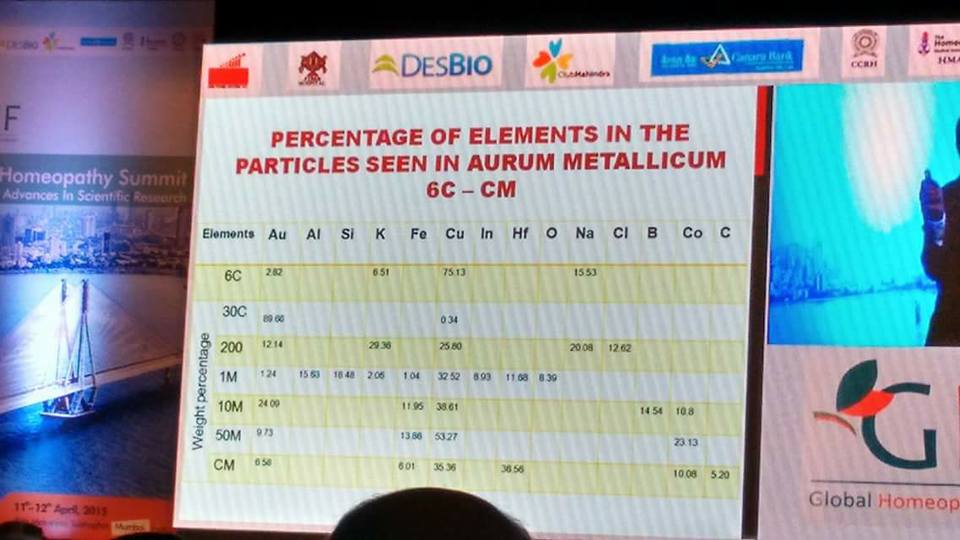
  • Exploring The Aphorisms of ORGANON With a Scientific Perspective- Concepts of Vital Force and Dynamic Energy

    In Aphorisms 9 to 16 hahnemann explains his VITAL FORCE THEORY, which is actually a reassertion of unscientific philosophy of DYNAMISM that was a strong intellectual presence during his period. This part of ORGANON contributes much in making homeopathy incompatible with modern scientific knowledge, and it seems to be the greatest stumbling block in our efforts of making homeopathy a MEDICAL SCIENCE. This part of organon reflects the most primitive state of scientific knowledge that existed during hahnemann’s period. There is no doubt, if master had lived a few years later, he would have completely avoided this part from organon. In my opinion, these most unscientific aphorisms should be bracketed from new editions of organon being taught in our colleges, classifying it as only of historical interest. They should be replaced and updated with NEW scientific understanding of life, disease and cure, based on modern biochemistry and advanced life sciences.

    For a scientific-minded person, there nothing to be seriously debated or argued in the ‘vital force theory’ in ORGANON, other than noting its historical premises and moved away into the archives.

    READ Organon : Aphorism 9:

    “In the healthy condition of man, the spiritual vital force (autocracy), the dynamis that animates the material body (organism), rules with unbounded sway, and retains all the parts of the organism in admirable, harmonious, vital operation, as regards both sensations and functions, so that our indwelling, reason-gifted mind can freely employ this living, healthy instrument for the higher purpose of our existence.”

    My comments:

    According to hahnemann, vital force is a ‘dynamis’ that ‘animates’ and ‘rules’ the ‘material body’. It is this vital force that “retains all the parts of the organism in admirable, harmonious, vital operation, as regards both sensations and functions”. As per this view, “material body” is only an “instrument” of “indwelling, reason-gifted mind”.

    Hahnemann seems to think that the role of “material body” is limited to obeying the “rule” of vital force and act as an “instrument” of mind. He do not consider the molecular level structure, organization and chemical properties of the complex biological molecules constituting the ‘material body’ to play a role in the evolution of the phenomena he call ‘vital force’. He failed to understand that a ‘vital force’ cannot ‘animate’ a NON-LIVING ‘material body’ irrespective of its molecular level structure, organization and chemical properties? Actually, it is the STRUCTURE, ORGANIZATION and CHEMICAL PROPERTIES of complex biological molecules in the organism that initiate the MOLECULAR INTERACTIONS of ‘vital processes’ hahnemann call “vital force”. It is obvious that VITAL FORCE theory perceives biological processes upside down! At least, hahnemann should have noticed that this “all powerful” VITAL FORCE cannot “animate” MATERIAL BODIES if they have no a molecular level structure appropriate for the complex biological interactions constituting the vital processes.

    Organon : Aphorism 10 : Sixth Edition:

    “The material organism, without the vital force, is capable of no sensation, no function, no self-preservation1, it derives all sensation and performs all the functions of life solely by means of the immaterial being (the vital principle) which animates the material organism in health and in disease.

    Foot notes:- It is dead, and only subject to the power of the external physical world; it decays, and is again resolved into its chemical constituents.”

    My comments:

    The most relevant question is, can this “immaterial” vital force ‘animate’ a metal body, a stone or a piece of wood and convert them into LIVING organisms, and give them ‘sensations’? Why vital force is capable of “animating” ONLY “material bodies” having a peculiar molecular structure and organization?

    No ‘vital force’ can ‘animate’ a dead organism and bring it back to life, once the biochemical processes essential for normal vital functions are stopped and biological molecules are disorganized. All the functions you consider as vital force are seen only in highly organized organism constituted by complex biological molecules. It is the molecular level structure and organization of biological molecules and their interactions that impart properties of life to a ‘material body’. Vital force cannot animate a ‘material object’ in the absence of biological chemical molecules.

    Organon : Aphorism 11 : Sixth Edition:

    “When a person falls ill, it is only this spiritual, self acting (automatic) vital force, everywhere present in his organism, that is primarily deranged by the dynamic1 influence upon it of a morbific agent inimical to life; it is only the vital force, deranged to such an abnormal state, that can furnish the organism with its disagreeable sensations, and incline it to the irregular processes which we call disease; for, as a power invisible in itself, and only cognizable by its effects on the organism, its morbid derangement only makes itself known by the manifestation of disease in the sensations and functions of those parts of the organism exposed to the senses of the observer and physician, that is, by morbid symptoms, and in no other way can it make itself known.

    Foot notes:- What is dynamic influence, – dynamic power? Our earth, by virtue of a hidden invisible energy, carries the moon around her in twenty-eight days and several hours, and the moon alternately, in definite fixed hours (deducting certain differences which occur with the full and new moon) raises our northern seas to flood tide and again correspondingly lowers them to ebb. Apparently this takes place not through material agencies, not through mechanical contrivances, as are used for products of human labor; and so we see numerous other events about us as results of the action of one substance on another substance without being able to recognize a sensible connection between cause and effect. Only the cultured, practised in comparison and deduction, can form for himself a kind of supra-sensual idea sufficient to keep all that is material or mechanical in his thoughts from such concepts. He calls such effects dynamic, virtual, that is, such as result from absolute, specific, pure energy and action of the one substance upon the other substance.

    For instance, the dynamic effect of the sick-making influences upon healthy man, as well as the dynamic energy of the medicines upon the principle of life in the restoration of health is nothing else than infection and so not in any way material, not in any way mechanical. Just as the energy of a magnet attracting a piece of iron or steel is not material, not mechanical. One sees that the piece of iron is attracted by one pole of the magnet, but how it is done is not seen. This invisible energy of the magnet does not require mechanical (material) auxiliary means,

    hook or lever, to attract the iron. The magnet draws to itself and this acts upon the piece of iron or upon a steel needle by means of a purely immaterial invisible, conceptual, inherent energy, that is, dynamically, and communicates to the steel needle the magnetic energy equally invisibly (dynamically). The steel needle becomes itself magnetic, even at a distance when the magnet does not touch it, and magnetises other steel needles with the same magnetic property (dynamically) with which it had been endowered previously by the magnetic rod, just as a child with small-pox or measles communicates to a near, untouched healthy child in an invisible manner (dynamically) the small-pox or measles, that is, infects it at a distance without anything material from the infective child going or capable of going to the one to be infected. A purely specific conceptual influence communicated to the near child small-pox or measles in the same way as the magnet communicated to the near needle the magnetic property.

    In a similar way, the effect of medicines upon living man is to be judged. Substances, which are used as medicines, are medicines only in so far as they possess each its own specific energy to alter the well-being of man through dynamic, conceptual influence, by means of the living sensory fibre, upon the conceptual controlling principle of life. The medicinal property of those material substances which we call medicines proper, relates only to their energy to call out alterations in the well-being of animal life. Only upon this conceptual principle of life, depends their medicinal health-altering, conceptual (dynamic) influence. Just as the nearness of a magnetic pole can communicate only magnetic energy to the steel (namely, by a kind of infection) but cannot commu nicate other properties (for instance, more hardness or ductility, etc.). And thus every special medicinal substance alters through a kind of infection, that well-being of man in a peculiar manner exclusively its own and not in a manner peculiar to another medicine, as certainly as the nearness of the child ill with small-pox will communicate to a healthy child only small-pox and not measles.

    These medicines act upon our well-being wholly without communication of material parts of the medicinal substances, thus dynamically, as if through infection. Far more healing energy is expressed in a case in point by the smallest dose of the best dynamized medicines, in which there can be, according to calculation, only so little of material substance that its minuteness cannot be thought and conceived by the best arithmetical mind, than by large doses of the same medicine in substance.

    That smallest dose can therefore contain almost entirely only the pure, freely-developed, conceptual medicinal energy, and bring about only dynamically such great effects as can never be reached by the crude medicinal substances itself taken in large doses.

    It is not in the corporal atoms of these highly dynamized medicines, nor their physical or mathematical surfaces (with which the higher energies of the dynamized medicines are being interpreted but vainly as still sufficiently material) that the medicinal energy is found. More likely, there lies invisible in the moistened globule or in its solution, an unveiled, liberated, specific, medicinal force contained in the medicinal substance which acts dynamically by contact with the living animal fibre upon the whole organism (without communicating to it anything material however highly attenuated) and acts more strongly the more free and more immaterial the energy has become through the dynamization.

    Is it then so utterly impossible for our age celebrated for its wealth in clear thinkers to think of dynamic energy as something non-corporeal, since we see daily phenomena which cannot be explained in any other manner?

    If one looks upon something nauseous and becomes inclined to vomit, did a material emetic come into his stomach which compels him to this anti-peristaltic movement? Was it not solely the dynamic effect of the nauseating aspect upon his imagination? And if one raises his arm, does it occur through a material visible instrument? a lever? Is it not solely the conceptual dynamic energy of his will which raises it?”

    My Comments:

    Listen to this statement, which amounts to a confession by Hahnemann: “think of dynamic energy as something non-corporeal, since we see daily phenomena which cannot be explained in any other manner”. That clearly explains how Hahnemann happened to “think of dynamic energy as something non-corporeal” It was only “since we see daily phenomena which cannot be explained in any other manner”! He was compelled to explain homeopathy using concepts of “dynamic energy” and “vital force”, only because he could not explain the phenomena of cure he observed, using “any other manner”! This statement constitutes a great historical truth.

    In my opinion, foot note of aphorism 11 is a severe self-insult Hahnemann inflicted upon his own credibility, as it contains a lot of most irrational and unscientific statements that reflects the limitations of scientific knowledge available to him.

    Please read carefully the following statements I quoted from this most unscientific and most unwanted foot-note:

    “Our earth, by virtue of a hidden invisible energy, carries the moon around her”

    “moon raises our northern seas to flood tide and again correspondingly lowers them to ebb by a hidden invisible energy”

    “we see numerous other events about us as results of the action of one substance on another substance without being able to recognize a sensible connection between cause and effect.”

    “calls such effects dynamic, virtual, that is, such as result from absolute, specific, pure energy and action of the one substance upon the other substance.”

    “For instance, the dynamic effect of the sick-making influences upon healthy man, as well as the dynamic energy of the medicines upon the principle of life in the restoration of health is nothing else than infection and so not in any way material, not in any way mechanical. “

    “the energy of a magnet attracting a piece of iron or steel is not material, not mechanical.”

    “the piece of iron is attracted by one pole of the magnet, but how it is done is not seen.”

    “The magnet draws to itself and this acts upon the piece of iron or upon a steel needle by means of a purely immaterial invisible, conceptual, inherent energy, that is, dynamically, and communicates to the steel needle the magnetic energy equally invisibly (dynamically).”

    “a child with small-pox or measles communicates to a near, untouched healthy child in an invisible manner (dynamically) the small-pox or measles, that is, infects it at a distance without anything material from the infective child going or capable of going to the one to be infected. A purely specific conceptual influence communicated to the near child small-pox or measles in the same way as the magnet communicated to the near needle the magnetic property.”

    “Substances, which are used as medicines, are medicines only in so far as they possess each its own specific energy to alter the well-being of man through dynamic, conceptual influence, by means of the living sensory fibre, upon the conceptual controlling principle of life “

    “The medicinal property of those material substances which we call medicines proper, relates only to their energy to call out alterations in the well-being of animal life.”

    “Only upon this conceptual principle of life, depends their medicinal health-altering, conceptual (dynamic) influence, just as the nearness of a magnetic pole can communicate only magnetic energy to the steel, namely, by a kind of infection.”

    “every special medicinal substance alters through a kind of infection, that well-being of man in a peculiar manner exclusively its own and not in a manner peculiar to another medicine, as certainly as the nearness of the child ill with small-pox will communicate to a healthy child only small-pox and not measles. “

    “These medicines act upon our well-being wholly without communication of material parts of the medicinal substances, thus dynamically, as if through infection”

    “That smallest dose can therefore contain almost entirely only the pure, freely-developed, conceptual medicinal energy, and bring about only dynamically such great effects as can never be reached by the crude medicinal substances itself taken in large doses”

    “It is not in the corporal atoms of these highly dynamized medicines, nor their physical or mathematical surfaces that the medicinal energy is found. “

    “there lies invisible in the moistened globule or in its solution, an unveiled, liberated, specific, medicinal force contained in the medicinal substance which acts dynamically by contact with the living animal fibre upon the whole organism (without communicating to it anything material however highly attenuated) and acts more strongly the more free and more immaterial the energy has become through the dynamization.”

    “If one looks upon something nauseous and becomes inclined to vomit, did a material emetic come into his stomach which compels him to this anti-peristaltic movement? Was it not solely the dynamic effect of the nauseating aspect upon his imagination?”

    “And if one raises his arm, does it occur through a material visible instrument? a lever? Is it not solely the conceptual dynamic energy of his will which raises it?”

    IF YOU READ ALL THESE SENTENCES I QUOTED FROM ABOVE FOOT NOTE, YOU WILL REALIZE WHY I CONSIDER THIS FOOT NOTE AS A SELF-INFLICTED INSULT UP ON CREDENTIALS OF OUR MASTER.

    Organon : Aphorism 12 : Sixth Edition:

    “It is the morbidly affected vital energy alone that produces disease, so that the morbid phenomena perceptible to our senses express at the same time all the internal change, that is to say, the whole morbid derangement of the internal dynamis; in a word, they reveal the whole disease; consequently, also, the disappearance under treatment of all the morbid phenomena and of all the morbid alterations that differ from the healthy vital operations, certainly affects and necessarily implies the restoration of the integrity of the vital force and, therefore, the recovered health of the whole organism.

    Foot notes:- How the vital force causes the organism to display morbid phenomena, that is, how it produces disease, it would be of no practical utility to the physician to know, and will forever remain concealed from him; only what it is necessary for him to know of the disease and what is fully sufficient for enabling him to cure it, has the Lord of life revealed to his senses”

    My Comments:

    Regarding the question “how vital force causes disease”, Hahnemann declares “it would be of no practical utility to the physician to know, and will forever remain concealed”. Up on god, he says the physician should try to know only “what it is necessary for him to know of the disease and what is fully sufficient for enabling him to cure it”! Lazy and dogmatic homeopaths love to quote this statement frequently to cover up their inability to answer “how homeopathy works”. According to them, our master has eternally forbidden us from asking such questions!

    Organon : Aphorism 13:

    “Therefore disease (that does not come within the province of manual surgery) considered, as it is by the allopathists, as a thing separate from the living whole, from the organism and its animating vital force, and hidden in the interior, be it ever so subtle a character, is an absurdity, that could only be imagined by minds of a materialistic stamp, and has for thousands of years given to the prevailing system of medicine all those pernicious impulses that have made it a truly mischievous (non-healing) art.”

    My comments:

    Hahnemann considers asking questions about the inner processes of disease is an “absurdity” “imagined by minds of a materialistic stamp”, and it is this “materialistic mind” that made “the prevailing system of medicine” “a truly mischievous (non-healing) art.”

    Organon : Aphorism 14 : Sixth Edition:

    “There is, in the interior of man, nothing morbid that is curable and no invisible morbid alteration that is curable which does not make itself known to the accurately observing physicians by means of morbid signs and symptoms – an arrangement in perfect conformity with the infinite goodness of the all-wise Preserver of human life.”

    My comments:

    “”There is, in the interior of man, nothing morbid that is curable and no invisible morbid alteration that is curable which does not make itself known to the accurately observing physicians by means of morbid signs and symptoms”- It is a correct statement even valid from modern scientific point of view, even if we discard the vitalistic interpretations of Hahnemann.

    Organon : Aphorism 15 : Sixth Edition:

    “The affection of the morbidly deranged, spirit-like dynamis (vital force) that animates our body in the invisible interior, and the totality of the outwardly cognizable symptoms produced by it in the organism and representing the existing malady, constitute a whole; they are one and the same. The organism is indeed the material instrument of the life, but it is not conceivable without the animation imparted to it by the instinctively perceiving and regulating dynamis, just as the vital force is not conceivable without the organism, consequently the two together constitute a unity, although in thought our mind separates this unity into two distinct conceptions for the sake of easy comprehension.”

    My comments:

    I would suggest to modify this aphorism as follows: “”The affection of the morbidly deranged molecular level vital processes, and the totality of the outwardly cognizable symptoms produced by it in the organism and representing the existing malady, constitute a whole; they are one and the same. The molecular processes in the organism are indeed the material basis of the phenomenon life.

    Homeopathy can exist even without vital force theory. Actually, it becomes more rational and scientific by replacing the concept of ‘vital force’ with modern scientific understanding of ‘molecular level biochemical vital processes’.

    Organon : Aphorism 16 : Sixth Edition:

    “Our vital force, as a spirit-like dynamis, cannot be attacked and affected by injurious influences on the healthy organism caused by the external inimical forces that disturb the harmonious play of life, otherwise than in a spirit-like (dynamic) way, and in like manner, all such morbid derangements (diseases) cannot be removed from it by the physician in any other way than by the spirit-like (dynamic1, virtual) alterative powers of the serviceable medicines acting upon our spirit-like vital force, which perceives them through the medium of the sentient faculty of the nerves everywhere present in the organism, so that it is only by their dynamic action on the vital force that remedies are able to re-establish and do actually re-establish health and vital harmony, after the changes in the health of the patient cognizable by our senses (the totality of the symptoms) have revealed the disease to the carefully observing and investigating physician as fully as was requisite in order to enable him to cure it.

    Foot notes:- Most severe disease may be produced by sufficient disturbance of the vital force through the imagination and also cured by the same means.”

    My Comments:

    Hahnemann says: “alterative powers of the serviceable medicines acting upon our spirit-like vital force, which perceives them through the medium of the sentient faculty of the nerves everywhere present in the organism”. According to this view, homeopathic potentized drugs act through “sentient nerves”. But research works proved otherwise. Researchers have proved that potentized drugs act even up on in vitro biological samples which do not contain any ‘sentient nerves’ or nerve cells. There are enough scientific evidences now to prove that potentized drugs act up on biological molecules- not merely ‘sentient nerves’.

    Hahnemann’s statement “disease may be produced by sufficient disturbance of the vital force through the imagination and also cured by the same means” actually explains the phenomena of so-called psychosomatic diseases, which are well explained by biochemistry, without any involvement of vital force theory. According to scientific view, “imaginations’ and “emotoions” are not “non-material” What we call ‘emotions’ and ‘sensations’ are actually very complex biochemical processes happening in our brain. There is nothing ‘immaterial’ in ‘emotions’ and other mental processes. During those biochemical processes, different types of chemical molecules are synthesized and utilized by the central nervous system, such as hormones, cytokines, neuro-mediators and neurotransmitters etc. What we call ‘bad effects’ of emotions are actually the delayed, off-target or rebound chemical actions of these biochemical molecules. Biochemistry can explain such phenomena without any involvement of any ‘immaterial’ or ‘dynamic’ vital force.

  • Role of PEPSINUM 30 in the Treatment of  Gastric  Ulcers, Gastritis, Esophagitis, Deep Ulcers of Buccal Cavity, Esophgeal Carcinoma Etc.

    Pepsin is a protein-degrading or proteolytic enzyme in the digestive system. Pepsin is released by the cells in the stomach. This enzyme degrades food proteins into peptides to facilitate absorption. Pepsin is a digestive protease, a member of the aspartate protease family. During the process of digestion, pepsin severs the links between particular types of amino acids, collaborate to break down dietary proteins into their components, i.e., peptides and amino acids, which can be readily absorbed by the intestinal lining. Pepsin is most efficient in cleaving peptide bonds between hydrophobic and preferably aromatic amino acids such as phenylalanine, tryptophan, and tyrosine.

    Pepsin is expressed as a pro-form zymogen, pepsinogen, whose primary structure has an additional 44 amino acids. In the stomach, chief cells release pepsinogen. This zymogen is activated by hydrochloric acid (HCl), which is released from parietal cells in the stomach lining. The hormone gastrin and the vagus nerve trigger the release of both pepsinogen and HCl from the stomach lining when food is ingested. Hydrochloric acid creates an acidic environment, which allows pepsinogen to unfold and cleave itself in an autocatalytic fashion, thereby generating pepsin (the active form). Pepsin cleaves the 44 amino acids from pepsinogen to create more pepsin.

    Pepsin is most active in acidic environments between 37°C and 42°C. Accordingly, its primary site of synthesis and activity is in the stomach (pH 1.5 to 2). Pepsin exhibits maximal activity at pH 2.0 and is inactive at pH 6.5 and above, however pepsin is not fully denatured or irreversibly inactivated until pH 8.0. The stability of pepsin at high pH has significant implications on disease attributed to laryngopharyngeal reflux. Pepsin remains in the larynx following a gastric reflux event. At the mean pH of the laryngopharynx pH = 6.8 pepsin would be inactive but could be reactivated upon subsequent acid reflux events resulting in damage to local tissues.

    Pepsin is one of the primary causes of mucosal damage during laryngopharyngeal reflux.  Pepsin remains in the larynx pH 6.8 following a gastric reflux event. While enzymatically inactive in this environment, pepsin would remain stable and could be reactivated upon subsequent acid reflux events. Exposure of laryngeal mucosa to enzymatically active pepsin, but not irreversibly inactivated pepsin or acid, results in reduced expression of protective proteins and thereby increases laryngeal susceptibility to damage.

    Pepsin may also cause mucosal damage during weakly acidic or non-acid gastric reflux. Weak or non-acid reflux is correlated with reflux symptoms and mucosal injury. Under non-acid conditions (neutral pH), pepsin is internalized by cells of the upper airways such as the larynx and hypopharynx by a process known as receptor-mediated endocytosis.  Upon cellular uptake, pepsin is stored in intracellular vesicles of low pH at which its enzymatic activity would be restored. Pepsin is retained within the cell for up to 24 hours. Such exposure to pepsin at neutral pH and endoyctosis of pepsin causes changes in gene expression associated with inflammation, which underlies signs and symptoms of reflux, and tumor progression. This and other research implicates pepsin in carcinogenesis attributed to gastric reflux.

    Pepsin is found in the saliva of persons suffering from gastro-esophageal reflux, which causes persistent corroding of buccal mucosa, leading to deep ulcers of mouth cavity.

    Commercial pepsin is extracted from the glandular layer of hog stomachs. It is a component of rennet used to curdle milk during the manufacture of cheese. Pepsin is used for a variety of applications in food manufacturing: to modify and provide whipping qualities to soy protein and gelatin, to modify vegetable proteins for use in nondairy snack items, to make precooked cereals into instant hot cereals, and to prepare animal and vegetable protein hydrolysates for use in flavoring foods and beverages. It is used in the leather industry to remove hair and residual tissue from hides and in the recovery of silver from discarded photographic films by digesting the gelatin layer that holds the silver. Pepsin was historically an additive of  chewing gum. It also gave name to Pepsi-Cola, originally formulated with pepsin and cola nuts.

    PEPSINUM is the homeopathic preparation prepared by potentizing PEPSIN. In potentized forms, it contains MOLECULAR IMPRINTS of pepsin molecules. Potentized PEPSINUM above 12C could be used in the treatment of GERD, to heal the mucosal damage caused laryngopharyngeal reflux. It  is also useful in the treatment of gastric ulcers, esophagitis, esophageal ulcerations and strictures, esophageal and laryngeal carcinoma etc.

    Personally, I have regularly used PEPSINUM 30 successfully in the treatment of GASTRITIS, GASTRIC ULCER and ESOPHAGITIS and deep ulcers of buccal cavity.

  • Australian NHMRC Report On Homeopathy- A Report Sponsored By The People Who Conspire Against Homeopathy !

    While attacking homeopathy on social media platforms, we hear most skeptics frequently referring to a particular document called NHMRC report as an authoritative sacred evidence for their argument that homeopathy has no right to exist as a medical system. 

    I have just in front of me that ‘NHMRC INFORMATION PAPER- Evidence on the effectiveness of homeopathy for treating health conditions’ published in March 2015 by National Health and Medical Research Council, Australia, claimed to be published after an elaborate study of all published materials about homeopathy. (http://www.nhmrc.gov.au/_files_nhmrc/publications/attachments/cam02a_information_paper.pdf ). I have been studying it minutely for the last few days, along with all its appended documents.

    It is really terrifying to see how ‘scientific method’ and its ‘golden rules’ are misused by powerful people to crush simple truth of homeopathy, and to shield their vested anti-people business interests in healthcare industry. It is disheartening to see how the respected ‘men of science’ and ‘democratic rulers’ have turned mere puppets of global healthcare corporate kings and greedy big pharma giants. I am totally shattered to witness this dark ‘other side’ of science and democracy which I cherished so much all my life.

    Learned NHMRC ‘hired’ pundits have given their final verdict of homeopathy in this ‘Information Paper’: “Homeopathy is Good for Nothing!” It is “Nothing better than Placebo!” Homeopathy should not exist!

    NHMRC report concludes that there is no reliable evidence from research in humans that homeopathy is effective for treating the range of health conditions considered. There were no health conditions for which there was reliable evidence that homeopathy was effective. According to them, Homeopathy should not be used to treat health conditions that are chronic, serious, or could become serious. It is warned that people who choose homeopathy may put their health at risk if they reject or delay treatments for which there is good evidence for safety and effectiveness.

    According to the NHMRC, some studies reported that homeopathy was more effective than placebo, or as effective as another treatment, but they rejects such positive reports saying that those studies were not reliable, and declared that, be confident that the reported health benefits of homeopathy were not just due to chance or the placebo effect, they would need to be confirmed by other well-designed studies with an adequate number of participants. Report further says that for health conditions it was not possible to make any conclusion about whether homeopathy was effective or not, because there was not enough evidence.”

    It is obvious that even after a lot of biased intellectual exercises, NHRMC could not rule out homeopathy completely. Only thing they could say is that positive effects of homeopathy “would need to be confirmed by other well-designed studies with an adequate number of participants”, and that “it was not possible to make any conclusion about whether homeopathy was effective or not, because there was no enough evidence.” Our sceptic friends conveniently ignore these pieces of observations in NHMRC report!

    After going through the NHMRC Information Paper as well as the appended documents carefully, I feel that NHMRC showed some sort of undue haste in arriving at such a totally negative conclusion regarding the effectiveness of homeopathy. They seem to be more inclined towards ‘excluding’ materials and evidences rather than evaluating them, and declare all seemingly positive evidences as “inconclusive” and “unreliable”. This hurry sparks doubts in the minds of impartial observers regarding the real goal of this project. Important question is, is it appropriate for scientific method to utilize ‘lack of sufficient evidence’ as an ‘evidence against’ homeopathy? Did NHMRC ‘search for truth of homeopathy’, or search for ‘evidences against homeopathy’?

    Before advancing further with this critique, we have to know the people who worked behind this ‘Information Paper’, and their real objectives in taking up a work of this type, that may have catastrophic effects up on a low-cost medical system currently accepted by millions of people around the world for their day to day health care requirements. It is very serious, since the ‘paper’ recommends that “homeopathy should not be used to treat health conditions”! It is so serious that recommendations made in this paper may be utilized by interested parties to undermine even the very existence of homeopathy as a system of medical practice. Before declaring homeopathy is ineffective, NHMRC should have conducted some well designed studies and researches of their own, instead of arriving at hasty conclusions from assessments of already ‘published materials’ only, that too by hired ‘contractors’. I wonder what held them back from doing this, if they were really dedicated to finding out truth in the common interest of the society! At least in the interest of finding truth, they could have concluded their report by recommending the scientific community to undertake serious research works on homeopathy, since all the works so far done were found to be ‘methodologically flawed’, ‘unreliable’ and ‘inconclusive’! NHMRC introduced themselves as follows: “NHMRC is Australia’s peak body for supporting health and medical research by funding the best research, selected through a competitive peer review process. 

    NHMRC also develops health advice for the Australian community, health professionals and governments in the form of public health and clinical practice guidelines, Statements, Information Papers and evidence reviews. NHMRC also provides advice on ethical behavior in health care and in the conduct of health and medical research. The work of NHMRC is guided by its Strategic Plan, and defined by the National Health and Medical Research Council (NHMRC) Act 1992. The Strategic Plan covers a three year period and is submitted to the Health Minster for approval, prior to being tabled in Parliament. The NHMRC Strategic Plan 2013–2015 has identified ‘claiming benefit for human health not based on evidence’ as a major health issue for consideration.”

    According to them, “this Information Paper is an example of NHMRC’s function to ‘advise the community’ under section 7(1)(a) of the NHMRC Act 1992. Published research on a topic of interest has been identified, analyzed and synthesized into a summary of the evidence for the Australian community, health professionals and policy makers. This information can then be utilized to assist people in making healthcare choices, guide clinical practice or influence policy and perhaps new funding approaches, all of which lead to improvements in health and health care delivery. Within our health system, there are practices which are currently not based on sturdy evidence. Health and medical research is the means by which we test the value of procedures, processes, systems and products offered to patients, or proposed as preventive means by the health system and its policy and decision makers.

    NHMRC is a strong advocate for the development and use of evidence to inform policy and practice and in recent years, NHMRC and other health research funding bodies have increased funding for such research. NHMRC is of the view that when offering treatments for illness, all registered health practitioners must give consideration to the evidence for the effectiveness of such treatments. This consideration should be reflected in their professional ethics and clinical practices.”

    According to the NHMRC, the current ‘Information Paper’ is the outcome of their assessment of the evidence of the effectiveness of homeopathy, based on: a) an overview of published systematic reviews by an independent contractor, b) an independent evaluation of information provided by homeopathy interest groups and the public, and, c) consideration of clinical practice guidelines and government reports on homeopathy published in other countries. Kindly do not misunderstand, NHMRC did not conduct any research by themselves about homeopathy that led them to a judgment. It was only an “assessment” based on available published materials, as reviewed by “independent contractor”.
    Why did NHMRC conduct such an ‘assessment’ of homeopathy? Listen what they say: “NHMRC is responsible for supporting health and medical research as well as providing Australians with advice based on best available evidence. This advice assists people in making informed decisions about their health care. This includes providing advice about the use of conventional therapies, as well as complementary and alternative medicines or traditional practices which, despite their longstanding history of use, may not have been demonstrated to be effective.

    Many health care practices and products are promoted as beneficial to health when there is little or no evidence to support these claims. In some cases these claims may mislead people to reject practices and treatments that are proven to be effective, in favor of non-evidence-based treatments. People who use homeopathy need to understand the potential benefits and risks to enable them to make an informed decision. Health practitioners also need to know what homeopathy is, be aware of the current scientific evidence from research on homeopathy, and understand any possible benefits and risks to patients—particularly when people decide to use homeopathy instead of other evidence-based treatments. For these reasons, NHMRC undertook an assessment of the evidence to provide Australians with reliable information on the effectiveness of homeopathy”.

    I repeat my question once again: Why NHMRC did not conduct some well designed studies and researches of their own regarding the effectiveness of homeopathy, instead of arriving at hasty conclusions from assessments of already ‘published materials’ only, knowing well that they are ‘unreliable’ due to flawed methodology, that too by hired ‘contractors’? What held them back from taking up this most important task, if they were really dedicated to finding out truth in the common interest of the society! Why a responsible body such as NHMRC could not hire a team to conduct such a research work strictly following the scientific methodology, so that ‘reliable’ and ‘conclusive’ output is ensured? If people at NHMRC were genuinely interested to know whether homeopathy works or not, it would have been the easiest way for them, rather than searching for ‘unreliable’ databases!

    Only imaginable reason is, NHMRC actually wanted to build a defenceless case against homeopathy, rather than finding out the truth! It was their only goal mandated by their bosses- nothing else!

    This work was overseen by the ‘Homeopathy Working Committee’ established by the NHMRC. This working committee “gave their collective expertise in evidence-based medicine, study design, and complementary and alternative medicine research. Homeopathy Working Committee also provided advice on how the evidence should be interpreted in developing an Information Paper.”
    It is very crucial to know who were the “experts” that constituted this “homeopathic working committee”, who “provided advice on how the evidence should be interpreted in developing a Information Paper” on this very important topic. Were there any homeopathy expert included in this “homeopathy working committee”?

    Let us see the list of Committee members and their credentials given in the Information Paper:1. Professor Paul Glasziou, MBBS, PhD, FRACGP, General practitioner Professor and Director of the Centre for Research into EvidenceBased Practice, Bond University, Queensland Expert in evidence-based medicine.
    2. Professor Peter Brooks, AM, MBBS, MD (Lund), FRACP, FAFRM, FAFPHM, MDHonCausa, FRCP (Glas, Edin), Rheumatologist Director of the Australian Health Workforce Institute, University of Melbourne, Victoria (to September 2013) Executive Director Research, Northern Hospital, Epping, Victoria Former board member, Australian Centre for Complementary Medicine Education and Research, University of Queensland.

    3. Professor Frederick Mendelsohn, AO, MB BS, PhD, MD, FRACP Neuroscientist Former Chair in Medicine and Director of the Howard Florey Institute, University of Melbourne, Victoria.

    4. Mr John Stubbs, BA, DipAcct Consumer Executive Officer, canSpeak Honorary Associate, School of Medicine, University of Sydney, New South Wales Member, Australian Health Ethics Committee, NHMRC Member, Consumer Consultative Group, NHMRC.

    5. Associate Professor Evelin Tiralongo, BPharm(Hons), PhD, GradCertHigherEd Pharmacist Discipline head for complementary medicine teaching and research, School of Pharmacy and Griffith Health Institute, Griffith University, Gold Coast, Queensland Member, Clinical Trials Coordinating Centre, Griffith University Member, Society for Medicinal Plant and Natural Product Research.

    6. Dr Nikolajs Zeps, BSc(Hons), PhD Research scientist Director, St John of God Subiaco Hospital Research network Adjunct Professor School of Health Sciences, Curtin University Adjunct Professor, Centre for Comparative Genomics, Murdoch University Adjunct Associate Professor, School of Surgery and School of Pathology and Laboratory Medicine, University of Western Australia Adjunct Associate Professor, Faculty of Medicine, University of Notre Dame, Western Australia Founding Director, Australian Clinical Trials Alliance Member, Research Committee, NHMRC Member, Australian Health Ethics Committee, NHMRC: Triennium 2010–2012.

    7. Professor Chris Baggoley, AO, BVSc(Hons), MBBS, BSocAdmin, FACEM, FIFEM , Australian Government Chief Medical Officer.

    It is wonderful to note that out of these SEVEN ‘experts’, nobody belongs to the homeopathic community, or claims to have any ‘expertise’ or ‘knowledge’ about homeopathy. All of them belong to modern medical community, who represent a community having known ‘prejudices’ and ‘biases’ against homeopathy. Yet, the committee is called ‘Homeopathic Working Committee’! It is really a big fun to hear calling a body of ‘anti-homeopathic experts’ as ‘Homeopathic Working Committee! If their intentions were genuine, NHMRC should have included in this committee a couple of persons having expertise in homeopathy also, at least to give them a say and prove that there is no bias against homeopathy. Anti-homeopathic goal of NHMRC in taking up this task of ‘assessing’ homeopathy is evident from the constitution of this working committee itself.

    Let us come to the methodological aspects of NHMRC ‘assessment’. It is consented that the assessment was based on “an overview of published systematic reviews by an independent contractor”. That means, it was that “independent contractor” who conducted the “overview of published systematic reviews” that led to the publication of this ‘Information Paper’.
    NHMRC mentions in their ‘paper’ that they commissioned a professional research group Optum Insight (Optum) to do a thorough search of published research to find systematic reviews of studies (prospective, controlled studies) that compared homeopathy with no homeopathy or with other treatments and measured effectiveness in patients with any health condition. That means, OPTUM is the “independent contractor”.

    Our study of NHMRC ‘Information Paper’ and their conclusions will not be complete unless we know the people behind OPTUM, whom NHMRC hired as “impartial contractors” to do the whole work. Then only you will understand that it is not an issue of ‘prejudice’ and ‘skeptic bias’, but a pre-planned, state-mediated, well financed, global conspiracy against homeopathy, sponsored by international pharmaceutical lobbies. OPTUM is not “impartial contractors” or “hired researchers” as NHMRC tries to make out, but the real players with their own vested interests, who conducted and orchestrated the whole event for their powerful patrons in the big pharma and healthcare industry.

    OPTUM introduces themselves in their website as a “health services and innovation company on a mission, with 94,000 people dedicated to improving the health system for everyone in it, powering MODERN HEALTHCARE by combining data and analytics with technology and expertise”. Visit http://www.optum.com to know the real role and stakes of this giant in global modern health care business. OPTUM is a leading information and technology-enabled corporate health services business house with diverse interests and different areas of health care industry, including drug development, clinical trials, pharmaceuticals as well as medical insurance. They also run their own pharma industry house known as ‘OptumRx’. OPTUM has a colossal presence in different spheres of international health care industry, mostly interested in eradicating all complementary medical systems including HOMEOPATHY, which may pose threat to their big pharma interests.

    Now the picture is very clear. OPTUM is not “impartial contractors” or ‘job workers’ hired by NRHMC, but the executors of a global scale health industry conspiracy to “finish” HOMEOPATHY. Entrusting a team of anti-homeopathic experts as well as OPTUM for making “assessment” regarding effectiveness of homeopathy was actually like appointing jackals as the caretakers of chickens!

    The researchers of OPTUM searched databases of health publications to find systematic reviews published in English between 1 January 1997 and 3 January 2013. For each health condition, the research group collated the findings of the systematic reviews and assessed the quality and reliability of the evidence. The findings are described in detail in the Overview Report. The purpose of this approach was to use published systematic reviews as a way of identifying the body of evidence for homeopathic treatments. The professional research group of OPTUM did not accept the conclusions or interpretations of the systematic reviews, but instead considered the included studies. The professional research group evaluated the quality of each of the included studies, using the information provided by the systematic reviews.

    Additional information was submitted by homeopathy interest groups and the public to NHMRC, for its consideration as a part of its review of homeopathy, on two occasions. The preliminary submitted literature on the effectiveness of homeopathy was provided by the Australian Homoeopathy Association and the Australian Medical Fellowship of Homeopathy as well as members of the public. During public consultation on the draft Information Paper, a range of stakeholders submitted 12 additional literature for consideration in the development of this Information Paper .

    All submitted literature was assessed by OPTUM researchers to identify evidence within the scope of NHMRC’s assessment. Only the types of studies that were included in the overview (prospective, controlled studies) were assessed in detail. For each study included, OPTUM assessed the quality and reliability of the results and summarized the findings in a review of submitted literature. This evidence was considered when preparing this Information Paper.

    If you go though the whole report, you will see how effectively and professionally OPTUM has done the work they were entrusted to do. Final outcome was pre-determined, and all “assessments” were aimed at that goal. Entrusting OPTUM as well as experts of anti-homeopathic professional interests for the ‘assessment’ of effectiveness homeopathy has actually proved to be like appointing ‘jackals’ as the caretakers of ‘chicken’!

    See how the OPTUM researchers dealt with the 343 articles submitted by homeopathy interest groups and individuals and produced a BIG ZERO from them: “A total of 343 articles were submitted to NHMRC, of which a large majority (234) were of a research or publication type not meeting the inclusion criteria. A further 79 articles had already been included or considered in the Overview Report. On considering the remaining 30 articles, studies were excluded if they: covered an intervention not meeting the inclusion criteria; were of a research type not meeting the inclusion criteria; did not report on efficacy outcomes; the study design confounded the results; or were not published in English. This resulted in nine studies examining the effectiveness of homeopathy for the treatment of eight different clinical conditions identified for further assessment. Five of the eight conditions (otitis media, delayed-onset muscle soreness, depression, bruising, and sleep or circadian rhythm disturbances) were examined in the overview. The results of these studies were considered in relation to the body of evidence identified in the overview but did not alter the overall conclusions about the effectiveness of homeopathy because of their poor quality, poor design, poor reporting of the study design or method, or too few participants.”

    See the fate of ‘public consultation’ submitted literature: “A total of 48 submissions were received from consumers, consumer groups, health care professionals, homeopathy practitioners and homeopathy organisations. Of the 153 articles cited in these submissions, 94 were excluded because they did not meet the criteria for the NHMRC review (e.g. they did not investigate the treatment of health conditions in humans, they had already been considered in an earlier stage of the NHMRC review, or they were not published studies). The remaining 59 studies, which had not been included in the overview report, were assessed against pre-determined criteria for consideration. After this assessment, 17 more of these studies were excluded because they did not meet the criteria for the NHMRC review. Of the remaining 42 published studies, three represented a single study, resulting in a final total of 40 studies assessing the effectiveness of homeopathy for the treatment of health conditions, compared with no homeopathy or with other treatment. For each study, the risk of bias was systematically assessed using a standardised method (the Cochrane Collaboration’s tool for assessing risk of bias) and analysed. The included studies investigated homeopathy for the treatment of 14 health conditions (16 studies) that were covered by systematic reviews included in the overview: rheumatoid arthritis, influenza-like illness, hot flushes, rhinosinusitis, ankle sprain, oral dryness, psychophysiological-onset insomnia, stress, dermatological reactions to radiotherapy, warts, osteoarthritis of the knee, chronic low back pain, upper respiratory tract infection and otitis media. Most studies were assessed to have a moderate, moderate-to-high or high risk of bias. Many of these studies were poorly designed, poorly conducted or poorly reported. In addition, the studies had too few participants to be able to detect differences in health outcomes between the treatment groups. The findings of these studies did not alter the overall conclusions of the NHMRC review. Although one small study with a low risk of bias favoured homeopathy for the treatment of cough in upper respiratory tract infections, this study did not have enough participants to outweigh the wider body of evidence considered in the overview”.

    “The OPTUM researchers searched databases of health publications to find systematic reviews published in English between 1 January 1997 and 3 January 2013. For each health condition, the research group collated the findings of the systematic reviews and assessed the quality and reliability of the evidence. The findings are described in detail in the Overview Report. The purpose of this approach was to use published systematic reviews as a way of identifying the body of evidence for homeopathic treatments. The professional research group did not accept the conclusions or interpretations of the systematic reviews, but instead considered the included studies. The professional research group evaluated the quality of each of the included studies using the information provided by the systematic reviews”.

    Detailed assessments of NHMRC ‘Information Paper’ regarding effectiveness of of homeopathy in different classes of diseases are really amusing:
    “There is no reliable evidence on which to draw a conclusion about the effectiveness of homeopathy, compared with placebo, for the treatment of these health conditions: acne vulgaris, acute otitis media (inflammation of the middle ear) in children, acute ankle sprain, acute trauma in orthopaedic patients, amoebiasis and giardiasis (gastrointestinal conditions caused by parasites), ankylosing spondylitis, boils and pyoderma (types of skin infections), Broca’s aphasia in people who have had a stroke, bronchitis, cholera, cough, chronic polyarthritis, dystocia (difficult labour), eczema, heroin addiction, knee joint haematoma (bruising), lower back pain, nausea and vomiting associated with chemotherapy, oral lichen planus, osteoarthritis, proctocolitis, postoperative pain-agitation syndrome, radiodermatitis (skin damage caused by radiotherapy) in women with breast cancer, seborrhoeic dermatitis, suppression of lactation after childbirth in women who elect not to breastfeed, stroke, traumatic brain injury (mild), uraemic pruritis, vein problems due to cannulas in people receiving chemotherapy.

    Why NHMRC reached this conclusion? “For each condition, only one study that compared homeopathy with placebo was found, and this study was unreliable. It was either poor quality (poorly designed or poorly done) or unknown quality, or it had too few participants to give a meaningful result, or both”.

    Don’t laugh, please! They could find only “one study”. That was “unreliable” also! Why should they wait to jump into their pre-determined ‘conclusion’?
    NHMRC ‘paper’ continues: “There is no reliable evidence that homeopathy is as effective as the other therapies for the treatment of these health conditions- acute otitis media or otitis media with effusion (inflammation of the middle ear) in children (compared with antibiotics, mucolytic medicines, secretolytic medicines, antipyretic medicines, nasal sprays, or monitoring the condition but not providing treatment, allergic rhinitis (compared with antihistamines, cortisone or intranasal cromolyn sodium), anxiety or stress-related conditions (compared with lorazepam, diazepam or cognitive behavioural therapy), depression (compared with fluoxetine or diazepam) , eczema (compared with corticosteroids, antihistamines, or other unspecified therapies), non-allergic rhinitis (compared with aspirin, xylometazoline or other therapies), osteoarthritis (compared with paracetamol or various nonsteroidal anti-inflammatory drugs), upper respiratory tract infection (compared with anti-inflammatory drugs, antibiotics or other therapies).

    “There is no reliable evidence on which to draw a conclusion about the effectiveness of homeopathy compared with other therapies for the treatment of these health conditions: burns (second- and third-degree), fibromyalgia, irritable bowel syndrome, malaria, proctocolitis (inflammation of the rectum and colon), recurrent vulvovaginal candidiasis (yeast infection of the vagina and/or vulva, also called ‘thrush’), rheumatoid arthritis”

    Again, why NHMRC reached this conclusion? Their answer: “For each condition, only one study that compared homeopathy with another treatment was found, and this study was unreliable. It was either poor quality (poorly designed or poorly done) or unknown quality, or it had too few participants to give a meaningful result, or both.”

    Do not miss this very important observation by NHMRC: “The studies of homeopathy were generally poor quality. For some health conditions, this meant that no conclusion could be made on whether or not homeopathy was effective. For other conditions, this meant that NHMRC could not be confident that the results reported by studies were reliable.”

    If available studies of homeopathy were generally of “poor quality”, and “no conclusion could be made” on the basis of those studies, how could NHMRC come to the generalized conclusion that “homeopathy is ineffective”? If they “could not be confident” by available studies, how could be they so “confident” to give a sweeping verdict against homeopathy. NHMRC is bound to explain this point.

    NHMRC admits the limitations of their study as follows:
    “The overview was based on finding systematic reviews of homeopathy, rather than searching for all individual published studies of homeopathy. The advantage of this strategy was to make use of the large amount of work that had already been done by researchers around the world in finding and assessing studies and to provide an overarching picture of the whole body of evidence. However, there were also some disadvantages:

    As the overview only included systematic reviews, some individual studies of homeopathy may not have been considered (particularly recent studies published since the latest systematic reviews). This risk was offset by inviting homeopathy interest groups and the public to provide extra evidence at two stages of the review: before the overview and at public consultation on the draft of this Information Paper. From this process an additional 42 studies were considered as part of the assessment of the evidence. These studies did not alter the overall findings of the assessment of the evidence.

    To assess the quality of individual studies, the research group had to rely on the way that these were reported by systematic reviews. Details of study design (e.g. the outcomes measured and the length of follow up), the statistical significance of the results and the clinical importance of any reported health benefits were not always available. Also, the description of an individual study was sometimes inconsistent between systematic reviews. In these instances, the findings of the systematic review which was assessed to be of a higher quality was considered.
    It was not possible to separate the evidence for clinical homeopathy (in which the homeopath chooses one or more homeopathic medicines to treat a particular health condition) and individualized homeopathy (in which the homeopath matches all the person’s symptoms to a single homeopathic medicine), because most of the systematic reviews did not analyze these separately. Most of the studies used clinical homeopathy.

    It was not possible to make conclusions about the effects of homeopathy on each of the specific health outcomes (e.g. pain, mobility) relevant to a particular health condition (e.g. arthritis), because of the large number of outcomes and the different reporting of outcomes between the different systematic reviews. Instead, outcomes were aggregated for each health condition and a single conclusion made.

    It was often difficult in studies to find the details of other treatments with which homeopathy was compared. To interpret the studies that compared homeopathy with another treatment, it is necessary to understand whether the other treatment is an effective standard treatment. This information was often not available from the systematic reviews.

    It is also likely that some studies assessing homeopathic treatments have never been published. Searching of clinical trials registries can identify unpublished studies and enable researchers to obtain and analyze the results, but cannot identify studies that have not been registered. The overview identified only 10 systematic reviews that reported having considered publication bias, and only two of these made a comprehensive, systematic search for missing studies.”
    One of these systematic reviews reported significant publication bias, which the authors suggested was primarily due to under-reporting of studies with statistically non-significant effects and with negative effects. Clinical trial registries (included the World Health Organisation Clinical Trials Registry, the US government’s ClinicalTrials.gov and the Australian New Zealand Clinical Trials Registry) were searched but did not identify any extra studies.
    Despite the above limitations, it is unlikely that a review of primary studies (rather than of systematic reviews) would have altered the findings. This is because the studies on homeopathy identified through this process were generally small and of poor quality (either poorly designed or poorly done). Due to the poor quality of the evidence base, the Homeopathy Working Committee had to apply caution when considering the results reported by studies. For some health conditions, this meant that no conclusion could be made on whether or not homeopathy was effective. For other conditions, this meant that NHMRC could not be confident that the results reported by studies were reliable.”
    Let us sum up an abstract of the “limitations” NHMRC themselves identified in their methodology:

    As the overview only included systematic reviews, some individual studies of homeopathy may not have been considered.

    To assess the quality of individual studies, the research group had to rely on the way that these were reported by systematic reviews.

    It was not possible to separate the evidence for clinical homeopathy (in which the homeopath chooses one or more homeopathic medicines to treat a particular health condition) and individualized homeopathy (in which the homeopath matches all the person’s symptoms to a single homeopathic medicine).

    It was not possible to make conclusions about the effects of homeopathy on each of the specific health outcomes.

    It was often difficult in studies to find the details of other treatments with which homeopathy was compared.

    It is also likely that some studies assessing homeopathic treatments have never been published.

    For some health conditions, this meant that no conclusion could be made on whether or not homeopathy was effective. For other conditions, this meant that NHMRC could not be confident that the results reported by studies were reliable.”

    All these are limitations of serious concern, which should have been properly attended and appropriately rectified before making any further “assessments” about homeopathy. Instead, NHMRC chose the comfort of ignoring these limitations by a sweeping remark: “Despite the above limitations, it is unlikely that a review of primary studies, rather than of systematic reviews would have altered the findings.”. They were so sure that nothing would alter their findings, as the ‘findings’ and ‘conclusions’ were pre-determined!

    It is very much obvious that NHMRC report cannot be considered a sacred document that could be used as an authoritative evidence against homeopathy, as our sceptic friends falsely try to make it out. It is not an impartial document, but a clear cut and intentionally prepared anti homeopathy document!

  • Use Of ‘Molecular Imprints’ For Prevention And Treatment Of Cervical Cancers

    Uterine Cervical Cancer is the most common cause of cancer, as well as the   most common cause of death from cancer in women around the world.   It was estimated that 528,000 cases of cervical cancer occurred, with 266,000 deaths in 2012 alone. This is about 8% of the total cases and total cancer deaths.  About 70% of cervical cancers occur in developing countries.  In low-income countries, it is the most common cause of cancer deaths.  In developed countries, the widespread use of cervical screening programs has dramatically reduced rates of cervical cancers.

    Cervical cancer is a cancer arising from the uterine cervix.  It is due to the abnormal growth of cells that have the ability to invade or spread to other parts of the body. No symptoms are seen in earlier stages of disease process. Later symptoms may include abnormal vaginal bleeding, pelvic pain, or pain during sexual intercourse.  While bleeding after sex may not be serious, it may also indicate the presence of cervical cancer.

    According to studies, Human papillomavirus (HPV) infection appears to be involved in the development of more than 90% of cases of cervical cancers. Sametime, it is also true that most people who have had HPV infections, however, do not develop cervical cancer.  Other risk factors include smoking, a weak immune system, birth control pills, starting sex at a young age, and having many sexual partners, but these are less important.  Cervical cancer typically develops from precancerous changes over 10 to 20 years.  About 90% of cervical cancer cases are squamous cell carcinomas, 10% are adenocarcinoma, and a small number are other types.  Diagnosis is typically by cervical screening followed by a biopsy.  Medical imaging is also done to determine whether or not the cancer has spread.

    The early stages of cervical cancer may be completely free of symptoms.  Vaginal bleeding, contact bleeding (one most common form being bleeding after sexual intercourse), or (rarely) a vaginal mass may indicate the presence of malignancy. Also, moderate pain during sexual intercourse and vaginal discharge are symptoms of cervical cancer. In advanced disease, metastases may be present in the abdomen, lungs, or elsewhere.

    Symptoms of advanced cervical cancer may include: loss of appetite, weight loss, fatigue, pelvic pain, back pain, leg pain, swollen legs, heavy vaginal bleeding, bone fractures, and/or (rarely) leakage of urine or feces from the vagina.  Bleeding after douching or after a pelvic exam is a common symptom of cervical cancer

    Infection with HPV is generally believed to be required for cervical cancer to occur.  Genital warts, which are a form of benign tumor  of  epithelial  cells, are also caused by various strains of HPV. However, these serotypes are usually not related to cervical cancer. It is common to have multiple strains at the same time, including those that can cause cervical cancer along with those that cause warts.

    Cigarette smoking, both active and passive, increases the risk of cervical cancer. Among HPV-infected women, current and former smokers have roughly two to three times the incidence of invasive cancer. Passive smoking is also associated with increased risk, but to a lesser extent.

    Long-term use of oral contraceptives is associated with increased risk of cervical cancer. Women who have used oral contraceptives for 5 to 9 years have about three times the incidence of invasive cancer, and those who used them for 10 years or longer have about four times the risk.

    Having many pregnancies is associated with an increased risk of cervical cancer. Among HPV-infected women, those who have had seven or more full-term pregnancies have around four times the risk of cancer compared with women with no pregnancies, and two to three times the risk of women who have had one or two full-term pregnancies.

    HPV vaccines have been developed to protect against between two and seven high-risk strains of this family of viruses and may prevent up to 90% of cervical cancers.  As a risk of cancer still exists, guidelines recommend continuing regular Pap smears even after vaccinations. Other methods of prevention include: having few or no sexual partners and the use of condoms.  Cervical cancer screening using the Pap smear or acetic acid can identify precancerous changes which when treated can prevent the development of cancer. Modern treatment of cervical cancer may consist of some combination of surgery, chemotherapy, and radiotherapy.   Five year survival rates in the United States by these treatment protocols are 68%.  Outcomes, however, depend very much on how early the cancer is detected.

    Preventive vaccines are currently developed to protect against the two HPV types (16 and 18) that cause about 70% of cervical cancers worldwide. Vaccines that protect against more of the types common in cancers are expected to prevent more cancers.  For instance, a vaccine against the seven types most common in cervical cancers (16, 18, 45, 31, 33, 52, 58) is estimated to prevent 87% of cervical cancers worldwide.

    HPV types 16, 18 and 45 contribute to 94% of cervical adenocarcinoma  (cancers originating in the glandular cells of the cervix). While most cervical cancer arises in the squamous cells, adenocarcinomas make up a sizable minority of cancers.  Further, Pap smears are not as effective at detecting adenocarcinomas, so where Pap screening programs are in place, a larger proportion of the remaining cancers are adenocarcinomas.

    HPV vaccine ‘Gardasil’ contains inactive L1 proteins from four different HPV strains: 6, 11, 16, and 18.  Together, these HPV types 16 and 18 currently cause about 70 percent of all cervical cancer, and about 90 percent of all cases of genital warts. HPV types 6 and 11  are much less likely to cause cancer, but do cause genital warts.

    Only a small percentage of women with cervical cancer in the developing world get diagnosed and treated in early stages.  Most cases are identified only after reaching an incurable stage.  HPV vaccinations may be effective to certain extent, but its cost is very high, making mass vaccination programs unaffordable to poor countries.

    Currently the HPV vaccine is not recommended for pregnant women.  There have been reports of death in females after receiving the vaccine, even though such deaths were not linked to the vaccine beyond doubts. Additionally, there have been rare reports of blood clots forming in the heart, lungs and legs after getting vaccinated. There have been 22,000 Vaccine Adverse Event Reporting System (VAERS) reports following the HPV vaccination in US alone, even though ninety-two percent were reports of events considered to be non-serious (e.g., fainting, pain and swelling at the injection site (arm), headache, nausea and fever). But 9 percent were considered to be serious (death, permanent disability, life-threatening illness and hospitalization).

    The long-term effects of the vaccine on fertility are not known, but no effects are anticipated. Even though FDA has classified the HPV vaccine as a pregnancy Category B, meaning there is no apparent harm on the fetus in animal studies, and HPV vaccines have not been causally related with adverse pregnancy outcomes or adverse effects on the fetus, data on vaccination during pregnancy is very limited.  It has been advised that vaccination during the pregnancy term should be delayed until more information is available. If a woman is found to be pregnant during the three dose series of vaccination, the series will be postponed until pregnancy has been completed.

    Risk of long term adverse effects of HPV vaccines also cannot be ignored.  Antibodies generated in the body in response to vaccinations may remain as ‘miasms’ for long periods, causing ‘off-target’ molecular inhibitions that may produce diverse kinds of chronic disease dispositions. In this circumstance, we have to think about more scientific, safe and cost-effective alternative ways for preventing and treating cervical cancers in the society.

    It is very important to note that currently available HPV vaccines do not treat existing HPV infection or cervical cancer. HPV vaccines are used only to prevent HPV infection and therefore cervical cancer. They are recommended for women who are 9 to 25 years old who have not been exposed to HPV. However, since it is very unlikely that a woman will have already contracted all four viruses, since  HPV is primarily sexually transmitted.

    Here comes the relevance of MIT approach to cervical cancers, considering the risks and limitations of HPV vaccines. Molecular Imprints of viral proteins of multiple strains of Human Papilloma Virus could be produced and used as prophylactic as well as therapeutic agents against this disease.

    The HPV vaccines are based on hollow virus-like particles (VLPs) assembled from recombinant HPV coat proteins. The virus possesses circular double stranded DNA and a viral shell that is composed of 72 capsomeres. Every subunit of the virus is composed of two proteins molecules, L1 and L2. The reason why this virus has the capability to affect the skin and the mucous layers is due to its structure. The primary structures expressed in these areas are E1 and E2, these proteins are responsible for the replication of the virus. E1 is a highly conserved protein in the virus, E1 is in charge of the production of viral copies is also involved in every step of replication process. The second component of this process is E2 ensures that non-specific interaction occur while interacting with E1.  As a result of these proteins working together is assures that numerous amounts of copies are made within the host cell. The structure of the virus is critical because this influence the infection affinity of the virus. Knowing the structure of the virus allowed for the development of HPV vaccines.

    Molecular Imprints could be prepared in a ‘water-alcohol’ matrix from these ‘hpv coat proteins’, especially L1 and L2 proteins which constitute every subunit of the HPV virus, by the process of homeopathic potentization.  These molecular imprints will have conformations exactly opposite to the conformations of functional groups of L1 and L2 proteins. Due to this complementary conformations, these molecular imprints can act as ‘artificial binding sites’ for viral proteins, thereby preventing their interactions with biological molecules in human body. By this bio-molecular mechanism, HPV infection is prevented, and disease processes in already infected persons reversed.

    According to MIT perspective, it is obvious from the above discussions that ‘L1 proteins’ extracted from four different HPV strains (6, 11, 16, and 18) and potentized above 12c will be the ideal homeopathic drug for prevention and treatment of  UTERINE CERVICAL CANCERS caused by Human Papilloma Viruses.

    Of course, MEDORRHINUM 12C or 30C will play a major role in MIT protocol for cervical cancer treatment, since this homeopathic nosode is prepared from disease products containing a combination of infectious agents of gonorrhea as well as ‘figwart disease’ or human papilloma virus disease. MEDORRHINUM in potentized form will most probably contain molecular imprints of ‘hpv coat proteins’.  CARCINOCIN 30 also should be included, as it will contain molecular imprints capable of deactivating various chemical molecules synthesized by cancer cells

    Homeopathic constitutional SIMILIMUM selected on the basis of mental symptoms and physical generals also should be included in this treatment protocol in potencies above 12C for a complete cure.


  • MIT Approach To The Treatment Of ‘Polycystic Ovary Syndrome'(PCOS)

    Polycystic ovary syndrome (PCOS) is a term used to describe a set of symptoms expressed in a large percentage of women visiting doctors with various gynecological problems, which arise from hormonal imbalances. The name PCOD is used when there is ultrasonographic evidences for ovarian cysts. PCOS is the most common endocrine disorder among women between the ages of 18 and 44. It affects approximately 5% to 10% of this age group. It is one of the leading causes of poor fertility.

    Signs and symptoms of PCOS include irregular or no menstrual periods, heavy periods, excess growth of body and facial hair, acne, pelvic pain, infertility due to anovulation, and patches of thick, darker, velvety skin. PCOS commonly appear associated with conditions such as type 2 diabetes, obesity, obstructive sleep apnoea, heart disease, mood disorders, and endometrial cancer.

    PCOS is considered to be caused by a combination of genetic as well as environmental factors. Obesity, lack of physical exercise, and a family history of someone with such conditions are major risk factors. Diagnosis is mainly based on two of the following three findings- no ovulation, high androgen levels, and ovarian cysts detectable by ultrasound scanning. Differential diagnosis is required to rule out other conditions that produce similar symptoms, which include adrenal hyperplasia, hypothyroidism, and hyperprolactinemia.They try to alleviate symptoms by  lifestyle changes such as weight loss and exercises, and administration of ‘birth control pills’ to  regularize  menstrual  periods. Anti-androgenic drugs are used in certain cases. Various drugs and techniques are used to treat acne and to control excess hair growth.  Efforts to improve fertility include reducing weight, administering drugs, and in vitro fertilization.

    Major signs and symptoms of PCOS include   menstrual disorders such as ooligomenorrhoea (few menstrual periods) or amenorrhea (no menstrual periods) and  infertility resulting from lack of ovulation.  Other common signs are acne and hirsutism (male pattern of hair growth). There may be heavy and prolonged menstrual periods in some cases. Androgenic alopecia with hair thinning or diffuse hair loss may also appear in certain individuals. Levels of androgens or male sex hormones are found to be raised in PCOS patients. There appears as a tendency towards central obesity and other symptoms associated with insulin resistance.  Serum insulin levels, insulin resistance, and homocysteine levels are higher in women with PCOS.

    There is strong evidence that PCOS is a genetic disease.  The genetic component appears to be inherited in an autosomal dominant fashion with high genetic penetrance but variable expressivity in females; this means that each child has a 50% chance of inheriting the predisposing genetic variant from a parent, and, if a daughter receives the variant, the daughter will have the disease to some extent. The genetic variants can be inherited from either the father or the mother, and can be passed along to both sons daughters. Sons  may be asymptomatic carriers or may have symptoms such as early baldness.  and daughters show the signs of PCOS. In rare instances, single-gene mutations can give rise to the phenotype of the syndrome. Current  understanding of the pathogenesis of the syndrome suggests, however, that it is a complex multigenic disorder.

    Obesity seems to play a big role in determining the severity of PCOS symptoms. PCOS has some aspects of a metabolic disorder, and its symptoms are partly reversible. Even though the name suggests that the ovaries are central to disease pathology, cysts are a symptom instead of the cause of the disease. Some symptoms of PCOS will persist even if both ovaries are removed; the disease can appear even if cysts are absent.. Gynecologists often see it as a gynecological problem, with the ovaries being the primary organ affected. However, recent insights show a multisystem disorder, with the primary problem lying in hormonal regulation in the hypothalamus, with the involvement of many organs. The term PCOS is used since there is a wide spectrum of symptoms possible, and cysts in the ovaries are seen only in 15% of people affected with the syndrome.

    PCOS may be related to or worsened by exposures to certain drugs during the prenatal period, epigenetic factors, environmental impacts such as  industrial endocrine disruptors.

    History-taking, specifically for menstrual pattern, obesity, hirsutism and acne is very important for diagnosing PCOS. Gynecologic ultrasonography, specifically looking for small ovarian follicles is also important. These ‘cysts’ are believed to be the result of disturbed ovarian function with failed ovulation, reflected by the infrequent or absent menstruation that is typical of the condition. Determining whether an elevation of the serum levels of androgens including androstenedione and testosterone is necessary for diagnosis. The free testosterone level is thought to be the best measure, with more than 60% of PCOS patients demonstrating supranormal levels. Glucose tolerance tests as well as testing fasting insulin levels are also necessary. Other causes of irregular or absent menstruation and hirsutism, such as hypothyroidism, congenital adrenal hyperplasia (21-hydroxylase deficiency), Cushing’s syndrome, hyperprolactinemia, androgen secreting neoplasms, and other pituitary or adrenal disorders, should be investigated and ruled out.

    Polycystic ovaries develop when the ovaries are stimulated to produce excessive amounts of male hormones (androgens), in particular testosterone, by either one or a combination of the following (almost certainly combined with genetic susceptibility-  the release of excessive luteinizing hormone (LH) by the anterior pituitary gland, and through high levels of insulin in the blood in women whose ovaries are sensitive to this stimulus.

    A majority of people with PCOS have insulin resistance and/or are obese. Their elevated insulin levels contribute to or cause the abnormalities seen in the hypothalamic-pituitary-ovarian axis that lead to PCOS. Hyperinsulinemia increases GnRH pulse frequency, LH over FSH dominance, increased ovarian androgen production, decreased follicular maturation, and decreased SHBG binding; all these steps contribute to the development of PCOS. Insulin resistance is a common finding among women with a normal weight as well as overweight women.

    Adipose tissue possesses aromatase, an enzyme that converts androstenedione to estrone and testosterone to estradiol. The excess of adipose tissue in obese women creates the paradox of having both excess androgens which are responsible for hirsutism and virilization, and estrogens which inhibits FSH via negative feedback.

    PCOS may be associated with chronic inflammation, with several investigators correlating inflammatory mediators with anovulation and other PCOS symptoms.  Similarly, there seems to be a relation between PCOS and increased level of oxidative stress.

    According to MIT perspective, INSULIN 30 is the main homeopathic drug for treating PCOS, as the molecular imprints contained in that drug can reverse the harmful biochemical processes caused by hyperinsulinemia and insulin resistance, which is the starting point of all abnormalities in hypothalamic-pituitary-ovarian axis that lead to PCOS. Drug will have to be repeated twice every day, and continued for a long period.   Since PCOS is a metabolic syndrome involved with abnormalities in diverse hormonal pathways, PITUTRIN 30, ACTH 30, TESTOSTERONE 30 and THYROIDINUM 30 also should be administered in combination or alternation with INSULIN 30.

    Better and faster results are produced if we include in this protocol  the homeopathic ‘constitutional’ similimum worked out on the basis of physical generals and mental symptoms expressed by the patient.

    Indications of positive response to this highly scientific treatment protocol are observable by three months, as menstrual periods become regular, and male pattern hair growth begins to fade away. All symptoms gradually disappear within 6-12 months of starting medication. Homeopaths can confidently try this method, since there  are absolutely no chances for any kind of adverse effects from using drugs potentized above Avogadro limit.

  •  ‘Banerji Protocols’- A Rational Method Of Practice Theoretically Endorsed By MIT Concepts Of Scientific Homeopathy

    I want to make it clear from the very beginning that I do not have any personal contact with the people working behind ‘Banerji Protocols’, or any kind of business interest in their ‘method’. We are absolute strangers. Whatever information I have about them and their method were collected from their websites as well as interactions with their followers who practice it. Actually, I have my own reservations and disagreements regarding the business strategy adopted by them. I would have been happier, if they made their valuable experience and knowledge freely available to the homeopathic community in the common interests of homeopathy, instead of promoting it merely as a private ‘commodity’ targeted for the market.

    In spite of my above mentioned reservations, I hereby declare that I am whole heartedly supporting and recommending ‘banerji protocols’ as a rational and simplified method of practicing ‘using’ homeopathic drugs.  My support comes not from any material interest, but from my theoretical convictions that evolved from studying ‘banerji protocols’ in the light of   MIT concepts of scientific homeopathy.

    The ‘Banerji Protocols’ developed and promoted by Dr. Prasanta Banerji Homoeopathic Research Foundation, Kolkota (PBHRF),  is a new method of treatment using homeopathic medicines recently becoming very popular among homeopaths all over the world due to its effectiveness and simplicity . According to this method, ‘specific’ medicines are prescribed for ‘specific’ diseases. Diseases are diagnosed using modern state of the art methods and tools. According to their view, modern diagnostic approaches incorporate and help in the selection of medicines so that ‘specific’ medicines could be easily prescribed for ‘specific’ diseases. This approach differs from classical homeopathy, where prescriptions are expected to be made on the basis of ‘totality of symptoms’, ‘mental symptoms’, ‘physical generals’, ‘constitutions’  and ‘miasmatic analysis’, giving least importance to diagnostic aspects.

    This approach of prescribing ‘specific’ homeopathic medicines for a ‘specific’ disease, based on ‘diagnosis as well as symptoms’ is the mainstay of ‘Banerji Protocols’. On the basis of huge clinical experiences of three generations of homeopaths belonging to Banerji family, they have prepared elaborate treatment protocols for all the important diseases by preparing lists of  homeopathic ‘specifics’ based on diagnosis. Final selection of medicine for a particular patient is made from these ‘lists of specifics’, after considering the individual ‘symptomatology’ also. As such, ‘banerji protocols’ is a combination of ‘specifcs’ and ‘symptomatology’ approaches. With the passage of time and the availability of new diagnostic tools like ultrasonography, MRIs, cancer markers and other advanced tests, original treatment protocols were streamlined accordingly. PBHRF sources claim that the efficiency of this streamlining is reflected by the encouraging results of The Banerji Protocols.

    In The ‘Banerji Protocols’ of treatment, mixtures of potentized remedies as well as frequent repetitions of the remedies are allowed to be freely used when required, which is never allowed or  practiced in classical homeopathy. This is a big departure from classical homeopathic approach, where ‘single drug-single dose’ concept is considered as an important ‘fundamental principle’. Banerji claims that the strategy of combination of potentized medicines is  based on years of ‘clinical experiments’ and ‘observations’ conducted at  PBHRF. According to their view, ‘mixing’ of drugs  have special advantages in treatment, so that the “aggravation due to drugs can be checked, side effects of the medicines can be abated, quick and uneventful recovery can be ensured in a much shorter time”.

    In Banerji Protocols, specific homeopathic medicines are also used for supportive care. Homeopathic medicines prescribed on constitutional grounds are also used in supportive and palliative treatments for patients with malignant disease. It is obvious that this method is very flexible one, without the burdens of complex ‘principles’, ‘laws’ and ‘theories’. The Banerji Protocols of Treatment is claimed by its proponents to be scientific, logical and based on all modern diagnostic tools and is very realistic.

    A very important point to be noted in this regard is that the proponents of ‘banerji protocols’ do not make tall scholarly claims about their ‘method’, or construct speculative ‘theories’ to justify their method. Being a ‘practice-oriented’ method, evolved from ‘practical experience, they do not try to answer the fundamental questions such as ‘what are the active principles of potentized drugs’ or ‘what is the biological mechanism of homeopathic cure’.  They frankly admit that their method is “based on years of clinical experiments and observations” only. Their method is practice-oriented and result-oriented. Nothing more, nothing less. There lies the strength and weakness of ‘banerji protocols’.

    Viewing from MIT perspective, I am happy to say that ‘banerji protocols’ is fully endorsed by scientific knowledge of homeopathy, even though they are not bothered about such a theoretical endorsement.

    Classical homeopaths raise objections against ‘banerji protocols’ on various points, accusing that the ‘protocols’ go against all ‘fundamental laws and principles’ taught by ‘masters’ and ‘stalwarts’. Their main objections are regarding the method of prescribing on the basis of ‘pathology and diagnosis’, defying the classical principle of ‘similia similibus curentur’. Another objection is that by using ‘multiple drugs’ and ‘frequent repetitions’, banerji protocol contravenes the principles of ‘single drug’ and ‘single dose’. ‘Mixing’, ‘combinations’ and ‘alternations’ of remedies are also considered to be contradicting the ‘fundamental laws’ of homeopathy. Other grave accusations are  that banerji protocol ignores the concepts of ‘homeopathic aggravations’, ‘drug relationships’, ‘suppressions’, ‘theory of miasms’, ‘constitutions’ and ‘directions of cure’.

    Even though the proponents of banerji protocols are least bothered about these accusations leveled against them, concentrating only on ‘results’ and ‘cures’, I think MIT concepts have already answered them in most rational and scientific terms.  Understanding  the scientific explanations of homeopathy proposed by MIT will enable homeopaths to learn, explain and apply ‘banerji protocols’ more rationally, scientifically and effectively

    What is MIT?

    MIT or Molecular Imprints Therapeutics refers to a scientific hypothesis that proposes a rational model for biological mechanism of homeopathic therapeutics.

    According to MIT hypothesis, potentization involves a process of ‘molecular imprinting’, where in the conformational details of individual drug molecules are ‘imprinted’ or engraved as hydrogen-bonded three dimensional nano-cavities into a supra-molecular matrix of water and ethyl alcohol, through a process of molecular level ‘host-guest’ interactions. These ‘molecular imprints’ or ‘hydrosomes’ are the active principles of post-avogadro dilutions used as homeopathic drugs.

    Due to ‘conformational affinity’, molecular imprints can act as ‘artificial key holes’ or ‘ligand binds’ for the specific drug molecules used for imprinting, and for all pathogenic molecules having functional groups ‘similar’ to those drug molecules. When used as therapeutic agents, molecular imprints selectively bind to the pathogenic molecules having conformational affinity and deactivate them, thereby relieving the biological molecules from the inhibitions or blocks caused by pathogenic molecules. According to MIT hypothesis, this is the biological mechanism of high dilution therapeutics involved in homeopathic cure.

    According to MIT hypothesis, ‘Similia Similibus Curentur’ means, diseases expressed through a particular group of symptoms could be cured by ‘molecular imprints’ forms of drug substances, which in ‘molecular’ or crude forms could produce ‘similar’ groups of symptoms in healthy individuals. ‘Similarity’ of drug symptoms and diseaes indicates ‘similarity’ of pathological molecular inhibitions caused by drug molecules and pathogenic molecules, which in turn indicates conformational ‘similarity’ of functional groups of drug molecules and pathogenic molecules. Since molecular imprints of ‘similar’ molecules can bind to ‘similar’ ligand molecules by conformational affinity, they can act as therapeutic agents when applied as indicated by ‘similarity of symptoms’.

    No body in the whole history could so far propose a hypothesis about homeopathy as scientific, rational and perfect as MIT, explaining the molecular process involed in potentization, and the biological mechanism involved in ‘similia similibus curentur’, in a way fitting well to modern scientific knowledge system.

    ‘Single drug/multiple drug’ issue:

    When you understand MIT, and start perceiving potentized drugs in terms of diverse types of ‘molecular imprints’ as the ‘active principles’ they contain, you will realize that all controversies over ‘single/multiple’ drug  issue leveled against ‘Banerji protocols become totally irrelevant.

    According to MIT view, ‘similimum’ essentially means a drug substance that can provide the specific molecular imprints required to remove the particular molecular errors that caused the particular disease condition in the particular patient. Whatever be the ‘method’ by which the drug is selected, similimum is a similimum if it serves the purpose of curing the patient when administered in potentized form.

    Since ‘multiple’ molecular errors exist in any patient in a particular point of time, expressed through ‘multiple’ groups of symptoms, he will inevitably need ‘multiple’ molecular imprints to remove them. If potentized form of a ‘single’ medicinal substance can provide all those ‘multiple’ molecular imprints, that ‘single’ drug substance will be enough. If we could not find a ‘single’ drug substance that contain ‘all’ the ‘multiple’ molecular imprints required by the patient as indicated by the ‘symptom groups’, we will have to include ‘multiple’ drug substances in our prescription. It is the constituent molecular imprints contained in our particular prescription that matter.

    Important point is, we have to ensure that our prescription supplies all the diverse types of molecular imprints required for deactivating all the diverse types of pathogenic molecules existing in the patient, as indicated by the diverse groups of subjective and objective symptoms expressed by him. If we could find a single drug preparation that could supply all the molecular imprints required by the patient I am dealing with, we can use that single drug preparation only. If we do not find such a single drug, we have to include as many number of drug preparations as required, in order to provide all the molecular imprints needed to remove all the molecular errors in the patient.

    ‘Single/multiple’ drug controversy never bothers one who understands this scientific approach proposed by MIT, as we start thinking in terms of molecular imprints- not in terms of drug names. Actually, a drug becomes ‘single’,  if it contains ‘single’ type of molecular imprints only. IF a drug contains more than one type of molecular imprints,  it is a compound drug, even if it is known by a ‘single’ drug name, prepared from a ‘single’ source material, kept in a ‘single’ bottle, consumed as a ‘single’ unit for ‘drug proving’, or considered by ‘masters’ as ‘single’ drug.

    When we consume a complex drug substance in crude form, it is absorbed into the blood as various individual chemical molecules contained in it. It is these individual chemical molecules that interact with various biological molecules. Different molecules act up on different biological targets according to the molecular affinities of their functional groups. Biological molecules are inhibited, resulting in errors in the biochemical pathways mediated by those biological molecules. Such molecular level errors in biological processes cascades into a series of molecular errors, which are expressed through various groups of subjective and objective symptoms.

    It is obvious that what we consider as the symptoms of that drug substance  are actually the sum total of different symptom groups, representing entirely different molecular errors produced in entirely different biological molecules, by the actions of entirely different chemical molecules contained in the crude drug.

    We have to remember, there is no such a thing called nux vomica molecule or pulsatilla molecule- only individual chemical molecules contained in nux vomica or pulsatilla tinctures. Each constituent molecule has its own specific chemical structure and properties. They act on different biological targets by their chemical properties.

    Each individual chemical molecule contained in a complex crude drug substance acts as an individual drug. That means, nux vomica or pulsatilla are not single drugs as we are taught, but  compound drugs.      Classical homeopaths may find it difficult to accept this fact, as it contradicts with their beliefs as well as the lessons they are taught. But it is the scientific fact.

    From scientific point of view of pharmaceutical chemistry, a drug is a biologically active unit contained in a substance used as therapeutic agent. It is the structure and properties of that chemical molecule that decides its medicinal properties and therapeutic actions. if such as substance contains only one type of biologically active unit, it is a single drug. If it contains different types of biologically active units, it is a compound drug.  It is obvious that most of the drugs we use in homeopathy – especially drugs of biological origin and complex minerals- contain diverse types of biologically active units, and hence they cannot be considered single drugs.

    Molecular imprinting happens as individual molecules, and as such, potentized drugs prepared from a single drug substance will contain diverse types of molecular imprints representing the diverse types of individual constituent molecules contained in the substance. Those molecular imprints also act as individual units when applied in the organism. Hence, potentized drugs prepared by using a complex, seemingly single drug substance is actually a compound drug, containing diverse types of biologically active units, or  ‘molecular imprints’.

    Issue of ‘frequent repetition of doses’:

    Another objection raised by classical homeopaths against ‘Banerji protocols’ is regarding frequent repetition of doses. “Single dose and wait” is considered by many homeopaths to be the golden law of homeopathic prescription. According to them, repetition of doses at frequent intervals is said to be harmful.

    MIT differs with Classical Homeopathy on this point also. I think many a excellent homeopathic prescriptions are spoiled only due to our ‘theoretical’ hesitation to repeat the doses in adequate intervals, and these failures are wrongly attributed to  ‘wrong selection of similimum’ or ‘wrong selection of potency’. We could have avoided such failures by repeating the doses frequently so as to maintain the drug action at optimum levels to produce  a complete cure.

    My concepts regarding ‘repetitions’ come from the scientific understanding of potentization as ‘molecular imprinting’ and the active principles of potentized medicines as ‘molecular imprints’ of constituent drug molecules used for potentization. You cannot follow me without understanding the concept of ‘molecular imprints’.

    ‘Molecular imprints’ contained in potentized drugs act by binding to the pathological molecules having ‘complementary’ configuration, thereby relieving biological molecules from pathological inhibitions. Same time, these ‘molecular imprints’ could be anti-doted or deactivated by  molecules or ions having complementary configurations. That means, ‘molecular imprints’ we introduce  into the body get deactivated by pathological molecules or other molecules having configurational affinity. Molecules and ions of vegetable alkaloids, enzymes, food additives, environmental toxins, infectious agents, bacterial-viral toxins and a host of other agents may antidote these ‘molecular imprints’. Hence, it is necessary to replenish the supply of ‘molecular imprints’ at frequent intervals to ensure a complete cure. That is my point in favour of frequent repetitions.

    Homeopathic ‘aggravations’:

    Classical homeopaths accuse that ‘banerji protocols’ do not address the issue of homeopathic aggravations properly. MIT has well studied rational explanations about the phenomenon known as ‘homeopathic aggravation’ also.  It is true that in many instances we experience such aggravation of symptoms after prescribing homeopathic medicines. Some homeopaths believe that aggravations occur due to wrong prescriptions, whereas some others consider it happening as part of curative process due to ‘exact’ prescriptions. Some homeopaths also try to differentiate between ‘medicinal’ aggravations which are harmful, and ‘homeopathic’ aggravations which are welcome.

    As per MIT view, such ‘aggravations’ are not due to ‘prescribing wrong drugs’ or ‘exact drugs’, but due to prescribing drugs that cover only part of the ‘symptom complexes’ present in the patient. To follow what I say, one should be well aware of the concepts of ‘molecular errors’ underlying pathology, as well as ‘molecular imprints’ present in potentized medicines. As per our view, an individual will be having multitudes of ‘molecular errors’ caused by binding of diverse types of pathogenic molecules on different biological molecules. Each individual ‘molecular error’ may be expressed in the form of specific subjective and objective ‘symptom complexes’. If we select a drug as a similimum on the basis of some of the leading symptoms only, ignoring other symptoms, that similimum in fact covers only some of the molecular errors. The ‘molecular imprints’ contained in that similimum may remove those molecular errors only. But other molecular errors remain. The ‘symptom complexes’ representing those remaining molecular errors would become more expressive and come to the fore. In the absence of scientific understanding regarding the molecular processes behind this phenomenon, we happen to interpret these new expressions as ‘homeopathic aggravation’.

    Most of us would have experienced some initial aggravations followed by complete relief. We should perceive ‘molecular errors’ not as singular or static events. A particular molecular error caused by a particular pathogenic molecule may result in cascading of new molecular errors. It is like a traffic block in a city. A small traffic block may cause cascading of traffic blocks, ultimately resulting in total failure of traffic system in the city. When a molecular error occurs in a particular biochemical pathway in the organism, it may affect other related pathways also. That is why diseases progress expressing trains of new symptoms. When we start removing these molecular blocks, there may be readjustments happening in all these related biochemical pathways, which may appear as aggravations of symptoms. That is part of normal curative process.

    That means, when studying the phenomena of ‘homeopathic aggravations”, both chances will have to be considered; “re-adjustments’ happening in various biochemical pathways as part of curative process, as well as ‘appearing of residual symptoms’ because of prescription being partial.

    When we follow the total cure method proposed by MIT, we prescribe a combination of drugs that would contain all the ‘molecular imprints’ required to rectify all the ‘molecular errors’ covering all ‘symptom complexes’ expressed by the individual. Hence, so-called ‘homeopathic aggravations’ are never experienced in total cure prescriptions.

    Homeopathic case follow up consists of watching for residual symptoms and emerging symptoms, and re-adjusting prescriptions as indicated by them. After making a homeopathic prescription, whether it be ‘single’ or ‘multiple’, and ensuring that the doses are used in right potencies and repeated in optimum frequencies, the physician should see the patient at reasonable intervals and carefully watch how the case is progressing.

    MIT advises to periodically watch for ‘residual’ symptoms that do not subside, as well as newly ’emerging’ symptoms. If a particular ‘group of symptoms’ remain in spite of frequent repetitions of doses for a reasonable period, that means our prescription failed to provide the particular ‘molecular imprints’ required to remove the molecular inhibitions underlying that particular ‘group of symptoms’. Repertorise using those ‘residual’ symptoms, find a similimum for them, and add it to the original prescription.

    If new symptoms ’emerge’, and they are not subsiding within a reasonable period, that means some ‘hidden’ molecular inhibitions not covered by the original prescription has come to the forefront during the removal of some other molecular errors. Find a new similimum for these newly emerged symptoms and add it to the original prescription. We will have to continue this constant watch for ‘residual’ symptoms and ’emerging’ symptoms and adjust prescriptions all through the whole course of treatment, in order to ensure a total cure.

    Please note, observation of ‘banerji protocols’ that “mixing of drugs  have special advantages in treatment, so that the aggravation due to drugs can be checked, side effects of the medicines can be abated, quick and uneventful recovery can be ensured in a much shorter time” fully agree with the theoretical stand taken by MIT concepts on this issue.

    Concept of ‘complementary prescriptions’:

    According to MIT view, a ‘single drug’ being 100% similimum for a patient is almost like an utopian concept. Nobody can find a drug that is 100% similimum for a given case. We can find only a ‘most appropriate’ similimum. Hence, offering ‘total cure’ for a patient with ‘single’ drug is practically impossible, whatever the claims are.

    An individual will be having diverse types of ‘molecular errors’ in him, with diverse types of pathological conditions, expressed through different groups of subjective and objective symptoms. These molecular errors may belong to genetic, miasmatic, environmental, infectious, emotional, nutritional or such diverse causative factors.

    When we match the symptom picture of a given patient with symptom picture of drugs in our material medica to determine a similimum, we are actually matching individual molecular errors in the organism with individual drug molecules contained in the drugs. A drug that contains maximum types of ‘molecular imprints’ matching to maximum types of molecular errors in the organism is considered to be ‘most appropriate ‘similimum. No drug would contain ‘all’ the molecular imprints required to rectify ‘all’ the molecular errors existing in a given patient. Hence, any similimum we select would be only a ‘partial’ similimum for the patient. As such, a ‘single’ drug can never ‘cure’ a patient in his ‘totality’.  The similimum we selected would remove only the molecular errors matching to the molecular imprints contained in it, and hence, it would offer only partial cure.

    For a ‘total’ cure, we will have to select additional drugs that would contain molecular imprints matching to the remaining molecular errors, which could be selected on the basis of symptoms that are not covered by the first similimum.

    Here comes the relevance of the concept of ‘complementary’ prescriptions, especially if the physician is averse to using multiple drugs in a ‘single’ prescription. The concept of ‘complementary prescriptions’ should not be confused with the concept of ‘complementary drugs’. Concept of ‘complementary drugs’ is based on the arbitrary theory that such and such drugs are ‘complementary’ to such and such drugs. It is not based on study of similarity of symptoms. But the concept of ‘complementary prescription’ is based on the real study of symptoms in the patient that are not covered by the similimum selected as the first prescription.

    In my opinion, the existing concept of ‘complementary drugs’ should be replaced with a new concept of ‘complementary prescriptions’, which seems to be more scientific and logical.

    There is no need of any kind of restrictions for the number of ‘complementary prescriptions’. If the first ‘complementary prescription’ is not enough to complete the cure, we can look for a second ‘complementary prescription’ on the basis of remaining symptoms. We can ensure ‘total cure’ for the patient through systematic application of this ‘complementary prescritption’ method. Whether the ‘complementary prescriptions’ are applied along with or after the first prescription, could be decided by the physician according to his perceptions.

    ‘Banerji protocols’ also utilize the strategy ‘complementary prescriptions’, even though without any theoretical explanation or justification as MIT do. But in this case also, their ‘experience-based’ approach is rational and very close to that of MIT.

    ‘Combinations’ of potentized drugs:

    Another serious objection against ‘banerji protocols’ from the side of classical homeopaths is regarding ‘mixing’ or ‘combinations’ of potentized drugs. On the other hand, MIT says that it is permissible  for to use combinations of ‘molecular imprinted’ forms (potencies above Avogadro limit- 12c and onwards) of two or more homeopathic drugs selected on the basis of analysis of totality of symptoms, miasmatic study and biochemical evaluation of the individual patient.

    MIT view is that  it is effective as palliatives to use ‘disease-specific’ combinations of ‘molecular imprinted’ forms (potencies above Avogadro limit- 12c and onwards) of two or more homeopathic drugs selected on the basis of common symptoms and biochemical evaluations of specific diseases. But such ‘disease-specific’ combinations will not offer ‘total cure’ for patients, without incorporating drugs selected on the basis of symptoms also. This approach also is very close to the method of ‘banerji protocols’ that makes ‘specific’ prescriptions based on ‘disease diagnosis’ as well as symptomatology..

    I am talking on the basis of my concepts of ‘molecular imprinting’ involved in potentization. I perceive all crude drugs as combinations of diverse types of constituent drug molecules. I perceive even the so called potentized ‘single’ drug as combinations of diverse types of individual drug molecules contained in the drug substance used for potentization.

    My stand on this issue is based on my understanding of diseases as multitudes of pathological derangement in the organism, caused by diverse of types of molecular inhibitions caused by different types of pathogenic agents, and therapeutics involves the removal of those inhibitions using appropriate molecular imprints.

    I am talking on the basis of my understanding of ‘similia similibus curentur’ as: “Pathological molecular inhibitions caused by specific pathogenic molecules and expressed through a certain group of subjective and objective symptoms, could be removed by applying ‘molecular imprints’ of drug molecules that could create similar molecular inhibitions and symptoms in a healthy organism when applied in crude form.

    That makes the difference between my views and classical homeopathy. I know, homeopaths trained and experienced in classical homeopathy cannot agree with my views on this topic.

    Role of ‘Diagnosis’ in making homeopathic prescriptions:

    ‘Banerji Protocols’ is based on specifics determined on the basis of ‘diagnosis’, and as such, they give utmost importance to diagnostic techniques and tools. Since homeopathy is practiced on the basis of therapeutic principle of ‘Similia Similibus Curentu’, many homeopaths think that clinical diagnosis has no place in homeopathic practice.They consider these factors only of lesser value, helpful only for ‘patient satisfaction’ or ‘prognosis’.

    MIT says that  we should perceive the information provided by modern technological advancements and laboratory investigations as part of collecting ‘objective’ symptoms, and learn to utilize them in the search for similimum.

    All diagnostic tools provided by ‘modern technology’ are only extensions of physician’s sense organs, which help in making ‘enhanced’ observation of his patient’s symptoms. Similar to the ordinary spectacle that enhances the vision or stethoscope enhances the sounds, laboratory tests and sophisticated equipments ‘enhances’ our observation. As such, information provided by these tests and tools should be considered as ‘Objective Symptoms’ similar to any other objective symptoms, and can be utilized in finding similimum. Only problem is, since our drug provings were not conducted insuch a technologically advanced environment, they do not provide these types of ‘enhanced symptoms’. Due to ill-equipped drug- provings so far conducted, we have no a systematic knowledge of such symptoms now available in our materia medica. But, we can collect such clinical observations from daily practice, and enrich our materia medica.

    I hope future drug proving protocols will incorporate modern technology, and collect these ‘enhanced observations’ also and add them to future materia medica compilations. Then, homeopathy will be in a position to utilize these information also in finding appropriate similimum.

    I am saying lab investigations should be made part of drug proving protocol, and such information included in materia medica as ‘symptoms’, so that they could be used for finding similimum. That is why I said lab investigations should be part of ‘homeopathic case taking’, not part of ‘homeopathic practice’. I wanted to highlight that difference.

    Information obtained from such investigations could be utilized as ‘Objective Symptoms’, I mean.  That means, we can make ‘homeopathic prescriptions’ based on lab investigations also, along with other symptoms

    ‘Similimum means ‘Similarity of Functional groups’:

    To understand the real science behind the phenomena of ‘similia similibus curentur’, ‘drug proving’ and ‘potentization’, we should study drug substances in terms of not only their ‘constituent molecules’, but in terms of ‘functional groups’ and ‘moieties’ of those drug molecules. A drug substance is composed of diverse types of drug molecules. A drug molecule interacts with ‘active groups’ of biological target molecules such as enzymes and receptors using their ‘functional groups’ or ‘moieties’. It is the ‘functional groups’ and ‘moieties’ on the individual drug molecules that decide to which biological molecules they can bind to and produce molecular inhibitions. Different drug molecules with different size and structures, but having same ‘functional group’ or ‘moiety’ can bind to same biological molecules and produce similar molecular errors and similar groups of symptoms. A drug molecule become similimum to a disease when the drug molecule and disease-producing molecule have same functional groups, so that they could bind to same biological targets producing same molecular errors and same symptom groups.

    Drug molecules act upon the biological molecules in the organism by binding their ‘functional groups’ to the active groups on the complex biological molecules such as receptors and enzymes. These molecular interactions are determined by the affinity between functional groups or moieties of drug molecules and active sites of biological molecules. Here, the functional groups of drug molecules are called ‘ligands’, and the biological molecules are called ‘targets’. Ligand-target interaction is determined by a peculiar ‘key-lock’ relationship due to complementary configurational affinities.

    It is to be specifically noted that same functional group will undergo the same or similar chemical reactions regardless of the size or configuration of of the molecule it is a part of. However, its relative reactivity can be modified by nearby functional groups known as facilitating groups. That means, different types of drug molecules or pathogenic molecules having same functional groups and facilitating groups can bind to same biological molecules, and produce similar molecular inhibitions and symptoms. Homeopathic principle of ‘similimum’ is well explained by this understanding. If a drug molecule can produce symptoms similar to symptoms of a particular disease, it means that the drug molecules and disease-causing molecules have same functional groups on them, by which they bind to same biological molecules. Obviously, similarity of symptoms means similarity of functional groups of pathogenic molecules and drug molecules. To be similimum, the whole molecules need not be similar, but similarity of functional groups is enough.

    Potentized drugs would contain the molecular imprints of drug molecules, along with molecular imprints of their functional groups. These molecular imprints will have specific configurational affinity towards any molecule having same functional groups, and can bind and deactivate them.

    To be ‘similar’ does not mean pathological molecule and drug molecules should be similar in their ‘whole’ molecular structure. To bind to same targets, similarity of ‘functional groups’ or even a ‘moeity’ is enough. If the adjacent groups that facilitate binding with targets are also same, similarity becomes more perfect. If a drug molecule could produce symptoms similar to a disease, that means the drug molecules contains some functional groups simialr to those of pathogenic molecules that caused the disease. By virtue of these similar functional groups, both pathogenic molecules and drug molecules could bind to same biological targets, producing similar molecular errors and symptoms in the organism.

    Molecular imprints of similar functional groups will also be similar. As such, potentized forms of a drug substance can bind and deactivate the pathogenic molecules having similar functional groups. This is the real molecular mechanism of ‘similia similibus curentur’.

    Issue of ‘Directions of Cure’:

    Some simple observations of Hahnemann and Hering regarding the process of cure were later named by Kent as hering’s laws, and raised to the status of ‘fundamental laws’ of homeopathy. Our teachers, who were mostly kentians, promoted these ‘laws’ as an ‘essential’ aspect of cure, and propagated the idea that every genuine homeopathic cures should ‘obey’ these rules- if not, it will not be considered a ‘genuine’ cure!

    The four ‘laws’ now known as ‘herings laws’ are actually some casual observations made by herinh regarding ‘order of cure’ while explaining the demonstrate the homeopathic curative process. No where he said these are ‘fundamental laws’ or ‘essential’ laws. According to available documents and historical evidences, heringr his great contemporaries never mentioned or considered ‘direction of cure’ as a ‘fundamental law’ of homeopathy.

    It was ‘KENT’ who later actually called these observations as ‘Herings laws’ and converted these four observations into ‘fundamental laws’ of homeopathic cure. He taught to understand and apply these ‘laws’ in a mechanical way. He taught homeopaths to ‘follow ‘hering laws’ regarding ‘directions of cure’ as one of the ‘fundamental laws’ of homeopathy, similar to ‘similia similibus curentur’.

    Kent made homeopaths believe that drug effects that do not agree with these ‘laws’ cannot be considered ‘curative’, and are ‘suppressive’. There are some modern streams of homeopathic practice which rely more upon ‘hering laws’ than ‘similia similibu curentur’ in their methods of therapeutic applications.

    Actually, Hahnemann did not seriously work upon those aspects of curative processes which we call ‘directions of cure’, or considered it a decisive factor in homeopathic therapeutics. He made some observations regarding ‘order of cure’. He was more concerned about ‘miasms’ in the management of ‘chronic diseases’, where as Hering did not consider ‘miasms’ at all.

    Some modern ‘theoreticians’ have come with new theories by combining ‘hering laws’ and theory of miasms, also mixing up with terms of ‘genetics’ and ‘embryology’ which they propagate as the ‘only’ correct understanding of homeopathy.

    Following are the four observations hering used to demonstrate that ‘curative processes happen in a direction just reverse to disease processes’, and later considered by KENT as ‘Hering laws of direction of cure’:

    In curative process,

    1. Symptoms should disappear in the reverse chronological order of their appearance in disease.
    2. Symptoms should travel from internal parts of body to external parts
    3. Symptoms should travel from more vital organs to less vital organs.
    4. Symptoms should travel from ‘upper’ parts of the body to ‘lower’ parts.

    According to those who consider these as the ‘fundamental laws of cure’, any drug effect that happen not in accordance with above laws are ‘suppressive’, and hence not ‘curative’.

    ‘Curative processes happen in a direction just reverse to disease processes’- that is the sum total of Hering’s observations regarding ‘directions of cure’.The four ‘laws’ now known as ‘herings laws’ are actually the working examples he used to demonstrate this fundamental observation.

    It was the later ‘interpreters’ who actually converted these four ‘working’ examples into ‘fundamental laws’ of homeopathic cure. They understood and applied these ‘laws’ in a mechanical way. They taught homeopaths to consider ‘hering laws’ regarding ‘directions of cure’ as one of the ‘fundamental laws’ of homeopathy, similar to ‘similia similibus curentur’. They made homeopaths believe that drug effects that do not agree with these ‘laws’ cannot be considered ‘curative’, and are ‘suppressive’. There are some modern streams of homeopathic practice which rely more upon ‘hering laws’ than ‘similia similibu curentur’ in their methods of therapeutic applications.

    According to hering’s observation, natural disease processes always advances from lower parts of the body to upper parts, from less vital to more vital organs and from external to internal organs. More over, all these disease processes advance in a chronological order.

    Logically, Hering’s observations only mean that “all genuine ‘curative processes’ should happen in a direction just reverse to disease processes”.

    Over-extending and mechanical application of ‘herings laws’ without understanding their exact premises and scientific meaning may lead to grave errors regarding interpretation of curative processes and drug effects.

    This phenomenon could be explained in the light of modern scientific understanding of ‘cascading of pathological molecular inhibitions’ and complex dynamics of ‘bio-molecular feed back mechanisms’.

    To understand this explanation, one has to equip himself with at least a working knowledge regarding the concepts of modern biochemistry regarding the bio-molecular inhibitions involved in pathology and therapeutics.

    Except those diseases which are purely due to errors in genetic substances, and those diseases which are due to genuine deficiency of building materials of biological molecules, all other diseases are considered to be caused by ‘molecular inhibitions’. Pathogenic molecules of endogenous or exogenous origin bind to some biological molecules in the organism, causing ‘molecular inhibitions’ which lead to pathological derangement in associated biochemical pathways. These pathogenic molecules may be of infectious, environmental, nutritional, metabolic, drug-induced, miasmatic or any other origin. Derangements in biochemical pathways are expressed through diverse groups of subjective and objective symptoms. This is the fundamental biochemistry of pathology.

    Molecular inhibitions happening in a biological molecule due to the binding of a pathogenic molecule initiates a complex process of ‘cascading of molecular errors’ and ‘bio-feedback mechanisms’ in the organism. Errors happening in a particular biochemical pathway leads to errors in another pathway which is dependant on the first pathway for regular supply of metabolites, which further lead to errors in another pathway. This ‘cascading of molecular errors’ happens through successive stages, which is expressed through new subjective and objective symptoms. This ‘cascading’ is behind what we call ‘advancing of disease’ into new systems and organs, exhibiting ever new groups of associated symptoms. For an observer, this cascading appears in the form of ‘traveling of disease’ from one system into another. Along with these ‘cascading’ of molecular errors, there happens a series of activation and shutting down of complex ‘bio-molecular feedback’ mechanisms also. The phenomenon of ‘advancing of diseases’ should be studied in this scientific perspective of modern biochemistry.

    When a molecular inhibition happens in some biological molecule ‘A’ due to binding of a pathogenic molecule ‘a’, it actually stops or decreases some essential molecular conversions that are essential part of a complex biochemical pathway P.  If ‘G’ is the normal ligand of ‘A’, and ‘g’ is the product of biochemical interaction involving ‘A’, the result of this molecular inhibition is that ‘G’ accumulates on one side, and ‘g’ is not available for the next stage of molecular processes. Accumulating ‘P’ may induce a feedback mechanism leading to reduction or stoppage its production itself, or may move to other parts of organism and bind to unwanted molecular targets, initiation a new stream of pathological derangement.

    Obviously, ‘travelling’ of disease or ‘advancing’ of disease happens through cascading of molecular errors in various biochemical pathways. Some disease processes may ‘travel’ from ‘external’ to internal organs, some from ‘lower parts’ to upper parts, some from ‘less vital’ parts to ‘more vital’ parts. All this ‘travelling’ is basically decided by the involved biochemical pathways. It would be wrong to generalize these observations in such a way that ‘all diseases travel from exterior to interior, lower parts to higher parts,  and less vital to more vital parts’. It is also wrong to generalize in such a way that ‘curative process always travel from interior to exterior, above downwards, and from vital to less vital parts’. This is mechanical understanding and application of hering’s observations.

    Actually, curative processes happen in a direction opposite to the direction of disease process. That depends upon the biochemical pathways involved and the exact dynamics of cascading of molecular inhibitions. Its dynamics is very complex, and should not be interpreted and applied in a mechanistic way. When ‘molecular inhibitions’ underlying the disease processes are systematically removed using molecular imprints, the curative process also would take place in the reverse direction of disease processes.

    To sum up, Hering’s observations regarding a ‘directions of disease and cure’ is a valuable one, but it should be studied in the light of modern biochemistry.

    Classical homeopaths totally failed to comprehend the biochemistry involved in homeopathic therapeutics, and hence could not interpret the ‘directions of disease and cure’ in relation with the interactions of biochemical pathways.

    Fear of ‘Suppressions’:

    Fear of ‘suppression of disease’ that may happen from ‘improper’ use of homeopathic drugs is the most prominent symptom of any ‘classical homeopath’, which indicates severe deficiency of scientific knowledge regarding the biochemistry of life, disease and cure. This ‘phobia’ is ‘inherited’ through generations of homeopaths, from ‘teachers’ to ‘students’, and ‘gurus’ to ‘disciples’. Modern ‘Gurus’ spin fanciful ‘theories of suppressions’, write and sell heavy books on their ‘theories’, and fly around the globe to conduct ‘expensive’ seminars to ‘educate’ the homeopathic community for the sole purpose of saving humanity from grave dangers imposed by homeopathic ‘suppressions’.

    Those who are severely afflicted with this ‘deficiency syndrome’ will hesitate to prescribe even a single dose of potentized drug to their patient, fearing it may ‘drive in’ the disease from ‘external parts’ to ‘vital’ internal organs if the prescription somehow happens not to be the ‘most appropriate similimum’. They would shudder with fear of dangers of ‘suppression’ if somebody says they have applied some external ointments on eczematous lesion on the skin. According to them, homeopathic drugs are so ‘powerful’ and ‘dangerous’ that an inappropriate or untimely dose of a potentized drug may even kill the patient, or create irreversible disabilities. ‘Better not to prescribe, than prescribing wrongly and causing suppressions’.

    In ‘chronic diseases’, hahnemann was talking about the chronic constitutional effects of infectious diseases such as itch, syphilis and gonorrhoea. He thought that these chronic disease dispositions caused by infectious diseases were due to their ‘suppression’ through faulty allopathic medications and external applications. He called these ‘chronic dispositions’ as ‘miasms’. Actually, these chronic dispositions after infectious diseases were not due to any suppression, but the ‘off-target’ effects of antibodies formed against infections. Hahnemann could not understand this ‘antibody factor’ of chronic miasms. That is due to the historical limitations of scientific knowledge available during his period. ‘Historical limitations’ is different from being ‘wrong’.

    Modern theories of suppressions are different. They are theorizing about suppressions caused by ‘improper’ application of homeopathic drugs. Those theories are different from what hahnemann considered suppressions.

    Theories of suppression as ‘driving in’ of diseases to ‘inner vital organs’ by application of ‘wrong’ drugs is based on an exaggerated application of hering laws and a total misinterpretation of embryology. I was examining thse theoreticalfoundations of modern ‘theory of suppression’. Hering law is over extended, and ’embryological layers’ is mis-interpreted. Logical scrutiny shows that both these theoretical foundations of ‘theory of suppression’ are wrong. That is my point here.

    Concept of ‘suppressions’ is based on unscientific understanding of disease, cure, potentization and ‘similia similibus curentur. Scientific awareness is the only way to free homeopaths from the persistent fear of ‘suppressions’, and enable them to make logical prescriptions without any hesitations and forebodings. Understanding the biochemistry of life, disease and cure is essential for this. Homeopaths should realize the exact process of molecular imprinting involved in potentization, and perceive potentized drugs in terms of constituent molecular imprints. They should also learn the molecular mechanism of homeopathic therapeutics as removal of pathological molecular inhibitions by the action of molecular imprints.  Homeopaths would then realize that no potentized homeopathic drugs can make any ‘suppression’ or ‘dangerous consequences’. If the selection of similimum was wrong, it will not act. If the selected drug is ‘partial similimum’, it would give partial cure. In that case, cure can be completed by using additional drugs, which are indicated by totality of remaining symptoms.

    Are those ‘Laws’ and ‘Principles’ ‘fundamental’ and immutable?

    ‘Homeopathy  is taught as a closed system of eternally immutable ‘laws’, ‘rules’, ‘principles’ and ‘methods’ every ‘true’ homeopath is bound to ‘obey’. We hear ‘seven cardinal principles of hahnemann’, ‘hering laws’, ‘kents observations’ and many other ‘theories’ that rule the practice of homeopathy. Anybody violating or thinking beyond these ‘fundamental laws’ are considered to be ‘wrong homeopaths’. And they ask science to explain “every aspect” of homeopathy without “distorting” its “fundamentals”!

    We should remember, no ‘masters’ so far knew what really happens during potentization. Nobody so far knew what are the exact active principles of potentized drugs. Nobody so far knew the exact molecular level mechanism by which the active principles of potentized drugs interact with the biological organism and produce a therapeutic effect. Only things our masters actually knew was the objective natural phenomena of ‘likes curing likes’ and ‘high dilution effects’.

    Everything else were mere speculations. Speculations based on unscientific philosophy of ‘dynamism’ and ‘vitalism’. All ‘laws’, ‘rules’, ‘methods’ and ‘doctrines’ we consider as ‘cardinal principles of homeopathy evolved from these speculative theories. All ‘directions’ regarding ‘doses’, repetitions’, ‘single drugs’, ‘follow ups’ and everything else were formulated without clearly knowing the substances we are actually dealing with or how they actually work. They were based on misinterpreted ‘experiences’ of ‘stalwarts’ with historically limited scientific knowledge.

    Once we acquire scientific knowledge regarding the exact processes involved in potentization, active principles of potentized drugs and the molecular mechanism of their therapeutic action, all the existing ‘methods’, ‘laws’, ‘rules’ and ‘principles’ are bound to change. New ‘principles’ and ‘methods’ will evolve. That means, we will have to discard, change or ‘distort’ many things so far considered as ‘fundamentals’ of homeopathy.

    I am talking about ‘principles’ and ‘methods’ of homeopathic practice such as ‘dose’ and ‘repetitions’ on the basis of my scientific understanding of potentization as ‘molecular imprinting’, active principles of potentized drugs as ‘molecular imprints’, and homeopathic therapeutics as removal of biochemical inhibitions. My explanations cannot be expected to be strictly in accordance with what you consider inevitable ‘laws’ of homeopathy.

    Acquiring a scientific understanding of the phenomena involved in ‘similia similibus curentur’ and ‘potentization’, and applying that knowledge judiciously for curing the sick- that should be the only ‘fundamental rule’ that guide a homeopath.

    ‘Likes cures likes’ and ‘high dilution effects’ represent the objective part of homepathy, which are concerned with truthful observations of natural phenomena involved in the process of ‘cure’. This is the strong and rational aspect of homeopathy that have to be preserved, explored and advanced into more and more perfection.

    The theoretical explanatory part of homeopathy, which is based on totally unscientific and irrational philosophy of ‘dynamism’ and ‘vitalism’ of eighteenth century europe, as well as the ‘rules’, ‘laws’ and ‘methods’ formulated accordingly, is the real stumbling block that prevents this wonderful therapeutic art from advancing into a scientific medical system.

    We have to preserve and strengthen the rational objective aspect of homeopathy, and explain it in terms of modern scientific knowledge. We should show the audacity to discard its irrational and unscientific theoretical parts. Once we understand the real science involved in the phenomena of ‘likes cure likes’ and ‘potentization’, a whole new set of practical ‘rules’ and ‘laws’ would spontaneously evolve.

    In the preface to the third edition of ORGANON, Dr Hahnemann made the following statement:

    “In this third edition I have not refrained from making any alterations and emendations suggested by increased knowledge and necessitated by further experience.”

    This statement is a fitting answer to those ‘dogmatic’ homeopaths who argue nothing could be changed or updated in homeopathy.

    Hahenemann advises us not to “refrain” from making “alterations and emendations”, if “suggested by increased knowledge and necessitated by further experience.”

    Many homeopaths talk about ‘seven cardinal principles of hahnemann’, and believe that without following these ‘cardinal’ principles one cannot be a ‘true’ homeopath.

    Did hahnemann ever say there are ‘seven’ cardinal principles in homeopathy? Kindly verify for references from hahnemann’s original works. When we say homeopaths should ‘follow’ certain ‘cardinal principles of hahnemann’, we should inquire about the original reference where hahnemann said these are the cardinal principles.

    Actually hahnemann did not make a ‘list’ of principles. He made some objective observations regarding the phenomenon of ‘cure’, and inferred that an objective ‘law’ is working under this phenomenon. He called it ‘similia similibus curentur’.

    While experimenting with smaller and smaller doses of drug substances to avoid the bad effects of crude drugging prevalent in conventional medicine during that period, he noticed that even highly diluted drugs have medicinal effects, even though there existed least chance for medicinal substance to be present in them

    Then he took up the task of explaining these two phenomena ( similia similibus curentur and high dilution effects) using the existing scientific knowledge available to him, thereby trying to build up a simple, safe and effective therapeutic system.

    Since the scientific knowledge system was in its primitive stage of evolution during that time, it was difficult to explain these observed phenomena using existing tool-kit of science. In the absence of necessary scientific knowledge available for accomplishing this task, he was compelled to speculate using philosophical concepts such as ‘dynamism’ or ‘vitalism’. Actually, ORGANON represents his highly intellectual attempts to explain his fundamental observations regarding phenomena of cure.

    In organon, he discussed many things, from ‘vital force theory’ to ‘mesmerism’. That does not mean everything he discussed are ‘cardinal’ principles of homeopathy. If you want to identify such ‘cardinal’ or ‘basic’ things of homeopathy, they are ‘similia similibus curentur’ and ‘potentization’. They are the ‘fundamental objective observations’ of natural phenomena. Everything else is philosophical speculations, which are bound to change as our scientific knowledge advances.

    Actually, the ‘seven cardinal principles’ were the invention of some later interpreters- not of hahnemann. Somebody understood homeopathy that way- that is all. You can ‘filter’ any number of ‘cardinal’ principles from hahnemann’s works, according to your perspectives and understandings. If you want to see ‘vital force’ as cardinal principle of homeopathy, somebody else could say ‘mesmerism’ is also a cardinal principle of homeopathy. You can list ‘seven’ or ‘seventy’.

    Somebody involved in the making of homeopathic curriculum for Indian universities happened to be influenced by this ‘seven cardinal principles’ and included it in the syllabus. Indian students were taught that to be a ‘true’ homeopath, they should ‘follow’ these ‘seven’ principles. If it was part of your syllabus, somebody should have asked the teachers for original references from hahnemann and verify whether hahnemann did say these ‘seven’ are ‘cardinal principles’ of homeopathy. That is the way inquisitive minds should work and learn more and more deep.

    According to my analysis, the only ‘cardinal’ or ‘basic’ things in homeopathy are ‘two’ fundamental observations hahnemann made regarding the objective phenomena of ‘cure’. They are ‘similia similibus curentur’ and ‘potentization’. Everything else is totally unscientific speculations and theorizations made in an attempt to explain these ‘basic’ observations. There is nothing ‘cardinal’ in those observations. It is our duty to explain hahnemann’s ‘fundamental observations’ in terms of modern scientific knowledge system.

    I would like to call ‘Similia Similibus Curentur’ and ‘Potentization’ as fundamental ‘observations’ of homeopathy, rather than using the term ‘fundamental principles’. That would be more close to truth.

    Hahnemann made two important observations regarding therapeutics 250 years ago:

    1. Diseases with specific symptoms can be cured by drugs that can produce similar symptoms in healthy individuals. He called it ‘similia similibus curentur’.
    2. When used according to ‘similia similibus curentur’, dug substances can act as powerful therapeutic agents even in high dilutions through a process of serial ‘dilution and succussion’. He called this process as ‘potentization’.

    These two are the main ‘observations’ made by Hahnemann, which are known as fundamental principles of Homeopathy.

    Hahnemann tried to explain these observations in terms of scientific and philosophical knowledge available to him in that point of time. Organon consists of these theoretical explanations and speculations. Since scientific knowledge was in its primitive stage at that time, Hahnemann’s explanations were bound to bear that limitations. ORGANON contains a lot of theorizations and speculations that do not agree with, or go against modern scientific understanding.

    Equipped with modern scientific knowledge and its tools, we are now in a far better position than Samuel Hahnemann to explain the phenomena he observed 250 years ago. Now we can explain ‘similia similibus curentur’ and ‘potentization’ more scientifically, rationally and logically. With full respect the great genius of our master, we should be truthful and bold enough to discard those evidently unscientific theoretical speculations of ORGANON.

    These two fundamental observations were based on experiences, experiments and logical evaluations of objective phenomena of nature done by a great intellectual person. but the ‘principles’ he used to explain these objective phenomena were unscientific, obviously due to the limitations of scientific knowledge available to him at that time. We should accept his observations, but judiciously discard or modify his unscientific principles.

    Some people consider each and every word uttered by our ‘master’ as ‘fundamental principles’ of homeopathy. Some others would even include the words of other ‘stalwarts’ like Kent, Herring and the like also in the category of ‘fundamental’ principles.

    All these ‘theories’ are only philosophical explanations, conjectures, interpretations, opinions and empirical conclusion based on personal experiences of ‘stalwarts’ and ‘masters’. They are not ‘fundamental principles’ of homeopathy.

    If you understand the scientific meaning of ‘similia similibus curentur’ and ‘potentization’, and judiciously apply them for curing the patients, you are a ‘true homeopath’, even if you do not ‘follow’ the ‘seven cardinal principles’ invented by unscientific interpreters of hahnemann.

    A ‘true’ homeopath is one who understands and applies homeopathy ‘scientifically- not one who learns homeopathy dogmatically and applies it blindly.

    The main point I raise here is whether the concept of “seven cardinal principles” originally belongs to hahnemann or his later interpreters. Hahnemann said many things in his books, from ‘similia’ to ‘mesmerism’. Who decided only these ‘seven’ are ‘cardinal’ and others are not? What is the logic behind such a slection? Who did it?

    Issue of ‘Drug Relationship’:

    Drug relationship is a subject about which most homeo practitioners are very much worried and confused. Some practitioners very much rely upon ‘drug relationships’ even in deciding their treatment protocols. Concepts such as ‘complementary’, ‘inimical’, ‘antidotal’ etc. are frequently utilized in everyday practice. Some doctors even deviate from the theory of similimum, due to their over indulgence with ‘drug relationship’ protocols. When prescribing a drug based on its so-called complementary relationship to the earlier prescriptions, we forget to consider whether it is a similimum by totality of symptoms. Yet, we call it ‘classical’ homeopathy. When searching through the literature and authorities regarding drug relationships, it will be seen that no serious scientific studies have been done on this subject. Most of the drug relationships are proposed by empirical clinical observations of practitioners, and not corroborated by scientific studies or evidences. More over, practitioners who are not much bothered over this relationships between drugs swear that their experiences prove otherwise. Some homeopaths prescribe so-called inimical drugs even simultaneously or alternatingly, and get expected clinical results.

    We have already seen during our previous deliberations that in homoeopathic potencies above 12C, there is no chance of drug molecules to exist. These preparations contain only hydrosomes or molecular imprints of constituent molecules of the drug substance subjected to potentization. Molecular imprints are only nanocavities formed by supra-molecular clustering of water and ethyl alcohol. Chemically, they contain only water and ethyl alcohol molecules. Even a given sample of homeopathic potency contains hundreds of types of individual imprints, representing the diverse types of molecules contained in the original drug substance. It is clear that they co-exist without disturbing or influencing each other in anyway, same time preserving their individual properties as molecular imprints of specific drug molecules.

    1. This clearly indicates that highly potentized homoeopathic preparations cannot chemically interact with each other, since they contain no drug molecules. Obviously, they are not likely to engage in any mutual interaction within or outside the organism. They can never antidote or destroy each other.
    2. Same time, the case of mother tinctures and preparations below 12c potencies may be totally different. They contain crude drug molecules, which can interact with each other due to their chemical properties. The concept of ‘drug relationships’ may be valid in the case of these low potencies. Low potencies may be more active than crude drugs, since they contain free molecules and ions.
    3. Low potencies and mother tincture of a drug may antidote higher potencies of same drug, due to the interaction with the hydrosomes which act as counteractive complementary factors to each other.
    4. Same way, low potencies and mother tinctures of a drug may antidote higher potencies of another drug that may contain similar constituent molecules, due to the interaction with the hydrosomes having counteractive complementary factors relationship. Obviously, drugs containing similar molecules may have more or less similar symptomatology during drug proving.
    5. Higher potencies of a drug may antidote the physiological effects of low potencies and mother tinctures of same drug, due to the interaction with the hydrosomes acting as counteractive complementary factors.
    6. Same way, higher potencies of a drug may antidote low potencies and mother tincture of another drug, that may contain similar constituent molecules, due to the interaction with the counteractive complementary factors contained in the higher potencies.

    If there is similarity only between certain types of constituent molecules of two drugs, partial antodoting is possible. That means, molecules having configurational similarity only are subjected to antidoting by this way. Such drugs will have partially similar symptomatologies.

    We should be aware of the possibility of dangerous chemical interactions that might result between the constituent drug molecules of different drugs, when we mix or administer two or more mother tinctures and low potency preparations together.

    Role of ‘key-note symptoms’ in making homeopathic prescriptions:

    A keynote symptom is a specific ‘symptom complex’ of ‘accessory symptoms’ that when appears associated with an abnormal basic symptom in a patient, specifically indicates a particular remedy. these keynote ‘symptom complexes’ are constituted by two or more very characteristic ‘accessory symptoms’ belonging to categories such as causations, locations, presentations, sensations, modalities and concomitants.

    A Keynote ‘symptom complex’ becomes more useful in practice, when it contains minimum number of ‘accessory symptoms’ and it indicates minimum number of drugs- preferably SINGLE drug. In such cases, that drug could be prescribed very easily, and with full confidence.

    Keynote symptom is a symptom, which if present in a patient, will directly lead us to a specific remedy. That symptom will work as a keynote in deciding a prescription for that case.

    Most probably, a ‘keynote’ symptom is a ‘symptom complex’ that represents a specific molecular error produced in the organism by a specific pathogenic molecule. When same ‘keynote’ ‘symptom complex’ is also present in a drug, that shows the drug also contains a constituent molecule similar to that pathogenic molecule, which produced similar molecular errors during drug proving. Due to that similarity, molecular imprints of that particular drug molecules can bind specifically to those pathogenic molecules, there by removing the molecular inhibitions they produced in biological molecules.

    ‘Totality of symptoms’ in a patient means totality of all the diverse types of ‘symptom complexes’ expressed by the patient, representing all the diverse types of molecular errors produced by all the diverse types of pathogenic molecules.

    ‘Keynote symptom’ in a patient means a particular ‘symptom complex’ expressed by the patient, representing a particular type of molecular error produced by a particular type of pathogenic molecule.

    When finding similimum by ‘totality of symptoms’, we are trying to find a drug that contains maximum number of diverse chemical molecules matching to maximum number of diverse pathogenic molecules that produced the diverse types of molecular errors as well as ‘symptom complexes’ in that particular patient.

    When finding similimum by keynote method, we are trying to find a particular drug that contains a particular constituent molecule that is similar to a particular pathogenic molecule that produced a particular molecular in the organism and expressed through a particular ‘symptom complex’.

    Keynote prescription tries to address a case by identifying a specific molecular error in the patient, where as totality of symptoms tries to address the case by considering maximum number of diverse molecular errors existing in the patient.

    In keynote prescriptions, we select a similimum by considering only specific symptom complex representing a specific molecular error in the patient as a standard single unit, and identifying a drug that could produce symptom complex similar to it during drug proving.

    Actually, a keynote symptom is a symptom, which if present in a patient, will directly lead us to a specific remedy. That symptom will work as a keynote in deciding a prescription for that case.

    Use of Mother Tinctures:

    I am not sure regarding the stand of ‘banerji protocols’ regarding the use of mother tinctures. MIT is of the strong conviction that using mother tinctures cannot be considered as genuine homeopathy, for obvious reasons.

    We know that many homeopathic practitioners prescribe plenty of mother tinctures and  low potency preparations. They do very successful ‘practice’ also. But, I am a bit suspicious regarding the desirability of using mother tinctures and low potencies, especially in a routine way for long terms.

    It may relieve some of the symptoms, of course. But such relief is allopathic- not homeopathic. Chances of emerging new pathological conditions really exist in such a treatment protocol.

    We must not forget that the symptomatologies provided in our materia medica give the list of symptoms that can be generated in healthy persons by the use of these drugs in crude form.  Indiscriminate long-term use of mother tinctures containing plant enzymes, poisonous alkaloids, glycosides and various other phyto-chemical ingredients is an  unpardonable  crime even if it is done in the name of homeopathy. The drug molecules and ions contained in these tinctures might give temporary relief  by nutritional supplementation, or competitive relationship to pathological  molecules due to configurational similarity. But it is evident from their symptomatologies  that those molecules and ions are capable of creating dangerous pathological molecular inhibitions in various bio-chemic channels in the organism. We should never forget that the subjective and objective symptoms provided in our material medica were created by the molecular deviations happened in healthy individuals during drug proving. Hence in my opinion, it is ideal to treat patients using potencies above  12c, which do not contain any trace of the drug molecules of the original drug. If our selection of drug is correct, there is no any chance of failure in such a protocol. Other wise, it will have to be considered as identical to Ayurveda, Allopathy or Herbal treatment. Those who indulge in excessive use of mother tinctures, without bothering  about the constituent drug  molecules and their adverse long term impacts on the organism, are more hazardous to human health than our allopathic counterparts. I humbly request them to think over.

    From our materia medica works, it may be understoodthat most of  those people who had participated in proving of  Hydrastis Canadensis developed symptoms of gastric ulcer and hyperacidity along with many other deep seated pathological conditions. Doctors who administer large doses of Hydrastis Tincture to relive gastric symptoms as part of homeopathic treatment should note this point . Of course, we may get temporary relief, by the way of competitive relationships with pathological molecules, due to configurational similarity of drug molecules and pathological molecules. The prolonged use of Hydrastis Tincture not only produce the symptoms mentioned in the materia medica,  but may even induce very serious genetic errors to happen. If  hydrastis is the similimum forthe patient, it will be effective in high potencies. This is real homeopathy.

    Please do not be provoked when I say that who give Passiflora for inducing sleep, Rauwolfia for lowering blood pressure and Syzijium for high blood sugar in their tincture form, are not practicing ideal Homeopathy even if they may be wellk nown Homeopaths, producing results.  No homeopath with some common sense, who had carefully read the material medica of Alfalfa will dare to prescribe it as tonics to improve the appetite and general health of innocent children. It is evident from its symptomatology that Alfalfa is capable of producing diabetes, bulimia, and upsetting the normal functioning of kidneys.

    Please read the provings of calc fluor and calc phos. They were the symptoms produced in healthy individuals by the action of those substances in molecular form. Symptoms cannot be produced without some molecular level changes in the organism. That means, molecular forms of those substances were capable of producing some harmful changes in biological processes. How can you think those drugs will not produce harmful effects in molecular forms. Fact is fact, what ever people think about them, or what are practiced so far.

    We should remember that there was no exact knowledge regarding the long term evil effects of many drugs, when many of them were proved and their materia medica prepared. There was least knowledge about the genetic disorders they were likely to produce. It is found in Boecricke Materiamedica that Arsenic Bromide Mother Tincture is indicated for Diebetes. No physician with scientific awareness will even think of prescribing it today.Who will now dare to prescribe Ars iod 3x, Iodum 3x, Sulphur Q, or various compounds of Mercury and Lead only because they are found in our text books of Materia Medica?

    We know of homeopaths who make their patients consume for prolonged periods, the mother tinctures of several drugs, including various patented combinations flooding the market in the name of Homeopathy. How can Homeopaths prescribe them without any prick of conscience? Those who love homoeopathy should take urgent initiative to prevent such tendencies either through awareness programs and campaigns, or through stringent legislational procedures.

    How the mother tinctures differ from potentized drugs in their mechanism of therapeutic action, and why potentized drugs are more safe and effective than mother tinctures?

    Not only potentized drugs, but mother tinctures and crude drugs also can act as ‘similimum’. But the molecular mechanisms of their therapeutic actions and ultimate outcome are fundamentally different from each other.

    Drug molecules contained in mother tinctures and crude drugs ‘compete’ with pathogenic molecules having similar molecular configuration in binding to biological molecules and displace them, thereby relieving biological molecules from pathological inhibitions. By this ‘competitive’ relationship to pathogenic molecules, mother tinctures and crude drugs can act as similimum and produce therapeutic results.

    ‘Molecular imprints’ contained in potentized drugs act by an entirely different molecular mechanism. Molecular imprints binds directly to the pathogenic molecules having configurational affinity and deactivate them, thereby relieving biological molecules from pathological inhibitions. This is the molecular mechanism involved in the therapeutic action of potentized drugs.

    Most notable difference is, drug molecules act as similimum by ‘competitive’ relationship toward pathogenic molecules, whereas ‘molecular imprints’ act by ‘complementary’ relationship.

    Since crude drugs and mother tinctures contain drug molecules that can act upon biological molecules, they can also bind to various biological targets in the organism. Obviously, there is always chance for creation of new molecular inhibitions and drug-induced pathologies when we use crude drugs and mother tinctures. That is the draw back of using mother tinctures even if they are similimum.

    Advantage of potentized drugs is that they do not contain any drug molecules, but only molecular imprints, which are only supra-molecular clusters of water and alcohol molecules. They can act upon pathogenic molecules only, not upon biological molecules. As such, potentized drugs cannot do any further harm to organism.

    What will happen when ‘similimum’ is used in crude or ‘molecular’  forms? How their action will be different from that of potentized forms?

    A drug is said to be similimum to a case when the symptoms produced by the disease in the patient is similar to the symptoms that drug could produce in a person without any disease. That means, the drug and the ‘disease-causing agents’ contain some ‘chemical molecules’ or ‘functional groups’ that are similar in conformations so that they could bind to similar molecular targets in the organism and produce similar molecular inhibitions that are expressed through similar subjective and objective symptoms.

    When we apply ‘molecular forms’ of similimum in the patient, drug molecules compete with pathogenic molecules for binding to the same biological target molecules. According to the dynamics of biochemistry, such a competitive relationship of drug molecules and pathogenic molecules may result in the removal of inhibitions, if the affinity of drug molecules toward biological targets is higher than the affinity of pathogenic molecules. That means, crude forms of similimum may in certain instances cure the disease by competitive molecular mechanism.

    It should be noted that the drug molecules cannot remove the molecular inhibitions if the they are overpowered by pathogenic molecules regarding their affinity towards biological targets so that the competition is not effective. This fact explains why crude forms of similimum fail in curing the disease in most occasions.

    Another point to be noted that the crude drug substance contain diverse types of chemical molecules that can bind to various unexpected molecular targets in the organism and produce new molecular inhibitions in them. This fact explains the phenomena known as side effects and bad effects of drugs commonly experienced when using molecular forms of drug substances. That is why I keep on saying that using of mother tinctures and low potencies are undesirable and dangerous.

    Similimum potentized above 12c contain no drug molecules, but only molecular imprints of drug molecules. When used as similimum, these molecular imprints act as artificial binding sites or artificial locks for the pathogenic molecules having similar functional groups. Due to this conformational affinity, they can selectively bind to the specific pathogenic molecules, and relieve the biological molecules from pathological inhibitions. This is the molecular mechanism involved in the therapeutic action of similimum in potentized forms. Since they do not contain any chemical molecules other than water and ethyl alcohol, they cannot produce any unwanted molecular inhibitions or side effects. That is why potentized drugs are said to be safe.

    That is why we say only potentized drugs are genuine homeopathy, and safer than mother tinctures and molecular forms of drugs.

    MIT approach makes homeopathic practice more rational and more scientific:

    Once you understand and accept the scientific approach towards homeopathy as Molecular Imprints Therapeutics, instantly you start  experiencing the self-confidence it provides, the great empowerment and transformation it brings to your over-all outlook and practice as a homeopath.

    Once you understand and accept homeopathy as Molecular Imprints Therapeutics, and practice it accordingly, you will realize that your whole erstwhile perceptions of homeopathy is undergoing a wonderful change- your methods, targets and approaches changing radically. You will realize that you are no more a ‘healer’ practicing a ‘belief healing system’,  but a proud scientific medical professional, capable of understanding and scientifically explaining your tools and principles to anybody. Your language becomes scientific, your thoughts become rational and your explanations becomes logical and convincing. You will no more have to talk about miracles, wonders, riddles and mysteries of homeopathy. Experience this change yourselves!

    Once you understand and accept homeopathy as Molecular Imprints Therapeutics, you would realize that any individual patient coming to you will have diverse types of molecular errors in him, caused by diverse types of endogenous or exogenous pathogenic molecules, and as such, diverse types of molecular imprints will be required to remove all these multitudes of molecular inhibitions to effect a complete cure. In most cases, all these diverse molecular imprints required for the patient will not be available in a ‘single’ drug, and hence, we will have to select more than one drug according to similarity of symptom groups, and apply them simultaneously, alternatingly or serially as decided by the physician. In my opinion, there is no harm even if they are applied together.

    Once you understand and accept homeopathy as Molecular Imprints Therapeutics, all your confusions over ‘miasms’ could be resolved by perceiving miasms as chronic disease dispositions caused by the off-target actions of antibodies generated against exogenous or endogenous proteins including infectious agents. It would help you in scientifically understanding and treating various types of chronic diseases including auto immune diseases

    Once you understand and accept homeopathy as Molecular Imprints Therapeutics, you will realize that concepts such as ‘internal essence of drug substance’, ‘dynamic drug energy’, ‘drug personality’ etc are all scientifically baseless, and that the medicinal property of drug substance is decided by the structure and properties of constituent molecules, where as the medicinal properties of potentized drugs are decided by the 3-d configuration of molecular imprints they contain.

    Once you understand and accept homeopathy as Molecular Imprints Therapeutics, you will realize that when applied as similimum, potentized drug does not act as a ‘whole’ unit, but it is the individual constituent ‘molecular imprints’ that independently bind to the pathogenic molecules having configurational affinity, remove pathological molecular inhibitions and cure the disease. You will realize that you need not worry over single/multiple drugs issue any more.

    Once you understand and accept homeopathy as Molecular Imprints Therapeutics, you will realize that during ‘drug proving’, drug substance does not act as a ‘whole’ unit, but it is the individual constituent drug molecules that independently act up on the biological molecules, cause molecular inhibitions and produce symptoms.

    Once you understand and accept homeopathy as Molecular Imprints Therapeutics, you will realize that since molecular imprints do not interact each other, and since they act as individual units when applied as therapeutic agents, there cannot by any harm even if we mix two or more potentized drugs together, or prescribe them simultaneously- they will work.

    Once you understand and accept homeopathy as Molecular Imprints Therapeutics, you will realize that even so-called ‘single drugs’ are not really single, but combinations of diverse types of independent ‘molecular imprints’, representing diverse types of drug molecules, acting as independent units upon pathogenic molecules having configurational affinity and removing molecular inhibitions

    Once you understand and accept homeopathy as Molecular Imprints Therapeutics, you will realize that ‘molecular imprints’ forms of drugs cannot interact each other, and as such, one cannot antidote another, or act inimical to each other.

    Once you understand and accept homeopathy as Molecular Imprints Therapeutics, you will realize that there is no chance of so-called aggravations, suppressions, provings or any other harm even if ‘wrong’ drug, ‘wrong’ potency or ‘untimely repetitions are used, if you are using only ‘molecular imprints’ forms of drugs.

    Once you understand and accept homeopathy as Molecular Imprints Therapeutics, you realize that selecting drug, potency, dose and follow up and getting cure are not a so much complex thing as we are made to believe.

    Once you understand and accept homeopathy as Molecular Imprints Therapeutics,you realize no more ‘riddles and mysteries’ remain in homeopathy that could not be explained.

    Only Molecular Imprints Therapeutics provides a sound explanation of homeopathy, fitting well to modern science and our every day experiences.

    Once the scientific knowledge provided by MIT is incorporated into BANERJI PROTOCOLS as its theoretical foundation and its practical tools further streamlined accordingly, it will become more perfect as a most scientific and rational method of homeopathic practice ever evolved during the whole history of homeopathic practice. Actually, I feel that MIT has its closest practical counterpart in BANERJI PROTOCOLS, and BANERJI PROTOCOLS has its closest theoretical counterpart in MIT.


  • ‘Quantum Dots Model’- Just Another Attempt By Bogus ‘Researchers’ To Fool Homeopathic Community!

    Our respected ‘nanoparticle researchers’ of homeopathy have lately come with the claim that they have detected “QUANTUM DOTS” in potentized drugs, and started constructing ‘theories’ that homeopathic drugs act by the power of these mysterious ‘quantum dots’.
    I would humbly suggest those ‘homeopathy scientists’ that they should at least consult some real scientists about this phenomenon known as ‘quantum dots’, before publishing this type of absurd ‘theories’!
    I wonder why majority of our homeopathic community are behaving this much irrational. When somebody say they could detect some ‘quantum dots’ in potentized medicines while observed with nanoscience equipment, and ‘explain’ homeopathy with this ‘quantum dots model’, nobody asks a single question about it.
    What exactly are these things called ‘quantum dots’? Why it is present in potentized drugs? Where from these quantum dots come in homeopathic drugs? What is the difference between molecules, nanoparticles and quantum dots?
    Some body should have asked these ‘inventors’ to explain how these simple physical entities called ‘quantum dots’ are expected to retain the biological and medicinal properties of complex drug substances prepared from plant or animal sources, consisting of diverse types of chemical molecules.
    Nobody asks such rational, natural and basic questions. Instead, everybody is delighted about this ‘detection of quantum dots’, and start theorizing about its ‘dynamic’ properties, ‘vibrations’, resonance’ and ‘quantum effects’! They start sharing this ‘wonderful’ research with their friends!
    Please discuss with a person of science to know what really is these ‘quantum dots’, which our ‘homeopathic researchers’ are trying to mystify.
    Scientists will tell you, ‘quantum dots’ are very tiny nanoparticles (2-10 nm in size) of elements or compounds displaying ‘semiconductor’ properties, especially those belonging to ‘metalloid’ class of elements in periodic table, such as silica, germanium etc.
    Presence of ‘quantum dots’ in potentized drugs only indicates the presence of some particles of SILICA or other semiconductor elements.
    Where from this SILICA comes in ALL samples of potentized drugs? Most probably by leaching from the glass and ceramic utensils used for potentization and trituration. That means, these quantum dots have nothing to do with the drug substance we use for potentization.
    It is a very simple knowledge. Nothing to be researched or theorized about!
    ‘Quantum dots’ are tiny particles or nanocrystals of a semiconducting material with diameters in the range of 2-10 nanometers (10-50 atoms). That means, quantum dots are nothing but ‘very small’ nanoparticles. (size of nanoparticles is 10-100 nanometers, and that of quantum dots is 2-10 nanometers). Quantum dots were discovered by Alexey Ekimov at first in 1981 in a glass matrix.
    Although some pure elements and many compounds display semiconductor properties, silicon, germanium, and compounds of gallium are the most widely used in electronic devices. Elements near the so-called “metalloid staircase”, where the metalloids are located on the periodic table, are usually used as semiconductors.
    Our ‘homeopathy researchers’ should understand that what they detected in ultra-dilutions as QUANTUM DOTS are actually the SILICON particles detaching from mortars during trituration, and from glass vials during dilution and succussion . They will be most probably present in all homeopathic drugs. It is absurd to theorize that these SILICA particles or QUANTUM DOTS are the active principles of potentized drugs.
    Homeopaths should understand, by saying homeopathic potencies contain “quantum dots” that can “influence genetic material”, our respected ‘researchers of homeopathy’ are doing a great disservice to homeopathy. By saying homeopathic potentized drugs can directly “influence genetic material”, they are opening doors for our enemies to attack homeopathy by raising the issue of genetic toxicity. Any drug that are claimed to “influence genetic material” will be considered by people as unsafe things potentially dangerous to living organisms.
  • Role Of ‘Serial Dilution’ And ‘Succussion’ In The Process Of Molecular Imprinting Involved In Potentization

    We have learned that homeopathic potentization involves ‘serial dilution’ and ‘succussion’ or violent shaking.
    Nobody so far scientifically explain what is the exact role of ‘succussion’ or ‘violent shaking’ in deciding the final outcome during homeopathic potentization, or why simple progressive dilution is not enough in homeopathic drug preparation.
    We cannot potentize a drug by doing serial dilution only, avoiding the process of succussion. You cannot also potentize a drug by succussion only, avoiding serial dilution. We all know dilution and succussion are essential steps in perfect method of potentization. But we need a scientifically viable explanation.
    I am trying to answer this question from the MIT view that potentization is a process of ‘molecular imprinting’. For molecular imprinting to happen, drug molecules have to be allowed to form ‘hydration complexes’ or ‘host-guest complexes’ by interacting with the water-alcohol molecules used as imprinting medium. This is done by mixing drug substances with the vehicle and allowing to form a uniform solution.
    For preparing molecular imprints, we have to remove the drug molecules lying entrapped in the medium as ‘guest-host complexes’, and make the hydration shells empty. Succussion or violent shaking plays its role at this stage.
    Our scientific study regarding the role of ‘succussion’ or violent shaking of drug solutions in the process potentization should begin with a deep study of hydrodynamics of the phenomenon known as cavitation.
    Cavitation is the formation of bubble-like gaps in a liquid. Mechanical forces, such as the moving blades of a ship’s propeller or sudden negative changes in pressure, can cause cavitation. Violent shaking of fluids may cause cavitation. Skimming or separating butter from milk by violent agitation is an example of practical utilization of cavitation.
    Put it in a different way, cavitation is the formation of vapor cavities in a liquid – i.e. small liquid-free zones (“bubbles” or “voids”) – that are the consequence of cavitational forces acting upon the cavitational liquid. It usually occurs when a liquid is subjected to rapid changes of pressure that cause the formation of cavities where the pressure is relatively low. When subjected to higher pressure, the voids implode and can generate an intense shock wave.
    Cavitation happening in solutions of very low dilutions due to violent shaking done during homeopathic potentization will result in formation of nanobubbles. Due to hydrodynamic forces, drug molecules entrapped in the hydration shells of of water-alcohol medium will be adsorbed into the microfilms of nanobubbles. When the shaking is stopped and solution put to rest, these nanobubbles, along with the drug molecules adsorbed into it, will rise to the top layer of the solution. It will result in the removal of drug molecules from ‘host-guest’ complexes, leaving the free hydration shells as ‘molecular imprints’ in the lower layers of the solution.
    By this process, drug molecules begin to concentrate in top layers, and the number of drug molecules gradually decreases in the lower layers of the solution. The upper layer that contains the remaining drug molecules are transferred to next bottle for making next higher potencies, and will be utilized for molecular imprinting the next bottle. As the serial dilution goes higher to approach Avogadro limit, lower layers will become completely free of drug molecules, and the drug molecules collected in top layers get transferred to the next bottle. The lower portions, devoid of any drug molecules, will be saturated with ‘molecular imprints’ only.
    Phenomena of ‘cavitation’ and ‘nanobubble formation’ due to succussion plays a decisive role in the production of molecular imprints during homeopathic potentization, by removing the drug molecules from the hydrogen-bonded supra-molecular ‘vehicle-drug’ or ‘guest-host’ complexes formed in the solution. As such, ‘succussion’ is an inevitable part of effective ‘molecular imprinting’.
    According to my view, this is the exact mechanism by which molecular imprints are prepared by ‘serial dilution’ and ‘succussion’ involved in the process of homeopathic potentization.
    This view is corroborated by the IIT-B studies which says they could detect molecules of original drug substances floating in the ‘top layers’ of highly diluted drugs, which could be explained only by the phenomenon of ‘cavitation’, ‘nanobubble formation’ and rising of drug molecules to top layers due to succussion. Same time, their conclusion that these ‘nanoparticles’ seen on the ‘top layers’ are the active principles of potentized drugs is untenable, since it is not the ‘top layers’ only, but the ‘whole’ dilution up to the last drop is found to be therapeutically effective. Such a therapeutic activity of ‘whole’ dilution, even without any chance of drug molecule remaining in it could be explained only by ‘molecular imprinting’ as proposed by MIT.
  • MIT Approach To Homeopathic Management Of ‘Fibromyalgia’

    FIBROMYALGIA is a chronic miasmatic disease syndrome characterized by non-specific generalized body pain and an elevated painful response to tactile pressure stimuli.  Symptoms other than body pain may include extreme tiredness, sleep disturbances, memory disturbances, joint stiffness, dysphagia, numbness, tingling, muscular spasms, twitching, temperomandibular joint dysfunctions, palpitations, symptomatic hypoglycemia, functional bowel/bladder disturbances, cognitive dysfunctions, diminished attention span, depression, anxiety as well as many symptoms of  stress-related disorders such as post-traumatic stress disorders. Not all people with fibromyalgia exhibit all the associated symptoms.

    Fibromyalgia is estimated to affect 2-8% of world population, with a female to male incidence ratio of 8:1, which means females are predominantly affected by this disease. The term ‘fibromyalgia’ derives from latin term ‘fibro’(fibrous tissues), combined with greek terms ‘myo’(mucles) and ‘algos’(pain).

    The exact eitiology of fibromyalgia is still considered unknown, but is believed to involve multiple factors such as psychological, genetic, neurobiological and environmental. Generalized body pain, the central symptom of fibromyalgia, has been proven to be associated with some neurochemical imbalances and the activation of inflammatory pathways in the brain which results in biochemical abnormalities of pain processing. Fibromyalgia is classed as a ‘neurobiological disorder’, a disorder of pain processing due to abnormalities in how pain signals are processed in the central nervous system. Research evidences suggest that the pain in fibromyalgia results primarily from abnormal functioning of pain processing pathways. Hyper-excitability of pain processing pathways as well as under-activity of inhibitory pain pathways in the central nervous system jointly results in the pain sensation experienced by fibromyalgia patients. Some neurochemical abnormalities happening in fibromyalgia affect the biochemical systems that regulate sleep, mood and energy, which explain the concomitant symptoms of fibromyalgia.

    Some references have included fibromyalgia in the list of autoimmune diseases, with cautious ‘qualifiers’ such as “a co-morbidity common among people with autoimmune disease, but with no evidence of being itself caused by autoimmunity”, and “disease is only caused by autoimmunity in only a fraction of those who suffer from it”. Immune-related aspects of fibromyalgia remain still under study.

    According to MIT perspective, fibromyalgia has to be considered as a chronic ‘miasmatic’ syndrom. In this context, the concept of ‘miasm’ is used as “chronic disease dispositions caused by ‘off-target’ actions of antibodies generated in the body in response to invasions by endogenous or exogenous ‘alien protiens’ such as infectious agents, vaccines etc”. In the absence of a scientific understanding of miasms as ‘antibody-mediated diseases’, such diseases are presently classified in medical literature along with ‘autoimmune diseases’.

    MIT considers fibromyalgia as a chronic disease condition arising from ‘residual effects’ of different kinds of ‘viral fevers’ that were characterized by severe generalized body pains, such as influenza, chikunguniya, chicken pox etc. Of course, vaccinations against these viral infections also would have similar ‘miasmatic’ effects, since vaccinations inevitably result in production of antibodies, which will be similar to the antibodies generated during actual infections. These antibodies remain in the body for long periods, and attack the enzymes associated with the expression of genes involved in the synthesis of various neuro receptors and neuromediators. Inhibition of such enzyme systems lead to faulty or diminished synthesis of neuroreceptors such as ‘dopamine receptors’ that are essential for maintaining healthy neurotransmission and ‘pain processing’ pathways. Breakdown in these pathways ultimately lead to a cascading effects upon various biomolecular pathways in central nervous system and neuroendocrine system, which are expressed through the mind and body symptoms of FIBROMYALGIA. Disruption of neuroendocrine pathways results in abnormalities of hormones under the direct or indirect control of growth hormone(GH), including insulin-like growth factor 1 (IGF-), cortisol, leptin and neuropeptide Y as seen in people with fibromyalgia. This explains the observation that people with fibromyalgia have alterations of normal neuroendocrine function, characterized by mild hypocortisolemia, hyperreactivity of pituitary adrenocorticotropin hormone (ACTH)  release in response to challenge, and glucocorticoid feedback resistance. It also explains  other abnormalities such as reduced responsivity of thyrotropin and thyroid hormones to thyroid-releasing hormone, elevation of prolactin levels with disinhibition of prolactin release in response to challenge and hyposecretion of adrenal androgens.

    Kindly remember, functional analysis of the autonomic system in people with fibromyalgia has demonstrated disturbed activity characterized by hyperactivity of the sympathetic nervous system at baseline with reduced sympathoadrenal reactivity in response to a variety of stressors including physical exertion and mental stress. People with fibromyalgia demonstrate lower heart rate variability, an index of sympathetic/parasympathetic balance, indicating sustained sympathetic hyperactivity, especially at night. In addition, plasma levels of neuropeptide Y, which is co-localized with norepinephrine in the sympathetic nervous system, have been reported as low in people with fibromyalgia, while circulating levels of epinephrine and norepinephrine have been variously reported as low, normal and high. Administration of interleukin-6, a cytokine capable of stimulating the release of hypothalamic corticotropin-releasing hormone which in turn stimulates activity within the sympathetic nervous system, results in a dramatic increase in circulating norepinephrine levels and a significantly greater increase in heart rate over baseline in people with fibromyalgia as compared to healthy controls.

    One of the most reproduced laboratory finding in people with fibromyalgia is an elevation in cerebrospinal fluid levels of substance P, a putative nociceptive neurotransmitter. Metabolites for the monoamine neurotransmitters serotonin, norepinephrine, and dopamine – all of which play a role in natural analgesia – have been shown to be lower, while concentrations of endogenous opioids such as  endorphins and enkephalins appear to be higher. The mean concentration of nerve growth factor, a substance known to participate in structural and functional plasticity of nociceptive pathways within the dorsal root ganglia and spinal cord, is elevated.  There is also evidence for increased excitatory amino acid release within cerebrospinal fluid, with a correlation demonstrated between levels for metabolites of glutamate and nitric oxide and clinical indices of pain.

    Evidence of abnormal brain involvement in fibromyalgia has been provided via functional neuroimaging. Differential activation in response to painful stimulation has also been demonstrated.  People also exhibit neural activation in brain regions associated with pain perception in response to nonpainful stimuli in such areas as the prefrontal, supplemental motor, insular, and cingulate cortices.

    Evidence of hippocampal disruption indicated by reduced brain metabolite ratios has been demonstrated by studies. A significant negative correlation was demonstrated between abnormal metabolite ratios and a validated index of the clinical. Correlations between clinical pain severity and concentrations of the excitatory amino acid neurotransmitter glutamate within the insular cortex have also been demonstrated using 1H-MRS.

    A significant negative correlation between pain severity and dopamine synthesis was demonstrated within the insular cortex. A subsequent study demonstrated gross disruption of dopaminergic reactivity in response to a tonic pain stimulus within the basal ganglia with a significant positive correlation between the defining feature of the disorder (i.e. tender point index) and dopamine D2 receptor binding potential specifically in the right putamen.

    Finally, reduced availability of mu-opioid receptors in the ventral striatum/nucleus accumbens and cingulate cortex has been demonstrated, with a significant negative correlation between affective pain levels and receptor availability in the nucleus accumbens.


    All these established factors  justify the MIT observation that fibromyalgia is caused by alterations in biomolecular processes in central nervous system and neuroendocrine system, produced by inhibitions of enzyme systems associated with expression of genes involved in synthesis of neuro-transmitters and receptors of neuron synapses.

    From MIT perspective, therapeutic management of fibromyalgia essentially involves deactivation of antibodies that are responsible for inhibition of enzymes associated with concerned gene expressions. This could be achieved by administration of ‘molecular imprints’ that can act as ‘artificial binding sites’ for those antibodies, so that they could be deactivated and the biological molecules relieved from inhibitions.

    Potentized homeopathic nosodes such as Variolinum 30, Influenzinum 30 etc are found to be very useful for this purpose. Potentized Chikungunia nosode is expected to be a very powerful homeopathic drug for fibromyalgia, as the chronic residual effects of ‘chikungunia’ is found to be symptomatically very similar to fibromyalgia symptoms.

    PITUTRIN 30 and ACTH 30 are  very important drugs that should be incorporated into any homeopathic treatment plan for fibromyalgia, as they will antidote the hyper-reactivity of pituitary adrenocorticotropin hormone (ACTH)  release in response to challenge, and glucocorticoid feedback resistance.

    All homeopathic drugs that have ‘generalized body pain’ and pain aggravation by pressure’ could be used to alleviate fibromyalgia pains. From my personal experience, I have found ARNICA 30 a very effective drug for this condition. ‘Multiple drug’ approach consisting of homeopathic similimum, potentized hormones and viral nosodes in frequently repeated doses will be a most ideal strategy from MIT point of view.


  • Phenomenon Of ‘Hormesis’, And Its Relevance In ‘Ultra-Dilution’ Homeopathic Effects

    Attempts have been made by many people to explain the properties of high dilution homeopathic drugs on the basis of the phenomenon known as  ‘hormesis’. This phenomenon was first proposed by Southam and Ehrlich and Stebbing. They proposed that a substance which acts as a toxin in high concentrations, acts as a stimulant in low concentrations. This phenomenon is known as ‘hormesis’. There is a theory known as Arndt-Schulz rule or Schulz’ law to explain this phenomenon. The essence of this theory is “for every substance, small doses stimulate, moderate doses inhibit, and large doses kill”. Hugo Paul Friedrich Schulz and Rudolf Arndt are the exponents of this theory.  According to their view, toxins in their highly diluted form stimulate biological processes, where as in their concentrated forms inhibit or kill the biological processes. But even today nobody succeeded in proving or explaining this phenomenon scientifically.

    The scientific experiments conducted at Utrecht University, undertaken by a team under the leadership of Roeland van Wijk and Fred A.C. Wiegant tried to explain homeopathy on the basis of theory of ‘hormesis’. Even though these experiments succeeded in proving the therapeutic properties of potentized drugs to a certain extent, they failed to correlate it with the phenomenon of ‘hormesis’. Actually nobody could so far  uncover the molecular kinetics of what is known as ‘hormesis’.

    Not only ‘hormesis’, even the discovery of Hippocrates regarding effects of ‘small doses’, still  remains scientifically unexplained.  What is the exact molecular mechanism by which “small doses of that which caused an ailment would cure” as Hippocrates  theorized? Nobody answered that fundamental question yet.

    What hippocrates discovered seems to be the same phenomenon which was later known as ‘hormesis’. Somebody has to explain the molecular mechanism involved in ‘hormesis’. In my opinion, only ‘molecular imprints’ can explain ‘hormesis’ or hippocrates’ discovery in scientific terms. The phenomenon of ‘hormesis’ could have been better explained if people understood the concept of  ‘molecular imprints’ of drug molecules, which are likely to be formed in the highly diluted solution of a toxic substance. Only ‘molecular imprints’ can produce a biological effect that is exactly opposite to that of original molecules.

    To get an answer to the question how ‘hormesis’ works or ‘small doses’ work, we have to understand the process of ‘dilution’ in relation with ‘size’ of drug molecules being diluted. Any drug substance of animal or vegetable origin contains diverse types of drug molecules. Some complex molecules will be very ‘big’ in size, and their number in a given quantity of solution will be comparatively very small as per avogadro theory. Smaller molecules will be present in larger numbers. When we start diluting serially, larger molecules will be ‘imprinted’ into the solvent medium, and those molecules get removed from the solution in very early stages of dilution process. Smaller molecules are removed only at later stages of dilution. By reaching 12 c, even the smallest molecules get imprinted and removed from the medium. That is why I say potencies above 12c contain molecular imprints only.

    Obviously, lower potencies below 12c will be a mixture of small molecules as well as molecular imprints of larger molecules. From this point of view, we can now explain ‘hormesis’, ‘hippocrates observations’ and ‘homeopathic potency’ in a rational way.

    Obviously, the scientifically elusive phenomenon of ‘hormesis’, or the ‘opposite’ biological actions of low dilutions and high dilutions of toxic substances, could be scientifically explained when perceived in the light of the ‘molecular imprints’ ideas proposed by MIT.

    Observation that potentized drugs act upon organism in a way exactly opposite to the original drugs indicated a process of generating three-dimensional nanocavities that can act as binding sites for drug molecules and similar pathogenic molecules, which can happen only though ‘molecular imprinting’.

    Study of ‘key-lock mechanism’ involved in the dynamics of enzyme inhibitions, ‘ligand-receptor’ interactions and ‘antibody-antigen’ interactions are also found to be fitting well to the concept of ‘molecular imprints’ in potentized drugs.

    Through these studies, it becomes clear that ‘similia similibus curentur’ as well as ‘hormesis phenomenon’  could be explained in the light of available scientific knowledge regarding the molecular level processes of pathology and therapeutics, and homeopathy is actually a higher specialized form of modern molecular medicine.

    Actually, ‘hormesis’ is all about the biological actions of ‘small’ quantities and ‘large’ quantities of drugs. How could anybody equate ‘ultra-dilution effects’ with ‘hormesis’ knowing well that ‘ultra-dilutions’ do not contain any drug substance? If you equate homeopathy and hormesis, you are obviously discarding the principles of homeopathic potentization. Homeopathy is not small doses- it is NO doses!

    Exact molecular mechanism of phenomenon of so called “hormesis” is still unexplained scientifically. Concept of hormesis is applicable only in effects of “small quantities” of toxic substances. It has no any relevance in homeopathic ultra dilution effects, which will not contain any ‘quantity’ of drug substance.


  • ‘Follow-Ups’, ‘Aggravations’ And ‘Complementary Prescriptions’- An MIT Perspective

    According to MIT view, homeopathic case ‘follow up’ after making the first prescription consists of keeping a constant watch upon the patient  for ‘residual symptoms’ and newly ‘emerging symptoms’, and re-adjusting prescriptions as indicated by them.

    After making a homeopathic prescription, whether it be ‘single’ or ‘multiple’, and ensuring that the doses are repeated in optimum frequencies, the physician should see the patient at reasonable intervals and carefully watch how the case is progressing.

    Periodically watch for ‘residual’ symptoms that do not subside, as well as newly ’emerging’ symptoms.

    If a particular ‘group of symptoms’ remain in spite of frequent repetitions of doses for a reasonable period, that means our current prescription failed to provide the particular ‘molecular imprints’ that were specifically required to remove the molecular inhibitions underlying that particular ‘group of symptoms’. Repertorise again using those ‘residual’ symptoms, find a similimum that cover those them, and add it to the original prescription.

    If new symptoms ’emerge’, and they are not subsiding within a reasonable period, that means some ‘hidden’ molecular inhibitions not covered by the original prescription has come to the forefront during the removal of some other molecular errors. Find a new similimum for these newly emerged symptoms and add it to the original prescription.

    We will have to continue this constant watch for ‘residual’ symptoms and ’emerging’ symptoms and adjust prescriptions all through the whole course of treatment, in order to ensure a total cure.

    At this point, we have to discuss the issue of so-called ‘homeopathic aggravations’. This phenomenon is interpreted in different ways by homeopaths. It is true that in many instances we experience such aggravation of symptoms after prescribing homeopathic medicines. Some homeopaths believe that aggravations occur due to wrong prescriptions, whereas consider it happening as part of curative process due to ‘exact’ prescriptions. Some homeopaths differentiate between ‘medicinal’ aggravations which are harmful, and ‘homeopathic’ aggravations which are welcome.

    In my opinion such ‘aggravations’ are not due to ‘prescribing wrong drugs’ or ‘exact drugs’, but due to prescribing drugs that cover only part of the ‘symptom complexes’ present in the patient. To follow what I say, one should be well aware of the concepts of ‘molecular errors’ underlying pathology, as well as ‘molecular imprints’ present in potentized medicines. As per our view, an individual will be having multitudes of ‘molecular errors’ caused by binding of diverse types of pathogenic molecules on different biological molecules. Each individual ‘molecular error’ may be expressed in the form of specific subjective and objective ‘symptom complexes’. If we select a drug as a similimum on the basis of some of the leading symptoms only, ignoring other symptoms, that similimum in fact covers only some of the molecular errors. The ‘molecular imprints’ contained in that similimum may remove those molecular errors only. But other molecular errors remain. The ‘symptom complexes’ representing those remaining molecular errors would become more expressive and come to the fore. In the absence of scientific understanding regarding the molecular processes behind this phenomenon, we happen to interpret these new expressions as ‘homeopathic aggravation’.

    We experience many instances of wonderful cures that do not obey “Dr.Kent’s 3rd observation” or “Hering’s Law”. They are not universal laws of homeopathic cures. They are all only speculative theories based on isolated experiences. Many of such ‘principles’ and ‘laws’ will have to be abandoned as our scientific understanding of real process of homeopathic cure become more and more perfect and accurate.

    Most of us would have experienced some initial aggravations followed by complete relief. We should understand ‘molecular errors’ not as singular static incidents. A particular molecular error caused by a particular pathogenic molecule may result in cascading of new molecular errors. It is like a traffic block in a city. A small traffic block may cause cascading of traffic blocks, ultimately resulting in total failure of traffic system in the city. When a molecular error occurs in a particular biochemical pathway in the organism, it may affect other related pathways also. That is why diseases progress expressing trains of new symptoms. When we start removing these molecular blocks, there may be readjustments happening in all these related biochemical pathways, which may appear as aggravations of symptoms. That is part of normal curative process.

    That means, when studying the phenomena of ‘homeopathic aggravations”, both chances will have to be considered. “Re-adjustments’ happening in various biochemical pathways as part of curative process, as well as ‘appearing of remaining symptoms’ because of prescription being partial.

    When we follow the method proposed by MIT, we prescribe a combination of drugs that would contain all the ‘molecular imprints’ required to rectify all the ‘molecular errors’ covering all ‘symptom complexes’ expressed by the individual. Hence, so-called ‘homeopathic aggravations’ are never experienced in MIT prescriptions.

    100% similimum is a utopian concept. Nobody can find a 100% similimum for a given case. We can find only a ‘most appropriate’ similimum. Hence, offering ‘total cure’ for a patient with ‘single’ drug is practically impossible, whatever the claims are.

    An individual will be having diverse types of ‘molecular errors’ in him, with diverse types of pathological conditions, expressed through different groups of subjective and objective symptoms. These molecular errors may belong to genetic, miasmatic, environmental, infectious, emotional, nutritional or such diverse causative factors.

    When we match the symptom picture of a given patient with symptom picture of drugs in our material medica to determine a similimum, we are actually matching individual molecular errors in the organism with individual drug molecules contained in the drugs. A drug that contains maximum types of ‘molecular imprints’ matching to maximum types of molecular errors in the organism is considered to be ‘most appropriate ‘similimum. No drug would contain ‘all’ the molecular imprints required to rectify ‘all’ the molecular errors existing in a given patient. Hence, any similimum we select would be only a ‘partial’ similimum for the patient. As such, a ‘single’ drug can never ‘cure’ a patient in his ‘totality’.  The similimum we selected would remove only the molecular errors matching to the molecular imprints contained in it, and hence, it would offer only partial cure.

    For a ‘total’ cure, we will have to select additional drugs that would contain molecular imprints matching to the remaining molecular errors, which could be selected on the basis of symptoms that are not covered by the first similimum.

    Here comes the relevance of the concept of ‘complementary’ prescriptions, especially if the physician is averse to using multiple drugs in a ‘single’ prescription.

    The concept of ‘complementary prescriptions’ should not be confused with the concept of ‘complementary drugs’.

    Concept of ‘complementary drugs’ is based on the arbitrary theory that such and such drugs are ‘complementary’ to such and such drugs. It is not based on study of similarity of symptoms. But the concept of ‘complementary prescription’ is based on the real study of symptoms in the patient that are not covered by the similimum selected as the first prescription.

    In my opinion, the existing concept of ‘complementary drugs’ should be replaced with a new concept of ‘complementary prescriptions’, which seems to be more scientific and logical.

    There is no need of any kind of restrictions for the number of ‘complementary prescriptions’. If the first ‘complementary prescription’ is not enough to complete the cure, we can look for a second ‘complementary prescription’ on the basis of remaining symptoms. We can ensure ‘total cure’ for the patient through systematic application of this ‘complementary prescritption’ method.

    Whether the ‘complementary prescriptions’ are applied along with or after the first prescription, could be decided by the physician according to his perceptions.

  • To Be A Successful Practitioner, Recognize The Limitations Of Homeopathy

    As for any other medical system, homeopathy has its specific range and limitations. It is true that we cannot deal with all situations. Recognize the limitations of homeopathy. It will only strengthen you.

    Homeopathy is not a ‘panacea’. Homeopath is not an ‘all-healer’. Homeopathy is a specialized branch of therapeutics with its specialized area of application. Homeopathy is a ‘method of treating diseases using molecular imprints forms of drugs’. Nothing more, nothing less.

    We should be always conscious about our limitations in practicing homeopathy. Mainly, they belong to three classes:

    1. Limitations of homeopathy-

    a) Homeopathy cannot cure diseases arising from genetic abnormalities;

    b) Homeopathy cannot cure diseases arising from primary nutritional deficiency;

    c) Homeopathy cannot cure diseases that require mechanical interventions.

    1. Limitations of individual homeopaths-

    a) Limitations of knowledge;

    b) Limitations of skills;

    c) Limitations of experience in applying homeopathy.

    3. Limitations related with our tools-

    a) We have no any idea regarding what are the active principles of potentized drugs, or how they actually work;

    b) There is no way to know whether medicines we use are genuine regarding its identity, purity or potency- we have to simply believe the labels;

    c) We do not have exact knowledge about factors that deactivate or diminish the actions of potentized drugs, and hence we cannot take precautions against them.

    Therapeutic range of homeopathy is limited to the treatment of diseases arising from molecular errors caused by exogenous or endogenous pathogenic molecules binding to various biological molecules and producing their inhibitions.

    Molecular imprints contained in the potentized homeopathic preparations bind to ligands or biological molecules merely due to their complementary configurations without any charge affinity, whereas natural ligands bind to their biological target molecules in capacity of their appropriate spacial configurations as well as charge affinities. So, the bindings of molecular imprints with biological molecules or their ligands will be very temporary and cannot stay long. Such bindings of molecular imprints cannot replace the natural ligand-target interactions happening as part of vital processes.

    Molecular imprints cannot compete with natural ligands in binding to their natural biological targets. Hence it is obvious that potentized homeopathic preparations cannot interfere in biological ‘ligand-target’ processes such as ‘substrate-enzyme’, ‘antigens-antibodies’, ‘signal-receptor’ etc. As such, chances of potentized homeopathic medicines acting as pathological agents are very rare even if used indiscriminately. Molecular imprints can interfere only in interactions between pathogenic molecules and biological molecules, as well as off-target bindings of ligands with biological molecules, where only configurational affinity is involved. Obviously, molecular imprints can act upon only the molecular blocks created by exogenous or endogenous foreign pathological molecules.

    Exogenous pathogenic molecules may be coming from environment through food, water, air, drugs, toxins, alien proteins, infectious agents and the like. Endogenous pathogenic molecules may be off-target actions of metabolic byproducts, free radicals, various biological substrates and ligands, endocrine secretions, neuro transmitters, deformed proteins, antibodies (miasms), immune bodies etc etc.

    Molecular imprints contained in potentized drugs selected as similimum can bind to these pathogenic molecules in capacity of their complementary conformational affinity and deactivate them, thereby removing the molecular inhibitions they produced.

    When modern life supporting facilities are required, homeopath should refer the case to a modern hospital, instead of himself trying to use allopathic drugs. I had had many occasions when I had to consult allopaths for myself as well as my family members, when homeopathy did not help.

    Same way, in many chronic cases where allopathy has nothing to do, homeopathy will solve the problem like a magic wand. We should be well aware of the strengths and limitations of homeopathy.

    Surgery is another specialization, which should be done by surgeons- not homeopaths. Even in modern medicine, a medical specialist will not do surgery. He will send his patients to surgeons, when surgery is required. A cardiologist will not do surgery, but send his patient to a cardiac surgeon. An interventional cardiologist will not do a bye-pass surgery. Every specialization has its special field, and its limitations.

    Potentized homeopathic drugs cannot be produce anaesthesia.

    Potentized drugs cannot prevent pregnancy or cause abortion. It is ridiculous to talk about ‘homeopathic’ contraceptives. CONCEPTION and PREGNANCY are natural PHYSIOLOGICAL processes. Molecular imprints contained in potentized drugs cannot prevent normal interactions between biological molecules and their natural ligands.

    Even though potentized drugs can provide short term prophylaxis during epidemics and in acute infectious diseases, but cannot be used for life long immunizations, as molecular imprints get deactivated within our body with in a short period.

    Diseases arising from ‘inherited’ genetic abnormalities cannot be cured by homeopathy. Diseases caused by ‘new mutations or changes to the DNA’ could be ‘prevented’, cured, or at least ‘relieved’ by homeopathic treatment. Potentized drugs cannot create epigenetic errors, but can prevent it, and deal with pathologies arising from epigenetic causes.

    A ‘genetic disorder’ is an illness caused by abnormalities in genes or chromosomes, especially a condition that is present from before birth. Most genetic disorders are quite rare and affect one person in every several thousands or millions.

    A ‘genetic disorder’ may or may not be a heritable disorder. Some genetic disorders are passed down from the parents’ genes, but others are always or almost always caused by new mutations or changes to the DNA. In other cases, the same disease, such as some forms of cancer, may be caused by an inherited genetic condition in some people, by new mutations in other people, and by nongenetic causes in still other people.

    At the same time, these molecular imprints can effectively deal with the pathogenic actions of deformed proteins that may result from genetic errors, thereby preventing them from creating cascading of pathological molecular blocks at various targets. As such, homeopathic medicines can play a great role even in the treatment of certain diseases of genetic origin, at least as palliatives.

    Moreover, potentized homeopathic medicines can safeguard genetic material from dangerous mutations that may be caused the by inhibitory actions of endogenous or exogenous pathogenicl agents such as toxic drugs, heavy metals, super-oxides etc., on enzymes related with nucleic acid synthesis and genetic expressions.

    In any genetic disorder, there would be a cascading of molecular errors, which are caused by the absence or abnormalities of some essential proteins or enzymes. Secondary diseases arising from such cascading actions resulting from genetic disorders could be treated by homeopathy, even though the basic abnormality of genes will remain untouched by such a treatment. We can say, we cannot cure genetic disorders, but can give relief to many complaints associated with such disorders.


    Potentized drugs are effective in treating various ‘injuries’ and their after-effects. A physical INJURY means a DAMAGE to any tissue. It may be burns, scalds, sprains, strains, fractures, cuts, contusions, bruises, abrasions etc etc. BURNS may be caused by chemicals, heat, radiations or many factors.

    In any injury, there is DAMAGE to tissues. CELLS are damaged, resulting in release of of various catecholamines, cytokines, histamines and various CHEMICAL MOLECULES that initiate INFLAMMATORY processes, depending upon the nature of injury and the tissue affected. Various normal conversions and transportation of metabolites are obstructed, and they accumulate in various locations where they inhibit other biological molecules. PAIN, BURNING, SWELLING, NUMBNESS- all abnormal sensations are the effects of INHIBITIONS these ENDOGENOUS molecules produce in different biochemical pathways.

    NO doubt, INJURIES are associated with MOLECULAR ERRORS. There cannot be an injury without any molecular error.

    Regarding  MENTAL or EMOTIONAL injury, they are molecular level errors produced by various ENDOGENOUS neurochemicals released in excess into the brain, by the action of various PHYSICAL influences such as auditory, tactile, visual, or olfactory stimuli.


    ———-


  • There Are Many Ways To Similimum- Use One Which Is Most Fitting To Your Particular Case

    There are many ways to find similimum for a given patient. You may arrive at different similimums in same case, when you search for it though different ways, and all of them will probably work. Homeopathy is very very flexible.

    Even a single ‘key note’ symptom may some times lead to a similimum.

    In certain cases, you can select a similimum using totality of ‘abnormal’ mental symptoms only.

    You can select a similimum using totality of ‘abnormal’ physical generals only.

    Finding similimum is possible using totality of ‘abnormal’ mentals and physical generals, which is called ‘constitutional similimum’.

    You can find a similimum using ‘totality’ of abnormal mentals, physical generals and particular symltoms .

    In certain cases, you can combine constitutional similimum and particular similimum.

    You can find similimum using abnormal particular symptoms only.

    You can find multiple similimums using multiple ‘symptom groups’.

    There are many specific remedies for different diseases, based on previous experiences of cures.

    In iatrogenic diseases and bad effects of allopathic drugs, you can use tautopathic prescriptions.

    Sarcodes and potentized biological products could be prescribed on the basis of knowledge of biochemistry.Nosodes could be used on the basis of miasmatic history such as infections and vaccinations.

    MOST IMPORTANT POINT TO BE REMEMBERED IS, USE ONLY POTENCIES ABOVE 12C, SO THAT THE DRUGS WILL ACT BY A ‘HOMEOPATHIC’ BIOLOGICAL MECHANISM. DO NOT HESITATE TO USE MULTIPLE DRUGS IF SYMPTOMS INDICATE SO. DO NOT HESITATE TO REPEAT DOSES FREQUENTLY UNTIL CURE IS COMPLETE.

    What Is The Key To Successful Homeopathic Practice?

    Practice homeopathy with minimum THEORY, with minimum ‘DON’TS’. Practice it with confidence- without any fear or foreboding.

    COLLECT ALL ‘ABNORMAL BASIC SYMPTOMS’, AND MAKE THEM ‘COMPLETE SYMPTOMS’ BY ADDING WITH THEIR ‘ACCESSORIES’ SUCH AS ‘CAUSATION-LOCATION-SENSATION-PRESENTATION-MODALITY-CONCOMITANTS’. THEN SELECT ONE OR MORE SIMILIMUMS AS REQUIRED, USING ‘ANY’ OF THE VARIOUS METHODS APPROPRIATE FOR YOUR CASE. THIS IS THE PRIMARY SKILL YOU SHOULD MASTER.

    Use only 30C.

    Do not hesitate to repeat frequently.

    Do not hesitate to change remedies as indicated by symptoms .

    Do not worry about ‘single-multiple’ drugs.

    Do not worry about ‘drug relationships’.

    Do not worry about ‘miasmatic analysis’.

    Do not worry about ‘suppressions’.

    Do not worry about ‘aggravations’ and ‘bad effects’ of potentized drugs.

    You will definitely succeed!

    Whatever ‘method’ you use to select a prescription for your patient, if it contains the appropriate ‘molecular imprints’ required to remove the bio-molecular errors existing in the patient by acting by a ‘homeopathic’ biological mechanism of deactivating pathogenic molecules, you are doing PURE HOMEOPATHY.

    Do not worry about those ‘laws’, ‘principles’, ‘methods’ or even ‘aphorisms’ you were taught to ‘believe’ blindly, which were the products of historically limited knowledge regarding phenomena involved in disease, cure and medicinal substances that existed here in a 250 year old knowledge environment.

  • Concepts Proposed by MIT hypothesis Makes Homeopathic Practice Very Simple, Safe And Result-Oriented

    According to the rational view proposed by MIT hypothesis, ‘molecular imprints’ contained in drugs potentized above 12c cannot do any harm, and they cannot interact each other. Once you understand this scientific fact, making homeopathic prescriptions becomes very simple.

    Collect all ‘abnormal’ symptoms, find appropriate similimums as indicated by various ‘groups of symptoms’ as well as by molecular pathology, use any number of indicated drugs in potency above 12c, repeat frequently until cure- that is all. No need of worries about ‘single-multiple’ issue, potency ‘selection’, drug relationships, ‘second prescriptions’, ‘miasmatic analysis’, ‘suppressions’ etc etc.

    Any drug substance, whether it be allopathic or homeopathic, can do ‘harm’ in a living body only if it can interfere in the normal interaction between biological molecules and their natural ligands. As far as these normal interactions goes on unhindered, it means there is no ‘errors’ in vital processes- means, no ‘harm’.

    If anybody say, homeopathic drugs potentized above 12c will do ‘harm’ if used without indications, they are expected to explain their views regarding the biological mechanism of this ‘harm’. They should explain, HOW these potentized drugs exactly interfere in the normal interactions between biological molecules and their natural ligands. Mere quoting of ‘aphorisms’ is not enough for this. Explain in the language of scientific knowledge.

    According to my opinion, potentized drugs above 12c cannot do any harm. I am not talking about my belief. I am also explaining why I think so, in scientific terms.Drugs potentized above avogadro limit contain only ‘molecular imprints’. These molecular imprints are the ‘active principles’ of potentized drugs.

    Molecular imprints are supra-molecular congregations of water-ethyl alcohol molecules, into which the ‘spacial form’ of drug molecules are imprinted or engraved as three-dimensional nano-cavities. These nano-cavities have a conformation exactly complementary to the drug molecules used for imprinting. As such, molecular imprints will have a selective affinity towards those drug molecules as well as any other molecule having conformations SIMILAR to those drug molecules.

    When potentized drugs are introduced into our body, these molecular imprints selectively bind to the pathogenic molecules having conformational affinity. We say, molecular imprints act as ‘artificial binding sites’ for the pathogenic molecules. Such a binding between pathogenic molecules and molecular imprints ultimately relieves the biological molecules from the inhibitions earlier produced by pathogenic molecules. This is the exact biological mechanism of homeopathic cure.

    Molecular imprints may temporarily bind to some biological molecules, if there is any similarity of molecular conformations. But this binding will be very transient and weak, and hence, the natural ligands can easily displace them and interact with their biological targets. Biological ligands and their biological targets interact by their conformational as well as charge affinities, where as molecular imprints have only conformational affinity. That is why the binding between biological molecules and molecular imprints are easily displaced by natural ligands. That means, molecular imprints cannot prevent or interfere in the normal biological interactions between biological molecules and their natural ligands. In other words, drugs potentized above 12c cannot do any ‘harm’ even if used without indications.

    You are free to disagree with my explanations. But you should be prepared to propose another viable model of biological mechanism of homeopathic drug actions, when declaring “potentized drugs will do harm”.

    When I say “homeopathic drugs potentized above 12c CANNOT do any harm”, I am explaining WHY I think so, on the basis of a scientific model for its biological action. When you say “homeopathic drugs potentized above 12c CAN do harm”, I expect you too to explain WHY you think so, on the basis of some rational model for its biological action. Otherwise we cannot have a reasonable interaction.

    Here I am not discussing what hahnemann ‘said’ or not said. I am discussing science. Do not quote aphorisms to argue with me. Aphorisms are not ‘ultimate proof’ for anything in science, but aphorisms themselves have to be explained in scientific terms and proved according to scientific methods. If aphorisms could not withstand scientific scrutiny, they will have to moved to archives only to be used only as historical reference materials in future.

  • Scientific Homeopathy Suffers In Between ‘Anti-homeopathic Scientists’ And ‘Unscientific Homeopaths’

    I am quoting an article published by  ‘THE TELEGRAPH’ on Thursday , August 21 , 2014. This article clearly demonstrates TWO sides of a bitter truth: the anti-homeopathic skeptics who fail to understand the real science of homeopathy on one side, and the unscientific homeopaths who fail to explain homeopathy in scientific terms. Homeopathy is crushed in between these two sides of ignorance!

    By equating ‘homeopathic therapeutics’ with the so-called ‘reiki healing’, and dubbing it as  ‘magic heal’, the ‘scientists’ have bluntly revealed their ignorance, ulterior prejudices and partiality against homeopathy.

    Article says: “The doctors said the two core principles of homeopathy — that symptoms should be treated with compounds that cause the same symptoms in people who are not ill, and the more a remedy is diluted, the stronger its action — have no basis in science”.

    Somebody should have explained the “scientists”  the CORE PRINCIPLES of homeopathy in scientific terms, so that their “core” misunderstanding could have been avoided.

    Similia Similibus Curentur does not mean “symptoms should be treated with compounds that cause the same symptoms in people who are not ill” as the ‘scientists’ wrongly perceived it to be. First of all, it is not the “symptoms” homeopathy treats, but symptoms are used only as indicators in selecting the appropriate remedy for the disease. Secondly, it is wrong to say homeopathy uses “compounds” as medicinal agents. Actually, homeopathy does not use any “chemical molecules” as drugs, but ‘molecular imprints’ of drug molecules.

    Had anybody explained the biological mechanism of homeopathic cure using the scientific model proposed by MIT, and homeopathic potentization in terms of Molecular Imprinting, it would not have been so simple for our respected scientists to “dub” homeopathy as “magic healing”, or to equate it with “reiki”.

    Scientists said: “remedies are diluted to levels of up to 10 raised to the power of 60, far beyond what chemists call the Avogadro’s constant, making even a single molecule of the remedy virtually undetectable. At such dilution levels, the chance of consuming a single molecule of the remedy is much less than finding a specific tagged grain of sand in a colossal heap of all the grains of sand on Earth.”

    As per the quoted ‘THE TELEGRAPH’ reports, when scientists raised the issue of “implausibility” of high dilution therapeutics, instead of rationally explaining how ‘post-avogadro’ dilutions work as therapeutic agents, Dr Manchanda, our CCH Director General, tries to defend homeopathy by arguing “all homeopathy medicines do not use dilutions beyond the limit at which molecules become undetectable”, and “in nearly 80 per cent of homeopathy formulations, the source substances are easily detected”! It appears as if he agrees dilutions above avogadro limit do not work! It is really pathetic.

    Dr Manchanda may be true that “all medicines” used by homeopaths are not “beyond” avogadro limit. They use a lot of mother tinctures, low potencies and triturations. But it is not the real question raised here. The question asked was about HOW dilutions above avogadro limit act. Our ‘director general’ very cleverly evaded that question! When Dr Manchanda takes the position that “in nearly 80 per cent of homeopathy formulations, the source substances are easily detected”, he is bound to explain what are the active principles of remaining “20%” of drugs! He also will have to explain how our dilutions very much above avogadro limit can contain “source substances”, since the number of molecules in a given quantity of ‘source substance’ cannot multiply itself! If our drugs potentized above 12C retain “source substances” as Dr Raj Manchanda claims, only rationally possible assumption is that our drugs are not genuinely potentized by the manufacturers!

    It is a very pathetic spectacle to see our CCH director general miserably failing in explaining homeopathy in scientific terms, or defending homeopathy rationally from the attacks of those skeptic scientists. Had he explained homeopathic potentization in terms of MOLECULAR IMPRINTING, our scientists could have been made to understand how a preparation diluted much above avogadro limit could act as therapeutic agent.

    Dear sir, please try to understand MIT explanation of homeopathy, so that you can hold your head high in defending homeopathy in similar situations at least in the future.

    ————————————————————-

    READ THE  TELGRAPH ARTICLE:

    US doctors spark homeopathy row

    G.S. MUDUR

    New Delhi, Aug. 20: A medical paper by two American doctors that denounces clinical trials in homeopathy has evoked an equally sharp response from an Indian government agency that has supported dozens of trials putting homeopathy medicines to test.

    In a paper published today in the journal Trends in Molecular Medicine, cancer surgeon David Gorski and neurologist Steven Novella have dubbed clinical trials in homeopathy and reiki as the equivalent of trying to determine whether magic can heal.

    The doctors said the two core principles of homeopathy — that symptoms should be treated with compounds that cause the same symptoms in people who are not ill, and the more a remedy is diluted, the stronger its action — have no basis in science.

    “These principles have no basis in physics, chemistry, or any science and, in fact, go against much of what we know,” Gorski, the chief of the breast surgery section at the Wayne State University Medical School, told The Telegraph. “On basic science considerations alone, there is no reason to think homeopathy will have any effect in humans above that of placebo.”

    Under the placebo effect, patients taking sham medications at times find their symptoms improving.

    Gorski and Novella, in their paper, have said clinical trials on treatments such as homeopathy and reiki “degrade the scientific basis of medicine” by portraying formulations whose basis rests on pre-scientific thinking as though they were supported by science.

    Reiki involves using hand touches to direct a “healing energy” into a patient. The two doctors said there is no evidence such healing energy even exists.

    In homeopathy, the doctors said, remedies are diluted to levels of up to 10 raised to the power of 60, far beyond what chemists call the Avogadro’s constant, making even a single molecule of the remedy virtually undetectable. At such dilution levels, the chance of consuming a single molecule of the remedy is much less than finding a specific tagged grain of sand in a colossal heap of all the grains of sand on Earth.

    India’s Central Council for Research in Homeopathy (CCRH) has supported dozens of clinical trials of homeopathy medicines against several illnesses — autism, diabetes, high blood pressure, osteoarthritis, schizophrenia, among other chronic and infectious diseases.

    “All of these trials are a complete waste of taxpayer resources,” Gorski said.

    But the CCRH says homeopathy remains misunderstood by most modern medicine practitioners. “Science is a progressive phenomenon — as humans understand more and more, that part that is understood is labelled science,” said Raj Kumar Manchanda, the CCRH director general.

    Manchanda said all homeopathy medicines do not use dilutions beyond the limit at which molecules become undetectable. “In nearly 80 per cent of homeopathy formulations, the source substances are easily detected,” he said.

    The US doctors have said clinical trials on homeopathy, or reiki, breach a major assumption that underlies evidence-based medicine — that by the time an investigational treatment is ready for rigorous clinical trials, it has passed pre-clinical tests, typically based on animal studies.

    Virtually all modern drugs are released after animal and human clinical trials.

    But CCRH researchers question the concept of standard clinical trials to measure the efficacy of homeopathy drugs. A homeopathic prescription is based not only on the symptoms of disease, but also on a host of factors such as emotional health, personality and eating habits of patients.

    “The efficacy of an individualised homeopathic intervention is thus a complex blend of the prescribed medicine together with other facets of in-depth consultation and integrated health advice provided by the practitioner,” Manchanda said.

    Gorski and his colleague Novella, an assistant professor of neurology at Yale University, said investigators labour under a “seemingly reasonable delusion” that formulations from such alternative systems of medicine would be abandoned if they don’t show effect in clinical trials.

    “Unfortunately, this abandonment never seems to occur,” they wrote in their paper. “Acupuncture and reiki remain widely practised and even embraced at academic institutions, and even homeopathy continued to be practised despite clinical trials that demonstrate effects indistinguishable from placebo effects.”

    The CCRH has been conducting trials on homeopathy for over three decades. “In conditions like allergies, upper respiratory tract infections, childhood diarrhoea, influenza, rheumatic diseases and vertigo, outcomes are in favour of homeopathy,” Manchanda said.

    http://www.telegraphindia.com/1140821/jsp/nation/story_18743298.jsp#.U_ckIfldWtY

  • Understand MIT- It Will Help You Hold Your Head High In Defending Homeopathy On Any Platform!

    As per ‘THE TELEGRAPH’ reports published on August 21, 2014, when scientists raised the issue of “implausibility” of high dilution therapeutics, instead of rationally explaining how ‘post-avogadro’ dilutions work as therapeutic agents, Dr Manchanda, our CCH Director General, tries to defend homeopathy by arguing “all homeopathy medicines do not use dilutions beyond the limit at which molecules become undetectable”, and “in nearly 80 per cent of homeopathy formulations, the source substances are easily detected”! It appears as if he agrees dilutions above avogadro limit do not work! It is really pathetic. 

    Dr Manchanda may be true that “all medicines” used by homeopaths are not “beyond” avogadro limit. They use a lot of mother tinctures, low potencies and triturations. But it is not the real question raised here. The question asked was about HOW dilutions above avogadro limit act. Our ‘director general’ very cleverly evaded that question! When Dr Manchanda takes the position that “in nearly 80 per cent of homeopathy formulations, the source substances are easily detected”, he is bound to explain what are the active principles of remaining “20%” of drugs! He also will have to explain how our dilutions very much above avogadro limit can contain “source substances”, since the number of molecules in a given quantity of ‘source substance’ cannot multiply itself! If our drugs potentized above 12C retain “source substances” as Dr Raj Manchanda claims, only rationally possible assumption is that our drugs are not genuinely potentized by the manufacturers!

    It is a very pathetic spectacle to see our CCH director general miserably failing in explaining homeopathy in scientific terms, or defending homeopathy rationally from the attacks of those skeptic scientists. Had he explained homeopathic potentization in terms of MOLECULAR IMPRINTING, our scientists could have been made to understand how a preparation diluted much above avogadro limit could act as therapeutic agent.

    Dear sir, please try to understand MIT explanation of homeopathy, so that you can hold your head high in defending homeopathy in similar situations at least in the future.

  • Let Us Do Do Some Simple Experiments To Verify Whether The Claims Of ‘High Potency’ Proving Is Real!

    If anybody really wanted to ‘prove’ that potentized drugs can produce symptoms, he should conduct the experiments in the form of DOUBLE BLIND PROVING.

    First of all, we have to ensure that the drug used for experiment is genuinely potentized above 12c under strict supervision. This is very important, since a lot of malpractices are done by manufacturers by the way of selling very low potencies as ‘very high’ potencies! Labels never speak the truth.

    Person who is subjected to proving should not know which medicine he is taking. Person conducting the experiment also should not know which drug is given to which individual. There should be enough controls also.

    Conductor of the proving should be asked to identify the drugs by comparing the symptoms produced by the provers with symptoms in materia medica.

    Only when we succeed in identifying drugs from symptoms in such a well controlled blinded experiment, we can say we ‘proved’ that high potency drugs could produce symptoms.

    Taking a dose of ‘known’ drug oneself, waiting for its symptoms for one month, and ascribing all symptoms you produced during one month to that single drug- it is a joke. After taking that ‘single dose’, you will be ‘taking’ diverse types of exogenous molecules into your body- through food, water, drinks, air and many many other environmental factors. All those molecules can produce symptoms in him. How can you say all symptoms produced for one month ‘after’ a ‘single dose of particular drug were due that ‘single dose’?

    Only homeopaths, blinded by ‘beliefs’ can make such claims. For them, everything that happens ‘after’ their dose is the ‘effect’ of that dose! They never bother to consider the variables involved! I know it is a waste of time arguing to convince them. They cannot be convinced by logic or science. They are ‘believers’.

  • ‘Molecular Imprints’ Contained in Potentized Drugs Cannot Produce Any Harmful Effects Up On Genetic Substance

    Possibilities of potentized homeopathic medicines interacting with genetic substance in the organism and producing harmful genetic effects is a subject of much concern, speculations and controversy among homeopaths. Such controversies arise from the lack of sufficient understanding regarding the active principles contained in potentized medicines, and their exact mechanism of action in the living system.

     With our new scientific understanding of potentization as a process of molecular imprinting, we are now in a better position to answer these questions satisfactorily. Since, molecular imprints contained in the potentized homeopathic preparations cannot successfully compete with natural ligands in binding with their target molecules, there is no possibility of potentized homeopathic medicines producing any effect on  genetic material that may result in mutations.

    Molecular imprints contained in the potentized homeopathic preparations bind to ligands or biological molecules merely due to their complementary configurations without any charge affinity, whereas natural ligands bind to their biological target molecules in capacity of their appropriate spacial configurations as well as charge affinities. So, the bindings of molecular imprints with biological molecules or their ligands will be very temporary and cannot stay long. Such bindings of molecular imprints cannot replace the natural ligand-target interactions happening as part of vital processes.

    Molecular imprints can not compete with natural ligands in binding to their natural biological targets. Hence it is obvious that potentized homeopathic preparations cannot interfere in biological ‘ligand-target’ processes such as ‘substrate-enzyme’, ‘antigens-antibodies’, ‘signal-receptor’ etc. As such, chances of potentized homeopathic medicines acting as pathological agents are very rare even if used indiscriminately. Molecular imprints can interfere only in interactions between pathogenic molecules and biological molecules, as well as off-target bindings of ligands with biological molecules, where only conformational affinity is involved. Obviously, molecular imprints can act upon only the molecular blocks created by exogenous or endogenous foreign pathological molecules.

    At the same time, these molecular imprints can effectively deal with the pathogenic actions of deformed proteins that may result from genetic errors, thereby preventing them from creating cascading of pathological molecular blocks at various targets. As such, homeopathic medicines can play a great role even in the treatment of certain diseases of genetic origin, at least as palliatives.

    More over, potentized homeopathic medicines can safeguard genetic material from dangerous mutations that may be caused the by inhibitory actions of endogenous or exogenous pathogenic agents such as toxic drugs, heavy metals, super-oxides etc., on enzymes related with nucleic acid synthesis and genetic expressions.

  • Extracts From My Conversations With A Skeptic Friend

    To accuse homeopathy to be a “faith-based medicine” and then attack it from that angle- it is a common game plan of skeptics.

    Who said it is “faith-based medicine”?  Whose faith? Physician’s or patient’s?  Faith will not cure in homeopathy, if the physician prescribed a wrong drug that is not strictly indicated in a particular patient. If it were ‘faith’ that is the healing factor, any one homeopathic drug could have cured  every  patients having ‘faith’.

    What about ‘newborns’  and infants? Do you think ‘faith’ or ‘placebo’ will work on them? To say so is utterly ridiculous. Had you seen an infant persistently crying for days together in spite  of using every allopathic drugs, getting calmed down within minutes by a dose of chamomilla 30 single dose, you would never say homeopathy is ‘faith-based’ medicine or placebo.

    What about livestock getting cured by homeopathic drugs? Is also ‘faith’ that cures them? I have been working as a veterinary professional for years, in government-owned cattle farms, piggeries and poultry farms. I have seen thousands of cases of pigs cured  of violent diarrhea with ars alb 30, devastating coccidiosis in poultry cured by merc cor 30, even gangrenous mastitis cured by phytolacca 30 and conium 30, which I am sure, no sane persons can say are ‘faith-cures’.

    Skeptics always approach homeopathy with prejudiced mind. They always ““start from the premise that homeopathy cannot work”. Reason? They fear “if  those THEORIES about homeopathy is correct, much of physics, chemistry, and pharmacology must be incorrect”!

    I would have strongly supported their argument if they put this issue in a different way. They should not have argued ‘homeopathy cannot work’ only because theories about homeopathy do not agree with modern scientific knowledge. I also agree, all existing THEORIES about homeopathy are utter nonsense!  ‘Theories’ about homeopathy being wrong does not mean homeopathy as such is wrong.

    But remember, it is not ‘theories’ that work- theories only explain objective phenomena rightly or wrongly. Even if the ‘theories’ are wrong, an OBJECTIVE phenomenon will work, if it is real. Theories are SUBJECTIVE, phenomena are OBJECTIVE. Gravitation will work, whatever be the ‘theories’ about it!

    If theories going round about homeopathy are found not to agree with ‘physics, chemistry, and pharmacology’, those wrong theories could be modified or even discarded, and new ones evolved. It is not right to “start from the premise that homeopathy cannot work” only because its theories are wrong, but should see with open eyes whether it OBJECTIVELY works or not.

    If it works, we can inquire ‘how it works’, and make scientifically viable theories to explain it. That is genuine ‘scientific method’.

    Our learned skeptic friends should know, there are many unexplained and wrongly explained phenomena still existing around us. If they are objective TRUTH, they will be gradually proved and rightly explained in due course.

    Many things which are proven and obvious today were unexplained ‘riddles’  in yesterdays. We now know many things that our forefathers had no any idea about. Our grand children will know many things we do not know now. That is the way human knowledge advances.

    If you are not willing and capable of exploring beyond what you already know, and still you think you know everything, you may be a ‘skeptic’, but not ‘scientific in your approach.

    ‘Theories’ evolved from somebody’s pathological ignorance regarding homeopathy and science cannot be considered an evidence against homeopathy.

    You are bound to fail, if you think you can convince the skeptics regarding the efficacy of potentized homeopathic drugs by conducting conventional types of ‘clinical trials’ as they demand for.

    You can never expect ‘individual-based’ homeopathic drugs to be proved using the protocols of testing drugs in ‘disease-based’ modern medicine. Asking to ‘prove’ homeopathic drugs using protocols of allopathic drug trials is like trying to measure ‘length’ using units of ‘mass’.

    Allopathic methods of ‘drug trials’ are applicable to ‘molecular forms’ of drugs only. But potentized homeopathic drugs, different from allopathic drugs, contain only ‘molecular imprints’, which can act only up on pathogenic molecules having specific conformational affinity. That means, potentized drugs can act only if indicated by similarity of symptoms.

    You cannot ignore this peculiarity of homeopathy in  matters of active principles as well as mechanism of drug actions while designing ‘drug trials’ for homeopathy.

    In homeopathy, you cannot ‘verify’ action of a particular drug on a particular disease- you have to ‘verify’ action of ‘indicated drugs’ up on indicated individual patients, since different people with same disease may need different drugs.

    As far as skeptics hesitate to accept this peculiarity of potentized homeopathic drugs and agree to design the ‘trials’ accordingly, there is no meaning in trying to convince them ‘homeopathy’ works’.